- English
- French
- German
- Portuguese
- Spanish
- Russian
- Japanese
- Korean
- Arabic
- Greek
- German
- Turkish
- Italian
- Danish
- Romanian
- Indonesian
- Czech
- Afrikaans
- Swedish
- Polish
- Basque
- Catalan
- Esperanto
- Hindi
- Lao
- Albanian
- Amharic
- Armenian
- Azerbaijani
- Belarusian
- Bengali
- Bosnian
- Bulgarian
- Cebuano
- Chichewa
- Corsican
- Croatian
- Dutch
- Estonian
- Filipino
- Finnish
- Frisian
- Galician
- Georgian
- Gujarati
- Haitian
- Hausa
- Hawaiian
- Hebrew
- Hmong
- Hungarian
- Icelandic
- Igbo
- Javanese
- Kannada
- Kazakh
- Khmer
- Kurdish
- Kyrgyz
- Latin
- Latvian
- Lithuanian
- Luxembou..
- Macedonian
- Malagasy
- Malay
- Malayalam
- Maltese
- Maori
- Marathi
- Mongolian
- Burmese
- Nepali
- Norwegian
- Pashto
- Persian
- Punjabi
- Serbian
- Sesotho
- Sinhala
- Slovak
- Slovenian
- Somali
- Samoan
- Scots Gaelic
- Shona
- Sindhi
- Sundanese
- Swahili
- Tajik
- Tamil
- Telugu
- Thai
- Ukrainian
- Urdu
- Uzbek
- Vietnamese
- Welsh
- Xhosa
- Yiddish
- Yoruba
- Zulu
Where to Buy a Cast Impeller: Supplier and Importer Guide
When searching for reliable sources to purchase aluminum cast impellers for high-speed trains, wind turbines, or industrial pump systems, procurement professionals need suppliers with proven technical capabilities and international certifications. A cast impeller serves as a rotating component that moves fluids or air through mechanical systems, making material quality and precision manufacturing non-negotiable. Understanding where to source these critical components—whether from domestic manufacturers or international suppliers—directly impacts equipment performance, operational safety, and long-term maintenance costs.
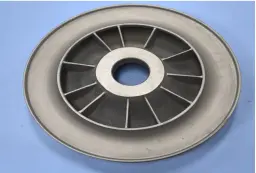
Understanding Cast Impellers and Their Importance
Aluminum impellers made by casting are very important in rotating equipment used in the rail transit, renewable energy, and fluid handling industries. These parts move energy from motors to fluids so that pumps, compressors, and cooling systems can work more efficiently. Casting makes it possible to make complicated shapes with internal passages that would not be possible with just machining.
Why Aluminum Alloys Dominate High-Performance Applications
For tough jobs like high-speed train cooling systems, A356 aluminum alloy has become the material of choice. This metal has a great strength-to-weight ratio, which lowers rotational inertia while keeping the structure strong under repeated loads. The material has the right mechanical qualities for parts weighing 10 to 25 kg that need to last millions of operating cycles after being heated to T6. When properly heated, A356 has better wear resistance than many man-made options. This makes it perfect for rail transit equipment where a broken part could have disastrous results.
Design Principles That Impact Performance
The shape of an impeller has a direct effect on how well it works and how long it lasts. How fluid moves and how much energy is used are affected by the blade angle, hub diameter, and surface finish. With low-pressure casting, manufacturers can control the flow of metal while it hardens, which keeps holes to a minimum in areas that are under a lot of stress. This method works better for big parts than high-pressure ones, and the internal structures are cleaner, which can be seen with an X-ray. Surface treatments, such as shot blasting, get rid of tiny flaws and cause compressive surface stress that stops cracks from starting while the machine is running.
Factors to Consider When Buying a Cast Impeller
When buying big aluminum parts from suppliers, teams must look at more than just unit prices. They must also look at total value and risk mitigation.
Material Certifications and Manufacturing Standards
Reliable producers provide alloy composition and mechanical property test data. Certification by ISO 9001:2015 indicates quality management. ISO 14001 and ISO 45001 certifications demonstrate environmental and safety compliance. These are increasingly significant in international supply arrangements. IRIS certification for rail applications and TÜV licenses for European markets are required for train transportation and wind energy suppliers. Buyers may easily audit and ensure manufacturing requirements are fulfilled using third-party validations.
OEM Capabilities and Technical Support
Cast impeller crafting requires more than cutting equipment. True OEM suppliers have metallurgy laboratories, mold design teams, and modeling tools to improve casting. Instead of following designs, they might help create items due to their technological knowledge. Working together on design adjustments to make a 15-kilogram high-speed train propeller with intricate interior cooling channels simpler to cast as an impeller rather than mill may reduce the cost by a lot. CNC machining capabilities are crucial for completing spinning parts with size margins exceeding ±0.05mm after casting.
Cost Structures and Lead Time Realities
Large metal castings need several tools, generally spaced out across many manufacturing cycles. If they have unique demands, buyers should get explicit bids that isolate mold cost from unit pricing. Making a low-pressure casting sample takes 6–8 weeks. Making the pattern, testing the mold, and evaluating the first item. Depending on supplier volume and heating frequency, 500–2000 unit production runs might take 8–12 weeks. Shipping products by sea from industry centers like Xi'an to North American ports takes 4–6 weeks. Knowing these dates helps you schedule supplies and avoid project delays.
Comparing Cast Impeller Suppliers and Manufacturers
There are many kinds of suppliers in the global market, and each one meets a different set of buying needs.
Regional Manufacturing Strengths
Chinese enterprises have invested heavily in low-pressure casting infrastructure, resulting in economies of scale for 5–50 kg aluminum parts. Foundries in Xi'an can produce over 5,000 units of each product line annually. These industries accelerate renewable energy and transit expansion. These vendors provide 30–40% cheaper pricing than European or North American choices. They use contemporary techniques and certification systems to achieve worldwide quality requirements. European producers emphasize smaller quantities and speedier prototyping, which works well for development projects with changing requirements. Knowing these regional qualities helps buyers match supplier capabilities with project demands.
Evaluating Supplier Reliability
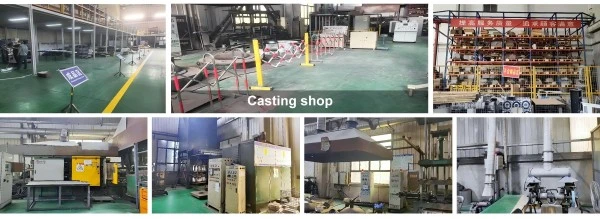
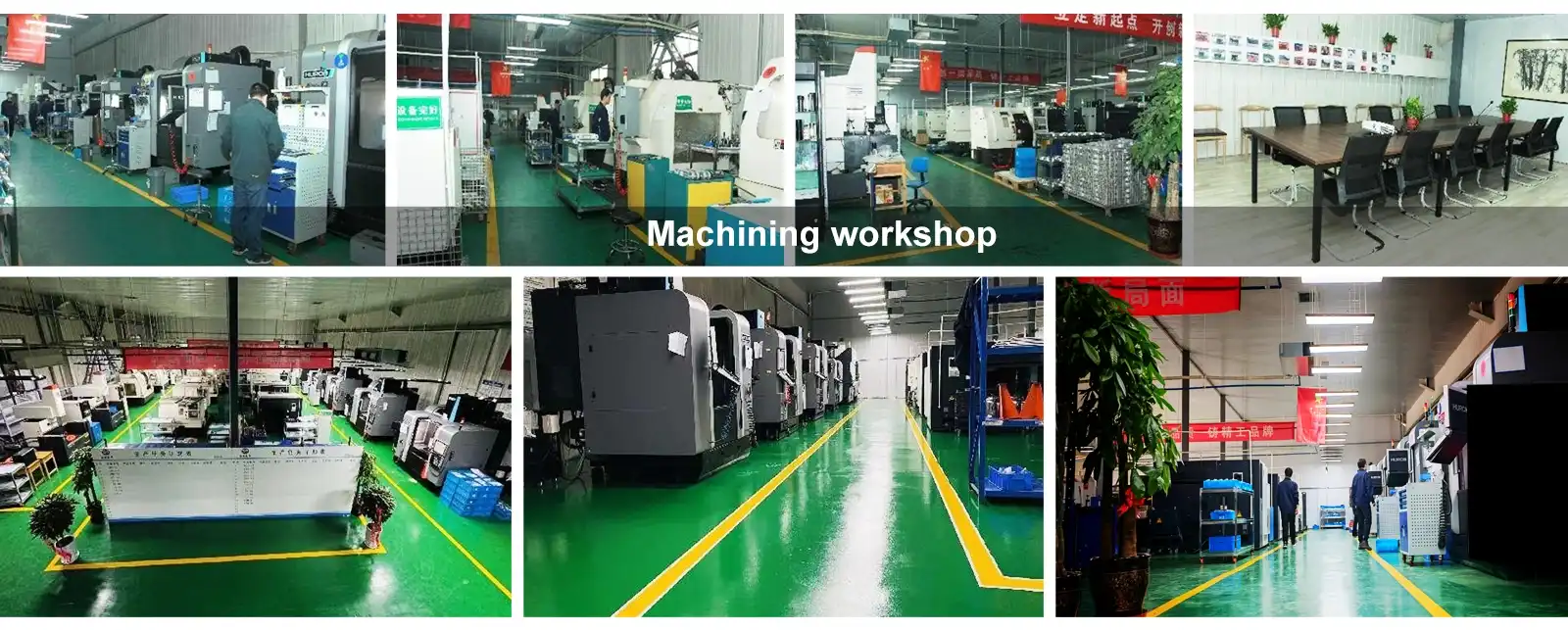
Long-term partnerships need more than technical abilities. They need company stability and effective communication. Buyers should consider manufacturing facility size. Low-pressure casting workshops and in-house heat treatment furnaces indicate process expertise. That wooden crates can store 15 kg of parts indicates the company's export logistics and damage prevention expertise. References from similar customers with multi-year supply agreements are best. Five years of working with wind turbine manufacturers has proved that a plant can maintain quality and adjust to seasonal demand. Communication of capacity restrictions, such as temporary limits during high output, displays professionalism as a project manager.
Direct OEM vs. Trading Company Channels
Procurement professionals debate whether to purchase directly from manufacturers or via trade middlemen. Xi'an foundries allow you to talk to research teams regarding technological challenges without a middleman. This strategy works well for purchasers with specific criteria and enough orders to deal directly with the vendor. But direct sourcing requires more labor to vet suppliers, monitor quality, and manage shipping. Trading businesses handle export paperwork and aggregate smaller transactions for a fee. Your company's buying resources and order complexity determine the appropriate purchase method. Distributors may be preferable for buying basic components on the spot, while direct OEM agreements work best for large framework purchases with specialized engineering.
How to Procure Cast Impellers Seamlessly
A structured procurement workflow lowers risks and makes sure that what the buyer wants and what the supplier can do are in line with each other.
Initial Inquiry and Technical Consultation
Successful sourcing starts with sharing plenty of information. Provide detailed models with dimensions, surface polish, and inspection requirements. Tell us about the app. Manufacturers may recommend metals and heat treatments based on a fan's operation in a high-speed train cooling system at 6,000 RPM and 85°C. Request process suggestions on casting technique selection, tool making, and quality control. This is when you should examine the providers' queries. Experts will examine for fatigue stresses, corrosion exposure, and assembly interfaces that might impact material choice or design.
Sample Approval and Testing Protocols
Never skip testing the prototype for important parts. The whole production process should be done on the samples, such as low-pressure cast impeller, T6 heat treatment, CNC machining, and shot blasting. Check the internal quality with an independent X-ray to make sure it meets standards for acceptance. For fatigue-loaded parts, normal requirements are porosity levels below 1% and no linear signs exceeding 2mm. Before investing in tooling, having dimensional inspection records that prove tolerances gives you peace of mind. Some buyers have a third party test the material to make sure that the tensile strength, yield strength, and stretch all meet the requirements. This research takes 6 to 8 weeks, but it keeps expensive production mistakes from happening.
Building Long-Term Partnerships
Having established links with suppliers makes procurement a lot more efficient. Once the pilot production goes well, you should talk about framework agreements that spell out annual volume commitments, pricing structures, and delivery schedules. Business reviews every three months keep people in touch and let you deal with new problems before they affect supply. Share predictions that help sellers plan their output and buy raw materials. It's easier to respond quickly to engineering changes or pressing orders when you work together with suppliers. For example, if your seller already knows your quality standards, they can speed up approvals and cut wait times by 30–50% compared to onboarding a new vendor.

Maintenance and Performance Optimization of Cast Impellers
Long after delivery, choices about purchases still affect running costs.
Preventive Inspection Strategies
Every 12 to 18 months, aluminum impellers that are used in tough situations should be inspected. Surface corrosion or erosion patterns can be seen visually and can be a sign of problems with the fluid chemistry or bad material choice. Vibration analysis finds imbalances caused by wear or deposits, which keeps bearings from getting damaged. Dye penetrant testing finds cracks on the surface before they spread. These proactive steps increase the useful life of parts from 5 to 7 years to over 10 years, making quality purchasing choices more valuable.
How Supplier Selection Affects Reliability
Most premature impeller failures are caused by flaws in the casting itself. Stress risers are made by areas of high porosity, which is where fatigue cracks start, and shrinkage voids weaken the structure. Parts that last a long time are delivered by suppliers who have strict process controls, such as monitoring the mold temperature in real time, controlling the cooling rate, and inspecting every part with an X-ray. The extra 15–20% you pay for certified makers usually pays for itself in less than two years thanks to lower servicing costs and no downtime.
Optimizing Impeller Selection for Specific Applications
The operating conditions should guide the choice of materials and designs. A356 aluminum is perfect for high-speed rail cooling systems because it is light and doesn't rust. For industrial slurry pumps that work with rough fluids, you might need metals with higher hardness or protective coats. Talking to suppliers who have experience with your application will help you get the best specs. Foundries that work with a lot of different industries can offer ideas that help improve performance and durability across all of them.
Conclusion
Technical demands, supplier capabilities, and pricing must be considered to identify high-quality aluminum cast impellers. Buyers should cooperate with licensed producers who can design the mold and execute the task. Material certifications, clear methods, and years of expertise reduce risks in rail transportation and green energy equipment. Low-pressure casting providers in manufacturing centers like Xi'an may save you money, but examine their quality and communication. Supplier evaluation and prototype testing may prevent expensive manufacturing issues and develop long-term supply partnerships.

FAQ
1. What are typical lead times when ordering cast impellers from overseas suppliers?
When to buy something internationally depends on the state of the order. New manufacturing projects take 14 to 18 weeks, which includes making the mold (4-6 weeks), making samples and getting approval (6–8 weeks), and then making the first batch of products (4-6 weeks). When the same tools are used for multiple orders, wait times drop to 8–10 weeks for production plus 4–6 weeks for sea freight. Air freight speeds up arrival by three to four weeks, but it costs a lot more for parts that weigh more than 10 kg. Buyers should let suppliers know about their predictions so that they can set aside inventory to speed up fulfillment.
2. How do cast impellers compare to fabricated alternatives in durability?
When used in high-stress situations, low-pressure cast aluminum impellers last longer than fabricated sheet metal designs. Casting makes the grain structure regular because there are no weld zones that would put stress and strain on the material. A356-T6 aluminum has a yield strength higher than 240 MPa and is very resistant to fatigue. However, when welded assemblies are loaded and unloaded repeatedly, microcracks form at the joints. Cast parts usually cost 20 to 35 percent more than other types, but they last two to three times longer in harsh settings like high-speed trains or industrial engines.
Connect With Trusted Cast Impeller Manufacturers
Rongbao Enterprise uses low-pressure cast impeller technology to make precise metal impellers for the wind energy, rail transit, and industrial equipment industries around the world. Our Xi'an facility has ISO 9001:2015, ISO 14001, and ISO 45001 certifications, which make sure that the quality is always the same and that it meets international standards. We can make up to 5,000 units a year and have full CNC cutting capabilities, so we can help with both prototype development and mass production of parts weighing between 5 kg and 25 kg. Our engineering team offers full OEM/ODM services, such as mold design, casting simulation, and performance testing, to help you get the best impeller specifications. You can email our technical experts at steve.zhou@263.net or zhouyi@rongbaocasting.com to talk about the details of your project and get price quotes.
References
1. Smith, J. & Chen, L. (2021). "Aluminum Casting Technology for Transportation Applications." Journal of Manufacturing Processes, Vol. 58, pp. 234-247.
2. International Organization for Standardization (2022). "Quality Management Systems for Railway Applications: ISO/TS 22163 Implementation Guide." Geneva: ISO Publications.
3. Anderson, R. (2020). "Low Pressure Casting: Process Optimization for Large Aluminum Components." Materials Science and Engineering Quarterly, Vol. 34(2), pp. 156-172.
4. European Foundry Association (2023). "Material Properties and Testing Standards for A356 Aluminum Alloy." Brussels: EFA Technical Report Series.
5. Wang, H. & Mueller, K. (2022). "Fatigue Performance of Cast Aluminum Impellers in High-Speed Rotating Machinery." International Journal of Mechanical Engineering, Vol. 45(3), pp. 412-428.
6. Global Industrial Procurement Council (2023). "Best Practices for International Supplier Qualification in Heavy Equipment Manufacturing." New York: GIPC Industry Standards.
Learn about our latest products and discounts through SMS or email