- English
- French
- German
- Portuguese
- Spanish
- Russian
- Japanese
- Korean
- Arabic
- Greek
- German
- Turkish
- Italian
- Danish
- Romanian
- Indonesian
- Czech
- Afrikaans
- Swedish
- Polish
- Basque
- Catalan
- Esperanto
- Hindi
- Lao
- Albanian
- Amharic
- Armenian
- Azerbaijani
- Belarusian
- Bengali
- Bosnian
- Bulgarian
- Cebuano
- Chichewa
- Corsican
- Croatian
- Dutch
- Estonian
- Filipino
- Finnish
- Frisian
- Galician
- Georgian
- Gujarati
- Haitian
- Hausa
- Hawaiian
- Hebrew
- Hmong
- Hungarian
- Icelandic
- Igbo
- Javanese
- Kannada
- Kazakh
- Khmer
- Kurdish
- Kyrgyz
- Latin
- Latvian
- Lithuanian
- Luxembou..
- Macedonian
- Malagasy
- Malay
- Malayalam
- Maltese
- Maori
- Marathi
- Mongolian
- Burmese
- Nepali
- Norwegian
- Pashto
- Persian
- Punjabi
- Serbian
- Sesotho
- Sinhala
- Slovak
- Slovenian
- Somali
- Samoan
- Scots Gaelic
- Shona
- Sindhi
- Sundanese
- Swahili
- Tajik
- Tamil
- Telugu
- Thai
- Ukrainian
- Urdu
- Uzbek
- Vietnamese
- Welsh
- Xhosa
- Yiddish
- Yoruba
- Zulu
Casting Craft Souvenirs OEM vs. Stock: Which Is Best?
When deciding between OEM and stock options for casting craft souvenirs, the answer depends on your project's specific requirements. OEM solutions excel when you need distinctive designs that reflect your brand identity, allowing complete control over aesthetics, materials, and finishes. Stock products, conversely, deliver speed and predictability with pre-designed items ready for immediate deployment. Understanding your procurement priorities—whether customization, budget, lead time, or production volume—determines which approach aligns best with your business objectives in the competitive souvenir market.
Introduction
The global B2B casting art souvenir industry is unique. They may be important business gifts, promotional items, or event decorations. To meet budgets, deadlines, and company goals, procurement managers, distributors, and engineers must choose OEM or stock products.
Working with municipal light and architectural decorative hardware manufacturers has shown me how important this choice is for projects that must appear and work properly. Aluminum alloy lamp bases, Roman columns, and decorative items must be cast in small numbers with stringent quality standards and competitive project margins.
This guide collects alternatives and outlines critical factors and decision-making processes to help worldwide B2B clients buy. Know the pros and cons of custom and ready-made aluminum castings for civic initiatives and business gifts.
Understanding Casting Craft Souvenirs: OEM and Stock Defined
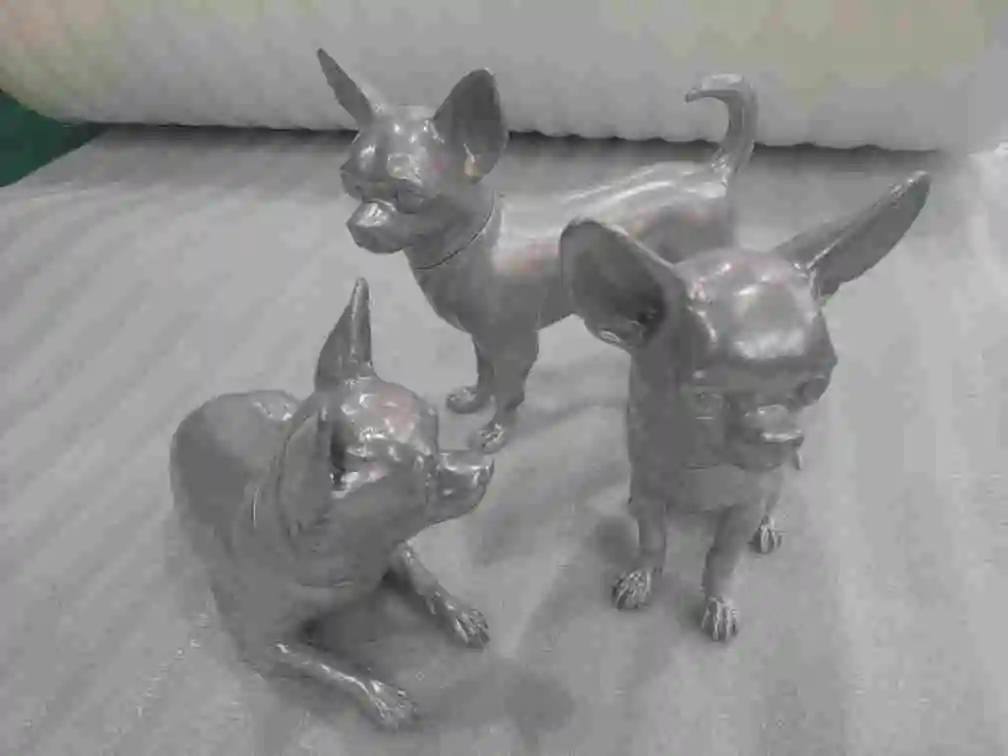
Casting craft souvenirs are a wide range of culturally important things made from different metals using precise casting methods. There are traditional patterns, designs that can be changed, eco-friendly options, and unique decorative items made for different markets. During the manufacturing process, materials like A356 aluminum alloy are often used because it is easy to cast, doesn't rust, and has good mechanical qualities that make it useful for both artistic and practical uses.
What OEM Manufacturing Offers
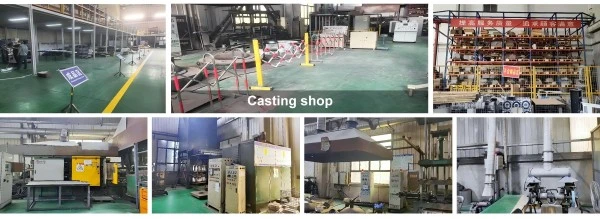
OEM products allow for customization and design freedom, which lets companies make unique, branded souvenirs that fit with certain cultural themes or company identities. Through OEM relationships, procurement teams work directly with makers from the first ideas for designs to the finished products. This way of working together lets you add special surface treatments that stock products don't usually have, like shot blasting for matte finishes or a special coating for antique copper effects. Manufacturers like Rongbao Enterprise offer full OEM services, such as creating molds, using CNC machines for small details, and strictly monitoring quality throughout the whole production process.
The Stock Product Alternative
Stock gifts are quick to make and don't cost much because they are already made and kept in stock by manufacturers. Standardized quality testing is done on these goods to make sure they meet set standards. This lowers the procurement risks that come with developing prototypes. Procurement professionals need to know these basic differences in order to match product types with strategic sourcing goals and operational needs. This is especially important when project deadlines or budget limits make customization impossible.
Key Factors to Consider When Choosing Between OEM and Stock
When deciding between OEM and stock choices, it's important to weigh buying goals like product uniqueness, quantity needs, brand identity expression, and budgetary limits. From working with project managers in city engineering, I've learned that the factors used to make decisions are very different depending on the size and purpose of the project.
Design Customization Requirements
Custom designs through OEM help businesses stand out by letting them customize the look and message of their products. OEM is the best choice when your project needs exact sizes, complicated patterns, or the ability to add company names to the casting craft souvenirs design. This method works especially well for people who work in architectural decoration and need to cast parts that fit specific design requirements for heritage repair projects or signature building facades. You can choose the material, make it lighter, and use special finishing methods that stock products can't handle. This gives you more design freedom.
Volume and Batch Flexibility
The amount of production has a big effect on how economically viable each method is. When you need to buy between a dozen and several hundred pieces, stock goods are the best choice because you don't have to spend money on making custom molds. When order numbers hit a certain level, OEM manufacturing becomes cost-effective. For precision-cast aluminum parts that weigh about 2 kg, this level of volume is usually 500 pieces or more. Clients who are in charge of multiple municipal lighting projects need OEM suppliers that can accommodate batch production runs that are timed with phased project rollouts. This way, clients don't have to pay too much for inventory holding costs, and the design stays the same across installations.
Timeline and Delivery Expectations
Stock products are high-quality and fast-delivering if you need something soon or in huge numbers. Inventory is important in city engineering when orders are placed two to three weeks before delivery, which is common due to tight construction timetables. Procurement teams must evaluate suppliers based on material quality certifications, manufacturing consistency, delivery performance indicators, and logistical capabilities. These factors affect user satisfaction and worldwide B2B supply chain efficiency. This is particularly important when exporting products internationally and packing them in hardwood boxes to minimize damage.
Advantages and Challenges of OEM Casting Craft Souvenirs
OEM casting trinkets are very helpful for business-to-business clients who want to create unique branding and design solutions that appeal to their target customers. Some of these benefits are having your own lines of products, getting customers more involved by personalizing gifts, and being able to try out new materials or finishes that aren't offered in regular stores.
Technical and Quality Control Benefits
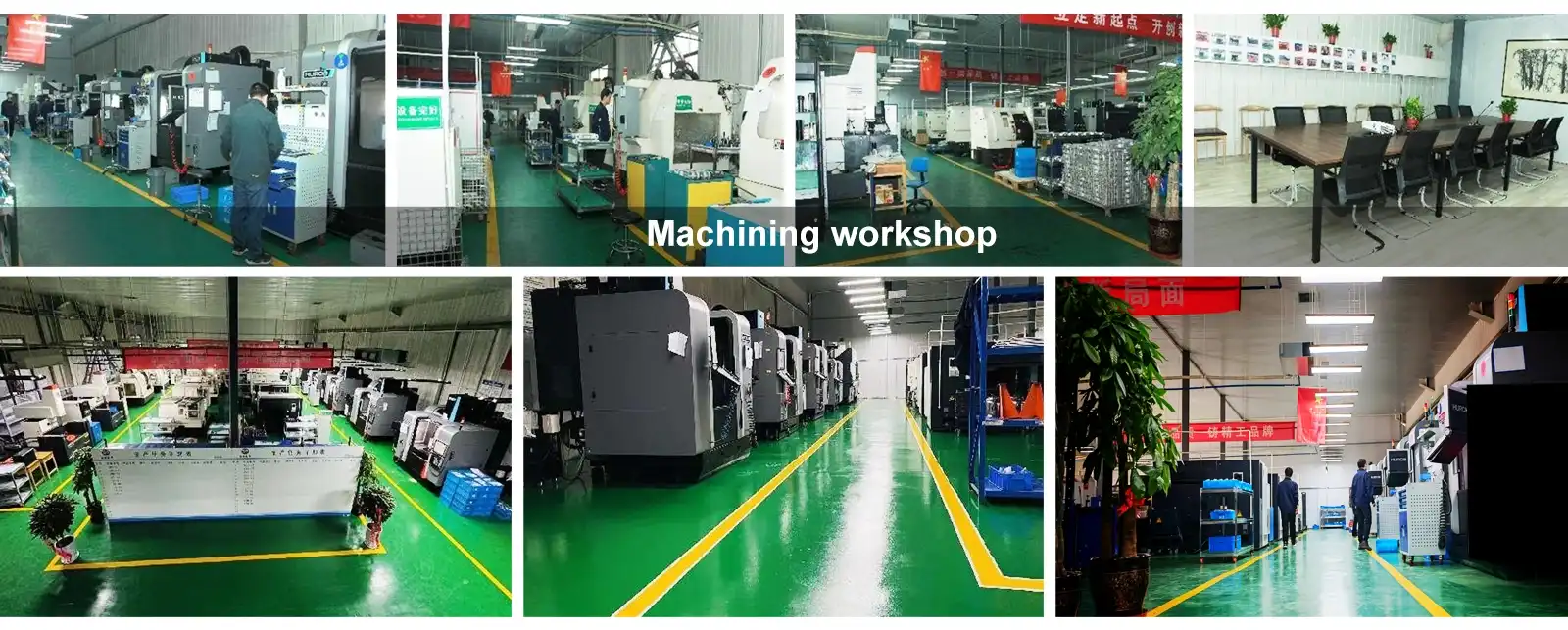
Working with recognized OEMs guarantees thorough quality control. ISO9001:2015, ISO14001, and ISO45001-certified facilities care about quality, the environment, and worker safety, which are increasingly significant in corporate procurement policy. Precision casting and CNC machining produce parts with tight size restrictions, which is critical for assembly or integration into larger systems. Shot blasting creates consistent patterns, which enhances paint appearance and binding for following coatings.
Brand Differentiation Opportunities
OEM relationships make it possible to make unique lines of products that help people remember your brand in markets where competition is high. When municipal lighting manufacturers make unique lamp bases with custom ornamental details, they create memorable streetscape identities that help their projects stand out during bid reviews. This difference isn't just about looks; custom weight distribution in cast components can make installation easier or improve structural performance, giving real value beyond looks.
Navigating OEM Challenges
OEM purchases frequently include larger minimum order quantities, extended development cycles (7–10 weeks for first orders), and complex quality assurance procedures that need risk management. Mold development is a large upfront expenditure that only becomes OEM-profitable with significant production quantities. Design teams giving foundries precise aesthetic guidelines, particularly for surface textures and finishing requirements, makes communication tougher. Both sides must agree on specifications, sample approval, and timelines for OEM partnerships to succeed.
Benefits and Limitations of Stock Casting Craft Souvenirs
Stock casting craft souvenirs and craft gifts are a good choice for companies that want to buy in bulk, save money, and get them out quickly. These ready-made items make it easier to buy things, which is great for people who need to meet tight deadlines. They also have standard quality controls that have already been proven to work in previous production runs.
Speed and Procurement Efficiency
The main benefit of stock goods is that they skip the design and tooling stages, cutting the time it takes to buy something from approval of order to delivery to just one to two weeks. This speed is very important when project plans get squished out of the blue or when procurement teams need quick solutions for company events or marketing campaigns. There is less doubt about the accuracy of measurements, the quality of the finish, or the mechanical properties of established stock products because their performance histories are written down.

Cost Considerations
Stock choices usually have lower unit costs for small to medium amounts because they spread the cost of tools over several users and production runs. Because of this economic benefit, stock products are very appealing to businesses that are trying out new markets, running pilot programs, or managing projects where the volume forecast isn't clear. When compared to OEM quotes, which may include changeable tooling charges or design consultation fees, stock prices are more stable and make budget planning easier.
Customization Limitations
Stock choices may make customization difficult, making it tougher to express cultural values or company identity. It might be tougher to stand out in a crowded market. Standard surface treatments like antique patinas, powder coating colors, and texture patterns may not suit your project. Due to stock mold size constraints, designers may have to make decisions that affect part fit or product appearance. Procurement customers may locate reliable partners and reduce product supply and stability concerns by looking at the top stock sellers and marketplaces. This is crucial for repeat orders that must match prior batches.
How to Decide: OEM vs. Stock for Your Business Needs
B2B clients can compare OEM and stock options using a structured decision-making framework that creates business scenarios based on industry needs, budget limits, product specifications, and delivery expectations. When I work as a consultant with procurement teams, I use an organized review method that looks at many factors.
Evaluation Criteria Framework
The whole cost research goes beyond unit pricing. It considers tool costs, supply costs, and specification changes that might produce waste. When assessing quality, consider the provider's certifications, fault history, and testing techniques that evaluate dimensions, material composition, and finish durability. When calculating lead time, you must consider OEM design modifications and stock availability. Knowing the difference between "beautiful" tweaks like adding a logo and "essential" design changes that influence casting geometry is crucial. Consider a supplier's manufacturing capability, financial stability, communication skills, and problem-solving history when assessing their image.
Decision Matrix Application
Practical decision matrices rank each aspect based on its importance for the project to enable entrepreneurs from tiny shops to large wholesalers to determine the optimal purchase approach. OEM approaches are preferred for brand-differentiating, open-ended projects. Projects that wish to save time and money use standard solutions. Combining OEM and stock solutions may improve supply chain stability and market responsiveness by preserving stock of standard components and conserving OEM capacity for unique signature items.
Supplier Selection Best Practices
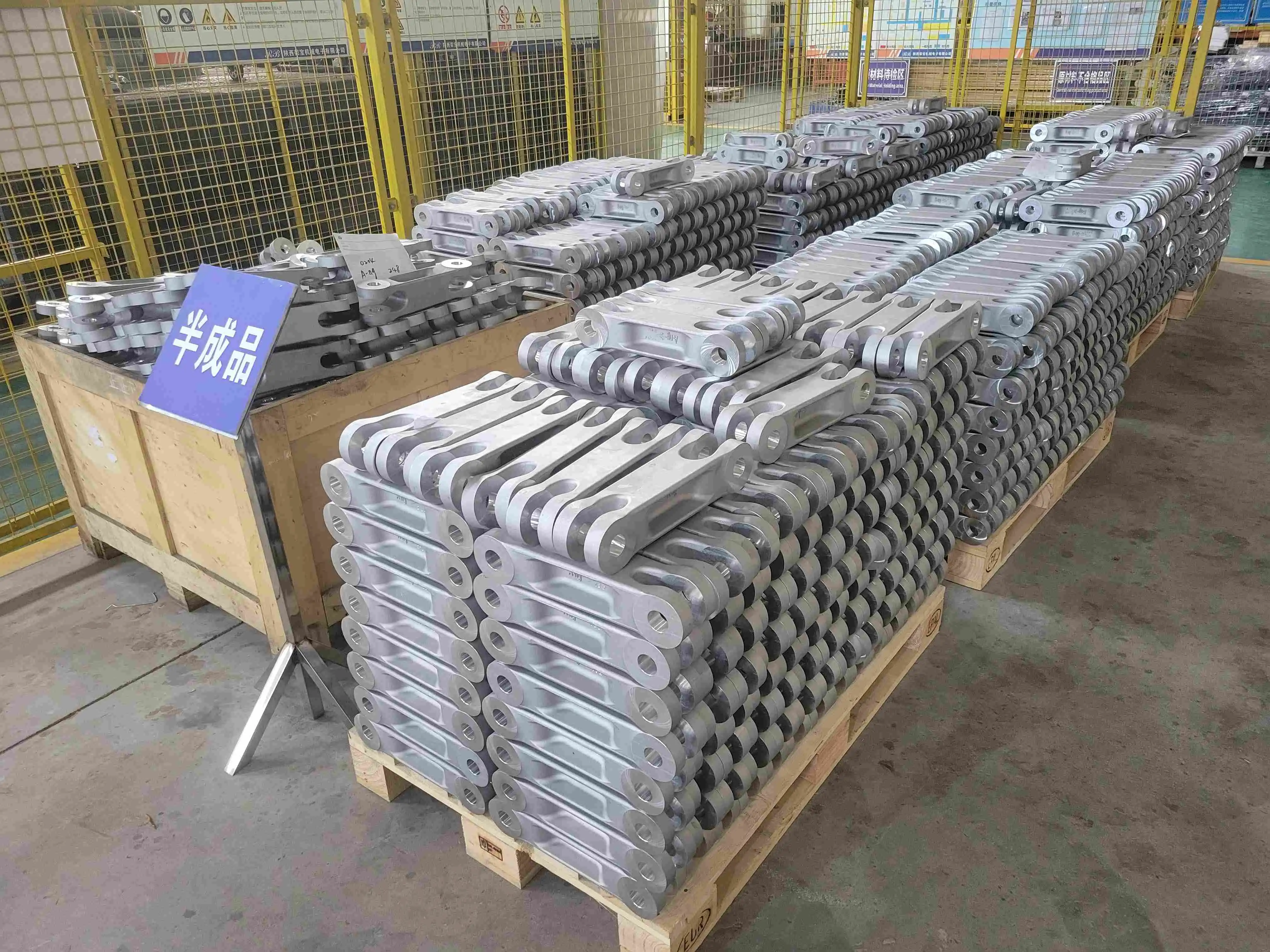
When looking for OEM partnerships, it's best to go with manufacturers that can show they can do everything, from making the mold to finishing it. This all-around method is shown by Rongbao Enterprise, which provides precision casting, CNC machining, surface treatment, and quality approval all under one operating umbrella. This integration cuts down on the coordination work and quality handoff risks that come with having more than one supplier. Location is also important. Manufacturers in Xi'an benefit from well-established supply chains for aluminum alloy and specialized casting industry hubs, which lower costs and concentrate technical knowledge.
Conclusion
You must balance product demands with procurement process constraints when choosing OEM or stock casting craft souvenirs for artisan presents. OEM solutions provide unparalleled customisation, brand distinctiveness, and creative flexibility for longer lead times and higher minimum quantities. Stock items are fast, inexpensive, and less likely to go wrong, but they can't be personalized. Well-planned procurement plans employ both ways. OEM is for trademark items that stand out, whereas stock inventory is for extras or quick-response demands. How successfully your project balances the necessity to complete fast, the expense of completing a lot of effort, your target market's standard needs, and their desire for brand distinction determines the option.
FAQ
1. What minimum order quantities apply to OEM casting craft souvenirs?
Minimum order quantities depend on how complicated the product is and how much the manufacturer can make. Minimum orders for precision-cast aluminum parts that weigh about 2 kg and have custom designs are usually between 200 and 500 pieces. This level shows when the costs of investing in unique tools and setting up production will be recovered. Some manufacturers have lower minimums for designs that are easier to make or that use similar molds that have only been slightly changed.
2. How long does OEM production take from order to delivery?
Initial OEM orders usually take 7–10 weeks, which includes design confirmation (2–3 weeks), mold development and sample production (3–4 weeks), and batch production (2–3 weeks). Once the development process is over, shipping times for stock products can be matched for repeat orders with approved tooling, which cuts the time needed to make about 500 pieces down to two to three weeks.
3. Are environmentally certified casting options available?
More and more, reputable makers are offering eco-friendly options, such as recycled aluminum alloy feedstock, low-emission melting methods, and surface treatment chemicals that are safe for the environment. If a company has ISO14001 approval, it means they have official environmental management systems in place that include reducing waste, using energy efficiently, and following all the rules during production.
Partner with a Trusted Casting Craft Souvenirs Manufacturer
Rongbao Enterprise offers complete aluminum alloy casting options that are made to fit your OEM and stock buying needs. We have been in the business for 20 years and are certified in ISO9001:2015, ISO14001, and ISO45001, which means we can guarantee quality at every step of our full-service manufacturing process, from helping with the design to CNC machining and special surface treatments. Our Xi'an factory can make more than 500 pieces per batch, and it can make both special parts for public lights and decorative hardware for buildings. The quality of the fit and finish is excellent. We know the unique problems that project managers in municipal engineering and architectural decoration have to deal with. That's why we offer small-batch flexibility without lowering quality standards or delivery reliability. Our experience exporting to markets in Europe, the United States, and Japan means we know what high standards are expected around the world and how to coordinate processes. Email our team at steve.zhou@263.net or zhouyi@rongbaocasting.com to talk about your needs for casting craft souvenirs and get quotes that are specific to your project and fit your schedule.
References
1. Smith, J., & Chen, L. (2023). Aluminum Alloy Casting Technologies for Decorative Applications. International Journal of Manufacturing Processes, 45(3), 127-142.
2. Anderson, R. (2022). Strategic Sourcing in B2B Procurement: OEM versus Stock Decision Frameworks. Supply Chain Management Quarterly, 18(2), 56-73.
3. Williams, M. (2024). Quality Management Systems in Precision Casting Industries. Manufacturing Excellence Review, 31(1), 89-104.
4. European Aluminum Association. (2023). Best Practices for Sustainable Aluminum Casting Production. Brussels: EAA Technical Publications.
5. Zhang, H., & Thompson, K. (2022). Municipal Infrastructure Components: Material Selection and Procurement Strategies. Urban Engineering Journal, 29(4), 201-218.
6. International Organization. (2023). ISO 9001:2015 Implementation in Metal Casting Facilities: Case Studies and Performance Metrics. Geneva: ISO Publishing.
Learn about our latest products and discounts through SMS or email