- English
- French
- German
- Portuguese
- Spanish
- Russian
- Japanese
- Korean
- Arabic
- Greek
- German
- Turkish
- Italian
- Danish
- Romanian
- Indonesian
- Czech
- Afrikaans
- Swedish
- Polish
- Basque
- Catalan
- Esperanto
- Hindi
- Lao
- Albanian
- Amharic
- Armenian
- Azerbaijani
- Belarusian
- Bengali
- Bosnian
- Bulgarian
- Cebuano
- Chichewa
- Corsican
- Croatian
- Dutch
- Estonian
- Filipino
- Finnish
- Frisian
- Galician
- Georgian
- Gujarati
- Haitian
- Hausa
- Hawaiian
- Hebrew
- Hmong
- Hungarian
- Icelandic
- Igbo
- Javanese
- Kannada
- Kazakh
- Khmer
- Kurdish
- Kyrgyz
- Latin
- Latvian
- Lithuanian
- Luxembou..
- Macedonian
- Malagasy
- Malay
- Malayalam
- Maltese
- Maori
- Marathi
- Mongolian
- Burmese
- Nepali
- Norwegian
- Pashto
- Persian
- Punjabi
- Serbian
- Sesotho
- Sinhala
- Slovak
- Slovenian
- Somali
- Samoan
- Scots Gaelic
- Shona
- Sindhi
- Sundanese
- Swahili
- Tajik
- Tamil
- Telugu
- Thai
- Ukrainian
- Urdu
- Uzbek
- Vietnamese
- Welsh
- Xhosa
- Yiddish
- Yoruba
- Zulu
Top Cast Axial Flow Fan Accessories for Industrial Applications
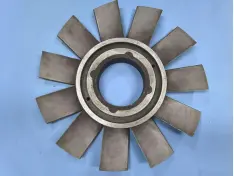
Cast axial flow fan accessories encompass critical components such as blades, hubs, guards, and mounting systems fabricated through precision casting processes. These accessories ensure optimal airflow, structural integrity, and operational safety in demanding industrial environments, including wind energy, manufacturing facilities, and heavy-duty ventilation systems. Selecting the right accessories directly influences fan efficiency, maintenance costs, and equipment lifespan.
Introduction
Air circulation, cooling, and ventilation depend on axial flow fans in industrial, energy, and process sectors. How thoroughly and properly cast pieces are constructed affects how effectively these fans operate. Technical experts and procurement managers evaluate their ventilation system's reliability by looking at cast axial flow fan accessories.
Rongbao Enterprise has witnessed how high-quality aluminum alloy castings improve wind turbine and industrial cooling system fans. Our 21-kg A356 aluminum alloy pieces, manufactured utilizing sophisticated pressure casting, demonstrate how material science and mechanical accuracy may be crucial. To identify these crucial parts, purchasing experts must grasp all the technical aspects, selection criteria, and purchase tactics in this exhaustive book.
Understanding Cast Axial Flow Fan Accessories: Types and Functions
Core Components of Industrial Fan Systems
Industrial axial fans are made up of several cast parts that work together to keep the airflow steady even when conditions are tough. The main parts are the impeller blades, which move air through an aerodynamic design, the cast metal hubs that connect the blades to the drive shaft, and the protective guards that keep the user safe while keeping the air moving efficiently.
Material Selection and Performance Characteristics
Because it is strong for its weight and doesn't rust, A356 aluminum alloy has become the material of choice for industrial fan parts. With the T6 heat treatment, this metal gets the right mechanical qualities for parts that are constantly rotated and exposed to the environment. The material can handle changes in temperature, moisture, and chemicals that are common in industrial areas.
Functional Integration in Fan Assemblies
Each cast accessory meets a certain set of operational needs in the fan system. Precision-cast hubs keep the balance even when the wheels are turning quickly, which lowers friction and increases the life of the bearings. Shot-blasted surfaces make them more resistant to fatigue by getting rid of stress concentrators, and CNC machining makes sure that the dimensions are exact, which is important for assembly tolerances. These built-in functions help meet the overall reliability needs of industrial applications that run all the time.
Top 7 Cast Axial Flow Fan Accessories for Industrial Applications
Cast Aluminum Impeller Blades
The most important part of an axial fan system is the impeller blades, which directly turn rotating energy into airflow. Our 21 kg cast axial flow fan accessory blades go through a lot of CNC machining to get airfoil profiles that work best for industrial uses. The makeup of the A356 metal makes it resistant to wear from particles while keeping its shape even when the temperature changes. When designing a blade, you need to think about things like the pitch angle, the chord length, and the surface finish. All of these things affect how well the blade works and how loud it is.
Precision-Cast Fan Hubs
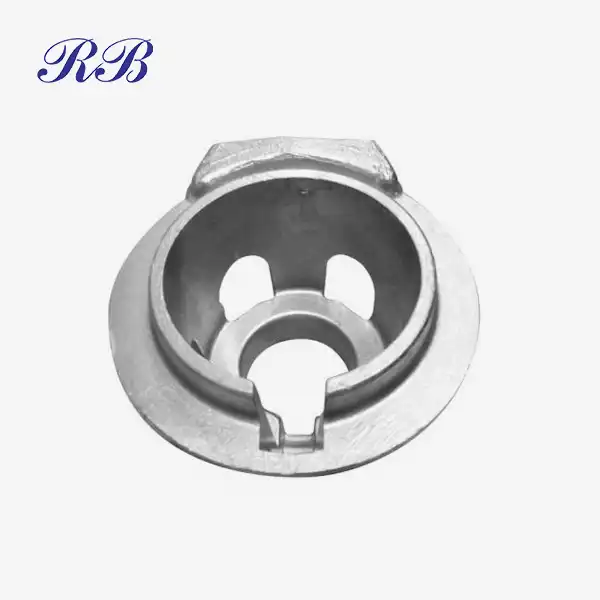
Fan hubs hold the structure together and connect many blades to the drive system. By using pressure casting, we can make hub designs that spread mechanical loads evenly across the part. This stops stress buildup that causes the part to break too soon. The casting process makes it possible to make complex shapes that are lighter without sacrificing strength. This is important for high-speed rotation in wind turbines and industrial ventilation systems.
Reinforced Safety Guards and Housings
Cast axial flow fan accessories keep people safe while directing airflow and reducing noise at the fan's inlet and outlet areas. Cast guards are more structurally sound and resistant to corrosion than alternatives made from sheet metal. The casting process lets mounting features be built in and rib placement be improved, which increases stiffness without adding too much weight.
Motor Mounting Brackets and Adapters
Precision-cast fixing systems make sure that motors and fan units are lined up correctly, which is important for reducing vibrations and increasing the life of equipment. These parts can handle thermal expansion while keeping their positional accuracy. Custom casting lets us adapt to different motor setups and mounting positions needed in a wide range of industrial settings.
Bearing Housings and Support Structures
Cast bearing housings make stable fixing bases that keep the shaft in place even when loads change. The thermal qualities of A356 alloy make it easier for heat to escape from bearing assemblies. This means that they don't need to be oiled as often and don't need as much upkeep. During the casting process, oil tanks and sealing surfaces can be built in. This makes the building process simpler.
Vibration Damping Components
Certain types of cast accessories have damping features that lower the vibrations that reach mounting structures. These parts use the natural damping ability of aluminum alloys, which is improved by the careful distribution of materials used in the casting design. Vibration control that works well lowers noise levels and keeps linked equipment from wearing out.
Custom Air Distribution Vanes
When placed ahead or downstream of fan assemblies, cast vanes improve the flow of air through pipes and ventilation systems. The casting process makes it possible to make shapes with complex curves and differences in thickness that would not be possible with other methods of production. By cutting down on turbulence and pressure losses in air handling networks, these add-ons make the system work better.
How to Select the Right Cast Axial Flow Fan Accessories for Your Industrial Needs
Operational Environment Assessment
As the first step in your decision process, you should look at the surroundings in detail, including the temperature ranges, humidity levels, and any corrosive substances that might be present. Components used in wind turbines are exposed to weathering and changes in temperature outside, which requires materials and surface treatments that don't break down easily. We treat the surface with shot blasting, which makes it more resistant to rust than normal finishing methods. This means it will last longer in harsh settings.
Load and Performance Specifications
It's important to carefully look at rotational speeds, airflow volumes, and static pressure needs in order to match accessory specifications to operational needs. Parts that are made to run continuously at 3000 RPM are very different from parts that are made for variable-speed uses. Our engineering team looks at these factors and suggests casting designs that meet the necessary safety standards without adding too many extra features that raise costs needlessly.
Material Compatibility and Certification Requirements
More and more, industrial uses need proof that they meet foreign standards. Our ISO9001:2015, ISO14001, and ISO45001 certifications show that we are committed to systematic quality management, protecting the environment, and promoting good health at work. These certifications give people who work in procurement confidence that the manufacturing process always delivers parts that meet the requirements.
Customization and Production Capacity
Off-the-shelf parts don't usually meet the unique needs of specialized industrial tools. Our OEM/ODM services allow us to make specifications that are exactly what you need in terms of size, material, and performance. With a production capacity of up to 5,000 pieces and full CNC machining, we can meet the needs of both prototype development and large-scale production.
Total Cost of Ownership Considerations
Costs that go beyond the original purchase price should be taken into account when making decisions about what to buy. Good cast axial flow fan accessories lower the number of times they need to be maintained, extend the time between replacements, and cut down on unplanned downtime. Because pressure-cast aluminum parts last longer, they usually justify their higher price by reducing downtime and lowering overall maintenance costs.
Maintenance and Installation Best Practices for Cast Axial Flow Fan Accessories
Pre-Installation Inspection Protocols
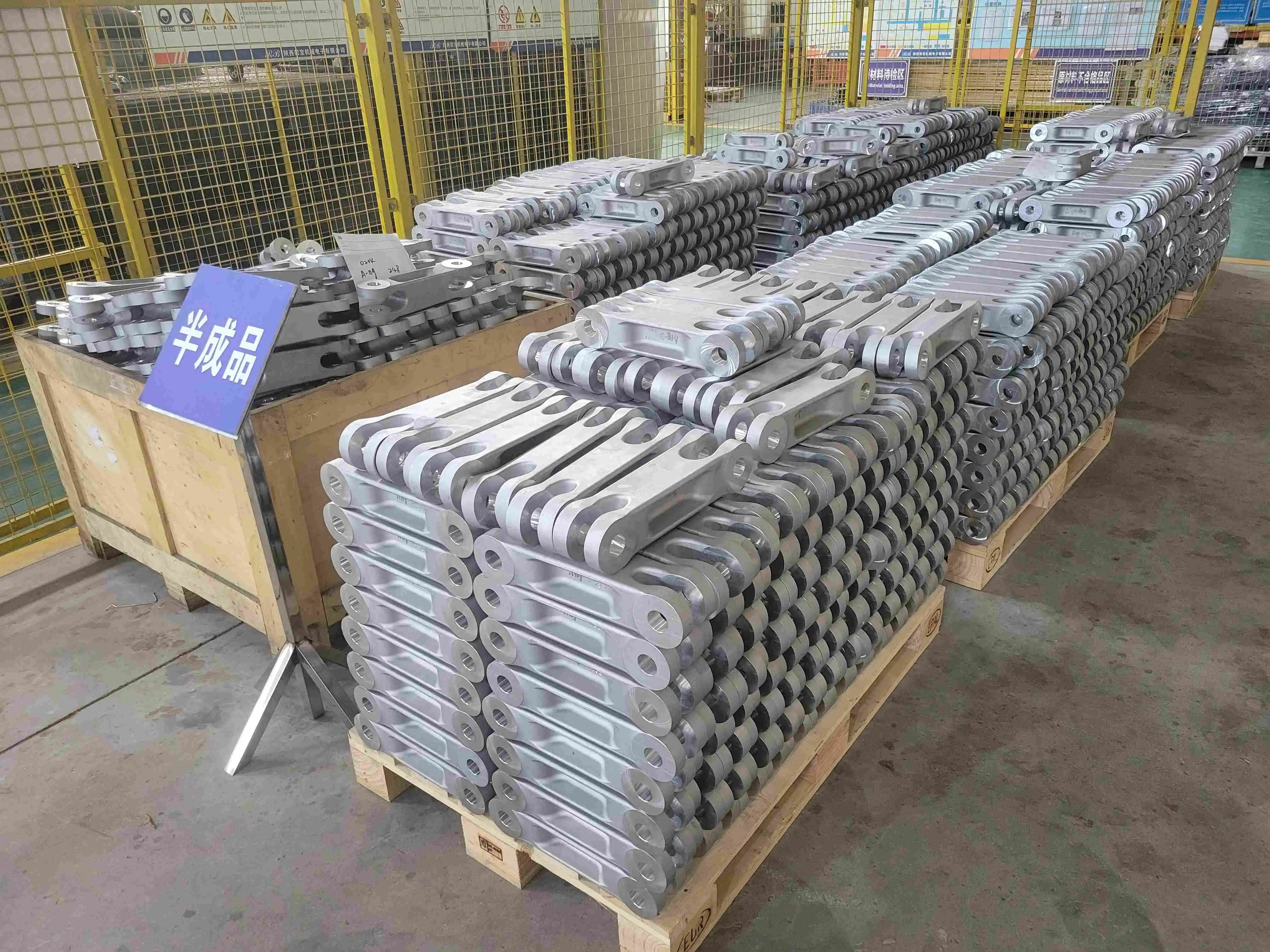
Before installation, the receiving inspection should check the accuracy of the dimensions, the quality of the surface finish, and the lack of casting flaws. Our parts are X-rayed to look for internal holes, but buyers should make sure that the fixing surfaces haven't been damaged during shipping. Large castings are protected in wooden boxes during international shipping, but they need to be handled with the right lifting equipment at the installation site because they weigh 21 kg each.
Installation Procedures and Alignment
For an installation to go well, the mounting surfaces must be clean and ready, and the fasteners must be tightened in the right order. To keep fan units from vibrating, they need to be precisely balanced. This means that when installing blades, they need to be put in place according to the manufacturer's instructions for how to position them and secure them. Dynamic balancing, which is done after assembly, makes sure that the whole rotating assembly meets the vibration standards for the speed it is supposed to work at.
Routine Maintenance Schedules
Setting inspection times based on operating hours stops problems that happen out of the blue. A visual inspection should reveal surface rust, erosion patterns, or cracks that point to conditions that are getting close to the end of their useful life. When necessary, bearings are oiled according to schedules set by the speed and temperature of operation. When inspection results are written down, historical records are made that help with planning preventative maintenance.
Performance Monitoring and Wear Indicators
Vibration analysis lets you know early on when imbalances or worn bearings are starting to show up. Airflow and pressure readings taken on a regular basis show that the fan is still working as it should. When measurements aren't taken exactly as planned, they are inspected carefully to find old parts that need to be replaced before they fail completely.
Upgrade Opportunities and Retrofit Considerations
As casting methods and alloys get better, it becomes possible to improve current fan systems by adding better parts. Using optimized blades instead of the original ones can make the machine work better and cost less. Our engineering support helps you find ways to retrofit existing equipment that will make it work better in a way that you can measure.
Procurement Insights: Buying Cast Axial Flow Fan Accessories Online and in Bulk
Supplier Evaluation Criteria
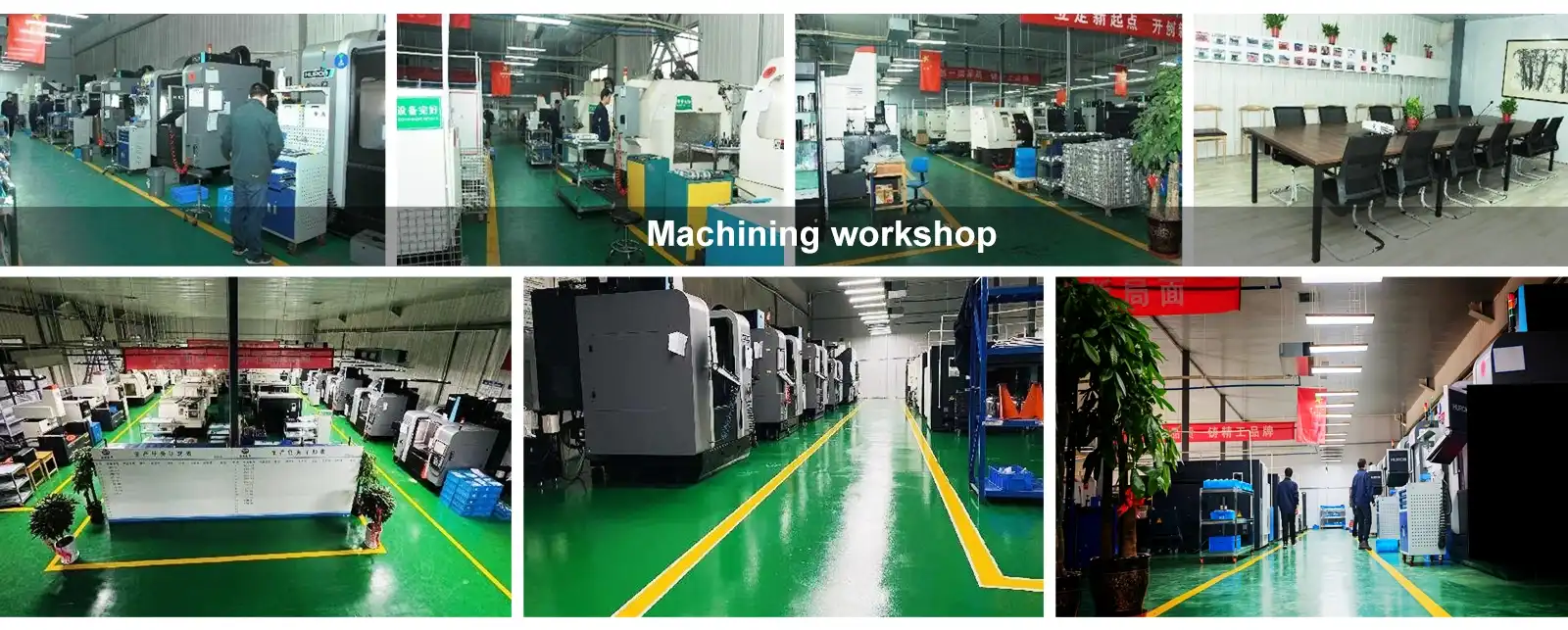
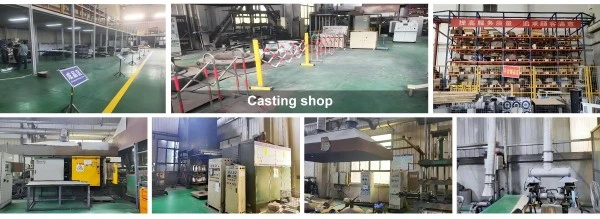
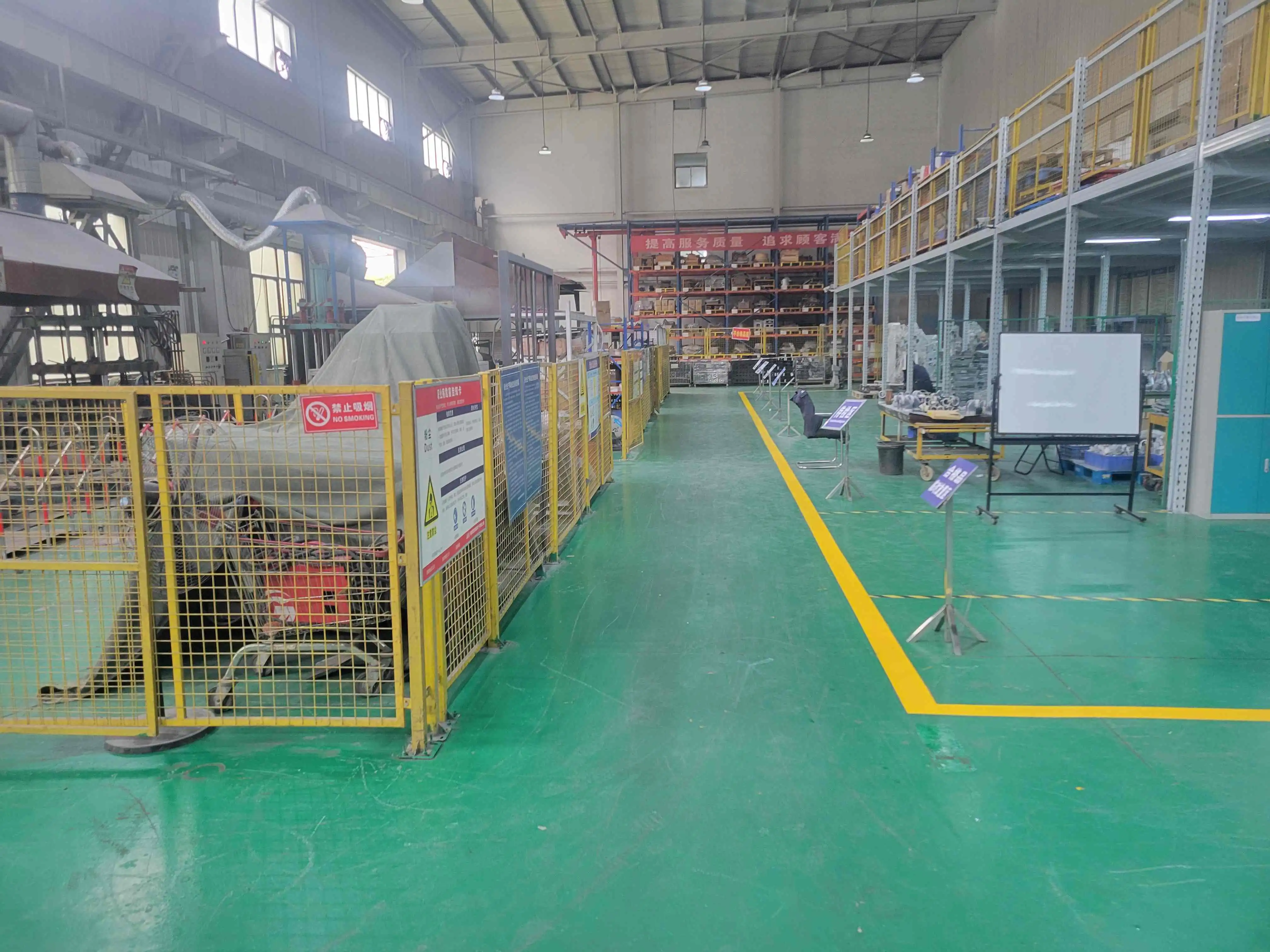
To be successful at procurement, you need to carefully evaluate the technical skills and quality systems of potential suppliers. Manufacturing sites should show that they have the right casting tools, machining tools, and checking tools. Our Xi'an plant has CNC machining, shot blasting, and pressure casting all under one roof. This makes sure that we can control the process and keep the standard high throughout production.
International Sourcing Considerations
Global procurement gives you access to specialized manufacturing skills and prices that are competitive. Chinese producers have come up with advanced casting techniques that meet international quality standards and are cost-effective for large-scale production. Our history of sending 70% of our production to markets in Europe, the United States, and Japan shows that we can meet a wide range of quality and legal requirements.
Custom Order Development Process
Custom component development usually goes through stages like design consultation, casting a prototype, checking the dimensions, and production validation. During the design part, collaborative engineering improves castability while still meeting useful needs. Our 20 years of knowledge in the field speeds up this development cycle, which shortens the time it takes for unique accessories to reach the market.
Quality Assurance and Certification Documentation
Suppliers with a good reputation provide a lot of paperwork, like compliance certificates, material approvals, and measurement inspection reports. ISO certifications show that quality management is done in a planned way, but they should be paired with test data that is specific to each component. For important uses, our quality control system keeps track of every casting from the time we receive the raw materials to the time it is inspected for the last time.
Logistics and Delivery Coordination
Getting parts from other countries requires careful coordination of shipping plans, production schedules, and customs procedures. We use wooden crates that are made for shipping containers as packing, and we provide paperwork that makes customs clearing easy. Knowing how long it takes to make batches of 5000 pieces lets you plan your purchases in a way that fits with your project schedule and your inventory management strategies.
Conclusion
Technical performance, quality guarantee, and cost must be considered while buying cast axial flow fan accessories. From general to application-optimized castings, reliability and operational efficiency increase. Advanced aluminum alloy precision-cast parts become more important as industrial systems demand improved performance and longer service intervals. When buying managers understand material characteristics, how they are created, and what suppliers can accomplish, they can make wise decisions that cut total cost of ownership and make equipment more dependable in demanding industrial situations.

FAQ
1. What Makes A356 Aluminum Alloy Suitable for Fan Components?
After being heat-treated to T6, A356 aluminum alloy has great mechanical properties and is easy to cast. The alloy has yield strengths higher than 240 MPa and is still flexible enough to not break into brittle pieces when hit. It is more resistant to corrosion than most aluminum alloys, which makes it perfect for use in wind turbines outside and in chemically harsh industrial settings.
2. How Does Pressure Casting Differ from Other Manufacturing Methods?
When you use controlled gas pressure instead of gravity, pressure casting, which is also called low-pressure permanent mold casting, fills mold holes from below. This method lowers turbulence during filling, which keeps gases from getting trapped and makes the inside of the product better than sand casting. The process gets tighter size tolerances than gravity casting and can handle the complicated shapes needed for designing the best fan parts.
3. What Customization Options Are Available for Large Volume Orders?
Custom specs can take into account things like required sizes, differences in materials, preferred surface finishes, and built-in features. During the design phase, our engineering team works together to find the best casting configuration for your needs. When 5000 pieces are made in a run, the prices of the tools can be spread out over the whole run. This makes customization affordable for companies that make manufacturing equipment.
4. What Certification Documentation Accompanies Component Orders?
Standard paperwork includes material certifications that link the alloy's composition to its batch number, dimensional inspection reports that show the metal meets the requirements, and ISO system certificates that show the quality management processes. Depending on how important the application is and what the customer wants, we can do extra tests like checking the mechanical properties or doing a non-destructive examination.
Partner with Rongbao Enterprise for Superior Cast Axial Flow Fan Accessories
Through our integrated manufacturing capabilities, Rongbao Enterprise can make precision-cast fan parts that can handle the tough needs of industrial applications. Our Xi'an factory uses modern pressure casting technology, full CNC machining, and quality control systems that are approved to ISO9001:2015, ISO14001, and ISO45001 standards. Our engineering team is here to help you with all aspects of the development and procurement process, whether you need custom-designed parts for wind turbines or large-scale production of standard accessories.
We want buying managers and technical engineers to look into how our A356 aluminum alloy castings can improve the performance and dependability of your fan system. Get in touch with our team at steve.zhou@263.net or zhouyi@rongbaocasting.com to talk about your needs with skilled manufacturers of cast axial flow fan accessories.
References
1. American Society of Mechanical Engineers. (2019). Performance Test Code for Fans. ASME PTC 11-2019.
2. Davis, J.R. (Ed.). (2001). Aluminum and Aluminum Alloys. ASM International Handbook Committee.
3. Industrial Ventilation Systems Engineering Consortium. (2020). Design Guidelines for Industrial Air Handling Equipment. Technical Publication Series.
4. International Organization for Standardization. (2021). Quality Management Systems – Requirements for Aviation, Space, and Defense Organizations. ISO 9001:2015 Standards.
5. Kaufman, J.G., & Rooy, E.L. (2004). Aluminum Alloy Castings: Properties, Processes, and Applications. ASM International Publications.
6. Wind Energy Technical Standards Committee. (2018). Component Design Requirements for Wind Turbine Systems. International Electrotechnical Commission Standards.
Learn about our latest products and discounts through SMS or email