- English
- French
- German
- Portuguese
- Spanish
- Russian
- Japanese
- Korean
- Arabic
- Greek
- German
- Turkish
- Italian
- Danish
- Romanian
- Indonesian
- Czech
- Afrikaans
- Swedish
- Polish
- Basque
- Catalan
- Esperanto
- Hindi
- Lao
- Albanian
- Amharic
- Armenian
- Azerbaijani
- Belarusian
- Bengali
- Bosnian
- Bulgarian
- Cebuano
- Chichewa
- Corsican
- Croatian
- Dutch
- Estonian
- Filipino
- Finnish
- Frisian
- Galician
- Georgian
- Gujarati
- Haitian
- Hausa
- Hawaiian
- Hebrew
- Hmong
- Hungarian
- Icelandic
- Igbo
- Javanese
- Kannada
- Kazakh
- Khmer
- Kurdish
- Kyrgyz
- Latin
- Latvian
- Lithuanian
- Luxembou..
- Macedonian
- Malagasy
- Malay
- Malayalam
- Maltese
- Maori
- Marathi
- Mongolian
- Burmese
- Nepali
- Norwegian
- Pashto
- Persian
- Punjabi
- Serbian
- Sesotho
- Sinhala
- Slovak
- Slovenian
- Somali
- Samoan
- Scots Gaelic
- Shona
- Sindhi
- Sundanese
- Swahili
- Tajik
- Tamil
- Telugu
- Thai
- Ukrainian
- Urdu
- Uzbek
- Vietnamese
- Welsh
- Xhosa
- Yiddish
- Yoruba
- Zulu
What materials are commonly used for gravity casting covers?
When sourcing protective components for permanent mold casting systems, understanding material options becomes essential. Gravity casting covers typically utilize aluminum alloys such as ZL101A, cast iron variants, and occasionally steel grades—each selected based on thermal requirements, mechanical strength needs, and production volume considerations. The correct material choice directly determines cycle longevity, dimensional stability during repeated thermal cycles, and ultimately affects your production line's reliability and cost-per-unit economics.
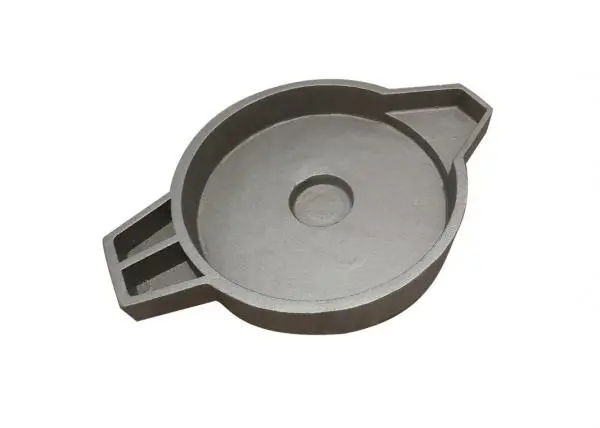
Understanding Gravity Casting Covers and Material Importance
In permanent mold casting, gravity casting covers play an important role as structural and protective elements. These parts keep the molten metal safe during the gravity feed process and can handle being heated and cooled many times. Working with providers to the auto industry and makers of heavy machinery for many years, I've observed how choosing the right materials has a big impact on the quality of castings and the uptime of equipment.
What Are Gravity Casting Covers?
In fixed mold systems, where molten metal runs into holes only by gravity, these covers act as top plates or casings. This method is different from high-pressure die casting because it uses controlled pouring and natural filling dynamics. Even after thousands of thermal cycles, the covers must stay the same size and shape while also being resistant to metal sticking to them and thermal shock.
Key Performance Requirements
Durability is very important because covers are constantly changing temperatures that range from room temperature to over 700°C for aluminum metals. Heat resistance stops warping and dimensional shift that would make it harder to keep casting standards. Machinability is important because covers need precise CNC cutting for openings for gates and airflow. At Rongbao Enterprise, our engineering team often deals with these problems by making sure that the material specifications are right for the production settings of our clients.
Impact of Material Selection on Reliability
When people make bad material decisions, problems start to pile up. When heat resistance isn't good enough, materials deform too quickly, which means they have to be replaced often, which throws off production schedules. When there isn't enough mechanical strength, cracks show up in high-stress places like filling gates. When dimensional uniformity is important, material porosity or an inconsistent makeup makes batches different, which is the worst thing that can happen to a quality engineer. Because of downtime, high rates of scrap, and the need to buy things quickly, these problems directly raise the total cost of ownership.
Common Materials Used for Gravity Casting Covers
Material selection represents a balance between performance requirements, processing capabilities, and budget constraints. The casting industry relies on several proven material families, each offering distinct advantages for specific applications.
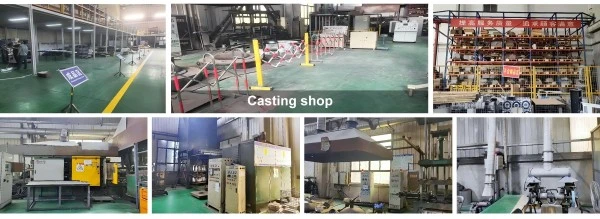
Aluminum Alloys: Lightweight and Thermally Efficient
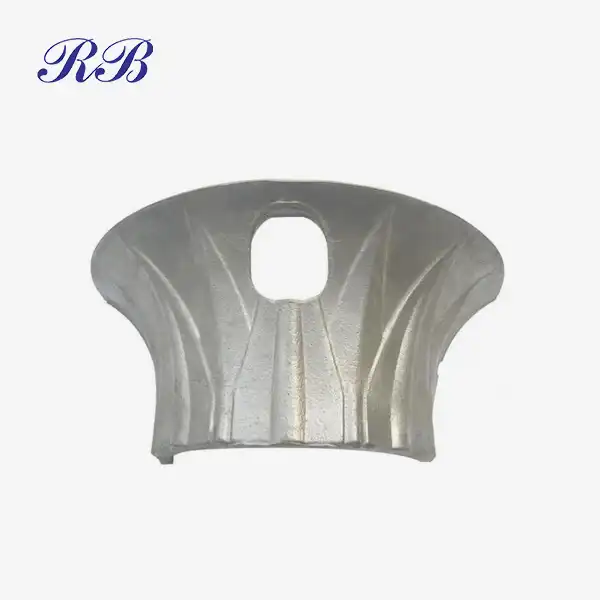
Because they have good combinations of properties, aluminum alloys are most often used in medium-duty applications. The material standard ZL101A, which we use at our Xi'an facility, shows the best of this group. This alloy is very fluid when it is melted, which makes it possible to cast complex shapes while still keeping their mechanical integrity. Its thermal conductivity enables faster cooling cycles, improving production throughput.
The corrosion resistance inherent to aluminum alloys extends service life in humid environments common in many foundries. Weight advantages simplify handling during mold changes—a practical consideration for operations running multiple product lines. Automotive suppliers appreciate how aluminum gravity casting covers support aggressive production schedules without sacrificing dimensional stability.
Cast Iron: Strength for Industrial Applications
Gray cast iron and ductile iron variants offer superior wear resistance and vibration damping characteristics. These materials excel in heavy-duty scenarios where covers endure aggressive handling or support substantial structural loads. The material's graphite structure provides inherent lubricity, reducing metal adhesion from molten aluminum.
Cost-effectiveness makes cast iron attractive for large-format covers where material volume would make aluminum prohibitively expensive. However, weight becomes a consideration—a 10 kg iron cover requires lifting equipment, whereas a comparable aluminum design might enable manual handling. Thermal conductivity limitations can extend cycle times compared to aluminum alternatives.
Steel and Stainless Steel: Maximum Durability
When environmental conditions demand exceptional corrosion resistance or mechanical strength exceeds aluminum capabilities, steel grades become necessary. Stainless steel variants serve applications involving corrosive atmospheres or where contamination prevention justifies higher material costs. Energy sector clients frequently specify stainless grades for covers used in specialized casting operations.
The trade-off involves significantly higher raw material and machining costs. Steel's lower thermal conductivity compared to aluminum can impact cycle efficiency. These factors make steel appropriate primarily for demanding applications where no alternative meets performance requirements.
Specialty Materials for Niche Requirements
Copper alloys find application in situations requiring maximum thermal conductivity or electrical properties. Some aerospace components utilize proprietary alloy blends optimized for specific temperature ranges or mechanical stress profiles. These customized solutions address unique OEM requirements that standard materials cannot satisfy.
Material selection connects directly to your operational context. A high-volume automotive component benefits from ZL101A aluminum's balance of properties, while a low-volume aerospace application might justify exotic alloy investment for performance gains.
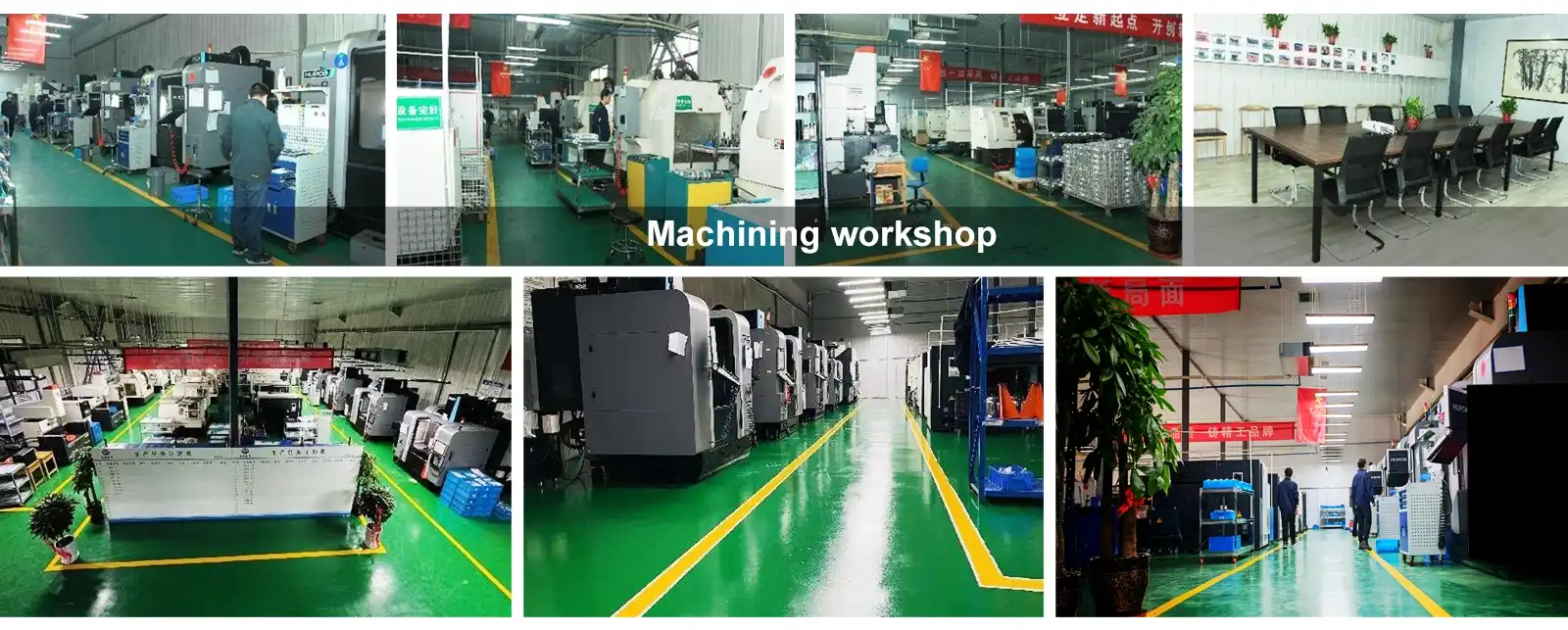
How Material Choice Influences Gravity Casting Cover Manufacturing and Quality Control?
The chosen material has a big impact on the manufacturing parameters and quality control procedures used during production of gravity casting covers. Knowing about these links helps procurement teams set standards that sellers can safely meet.
Process Parameter Dependencies
Different materials have very different pouring temperatures, mold preheating times, and cooling rate control. For aluminum alloys like ZL101A to be flexible while also avoiding gas absorption risks, the temperature needs to be carefully controlled between 680°C and 720°C. Too much heat makes the material more porous, while not enough heat leads to incomplete filling or cold shuts. Our production team at Rongbao Enterprise monitors these parameters continuously through each casting cycle.
Mold design considerations change with material selection. Aluminum's shrinkage characteristics demand specific allowances in pattern dimensions. Gating system design must account for flow characteristics unique to each alloy. Cooling channel placement optimizes solidification patterns to minimize defects like shrinkage porosity or hot tearing.
Material-Specific Casting Challenges
Each type of material has its own specific defect risks that need specific ways to be reduced. Aluminum castings have problems with porosity because hydrogen absorption and shrinkage during solidification. With the right degassing, controlled cooling rates, and optimized gating, these problems are less likely to happen. When working with cast iron, you need to be aware of graphite formation and potential carbide precipitation affecting mechanical properties.
Surface treatment approaches also vary. Our shot blasting process effectively prepares aluminum surfaces for protective coatings or direct use, creating uniform roughness profiles. The same parameters would prove inadequate for cast iron, requiring adjusted media selection and intensity.
Quality Standards and Certification Requirements
Reliable supply chains are built on strict testing and certification of materials. ISO 9001:2015 certification ensures systematic quality management throughout manufacturing. ISO 14001 compliance demonstrates environmental responsibility in material sourcing and processing—increasingly important as sustainability requirements influence procurement decisions.
Material traceability enables lot tracking from raw material receipt through finished component delivery. Certifications verify chemical composition, mechanical properties, and dimensional conformance to specifications. At Rongbao Enterprise, our quality control system performs incoming inspection on raw materials, in-process monitoring during casting and machining, and comprehensive final inspection before packaging in wooden boxes for secure transportation.

Comparing Materials: Factors for Procurement Decision-Makers
To make smart material choices for gravity casting covers, you have to weigh a lot of different factors against your application needs and business goals. The following analysis framework helps structure these decisions.
Cost Versus Performance Analysis
Total cost of ownership extends beyond raw material pricing. Aluminum's higher base cost compared to cast iron often proves economical when factoring machining time, handling efficiency, and extended service life. Lighter weight reduces handling equipment requirements and worker fatigue during mold changes.
Machining costs vary significantly—aluminum machines rapidly with standard tooling, while steel demands specialized cutters and slower feed rates. Surface treatment requirements add different cost increments depending on base material. Maintenance intervals affect long-term economics; a cover requiring replacement every 5,000 cycles carries different lifetime costs than one lasting 15,000 cycles.
Industry-Specific Recommendations
Aluminum alloys help suppliers of cars and trucks by balancing weight, thermal performance, and production efficiency. The material supports the high-volume production typical in this sector while meeting strict dimensional tolerances. Construction and heavy machinery applications often specify cast iron for its durability under rough handling and ability to withstand contaminated foundry atmospheres.
Industrial equipment manufacturing spans both categories—valve and pump components might use aluminum for thermal efficiency, while machine tool bases utilize cast iron's vibration damping. Energy sector applications frequently demand stainless steel where corrosion resistance justifies premium pricing. Aerospace components may require specialized alloys meeting stringent certification requirements.
Sustainability Considerations
Environmental impact increasingly influences procurement decisions as customers demand greener supply chains. Aluminum's recyclability reduces lifecycle environmental footprint—scrap material integrates seamlessly into new production. Energy consumption during processing favors materials requiring lower melting temperatures and less intensive machining.
Material sourcing transparency helps verify responsible mining and processing practices. Our ISO 14001 certification at Rongbao Enterprise demonstrates systematic environmental management, addressing customer sustainability requirements. These considerations support corporate responsibility goals while potentially qualifying for green procurement preferences.

Working with Gravity Casting Cover Suppliers: Material Specification and Customization
Clear conversation about material needs is the first step in a successful supplier relationship for a gravity casting cover. Quality teamwork should continue throughout the partnership. Procurement professionals should approach supplier selection strategically.
Specifying Material Requirements Clearly
Detailed RFQs eliminate ambiguity that causes quality problems and delivery delays. Chemical composition specifications should reference recognized standards like ASTM or national equivalents rather than generic grade names. Mechanical property requirements—tensile strength, hardness, elongation—must reflect actual application needs, not arbitrary maximums.
Dimensional tolerances require realistic specification based on functional requirements. Over-specifying precision increases costs without performance benefits. Surface finish callouts should match subsequent processing or end-use needs. At Rongbao Enterprise, our engineering team reviews customer specifications to identify potential optimization opportunities before quoting.
Customization Capabilities and Complex Alloys
Experienced suppliers offer value beyond standard catalog items. Custom alloy formulations address unique performance requirements that off-the-shelf materials cannot meet. Design for manufacturability consultation optimizes cover geometry for castability while maintaining functional performance. This collaborative approach often reduces costs while improving quality.
Our production capacity of 5,000 pieces monthly supports both prototype quantities and full production volumes. CNC machining capabilities enable complex feature integration—threaded inserts, precision gating systems, and intricate cooling channels—delivered as finished components ready for installation.
Certification Verification and Quality Audits
Supplier certifications provide baseline confidence but require verification. Request certificate copies and confirm validity through issuing bodies. ISO 9001:2015 ensures systematic quality management, while industry-specific certifications like IATF 16949 demonstrate automotive sector capability.
Regular supplier audits maintain quality consistency over time. Review incoming inspection records, process control charts, and nonconformance handling procedures. Strong suppliers welcome transparency and proactively share quality data. This collaborative approach builds long-term partnerships that weather inevitable challenges better than transactional relationships.
Conclusion
Choosing the right material for gravity casting covers directly impacts operational reliability, production efficiency, and total cost of ownership across automotive, industrial equipment, and heavy machinery applications. Aluminum alloys like ZL101A offer excellent thermal performance and weight advantages for medium-duty applications, while cast iron provides durability for demanding environments. Steel grades serve specialized requirements where corrosion resistance or extreme strength proves necessary. Successful procurement balances material properties against application demands, manufacturing capabilities, and lifecycle costs. Partnering with ISO-certified suppliers experienced in customization and quality management mitigates risk while enabling innovation.
FAQ
What determines the most cost-effective material for gravity casting covers?
Cost-effectiveness requires analyzing total ownership expenses rather than just material pricing. Consider raw material costs, machining complexity, handling requirements, maintenance intervals, and expected service life. Aluminum often proves economical for medium-duty applications despite higher base costs because of faster machining, easier handling, and extended durability. Cast iron suits heavy-duty scenarios where weight matters less than initial cost. Calculate lifecycle expenses including replacement frequency and production downtime to make informed decisions for gravity casting covers.
Can composite or non-metallic materials replace traditional metals for casting covers?
Current composite technology rarely meets the thermal and mechanical demands of gravity casting covers. The continuous temperature cycling and direct molten metal exposure exceed most polymer-based material capabilities. Ceramic composites offer thermal resistance but lack the mechanical toughness needed for handling and impact resistance. Metal alloys remain dominant because they uniquely combine thermal stability, mechanical strength, machinability, and economic viability for this demanding application.
How do environmental regulations affect material selection?
Increasing sustainability requirements influence material choices through several pathways. Recyclability favors aluminum, which integrates recycled content efficiently. Energy consumption during production impacts environmental footprint assessments—materials requiring lower processing temperatures gain preference. Supply chain transparency requirements demand verified responsible sourcing. Compliance with RoHS and REACH regulations restricts certain alloying elements. These factors increasingly weight procurement decisions alongside traditional performance and cost considerations.
Partner with a Trusted Gravity Casting Cover Manufacturer
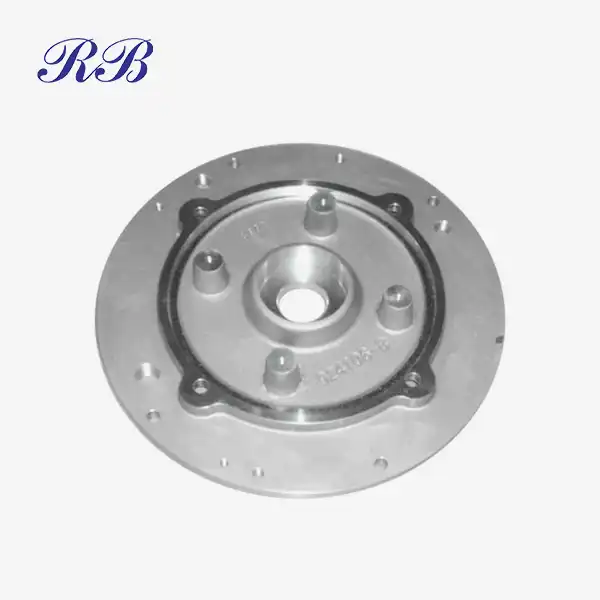
Rongbao Enterprise brings 20 years of specialized experience delivering precision aluminum castings for the gravity casting cover to automotive, machinery, and industrial equipment manufacturers worldwide. Our Xi'an facility maintains ISO 9001:2015, ISO 14001, and ISO 45001 certifications, ensuring consistent quality and responsible manufacturing practices. We offer complete solutions from mold development through CNC machining and shot blasting surface treatment, supporting customized specifications tailored to your exact requirements.
Our ZL101A aluminum casting cover, available in custom specifications up to 5,000 pieces monthly production capacity, serve clients across Europe, America, and Japan with proven reliability. Whether you need prototype quantities or full production volumes, our engineering team provides design consultation optimizing manufacturability while meeting your performance requirements. Contact Steve Zhou at steve.zhou@263.net or zhouyi@rongbaocasting.com to discuss your gravity casting cover specifications and receive a competitive quote backed by our full-chain manufacturing capabilities.
References
- Campbell, J. (2015). Complete Casting Handbook: Metal Casting Processes, Metallurgy, Techniques and Design. Butterworth-Heinemann.
- American Foundry Society. (2017). Aluminum Casting Technology (Second Edition). American Foundry Society Publications.
- Beeley, P.R. & Smart, R.F. (2014). Investment Casting: Materials and Processes. Institute of Materials, Minerals and Mining.
- ASM International Handbook Committee. (2018). ASM Handbook Volume 15: Casting. ASM International.
- Kaufman, J.G. & Rooy, E.L. (2016). Aluminum Alloy Castings: Properties, Processes, and Applications. ASM International.
- Brown, J.R. (2019). Foseco Ferrous Foundryman's Handbook (Eleventh Edition). Butterworth-Heinemann.
Learn about our latest products and discounts through SMS or email