- English
- French
- German
- Portuguese
- Spanish
- Russian
- Japanese
- Korean
- Arabic
- Greek
- German
- Turkish
- Italian
- Danish
- Romanian
- Indonesian
- Czech
- Afrikaans
- Swedish
- Polish
- Basque
- Catalan
- Esperanto
- Hindi
- Lao
- Albanian
- Amharic
- Armenian
- Azerbaijani
- Belarusian
- Bengali
- Bosnian
- Bulgarian
- Cebuano
- Chichewa
- Corsican
- Croatian
- Dutch
- Estonian
- Filipino
- Finnish
- Frisian
- Galician
- Georgian
- Gujarati
- Haitian
- Hausa
- Hawaiian
- Hebrew
- Hmong
- Hungarian
- Icelandic
- Igbo
- Javanese
- Kannada
- Kazakh
- Khmer
- Kurdish
- Kyrgyz
- Latin
- Latvian
- Lithuanian
- Luxembou..
- Macedonian
- Malagasy
- Malay
- Malayalam
- Maltese
- Maori
- Marathi
- Mongolian
- Burmese
- Nepali
- Norwegian
- Pashto
- Persian
- Punjabi
- Serbian
- Sesotho
- Sinhala
- Slovak
- Slovenian
- Somali
- Samoan
- Scots Gaelic
- Shona
- Sindhi
- Sundanese
- Swahili
- Tajik
- Tamil
- Telugu
- Thai
- Ukrainian
- Urdu
- Uzbek
- Vietnamese
- Welsh
- Xhosa
- Yiddish
- Yoruba
- Zulu
What surface finishes are available for pull cord box brackets?
Pull cord box brackets serve as critical mounting components for alarm devices and emergency systems across industrial and commercial facilities. These metal components require appropriate surface treatments to withstand environmental challenges while maintaining functional reliability. The available surface finishes for pull cord box brackets include powder coating, electroplating (zinc, nickel, chrome), anodizing for aluminum variants, hot-dip galvanizing, epoxy coatings, and specialized polyurethane treatments. Each finish offers distinct protective characteristics, aesthetic options, and performance attributes suited to different operating conditions and industry requirements.
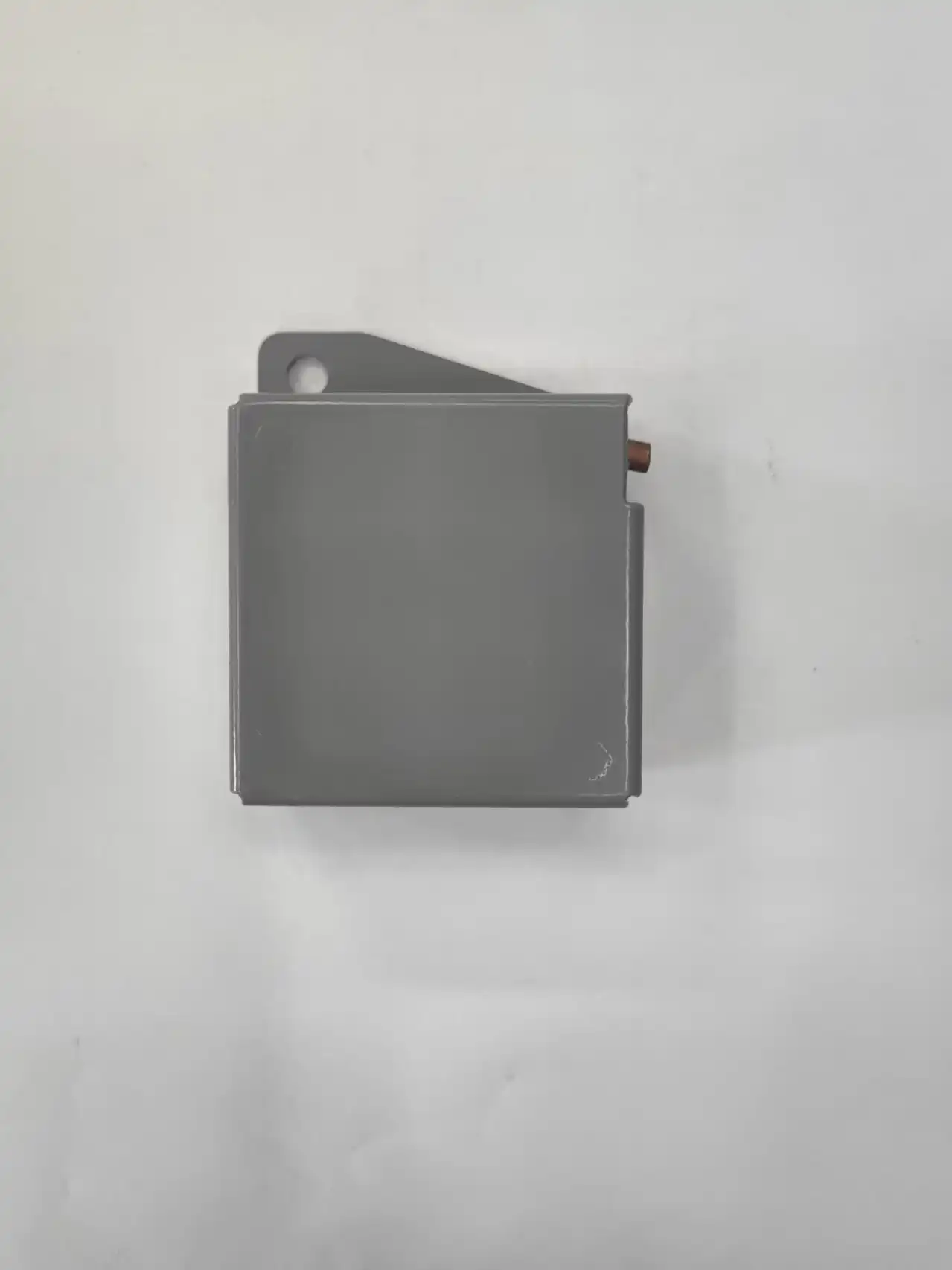
Understanding Pull Cord Box Bracket Surface Finishes
In both business and industrial settings, Pull cord box brackets are essential mounting components for alarm systems and other emergency systems. To resist weather obstacles and keep working reliably, these metal parts need to have the right surface treatments. Pull cord box brackets can have their surfaces electroplated with zinc, nickel, or chrome, powder coated, hot-dip galvanised, anodised (for aluminium versions), epoxy coated, or given special polyurethane treatments. Each finish has different functional, aesthetic, and protective qualities that are best for different working environments and industry standards.
Why Surface Finishes Matter for Alarm Device Components
Metal clamps that don't have the right surface protection break down quickly when they come into contact with water, chemical vapours, or changes in temperature. Corrosion weakens structures, which can cause failures that can turn off emergency alarm systems. Good surface finishes stop oxidation, protect against chemical attack, and keep electrical conductivity high when grounding is needed. In addition to protecting, some finishes make things stick together better by increasing friction or decreasing reflectivity in sensitive areas.
Material Compatibility and Finish Selection
Which surface processes can be used depends directly on the makeup of the base material. Powder coating, electroplating, and galvanising are all common ways to finish steel brackets. Normal metal methods don't work with aluminum's oxide layer, so parts made of aluminium need to be anodised or coated in a special way. Stainless steels don't need much care because they don't rust naturally, but passivation or electropolishing can help in some situations. Understanding these connections between material and finish stops mistakes that cost a lot of money and makes sure the best defence.
Impact on Total Cost and Performance
When procurement managers compare the initial costs to the total costs over the life of the product, they see that premium finishes mean less maintenance and replacement cycles. A galvanised bracket might cost 30% more up front than a painted one, but it will last five times longer in places where corrosion is common. When buying something, it's better to look at the total cost of ownership instead of just the unit price. This is especially true for large orders where consistent performance directly affects operational reliability.
Types of Surface Finishes Available for Pull Cord Box Brackets
Different finishing methods are used in factories, and each one has its own benefits based on the needs of the product and the surroundings. Pull cord box brackets come in a variety of surface finishes.
Powder Coating Technology
This electric application method makes finishes that are regular and last a long time without using dangerous solvents. Charged powder particles stick to metal surfaces that are grounded before they are heated and turn into smooth, continuous films. Powder coating is very good at protecting against chips, staying stable in UV light, and keeping the same thickness across complex shapes. The process allows for a wide range of colour choices and produces little waste, which makes it better for the environment than liquid painting. Powder-coated brackets can usually survive salt spray testing for 1,000 hours or more, making them ideal for use in industrial settings indoors and outdoors with some exposure.
Electroplating Methods
It is still the cheapest way to electroplate, and zinc plating protects against corrosion by sacrificial oxidation. The zinc layer rusts more quickly than the steel base below it, protecting the steel substrate. Nickel plating is harder, lasts longer, and looks better than other plating methods, but it costs more to process. Chrome plating has the highest hardness and lowest friction coefficients, but it uses controlled hexavalent chromium chemicals that need to be managed carefully to protect the environment. Electroplated finishes make coatings that are thinner and more exact than other methods. They also keep the tight size limits that are needed for precisely mounting alarm parts.
Anodizing for Aluminum Brackets
This electrolytic process changes the surface of aluminium into thick oxide layers that don't rust. Anodising doesn't delaminate like applied coatings do because it blends in with the base material. The porous oxide structure lets dyes stick to it, so you can change the colour while keeping the metal look. Type II anodising makes protection layers that work, and Type III (hard anodising) makes surfaces that are very hard to wear down and can be used in high-friction situations. The dielectric properties of anodised brackets are very good, which makes them useful for installations where electrical isolation is important.
Hot-Dip Galvanizing Protection
When you dip steel parts in molten zinc, you get coatings that are metallurgically bonded and much thicker than electroplated ones. This tough finish works great in harsh industrial settings, marine areas, and outdoor sites that are exposed to the weather all the time. Galvanised frames usually last 50 years or more, even in harsh circumstances. The method evenly coats all surfaces, even interior corners and threaded areas that are hard for coating methods to reach. Even though galvanising makes things thicker than some precision uses can handle, it is still the best way to protect against heavy-duty rust.
Specialized Coating Systems
Epoxy coatings are very resistant to chemicals and protect brackets that come into contact with acids, alkalis, or petroleum products. When these thermoset polymers dry, they form thick, tough films that stay together at a lot of different temperatures. Polyurethane coatings are great for outdoor installations that need to keep their look for a long time because they are resistant to chemicals, wear, and UV light. Some companies use mixed coating systems that include epoxy primers for sticking and protecting against rust, followed by polyurethane for protection against weathering and good looks.
How to Choose the Right Surface Finish for Your Pull Cord Box Bracket
Technical specs alone don't tell you how to choose the best finish. A full evaluation looks at things like the environment, following the rules, the ability to do repairs, and the available funds. Characterising the operating environment correctly keeps the finish of your Pull cord box bracket from failing too soon.
Assessing Environmental Exposure
When installed indoors in climate-controlled spaces, lighter protections like powder coating or basic zinc plating are fine. Outdoor brackets have to deal with UV radiation, water, and changing temperatures, so they need to be galvanised or coated with a weather-resistant material. Chemical plants, wastewater treatment plants, and places near the ocean need the best safety possible, which can be provided by hot-dip galvanising or special chemical-resistant coats. Extreme temperatures can change how well a finish works. For example, some powder coatings become less hard above 200°F, while anodised layers stay stable above 400°F.
Balancing Performance and Budget
Quality engineers know that the cheapest finish doesn't always mean the lowest total cost. A procurement manager who buys 50,000 alarm bracket units a year might save $15,000 by painting them instead of powder coating them, but over five years, rust could cause them to break down and cost $75,000 to repair. The real economic picture can be seen by looking at the expected service life, the repair needs, and the practicalities of replacement. When a company can make a lot of things, like Rongbao Enterprise, which makes 50,000 pieces a month, economies of scale lower the cost of quality finishes by a lot.
Meeting Regulatory Standards
In many fields, the surface finish has to have certain qualities. In electroplating processes, lead, cadmium, and hexavalent chromium are limited because of RoHS rules. European markets are regulated by REACH rules that require documentation of the chemicals that are used to make coatings. Some approvals for alarm systems list the lowest levels of corrosion resistance that must be met by normal salt spray or humidity tests. Working with makers that are ISO9001, ISO14001, and ISO45001 certified makes sure that the finishing methods meet international standards for quality and the environment, and that all the paperwork can be tracked.

Conclusion
The choice of surface finish has a big effect on how well pull cord box bracket work, how long they last, and how much they cost. These brackets are used in alarm systems and industrial equipment. Knowing how powder coating, electroplating, anodising, galvanising, and other specialised coatings work, how they protect, and how they are applied is important for making smart purchasing decisions. Instead of just looking at the price, environmental conditions, government rules, and a total cost of ownership analysis should help you choose a finish. When you install and take care of something the right way, the finish will last longer and give you a better return on your investment. Working with qualified makers that offer full finishing services, customisation options, and technical support makes sure that there is a steady supply of brackets that meet high performance standards in a wide range of industrial settings.
FAQ
1. Can surface finishes be repaired or reapplied after installation?
Small scratches or dents in powder coatings or paint finishes can be fixed with repair products that work with them, but it can be hard to match the colour. If there is a lot of damage, the part usually has to be taken off and stripped and refinished. Electroplated and anodised finishes can't really be fixed in the field; damaged areas show the bare base material, so the part has to be replaced. Galvanised coatings help with field repair by using zinc-rich paints that offer short-term protection until it's time to replace the coatings on your Pull cord box brackets.
2. How do surface finishes affect the safety performance of alarm device brackets?
High-quality finishes keep the structure's stability and avoid growing breakdowns that could shut down emergency systems. Depending on the needs of the system, some styles offer dielectric separation while others provide electrical conductivity for proper grounding. The main safety concern is structural degradation caused by corrosion, which makes choosing the right finish very important for long-term alarm system operation.
3. What lead times should procurement managers expect for custom surface finishes?
Standard finishes, such as powder coating or zinc plating, don't usually add much time to production schedules. For well-known suppliers, shipping usually happens within two to three weeks. Lead times may be longer by one to two weeks for specialised paints that need special formulas or curing methods. Hot-dip galvanising sometimes needs to be coordinated with batch processes, which could affect delivery times. Talking about expected timelines during the quotation phase keeps schedules from clashing.
Partner With Rongbao Enterprise for Premium Pull Cord Box Bracket Solutions
Rongbao Enterprise provides precisely designed alarm device parts with surface finishes that can be changed to fit your exact operating needs. Our factory in Xi'an has both advanced die casting skills and a wide range of finishing processes, such as powder coating, electroplating, and special protective treatments. With ISO9001, ISO14001, and ISO45001 certifications, we make sure that all of our products meet strict quality standards. This way, we can be sure that every Pull cord box bracket is protected and fits correctly. Our monthly production capacity of 50,000 pieces supports both prototype development and high-volume supply contracts. Our OEM/ODM services are also very flexible to meet specific needs. Engineering teams help with Design for Manufacturability, which means they make sure that bracket designs are the best they can be for both casting efficiency and end sturdiness. Finished parts are safely packed in cartons or wooden boxes before they are sent internationally to our customers in North America and Europe. Rongbao Enterprise is ready to be your reliable seller of Pull cord box brackets, whether you need brackets that won't rust in tough industrial settings or parts that are perfectly finished for controlled environments. Get in touch with our technical experts at steve.zhou@263.net or zhouyi@rongbaocasting.com to talk about your project needs and get detailed quotes backed by 20 years of manufacturing excellence.
References
1. Davis, J.R. (2004). Surface Engineering for Corrosion and Wear Resistance. ASM International Materials Park.
2. Schweitzer, P.A. (2006). Paint and Coating Applications and Corrosion Resistance. CRC Press Taylor & Francis Group.
3. Runge, J.M. (2018). The Metallurgy of Anodizing Aluminum: Connecting Science to Practice. Springer International Publishing.
4. Baddoo, N.R. (2008). Stainless Steel in Construction: A Review of Research, Applications, Challenges and Opportunities. Journal of Constructional Steel Research, 64(11), 1199-1206.
5. Marder, A.R. (2000). The Metallurgy of Zinc-Coated Steel. Progress in Materials Science, 45(3), 191-271.
6. Talbert, R. (2007). Paint Technology Handbook. CRC Press Taylor & Francis Group.
Learn about our latest products and discounts through SMS or email