- English
- French
- German
- Portuguese
- Spanish
- Russian
- Japanese
- Korean
- Arabic
- Greek
- German
- Turkish
- Italian
- Danish
- Romanian
- Indonesian
- Czech
- Afrikaans
- Swedish
- Polish
- Basque
- Catalan
- Esperanto
- Hindi
- Lao
- Albanian
- Amharic
- Armenian
- Azerbaijani
- Belarusian
- Bengali
- Bosnian
- Bulgarian
- Cebuano
- Chichewa
- Corsican
- Croatian
- Dutch
- Estonian
- Filipino
- Finnish
- Frisian
- Galician
- Georgian
- Gujarati
- Haitian
- Hausa
- Hawaiian
- Hebrew
- Hmong
- Hungarian
- Icelandic
- Igbo
- Javanese
- Kannada
- Kazakh
- Khmer
- Kurdish
- Kyrgyz
- Latin
- Latvian
- Lithuanian
- Luxembou..
- Macedonian
- Malagasy
- Malay
- Malayalam
- Maltese
- Maori
- Marathi
- Mongolian
- Burmese
- Nepali
- Norwegian
- Pashto
- Persian
- Punjabi
- Serbian
- Sesotho
- Sinhala
- Slovak
- Slovenian
- Somali
- Samoan
- Scots Gaelic
- Shona
- Sindhi
- Sundanese
- Swahili
- Tajik
- Tamil
- Telugu
- Thai
- Ukrainian
- Urdu
- Uzbek
- Vietnamese
- Welsh
- Xhosa
- Yiddish
- Yoruba
- Zulu
What quality standards should a pull cord box bracket meet?
When specifying safety equipment for industrial environments, understanding the quality benchmarks that define reliable performance is critical. A pull cord box bracket must meet rigorous standards encompassing material durability, dimensional precision, load-bearing capacity, and compliance with international safety certifications. These brackets serve as essential mounting hardware for emergency stop systems and alarm devices, requiring them to withstand mechanical stress, environmental exposure, and repetitive operational cycles without failure. Quality standards typically reference ISO specifications, material composition requirements, corrosion resistance thresholds, and fatigue testing protocols that validate long-term reliability in demanding industrial settings.
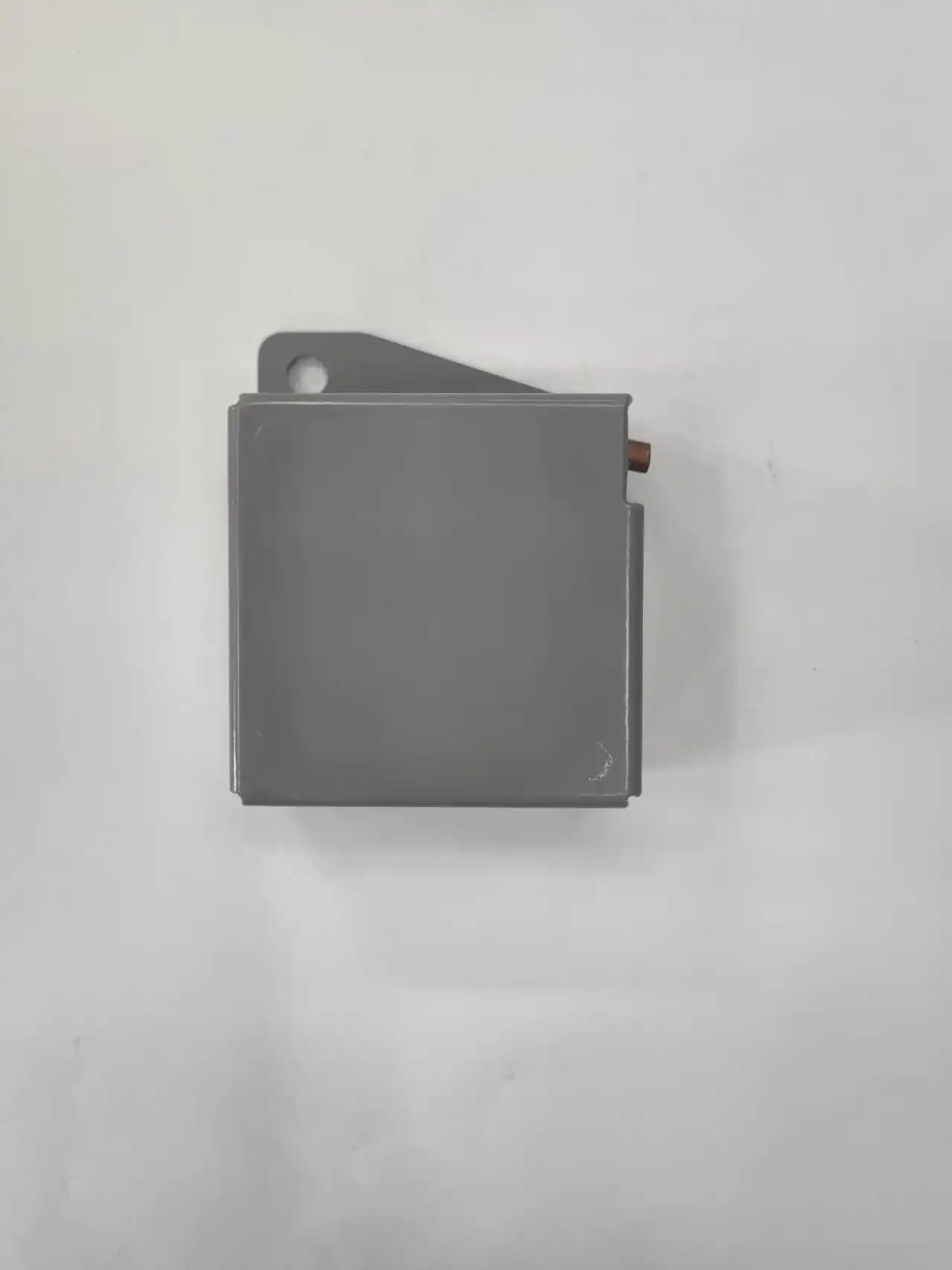
Understanding Pull Cord Box Brackets and Their Quality Requirements
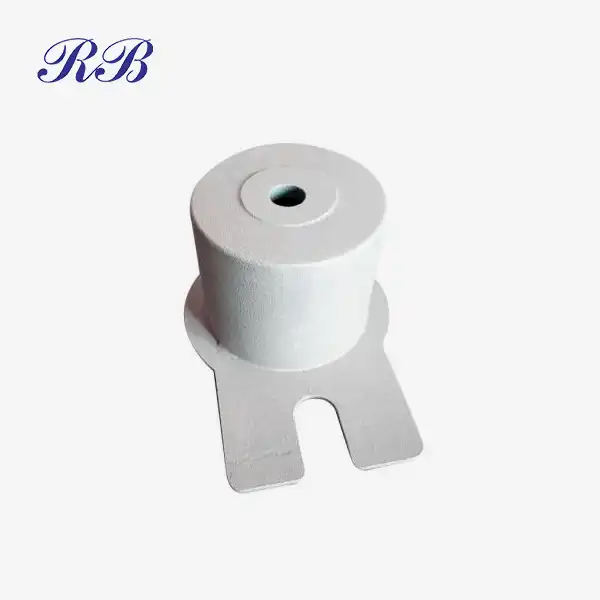
Pull cord box brackets hold emergency stop switch housings to machinery frames, walls, or mounting panels. They do this by acting as structural support. These parts usually have slotted mounting holes that make installation easier, stronger connection points that can handle pull forces, and surface treatments that keep them from rusting in tough conditions. The design has to take into account the specific shape of the parts that go with the alarm system and keep them in place even when they are vibrating or hitting something.
Material Selection and Environmental Resistance
Good brackets are made from materials that are chosen based on where they will be used. Hot-dip galvanizing carbon steel is a cost-effective way to protect against rust and is used for most indoor industrial uses. Grades 304 or 316 stainless steel are needed in places that process food, make medicines, or are near water all the time, like seaside sites. Mobile equipment uses can benefit from aluminum metal choices that help reduce weight. Material selection is one of the most important quality factors because it directly affects how long something lasts and how much maintenance it needs.
Dimensional Accuracy and Tolerances for Manufacturing
How well brackets match during installation and stay in place under working stress depends on how precisely they were made. Defects in the casting process, like holes, shrinking, or uneven surfaces on the surface, make the structure less stable and cause early failure spots. Tight dimensional tolerances (usually ±0.5mm for key mounting dimensions) are kept in high-quality production processes. Inspection procedures are used to make sure that hole spacing, flatness, and edge finish meet specific standards.
Load Capacity and Performance of the Structure
Depending on the length of the cord and how it is activated, emergency stop systems can pull attaching clamps with forces that are more than 500 Newtons. Quality standards say that clamps should be able to handle these forces with little warping and still stay attached securely to mounting surfaces. Protocols for testing simulate repeated activation cycles to check fatigue resistance. This makes sure that over time, brackets don't get stress cracks or mounting holes that get longer.
Core Quality Standards and Certification Criteria for Pull Cord Box Brackets
Following well-known quality control systems gives purchasing teams a way to objectively check that the ways things are made are up to standard. These approvals give you peace of mind beyond the product specs; they prove that the seller can provide reliable parts for multiple production runs of the pull cord box bracket.
ISO 9001:2015 Quality Management Certification
This basic license shows that a company has put in place structured quality control processes that include planning, making, inspecting, and always making things better. Suppliers with ISO 9001:2015 certification have written processes for dealing with nonconformities, doing internal checks, and taking appropriate actions when quality problems happen. This certification eases the worries of purchasing managers about the dependability of suppliers and the consistency of their work.
ISO 14001 Environmental Management Standards
Environmental compliance is becoming more and more important for businesses that are trying to make their supply chains more sustainable. If a company has ISO 14001 approval, it means they take steps to protect the environment by reducing trash, saving energy, and buying materials in a responsible way. This certification helps buyers decide what to buy from companies that have sustainability goals or from customers who need proof of environmental compliance.
ISO 45001 Occupational Health and Safety Management
When suppliers put worker safety first, they usually keep up with better process controls and equipment maintenance, which has a direct effect on the quality of the products they make. The ISO 45001 certification checks that risks in the workplace are managed in a structured way, and that training programs and steps to avoid accidents are in place. This license gives people even more faith that the places where things are made keep the orderliness needed for regular quality work.
Material and Performance Testing Requirements
In addition to management system certifications, quality brackets are tested for their chemical makeup, mechanical features, and the efficiency of their surface treatment. Tensile testing confirms the material's load capacity, salt spray testing proves its rust resistance, and metallurgy analysis proves the material's authenticity. By writing down the results of these tests, quality engineers can compare suppliers' skills in an unbiased way and make sure they meet technical requirements.
Comparing Pull Cord Box Bracket Quality in the Market
A study of the market shows that the quality of pull cord box brackets varies a lot depending on how well they are made and how old the quality system is. The suppliers with the lowest unit prices usually don't test their materials properly, don't offer non-destructive testing, or can't make custom changes. When procurement teams understand these trade-offs, they can better match their cost goals with their long-term dependability needs.
Manufacturing Process Comparison
When it comes to stability of size, brackets made by precision casting are better than those made by fabrication. Gravity casting, low-pressure die casting, and high-pressure die casting all have their own benefits that depend on how complicated the part needs to be and how much of it needs to be made. Low-volume custom designs with complicated shapes work well with gravity casting. Low-pressure die casting makes runs of a medium size with a great finish on the outside. High-pressure die casting lets a lot of things be made with little need for extra milling. Manufacturers that offer more than one casting method show that they are technically flexible, which is useful for custom uses.
Surface Treatment and Finishing Options
Standard zinc coating protects against corrosion in basic ways that are good for controlled indoor settings. When used outside, hot-dip galvanizing makes things last longer. Powder finishing lets you use color coding and makes the item more resistant to damage from the surroundings. The process of electropolishing makes surfaces smooth, which keeps germs from building up in cleanrooms. Instead of only offering one finishing process, good suppliers give customers a choice of surface treatments that can be tailored to the needs of each application.
Customization Capabilities and OEM/ODM Services
Standard catalogue brackets can be used for many things, but custom designs often make installation easier and system integration better. Suppliers who can make their own molds can change mounting patterns, change dimensional parameters, and add features that are specific to an application without having to wait for outsourcing to happen. This skill is very important when redesigning machinery needs to change brackets or when adding alarm device parts to different types of equipment.
Conclusion
If you want to choose pull cord box brackets that meet strict quality standards, you need to know about certification requirements, how materials perform, and how reliable suppliers can be told apart from marginal producers. This choice affects not only the cost of the original parts, but also the total cost of ownership by determining how often to maintain, how often to repair parts, and how much liability you may have if the system fails. Quality brackets made with approved management systems, the right materials, and tested production methods give workplace safety uses the dependability they need. A careful review of the supplier and clear communication of the requirements are the building blocks for long-lasting relationships that support operational excellence and legal compliance.
FAQ
What licenses are required for pull cord box brackets used in workplace safety systems?
ISO 9001:2015 is an important certification for quality management because it shows that production methods and quality control systems are uniform. ISO 14001 certification for environmental management shows that a company uses responsible manufacturing practices, and ISO 45001 certification is for managing safety at work. Third parties can check these certifications to make sure that manufacturers follow systematic approaches to quality, safety at work, and being good to the environment. Material certifications that list the chemicals used and the brackets' mechanical properties give you even more confidence that the brackets meet the requirements.
How often should brackets that are mounted be checked?
How often you have to do inspections depends on how dangerous the working setting is and what the rules say. In general industrial settings, visual checks should be done every three months to look for corrosion, broken fasteners, and other physical damage. Installations outside or in places with a lot of shaking may need to be inspected every month. As part of yearly detailed inspections, emergency stop systems should be tested to make sure they work and mounting torque specifications should be checked. Buildings that have to follow OSHA rules or rules specific to their business should make sure that their inspection plans are in line with the rules that apply.
Can manufacturers make brackets that fit specific pieces of equipment?
Manufacturers with a good reputation who offer OEM/ODM services can make unique bracket designs that meet specific material requirements, fastening patterns, and size requirements. To be able to customize, you need to be able to make molds in-house and have flexible production methods. Suppliers should offer technical help during the creation of specifications, trial models for testing to make sure they work, and paperwork to back up the design verification. Custom braces usually have minimum order numbers and tooling costs that represent the cost of the mold.
Partner with Rongbao Enterprise for Certified Pull Cord Box Bracket Solutions
When the quality of your industrial safety systems can't be compromised, Rongbao Enterprise offers custom-engineered mounting solutions backed by a wide range of certifications and years of manufacturing experience. Our factory in Xi'an, China, has ISO 9001:2015, ISO 14001, and ISO 45001 certifications, which make sure that every part meets quality and safety standards around the world. With the ability to make up to 50,000 pieces per year and 20 years of experience in precision casting, we work with clients around the world in the automotive, construction equipment, and industrial machinery industries.
Our engineering team creates unique frames for alarm device parts and emergency stop systems. We offer full OEM/ODM services, from the initial design phase to mass production for each pull cord box bracket. We use high-pressure die casting, gravity casting, and precise cutting, among other advanced casting methods, to get the exact dimensions and material performance your uses need. Before being safely packed in cartons and wooden boxes for international shipping, each bracket goes through a thorough quality check.
Working directly with a certified manufacturer cuts out the middleman and guarantees quick technical help throughout the buying process. Get in touch with our team at steve.zhou@263.net or zhouyi@rongbaocasting.com to talk about your needs. We help your source qualification process by giving you thorough specs, material certifications, and sample validation. Visit rongbaocasting.com to learn more about all of our services and how our full-chain manufacturing method gives your safety systems the reliability they need.
References
1. International Organization for Standardization. "ISO 9001:2015 Quality Management Systems - Requirements." Geneva: ISO Standards Development, 2015.
2. National Electrical Manufacturers Association. "Industrial Control and Safety Switch Standards: Design and Performance Specifications." Arlington: NEMA Technical Publications, 2021.
3. American Society for Testing and Materials. "ASTM A653: Standard Specification for Steel Sheet, Zinc-Coated by the Hot-Dip Process." West Conshohocken: ASTM International Materials Standards, 2020.
4. European Committee for Standardization. "EN ISO 13850:2015 Safety of Machinery - Emergency Stop Function - Principles for Design." Brussels: CEN Technical Standards, 2015.
5. Occupational Safety and Health Administration. "Control of Hazardous Energy: Lockout/Tagout Standards and Compliance Guidelines." Washington: U.S. Department of Labor, 2022.
6. Harris, Michael J. "Industrial Safety Hardware: Material Selection and Performance Criteria for Critical Mounting Components." Journal of Manufacturing Safety Engineering, vol. 34, no. 2, 2023, pp. 156-174.
Learn about our latest products and discounts through SMS or email