- English
- French
- German
- Portuguese
- Spanish
- Russian
- Japanese
- Korean
- Arabic
- Greek
- German
- Turkish
- Italian
- Danish
- Romanian
- Indonesian
- Czech
- Afrikaans
- Swedish
- Polish
- Basque
- Catalan
- Esperanto
- Hindi
- Lao
- Albanian
- Amharic
- Armenian
- Azerbaijani
- Belarusian
- Bengali
- Bosnian
- Bulgarian
- Cebuano
- Chichewa
- Corsican
- Croatian
- Dutch
- Estonian
- Filipino
- Finnish
- Frisian
- Galician
- Georgian
- Gujarati
- Haitian
- Hausa
- Hawaiian
- Hebrew
- Hmong
- Hungarian
- Icelandic
- Igbo
- Javanese
- Kannada
- Kazakh
- Khmer
- Kurdish
- Kyrgyz
- Latin
- Latvian
- Lithuanian
- Luxembou..
- Macedonian
- Malagasy
- Malay
- Malayalam
- Maltese
- Maori
- Marathi
- Mongolian
- Burmese
- Nepali
- Norwegian
- Pashto
- Persian
- Punjabi
- Serbian
- Sesotho
- Sinhala
- Slovak
- Slovenian
- Somali
- Samoan
- Scots Gaelic
- Shona
- Sindhi
- Sundanese
- Swahili
- Tajik
- Tamil
- Telugu
- Thai
- Ukrainian
- Urdu
- Uzbek
- Vietnamese
- Welsh
- Xhosa
- Yiddish
- Yoruba
- Zulu
What is a pull box used for in fire alarm systems?
Fire alarm systems rely on a network of critical components to ensure early detection and response during fire emergencies. Among these, pull boxes play a vital role as manual activation points, bridging human interaction with automated safety measures. This guide is tailored for procurement managers, engineers, distributors, and OEM clients involved in selecting fire alarm components, providing a clear understanding of pull boxes' importance, functionality, and procurement considerations to optimize system reliability and compliance.
A pull box in fire alarm systems serves as a manually activated emergency device that allows building occupants to initiate alarm sequences during fire incidents. These protective enclosures house electrical connections and wiring junctions within the fire detection network, enabling quick alarm activation while protecting sensitive components from environmental factors. Typically mounted at strategic exit points, these devices ensure immediate access during emergencies, functioning as both connection management tools and manual trigger mechanisms that complement automated detection sensors in comprehensive fire safety infrastructure.
Understanding the Role of Pull Boxes in Fire Alarm Systems
In modern fire detection networks, pull boxes do two things. These enclosures protect important wiring junctions and connection points throughout the system infrastructure, in addition to their obvious role as manual alarm stations. People can use these devices to bridge the gap between automated sensors and human intervention in commercial buildings, factories, and institutions.
Strategic Placement in Safety Infrastructure
Installation locations follow strict guidelines established by fire safety codes. These devices are usually placed 42 to 48 inches above finished floor levels in building hallways, stairwell entrances and exit paths. This standardized location ensures ease while keeping visibility during emergency scenarios. In industrial settings, extra units are often needed near areas where dangerous materials are stored, machinery areas, and process control rooms where alarms need to be set off quickly.
Operational Function Beyond Manual Activation
These enclosures make it easier to organise the cables in alarm systems, which makes installation and upkeep easier. The junction points inside these protective boxes let techs divide alarm zones, make debugging easier, and update systems without affecting whole networks. The fact that these enclosures keep circuit paths separate stops crosstalk interference and keeps signals strong across long building infrastructures.
Compliance Requirements for B2B Procurement
Regulatory systems for fire safety tools require these parts to meet certain performance standards. The National Fire Protection Association (NFPA) 72 code sets the rules for how things should work, and the Underwriters Laboratories (UL) 38 certification makes sure that the gadget works as expected under standard testing circumstances. For European markets, international projects may need to be compliant with EN 54-11. To make sure they are following the law and their insurance covers them, procurement professionals must check that the certification paperwork matches the requirements of the project's jurisdiction.
Key Components and Types of Pull Boxes
Pull boxes' long-term dependability and environmental fit are directly affected by the manufacturing specs. Choosing the right materials, building them in the right way, and giving them the right protection grades all affect how long devices last and how well they handle working stresses.
Construction Materials and Durability Factors
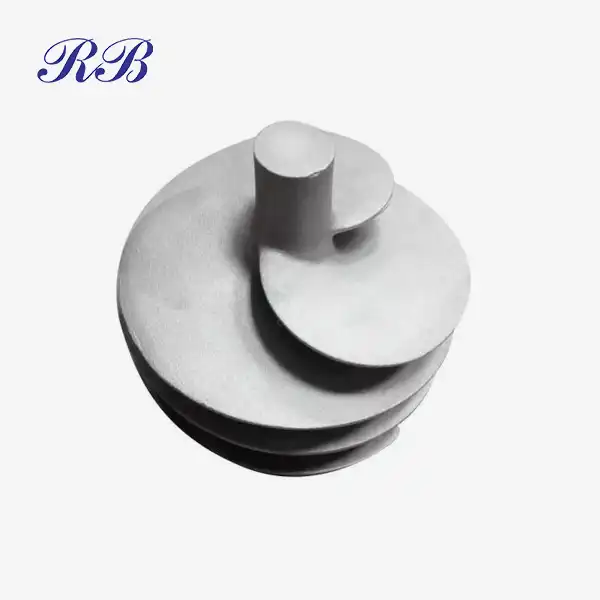
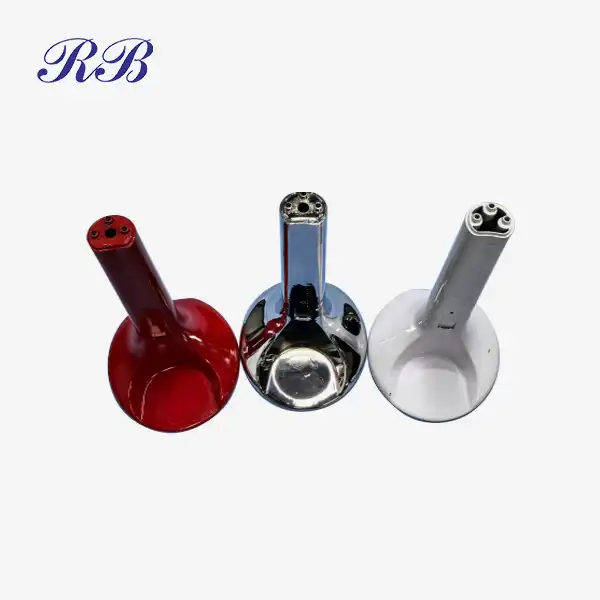
High-grade aluminium metals and stainless steel versions are used most often in industry because they don't rust and keep their shape. These materials keep their shape even when the temperature changes, and they also protect sensitive electronics from electric fields. Die-casting is a common way to build things, especially in places like Xi'an, China, that are known for industry. It produces accurate tolerances and uniform wall thickness, which protect against pressure and impact. Surface treatments like powder coating and anodising make things last longer in tough chemical settings or near the coast.
Device Categories and Application Suitability
Standard addressable versions work with modern fire alarm control panels and send data specific to the location when the alarm goes off. Conventional models work well for smaller sites where identifying zones is enough for emergency action plans. Explosion-proof variants engineered for Class I hazardous locations incorporate flame path technology and pressurized enclosures that prevent ignition source propagation. Outdoor models that can withstand bad weather have sealed gasket systems and UV-stabilized housings for installations around the outside.
International Standards and Certification Requirements
For North American markets, UL certification is still the standard. It makes sure that gadgets meet strict safety and efficiency standards by testing them independently. European EN standards cover things like electromagnetic compatibility and resistance to stress in the environment. ISO 9001:2015 certification shows that a manufacturer's quality management systems keep production standards consistent. ISO 14001 and ISO 45001 compliance shows that a manufacturer cares about the environment and workers' health, which are becoming more and more important for companies that want to be more environmentally friendly.
How Pull Boxes Enhance Fire Alarm System Reliability and Maintenance
In addition to their main emergency function, these enclosures make system uptime and maintenance much more efficient. The total cost of ownership goes down when you choose the right components because they last longer and are easier to service. Matching the right pull boxes to your system architecture ensures long-term operational integrity.
Wiring Management and Installation Efficiency
Organised conductor wiring inside junction boxes cuts down on installation mistakes that hurt the reliability of the system. With labelled link points and terminal blocks, different workers can work on different parts of the system without getting lost. Pre-punched conduit openings that are the right size for standard raceway fittings speed up the rough-in process and lower the cost of labour during the early stages of building. This methodical approach cuts down on the time it takes to commission and makes it easier for facility management teams to keep records.
Routine Inspection and Testing Accessibility
When connection points are easy to get to and clearly marked, it's easy to follow the monthly and quarterly testing schedules needed by fire codes. Service technicians can check that the circuit is still connected, measure the voltage, and replace parts without affecting other parts of the system that are nearby. Hinged covers with tamper-resistant fasteners strike a balance between security and ease of upkeep. Some models have clear viewing windows that let you check visually without opening the cases.
System Upgrade and Expansion Flexibility
Buildings undergoing renovations or expansions benefit from modular junction designs that accommodate additional circuits without replacing existing infrastructure. Extra conduit entrances and containers that are too big allow for future zone additions. This forward-thinking approach protects capital investments and minimises disruptions during facility modifications. This is especially helpful in manufacturing settings where lost production time costs a lot of money.
Selecting the Right Pull Box for Your Fire Alarm System: Procurement Considerations
When matching gadget specs to project needs, it's important to think carefully about the surroundings, the budget, and the supplier's abilities. A structured selection method for a pull box cuts down on danger while increasing worth.
Environmental Challenge Assessment
Material needs and safety scores are based on the temperature ranges, humidity levels, and chemical exposure. Marine-grade corrosion resistance is needed for sites near the coast, and UV-stable housings that can handle extreme temperatures are needed for outdoor installs. Heavy machinery areas benefit from models that are stronger and can handle mechanical stress and shaking. Keeping track of these environmental factors makes sure that the specifications match up with the real-world conditions.
Cost Structure Analysis and Total Ownership Value
The initial buying price is only one part of the total costs over the product's lifetime. Total cost is affected by the cost of tools for custom configurations, the impact of lead times on project schedules, and the need for long-term maintenance. Suppliers offering annual production capacities exceeding 50,000 pieces demonstrate scalability for multi-site deployments, while OEM customization capabilities allow specification optimization that reduces unnecessary features and associated costs. Damage rates during foreign shipping are affected by the quality of the packaging used for transportation. For example, wooden crates are an important way to protect ocean freight going to North American markets.
Supplier Evaluation and Partnership Potential
Vendor assessment extends beyond product specifications to manufacturing capabilities and quality systems. Companies that have ISO 9001:2015, ISO 14001, and ISO 45001 certifications show that they care about quality, the environment, and worker safety. Twenty years of experience in the field means stability and process understanding that younger producers don't have. If you've exported to markets in Europe, the United States, and Japan, it means you know how to meet different regulatory standards and customer demands. Suppliers that offer design-to-delivery services, such as mould development and surface finishing, make purchasing easier by combining ties with multiple vendors.
A global Tier-1 automotive supplier recently streamlined their source for fire safety parts by working with a single company that can make junction enclosures for robotic welding cells to their exact specifications. The chosen supplier's full-chain skills, including die-casting, precision machining, and powder coating, cut wait times by 30% and saved more than 18% on costs compared to using multiple vendors. This integration made project planning better and got rid of problems with how the different sellers of parts talked to each other.
Conclusion
Pull boxes are more than just junction boxes in fire warning systems; they are essential parts of the system that allow for both manual emergency reaction and well-organised architecture. When choosing these parts, procurement workers have to weigh the needs of the current project against the need for long-term dependability. They also have to think about environmental issues, legal compliance, and the supplier's abilities. The move toward smart, connected devices promises better maintenance and monitoring, and modular designs meet the growing need for safety infrastructure that can be changed as needed. When choosing a supplier for a component, it's important to look closely at their manufacturing quality systems, their ability to make changes, and their willingness to form partnerships that go beyond business relationships. Companies that put these things at the top of their list of priorities will have fire safety infrastructure that protects people and property and provides measurable value over long service lifecycles.
FAQ
1. What environments require specialized pull box designs?
Article 500 of the NEC says that places that are dangerous must have explosion-proof shelters that are designed to hold internal fire sources. For outdoor applications, the housings must be at least NEMA 4X or IP66 approved to protect against rain, snow, and temperature changes. Chemical processing plants need to be built out of stainless steel that doesn't rust, and areas with a lot of vibration-causing machinery need stronger mounting and shock-absorbing gasket systems. General-purpose enclosures that meet basic NEMA 1 standards are used for most indoor applications. The selection of a specific pull box depends entirely on these environmental classifications.
2. How frequently should these devices undergo maintenance inspection?
NFPA 72 requires at least three visual checks and one working test per year. Industrial buildings that get a lot of traffic may need to be checked every month to make sure they are physically sound and that the connections are safe. Installations near the coast should have rust checks every six months, and places where temperatures change a lot should have thermal expansion checks. All maintenance tasks must still be recorded for insurance purposes and to make sure they are done correctly.
3. Can these components integrate with modern addressable fire alarm panels?
Modern devices have addressable transmission methods that work with the most popular control panel brands. Backward compatibility modules let you connect to traditional systems that are already in place during phased upgrade projects. When set up correctly, each device sends unique identification data, which makes it possible to tell an emergency's position accurately. To make sure that everything works together smoothly, procurement teams should check that the suggested devices and panel systems are compatible with each other's protocols while the specifications are still being made.
Partner with Rongbao Enterprise for Premium Fire Alarm Components
Rongbao Enterprise has been making precision-engineered parts for alarm devices that meet the strict requirements of fire safety applications for 20 years. Our ISO 9001:2015, ISO 14001, and ISO 45001 approved factories in Xi'an, China, use cutting edge die-casting technology and thorough quality control systems to make sure that all 50,000 pieces that are made each year work the same way. We know that procurement managers need pull box providers they can count on to deliver on time, keep tight tolerances, and offer quick technical help throughout the lifecycle of a product.
We can do everything from custom mould development to precision casting, CNC machining, and protective surface treatments. This means that we don't have to deal with the coordination problems that come with buying from multiple vendors. Our engineering team works together to make sure that designs are the best they can be for cost and ease of production, no matter if your project needs standard configurations or fully customised specifications. Products are shipped in sturdy wooden boxes that keep them safe on their way to foreign places in North America, Europe, and the Asia-Pacific region.
Get in touch with our expert sales team to talk about your fire alarm system needs. Steve Zhou can be reached at steve.zhou@263.net and zhouyi@rongbaocasting.com. He offers full quotes and engineering help for jobs of all sizes. Feel the difference at Rongbao, where precise production meets dependable partnering for important safety infrastructure parts.
References
1. National Fire Protection Association. NFPA 72: National Fire Alarm and Signaling Code, 2022 Edition. Quincy, MA: NFPA, 2021.
2. Underwriters Laboratories. UL 38: Standard for Manually Actuated Signaling Boxes for Use with Fire Protective Signaling Systems. Northbrook, IL: UL LLC, 2020.
3. European Committee for Standardization. EN 54-11: Fire Detection and Fire Alarm Systems—Manual Call Points. Brussels: CEN, 2018.
4. Meacham, Brian J., and Robert Garlock. Fire Safety Challenges of Green Buildings. Boston: Society of Fire Protection Engineers, 2019.
5. Moore, Wayne D. The Fire Alarm Planning Guide: Considerations for Design, Installation, and Maintenance. Quincy, MA: National Fire Protection Association, 2017.
6. Jensen, Gregory. Building Electrical Systems and Distribution Networks: Design and Applications. Hoboken, NJ: Wiley Engineering Press, 2020.
_1751074553490.webp)
Learn about our latest products and discounts through SMS or email