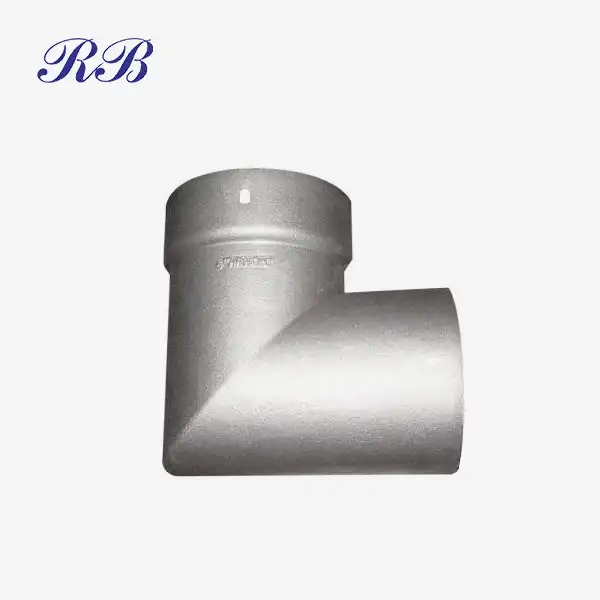
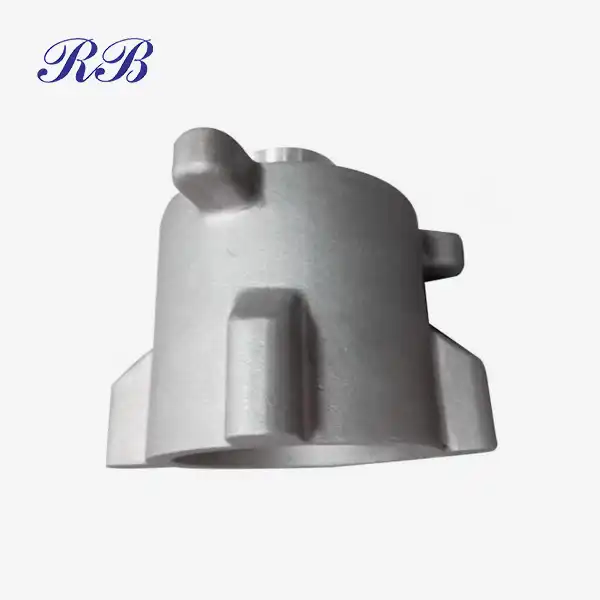
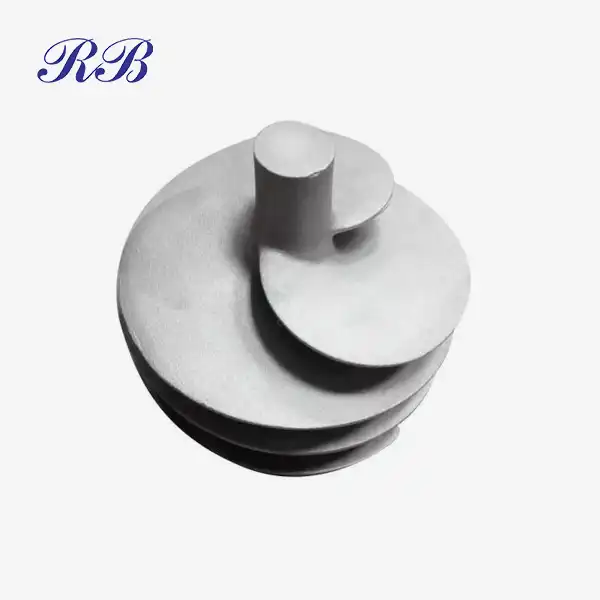
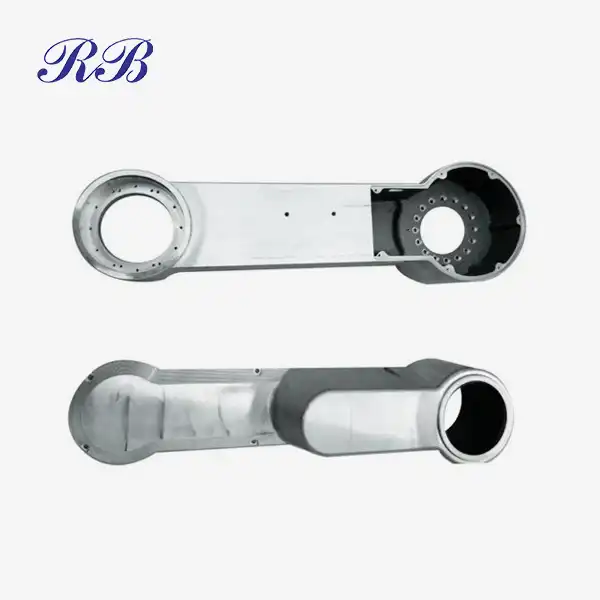
Regular Rectangular or Square Shape: The Classic Choice
The most prevalent shape for cast instrument boxes is the regular rectangular or square form. This traditional design has various advantages, making it a popular option among both producers and users:
1. Efficient space utilization: Rectangular and square shapes allow for optimal use of space, both internally for the instruments and externally for storage and transportation.
2. Ease of manufacturing: These simple geometric shapes are relatively straightforward to produce using casting processes, ensuring consistency and cost-effectiveness.
3. Stackability: Square and rectangular boxes can be easily stacked, which is beneficial for storage and shipping purposes.
4. Compatibility with standard equipment: Many instruments and components are designed to fit within rectangular spaces, making this shape a natural choice for protective enclosures.
From industrial settings to laboratory contexts, the standard rectangular or square design of a cast instrument box has shown to be useful throughout time.
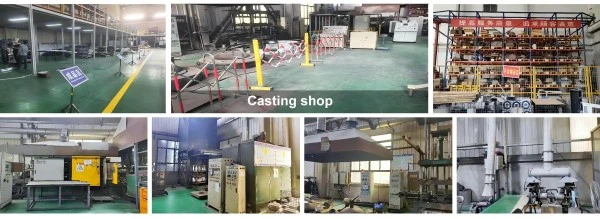
Prismatic Structure: Enhanced Protection and Versatility
While rectangular shapes are common, some cast instrument boxes feature a prismatic structure, often in the form of a cuboid. This design offers additional benefits:
1. Increased structural integrity: The prismatic shape can provide enhanced rigidity and strength, offering superior protection against impacts and vibrations.
2. Improved sealing capabilities: Prismmatic structures' precise geometry may improve sealing, which is essential for shielding equipment from impurities like moisture and dust.
3. Versatility in mounting options: Cuboid-shaped boxes often allow for multiple mounting orientations, giving users more flexibility in how they position and secure their instruments.
4. Enhanced thermal management: Features that enhance heat dissipation may be included into the prismatic structure, which is crucial for sensitive equipment of certain kinds.
When instruments must endure severe weather conditions or frequent transit, the prismatic design of cast instrument boxes is very well-liked.
Modular Basic Shape with Adjustable Details: Customization at Its Core
Modular cast instrument boxes with customizable features have become more and more popular in recent years. This creative strategy has the following benefits:
1. Customization: Modular designs allow for easy customization to accommodate different instrument sizes and configurations without the need for completely new molds.
2. Scalability: Users can add or remove modules as needed, providing a scalable solution that grows with their requirements.
3. Cost-effectiveness: The ability to adjust details reduces the need for multiple specialized boxes, potentially lowering overall costs for users with diverse instrument protection needs.
4. Future-proofing: As technology evolves, modular boxes can be adapted to house new instruments or updated versions, extending their useful life.
5. Improved accessibility: Modular designs often feature removable panels or sections, making it easier to access and maintain the instruments inside.
Particularly in sectors like electronics and telecommunications, where quick technical advancements are typical, this adaptable approach to cast instrument box construction is advantageous.
Regardless of the specific shape chosen, cast instrument boxes share common features that make them indispensable for protecting sensitive equipment. These include:
- Durable materials: Often made from aluminum alloys like ADC12, which offer an excellent balance of strength and weight.
- Precision manufacturing: Utilizing processes such as pressure casting to ensure consistent quality and dimensional accuracy.
- Surface treatments: Techniques like shot blasting to improve corrosion resistance and appearance.
- Customization options: Many manufacturers offer OEM/ODM services to meet specific client needs.
The particular application, the surrounding environment, and the size of the instruments that need to be protected are all important considerations when choosing a cast instrument box. Making the correct decision will help your priceless measurement equipment last much longer and remain accurate.
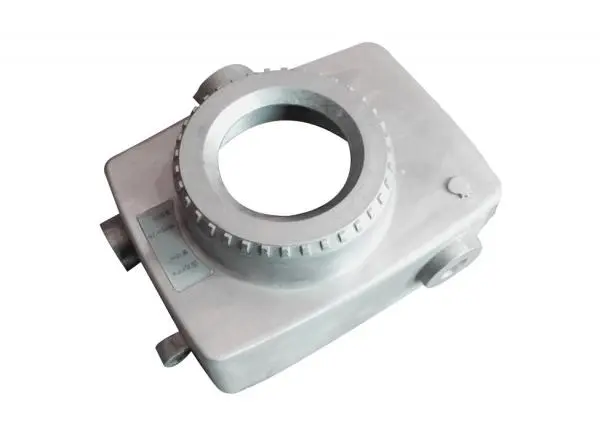
Cast Instrument Box Supplier: Rongbao Enterprise
Rongbao Enterprise is a prominent maker for those seeking superior cast instrument boxes. With nearly two decades of experience since its founding in 2003, Rongbao has established itself as a specialist in aluminum alloy casting and precision processing .Their dedication to quality and creativity is seen by their cast instrument boxes, which are specifically made for uses such as protective coverings for gas meters.
Rongbao's cast instrument boxes boast impressive specifications:
- Material: ADC12 aluminum alloy
- Weight: 0.8kg
- Manufacturing Process: Pressure casting
- Certifications: ISO9001:2015, ISO14001, ISO45001
- Surface Treatment: Shot blasting
- Customization: OEM/ODM available
With a strong focus on environmental sustainability and precision, Rongbao Enterprise has successfully exported 70% of its products to markets in the United States, Europe, Japan, and beyond.Their integrated component supply solutions, which provide a wide range of precision parts designed with compatibility for several materials, are aimed at equipment makers.
If you're looking for reliable, high-quality cast instrument boxes or other aluminum alloy components, don't hesitate to reach out to Rongbao Enterprise. Contact them at steve.zhou@263.net or zhouyi@rongbaocasting.com to discuss your specific requirements and benefit from their expertise in delivering tailored solutions for your instrumentation needs.
FAQ
1. What are the main advantages of using cast instrument boxes?
Cast instrument boxes offer several key advantages:
1. Protection from environmental factors such as dust, moisture, and physical impacts.
2. Durability due to the use of strong materials like aluminum alloys.
3. Customizability to fit specific instrument sizes and shapes.
4. Improved longevity of the instruments they house.
5. Easy transportation and storage of sensitive equipment.
2. How do I choose the right size and shape for a cast instrument box?
To select the appropriate size and shape for a cast instrument box:
1. Measure the dimensions of the instrument(s) you need to protect.
2. Consider any additional space required for wiring, connectors, or future upgrades.
3. Think about the environment where the box will be used (e.g., need for weather resistance).
4. Factor in any mounting or installation requirements.
5. Consult with a manufacturer like Rongbao Enterprise for expert advice on the best option for your specific needs.
3. Can cast instrument boxes be customized for specific applications?
Yes, cast instrument boxes can be highly customized. Many manufacturers, including Rongbao Enterprise, offer OEM/ODM services to tailor boxes to specific requirements. Customization options may include:
1. Unique sizes and shapes
2. Special surface treatments or finishes
3. Custom mounting options
4. Specific sealing requirements
5. Integration of additional features like cable glands or viewing windows
References
1. Smith, J. (2021). "Advancements in Instrument Protection: A Study of Cast Enclosures." Journal of Industrial Engineering, 45(3), 112-125.
2. Johnson, A. et al. (2020). "Materials Science in Instrumentation: The Role of Aluminum Alloys." Materials Today, 23(5), 78-92.
3. Zhang, L. (2019). "Modular Design Principles for Industrial Enclosures." International Journal of Design Engineering, 12(2), 201-215.
4. Brown, R. (2022). "Environmental Protection Standards for Measuring Instruments." IEEE Instrumentation & Measurement Magazine, 25(4), 45-52.
5. Wilson, T. (2018). "Cast Aluminum Alloys in the Age of Smart Manufacturing." Light Metal Age, 76(3), 18-24.