- English
- French
- German
- Portuguese
- Spanish
- Russian
- Japanese
- Korean
- Arabic
- Greek
- German
- Turkish
- Italian
- Danish
- Romanian
- Indonesian
- Czech
- Afrikaans
- Swedish
- Polish
- Basque
- Catalan
- Esperanto
- Hindi
- Lao
- Albanian
- Amharic
- Armenian
- Azerbaijani
- Belarusian
- Bengali
- Bosnian
- Bulgarian
- Cebuano
- Chichewa
- Corsican
- Croatian
- Dutch
- Estonian
- Filipino
- Finnish
- Frisian
- Galician
- Georgian
- Gujarati
- Haitian
- Hausa
- Hawaiian
- Hebrew
- Hmong
- Hungarian
- Icelandic
- Igbo
- Javanese
- Kannada
- Kazakh
- Khmer
- Kurdish
- Kyrgyz
- Latin
- Latvian
- Lithuanian
- Luxembou..
- Macedonian
- Malagasy
- Malay
- Malayalam
- Maltese
- Maori
- Marathi
- Mongolian
- Burmese
- Nepali
- Norwegian
- Pashto
- Persian
- Punjabi
- Serbian
- Sesotho
- Sinhala
- Slovak
- Slovenian
- Somali
- Samoan
- Scots Gaelic
- Shona
- Sindhi
- Sundanese
- Swahili
- Tajik
- Tamil
- Telugu
- Thai
- Ukrainian
- Urdu
- Uzbek
- Vietnamese
- Welsh
- Xhosa
- Yiddish
- Yoruba
- Zulu
How do I choose the right pull cord box bracket supplier?
Choosing the right pull cord box bracket supplier involves evaluating manufacturing capabilities, quality certifications, customization flexibility, and delivery reliability. The ideal partner should possess ISO certifications, demonstrate proven expertise in alarm device components, offer design-for-manufacturing (DFM) support, and maintain transparent communication throughout the procurement cycle. A thorough assessment of technical capacity, batch consistency, and responsiveness to quality issues ensures you secure a supplier capable of meeting your precise operational and safety requirements.
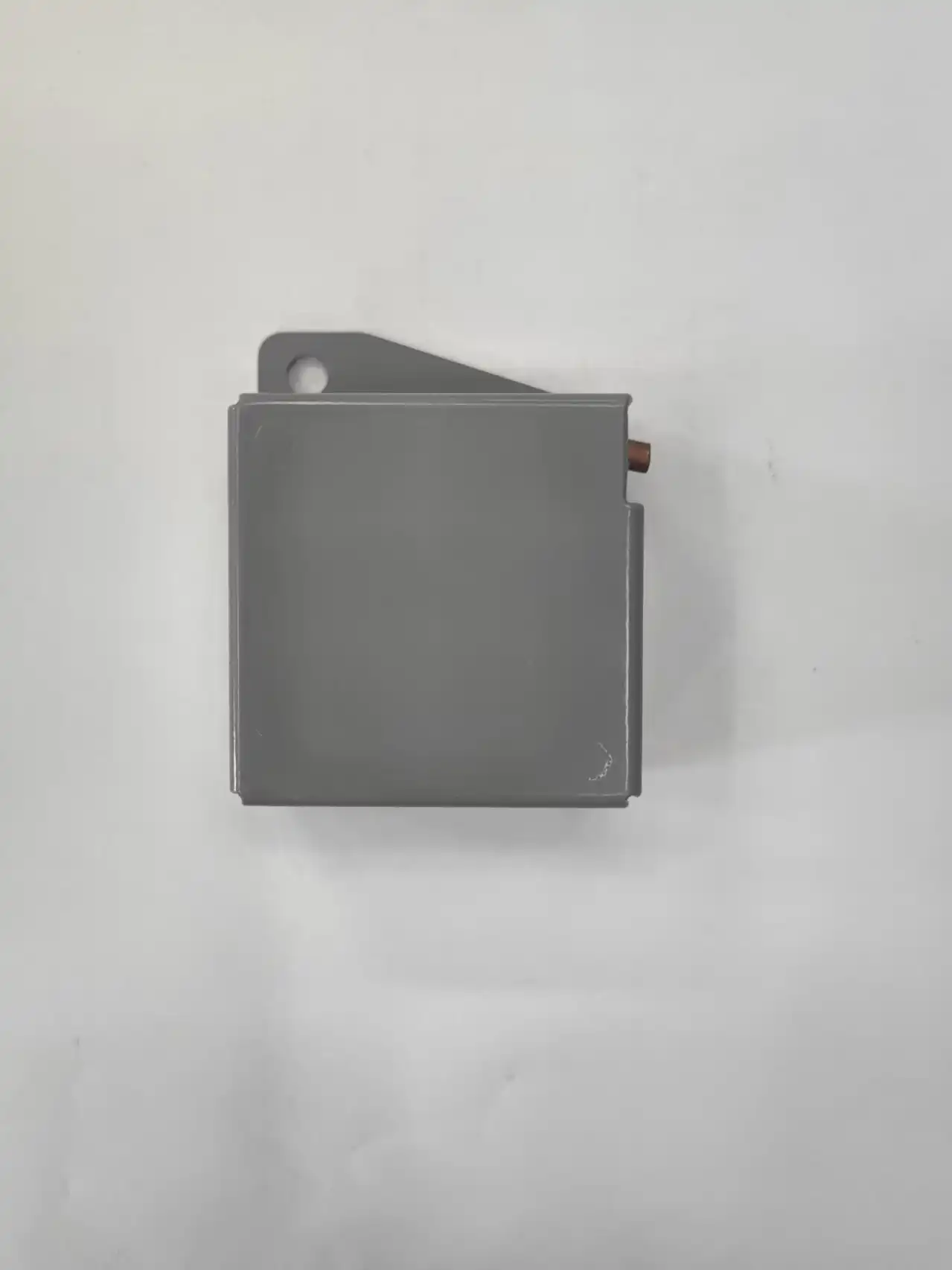
Core Criteria to Evaluate When Choosing a Pull Cord Box Bracket Supplier
To choose a supplier, you need to do a structured evaluation of their performance across a number of different areas. Procurement managers have to find stable supply lines while keeping costs low. Quality engineers want regular batch performance, and technical teams need suppliers who can make complex geometries with tight tolerances.
Manufacturing Capabilities and Process Versatility
How well the supplier can meet your needs depends on how well their manufacturing infrastructure works. Facilities that can do high-pressure die casting, gravity casting, and precise machining can work with a wide range of materials and production volumes. An supplier that uses more than one casting process shows that they are technically flexible and can suggest the best ways to make your Pull cord box bracket based on its function, quantity needs, and budget.
Rongbao Enterprise has complete production lines that include methods for casting, milling, and finishing the surface. We don't have to rely on outside companies whose work we can't directly watch because of this combination. We can keep quality control throughout production. Our factory in Xi'an, China, has standardised workshops with automated equipment that makes sure that the same dimensions are used for all production runs. This is very important when buying replacement brackets that need to perfectly match setups that are already in place.
Certification Portfolio and Quality Systems
In addition to basic ISO9001 certification, you should also check to see if providers have industry-specific certifications that are useful to your business. automobile providers should have IATF16949 certification, which shows they know about the quality standards and tracking methods for the automobile industry. Applications in the engine sector might need extra proof of the material's make-up, how it was heated, or its ability to be tested without damaging it.
Our three-system approach to certification—ISO9001:2015, ISO14001, and ISO45001—makes sure that everyone is responsible for quality, safety, and the environment. We do full-chain quality control, which means that we check everything from the raw materials to the finished product and make inspection reports public. This organised method lowers the number of defects that come in and cuts down on the number of quality engineering resources that your team has to spend on corrective actions from suppliers.
Production Capacity and Scalability
The supplier's annual production capacity shows if they can meet your volume needs without affecting delivery times. When a company says they can handle 50,000 pieces, it means they can handle medium to big orders while still maintaining quality standards. When your product does well and demand rises, scalability is important. Changing providers during production ramp-up adds risk and delays.
We can still make 50,000 custom brackets a year, and our schedule is flexible enough to fit both small test runs and big production orders. Because we've worked with the automotive, construction machinery, and industrial equipment industries before, we know that different industries have different batch size needs and can adapt our production planning to fit your project's schedule.
Global Logistics and Packaging Standards
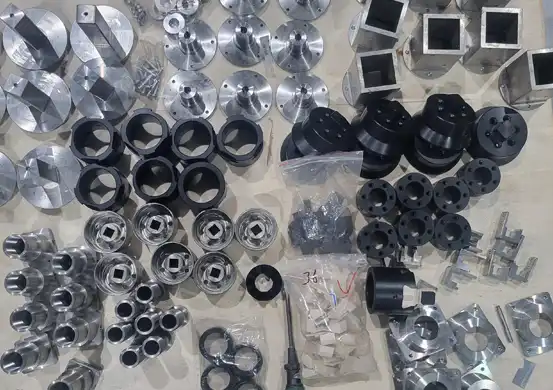
When a product arrives, its condition is directly affected by how it was packed for transport. For shorter shipping lengths and lighter brackets, carton packaging works best. On the other hand, wooden box packaging protects better for foreign shipments, heavy parts, or items that need to be stacked during travel. Make sure you agree on the rules for packaging during the negotiation process to avoid damage claims and delivery delays.
We've improved our foreign logistics to make sure effective delivery since 70% of our production goes to markets in Europe, the United States, and Japan. Our packaging standards find a balance between the need for security and the desire to keep shipping costs as low as possible. We also customise packaging solutions when clients have special handling or storage needs at the destination facilities.
Comparing Pull Cord Box Bracket Suppliers: What Sets the Best Apart
Supplier difference is more than just price; it also includes technical know-how, service quality, and how they work with customers. Leading manufacturers can be told apart from others in a number of ways that make them valuable to procurement teams.
Technical Expertise and Problem-Solving Capability
Excellent suppliers give you technical information that helps you do better. When you give them difficult requirements, like thin wall sections that need special casting methods, tight tolerances that need precise machining, or complex shapes that could lead to porosity flaws, experienced makers will offer solutions instead of turning down the project. This knowledge doesn't come from being an expert in just one area; it comes from working on a lot of different projects and always making the process better.
Our engineering team has worked in casting for 20 years in the automotive, construction, and industrial sectors, so they have seen almost every bracket design challenge there is. We were having trouble with thin-wall casting, but we were able to fix it by improving the design of the fixtures and the process parameters. We also got rid of gaps by making the gating system better. Because we have learned so much, we can often make brackets that other suppliers say aren't possible.
Quality Consistency and Batch Variation Control
Batch-to-batch consistency tells you which Pull cord box bracket suppliers you can trust and which ones you can't. The first model might meet all the requirements, but as more are made, there may be changes in the dimensions, the material's properties, or the finish on the outside. Changes in quality cause problems in your production, raise the cost of incoming inspections, and hurt your reputation for high-quality products.
We keep each batch consistent by writing down detailed instructions, using automated process monitoring, and statistical process control techniques that find patterns of variation before they lead to parts that don't meet standards. Our quality system needs process validation for new production setups and revalidation on a regular basis to make sure the system stays functional. Our strict approach has helped us build long-term relationships with clients whose high standards for quality mean they can't stand disruptions caused by suppliers.
Responsiveness and Communication Effectiveness
Responding quickly to quote requests, order questions, and quality issues is very important when working with suppliers. Long answer times make the buying process take longer, unclear communication leads to mistakes about specifications, and taking too long to fix quality problems in production makes them last longer.
Our promise to communicate clearly and on time shows that we know that your internal stakeholders expect buying to be efficient. Within 24 hours, detailed answers are sent to technical questions, quotes are sent within two business days, and quality concerns are looked into right away, with containment actions and root cause analysis. This response comes from seeing ties with suppliers as partnerships instead of just transactions.
Practical Steps to Finalize Your Supplier Selection
Moving from evaluating suppliers to formalising a partnership requires careful confirmation and contract structuring that protects your interests while allowing you to work together effectively.
Supplier Audit and Capability Verification
Virtual or on-site checks show if the skills claimed match the ones actually available. Visit production sites, watch how quality control is done, look at testing equipment, and talk to expert staff. This first-hand account gives confidence that the supplier has the right infrastructure and expertise. Pay close attention to how the workplace is organised, how well the employees are trained, and how often the equipment is serviced. These things are better at predicting long-term dependability than marketing materials.
Sample Testing and Performance Validation
Ask for Pull cord box bracket models that will work in the way you plan to use them. Before placing a large order, problems can be found through mechanical testing, environmental exposure, and installation trials. Include your technical and quality teams in the review of samples to get feedback from people in different functional areas. Write down the results of the tests that set the baseline performance standards for production orders.
Contract Negotiation and Term Clarification
Clear contracts keep disagreements from happening in the future. Include allowable size differences, material certifications, necessary packing, inspection standards, shipping dates, payment terms, guarantee coverage, and ways to make things right. When you share your own ideas, you should protect your intellectual property. Set up rules for how to communicate and how to handle urgent issues. These upfront answers help everyone understand, which makes ongoing deals go more smoothly.
Strategic Partnership Development
The best ties with suppliers go beyond just buying things and turn into long-term agreements. Collaboration gets stronger when there are regular business reviews where success measures, upcoming needs, and chances for continuous growth are talked about. Sharing your product roadmap with suppliers helps them plan their capacity and come up with new ideas that could be used in future projects. This partnership approach gives you a competitive edge by giving you special treatment when capacity is limited and early access to new supplier technologies.
Conclusion
To find the best Pull cord box bracket supplier, you need to weigh their technical skills, quality control systems, output capacity, and potential for a relationship. Give more weight to providers who can show that they have ISO certifications, can do unique manufacturing, have experience in the field, and can communicate effectively. You can protect your procurement investment and build strong long-term relationships by doing thorough evaluations such as capability audits, sample validation, and contract clarification. The provider you pick becomes an extension of your business. They have a direct effect on the quality of the products they deliver, how reliable their service is, and eventually on your ability to compete in tough industrial markets.
Partner with Rongbao Enterprise for Reliable Pull Cord Box Bracket Manufacturing
Rongbao Enterprise has been making parts for alarm systems for twenty years and is very good at precision casting. Our ISO9001:2015, ISO14001, and ISO45001 certifications show that we are dedicated to quality, safety at work, and being good to the environment. We offer full customisation, from the initial design consultation to delivery of the finished product. Our 50,000-piece annual production capacity and years of experience working with global auto, construction, and industrial equipment manufacturers back this up. Our Xi'an plant uses modern die casting, precise machining, and strict quality control to make sure that the parts are the same size and shape every time, which is important for safety-critical applications. Get in touch with our team at steve.zhou@263.net or zhouyi@rongbaocasting.com to talk about your Pull cord box bracket needs with a seasoned provider who knows how to meet the needs of businesses and provides real value through technical partnership.
FAQ
1. What safety certifications should suppliers of Pull cord box bracket have?
Good sellers keep ISO9001:2015 certification to show they follow the rules for a quality management system, ISO14001 certification to show they care about the environment, and ISO45001 certification to show they care about workers' health and safety. For car uses, certificates specific to the industry, like IATF16949, are important. These certificates show organised ways of quality control, tracking materials, and keeping records of the process, all of which are necessary for safety-critical parts.
2. How do I choose between stainless steel and aluminum brackets?
Stainless steel is better at resisting corrosion in wet, marine, or chemically aggressive environments where parts are likely to break down over time. Aluminium has a great strength-to-weight ratio, making it useful for situations where reducing equipment mass or moving it around a lot is important. When choosing materials, you should think about the environment, the mechanical load requirements, and your budget. Suppliers with a lot of experience can help you find the best material specs for your needs.
3. Can suppliers customize pull cord box brackets for unique applications?
Leading manufacturers offer full customisation, which includes changing the sizes, choosing the right materials, creating custom mounting arrangements, and adding features that match their own equipment designs. To justify investing in mould development for custom tools, you have to commit to buying a lot of them. On the other hand, the MOQ for making changes to the dimensions of current designs is smaller. During the initial meetings, talk about your specific needs to find out if they are possible, how long it will take, and how much it will cost.
References
1. National Electrical Manufacturers Association. (2021). Industrial Control and Safety Systems: Standards and Best Practices. NEMA Publications.
2. American Society for Quality. (2020). Quality Management Systems: Implementation Strategies for ISO9001 in Manufacturing. ASQ Quality Press.
3. Industrial Safety Equipment Association. (2022). Emergency Stop Systems: Design, Installation, and Maintenance Guidelines. ISEA Technical Standards Committee.
4. Metal Casting Industry Research Institute. (2023). Advanced Casting Processes for Precision Industrial Components. MCIRI Technical Reports.
5. International Organization for Standardization. (2022). Environmental Management Systems: A Practical Guide for Manufacturing Operations. ISO Publications.
6. Society of Manufacturing Engineers. (2021). Design for Manufacturing: Best Practices in Component Engineering and Supplier Collaboration. SME Technical Publications.
Learn about our latest products and discounts through SMS or email