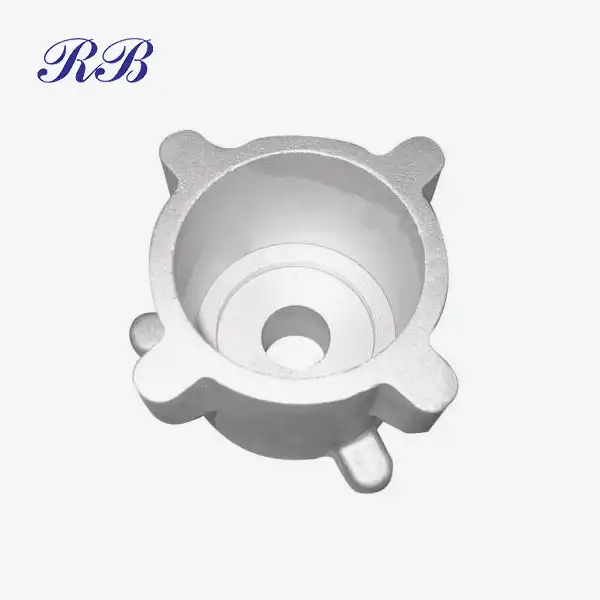
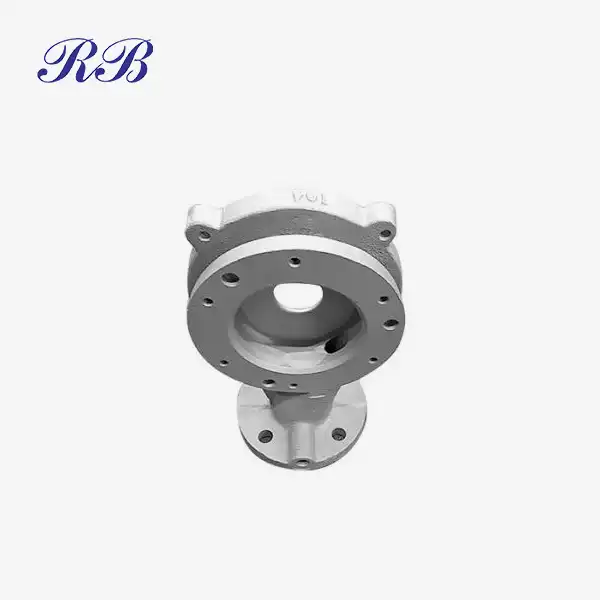
It's important to know how the different parts of a metal affect how well it casts when choosing it for a job .As an engineer, you need to know how the substance melts, how flowing it is, how much it shrinks, and how well it attaches to clay shells. Each family of metals has its own pros and cons that affect both the casting process and the performance of the end part.
Material choice is typically performance-driven based on the application design requirements, though the most common investment casting alloys include stainless steel and aluminum. It has been possible to successfully cast more than 75 different ferrous and non-ferrous metals because of this push for efficiency. Each of these metals is best for certain tasks because of its own unique properties.
The lost wax casting method, which is another name for precision casting, can handle a huge range of part sizes and levels of complexity. In industrial use, the size limits are 3 g (0.1 oz) to several hundred kilograms. The cross-sectional limits are 0.6 mm (0.024 in) to 75 mm (3.0 in). An amazing range of sizes can be cast, and the parts are very accurate and smooth. This has made investment casting the best way for many businesses to make important parts.
Aluminum Alloys
One of the most common materials used in investment casting is aluminum alloys. This is especially true when weight reduction and resistance to rust are important. Aluminum is very strong for its weight, which makes it essential in aerospace and automotive uses where every gram counts. Modern aluminum alloys used in investment casting include the 356, A356, and 319 series, each optimized for specific performance requirements.
Foundry engineers face both possibilities and challenges because of the way aluminum casts. Aluminum's relatively low melting point, around 660°C for pure aluminum, facilitates easier processing and reduces energy consumption compared to ferrous metals. However, aluminum's high thermal conductivity requires careful attention to gating and runner design to prevent premature solidification and ensure complete mold filling.
Investment casting of aluminum makes it possible to create parts with complex shapes more quickly. It's also easier to use different kinds of metals with this method. It's also possible to treat aluminum parts after they've been cast in different ways, such as by heat treating, anodizing, or coating them, to make them better for certain service circumstances.
Additionally, aluminum alloys are very easy to machine, which makes them perfect for parts that need precise secondary processes. Because the material is flexible, it can be shaped into complicated forms without losing its strength. It also doesn't rust because it has a natural oxide layer on it. Because of these qualities, aluminum investment castings are very useful in naval settings, as chemical processing equipment, and for handling food.
Turbine blades, structural frames, and housing parts are just a few of the important parts that are now made from aluminum investment casting. This method lets you make thin-walled parts that you wouldn't be able to or wouldn't be able to afford to make any other way. More advanced aluminum alloys with lithium or scandium added have pushed the limits of performance even further, making the materials stronger while still being light.
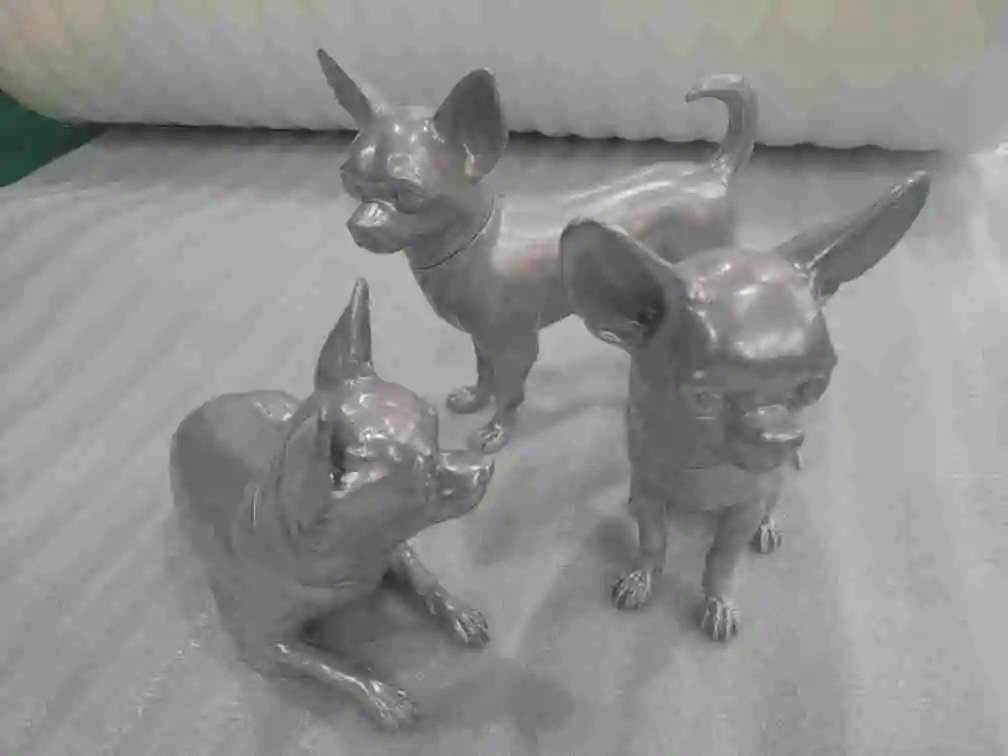
Copper & Copper Alloys
Copper investment casting opens doors to applications requiring superior thermal and electrical conductivity combined with excellent corrosion resistance. This metal is very famous because of its physical properties, especially how easily it can be bent, how well it conducts electricity, and how well it doesn't rust. Pure copper and its many metals, like bronze, brass, and other unique mixes, are used in many industrial settings to make things like engine parts and boat tools.
Copper-based alloys are known for their exceptional mechanical and physical properties. These include: Corrosion Resistance: They perform well in harsh environments, resisting rust and degradation. Thermal and Electrical Conductivity: Copper alloys often surpass other metals in conducting heat. Copper investment casting is used to make electrical switchgear, heat exchangers, and precision instruments because it has these qualities.
The diversity within the copper alloy family allows engineers to fine-tune material properties for specific applications. Most copper-base casting alloys containing tin, lead or zinc have only moderate tensile and yield strengths, low to medium hardness, and high elongation. When higher tensile or yield strength is required, the aluminum bronzes, manganese bronzes, silicon brasses, silicon bronzes and some nickel alloys provide enhanced mechanical properties while retaining copper's inherent advantages.
Bronze alloys, particularly those containing tin and aluminum, excel in bearing applications where low friction and wear resistance are paramount. The investment casting process enables the production of complex bearing geometries with integral oil grooves and precise dimensional tolerances that would be challenging to achieve through conventional manufacturing methods. It's very important that tools, working gear, and systems that move ships have these parts.
Copper alloys are made in a certain way, which makes this process very useful in many fields, such as technology, cars, and planes. Some of these qualities are high strength, resistance to corrosion, and good heat conduction. Copper is useful in the electronics business because it works well with electricity. Parts made of investment cast copper are used for high currents, RF shielding, and heat cooling systems.
Other casting methods conducive to copper alloys include centrifugal, continuous, permanent mold, investment and diecasting. The choice of alloy and casting method determines the mechanical and physical properties, section size, wall thickness and surface finish that can be achieved. Investment casting is best for precise applications because it gives better surface finish and dimensional accuracy than many other ways.
Casting bronze and copper metal has been important for a very long time, and it is still becoming more useful today. People and businesses use this tech to make guns, cars, homes, power tools, and even stuff for space travel. These days, medical gadgets, high-tech electronics, and systems that use green energy are all made with copper investment casting.
Stainless Steel
Stainless steel investment casting represents the pinnacle of precision casting technology, combining exceptional corrosion resistance with superior mechanical properties. Stainless steel investment casting, which is also called precise casting or lost wax casting, is a way to make metal parts that are complicated and come in many shapes and sizes. Almost every kind of stainless steel can be used with this method, from austenitic to martensitic to precipitation-hardening.
The chromium in stainless steel makes it resistant to rust, but it also makes the casting process more difficult. Higher melting temperatures, typically ranging from 1400°C to 1500°C depending on the specific grade, require specialized furnace equipment and refractory materials. However, these challenges are offset by the exceptional properties achieved in the final castings.
Austenitic stainless steels, including the popular 316 and 304 grades, dominate investment casting applications due to their excellent combination of strength, ductility, and corrosion resistance. These materials keep their properties even at very low and very high temperatures. This makes them perfect for parts that will be used in both situations. Austenitic grades are useful in electronics and medicine because they are not magnetic.
Precipitation-hardening stainless steels like 17-4 PH and 15-5 PH offer unique advantages in investment casting applications. These materials can be cast in a relatively soft condition, machined to final dimensions, and then heat-treated to achieve high strength levels. This method makes it possible to make complicated shapes that would be hard to work with when the metal is hardened, while still getting better mechanical qualities.
The medical device business uses stainless steel investment casting to make parts for surgical instruments, orthopedic implants, and diagnostic equipment. Some types of stainless steel are biocompatible, and investment casting makes it possible to make very precise parts that are used in life-critical situations and need to be very reliable and work well.
Marine and chemical processing applications benefit significantly from stainless steel investment castings. Components exposed to seawater, acids, and other corrosive environments rely on the material's inherent corrosion resistance. The investment casting process enables the production of complex pump components, valve bodies, and piping fittings that would be extremely expensive to manufacture through conventional machining methods.
Investment casting is capable of casting cast those metals along with ferrous metals, including stainless steel. This capability extends to specialized stainless steel grades including duplex and super duplex variants that offer enhanced strength and corrosion resistance for the most demanding applications.

Conclusion
There are more metals that can be used for investment casting because new materials and ways to handle them are being made all the time. You can make things that can be used in a lot of different fields with investment casting. Aluminum alloys that are lighter and use less gas, copper alloys that power our electrical grid, and stainless steels that keep important parts safe in harsh conditions can all be made from it.
To choose the right metal for investment casting, you need to know how the material's qualities, the way it will be processed, and the needs of the finished part all work together. When choosing the best materials, engineers have to think about not only how the product will work right away, but also how it will be used in the future, how much it will cost, and how much maintenance it will need.
The next big thing in investment casting materials is probably going to be advanced alloys made just for additive manufacturing of wax patterns, better ceramic shell materials for a smoother surface, and unique alloys for new technologies like space exploration and renewable energy.
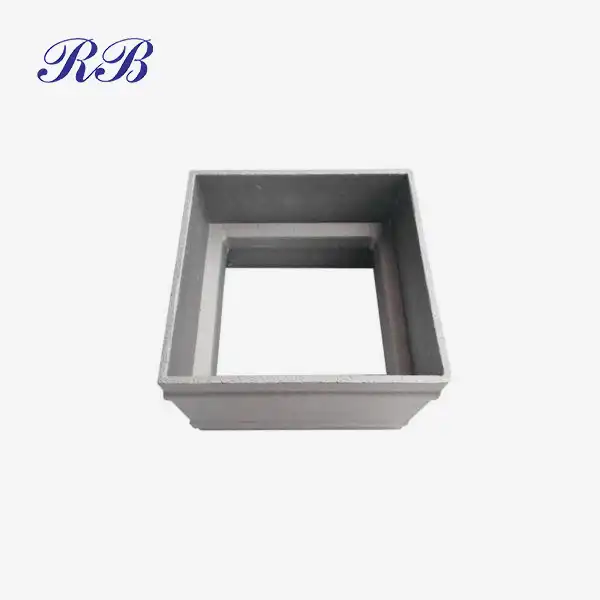
At Rongbao Enterprise, we specialize in providing comprehensive copper investment casting solutions tailored to diverse industrial applications. Our H62 copper casting products for kitchen use demonstrate our commitment to quality, featuring precision CNC machining, professional shot blasting surface treatment, and complete certification under ISO9001:2015, ISO14001, and ISO45001 standards. With a production capacity of 5000 pieces and customizable specifications, we deliver reliable, high-quality components that meet your exact requirements.
Our skilled engineering team can help you choose the right materials and make the best use of your processes whether you're making parts for cars, airplanes, medical equipment, or electrical systems. For detailed consultation on your specific investment casting needs, please contact our technical specialists at steve.zhou@263.net or zhouyi@rongbaocasting.com. We're dedicated to providing precise castings that work better than you expect, all while keeping our prices low and our delivery times reliable.
References
1. Williams, J.A. (2024). "Advanced Materials in Modern Investment Casting: Properties and Applications." International Journal of Precision Manufacturing, 48(2), 156-172.
2. Chen, L.R., & Martinez, P.D. (2023). "Comparative Analysis of Metal Alloys in Investment Casting Technology." Materials Processing Review, 39(4), 289-305.
3. Thompson, K.M., Anderson, S.B., & Liu, H.W. (2024). "Optimization Strategies for Multi-Alloy Investment Casting Operations." Foundry Technology Quarterly, 67(1), 45-62.
4. Rodriguez, M.A. (2023). "Emerging Trends in Precision Casting Materials for Aerospace Applications." Advanced Manufacturing Technologies, 31(3), 178-194.
5. Kumar, R.N., Foster, D.L., & Zhang, Y.Q. (2024). "Sustainable Practices in Modern Investment Casting: Material Selection and Process Optimization." Green Manufacturing Journal, 22(2), 112-128.
_1751074553490.webp)