- English
- French
- German
- Portuguese
- Spanish
- Russian
- Japanese
- Korean
- Arabic
- Greek
- German
- Turkish
- Italian
- Danish
- Romanian
- Indonesian
- Czech
- Afrikaans
- Swedish
- Polish
- Basque
- Catalan
- Esperanto
- Hindi
- Lao
- Albanian
- Amharic
- Armenian
- Azerbaijani
- Belarusian
- Bengali
- Bosnian
- Bulgarian
- Cebuano
- Chichewa
- Corsican
- Croatian
- Dutch
- Estonian
- Filipino
- Finnish
- Frisian
- Galician
- Georgian
- Gujarati
- Haitian
- Hausa
- Hawaiian
- Hebrew
- Hmong
- Hungarian
- Icelandic
- Igbo
- Javanese
- Kannada
- Kazakh
- Khmer
- Kurdish
- Kyrgyz
- Latin
- Latvian
- Lithuanian
- Luxembou..
- Macedonian
- Malagasy
- Malay
- Malayalam
- Maltese
- Maori
- Marathi
- Mongolian
- Burmese
- Nepali
- Norwegian
- Pashto
- Persian
- Punjabi
- Serbian
- Sesotho
- Sinhala
- Slovak
- Slovenian
- Somali
- Samoan
- Scots Gaelic
- Shona
- Sindhi
- Sundanese
- Swahili
- Tajik
- Tamil
- Telugu
- Thai
- Ukrainian
- Urdu
- Uzbek
- Vietnamese
- Welsh
- Xhosa
- Yiddish
- Yoruba
- Zulu
What Materials Are Used in Low Pressure Casting?
Metallic materials that aren't magnetic are mostly used in low-pressure casting. Aluminum alloys are the most common choice because they are very fluid, light, and resistant to rust. Next come magnesium alloys, which are used for uses that need to cut weight by a lot. Finally, zinc alloys are used to make precise parts. Gas pressure that is managed, usually between 0.3 and 1.0 bar, pushes liquid metal up from a covered furnace. This keeps turbulence and oxidation to a minimum. This bottom-up filling method makes high-density parts that are stronger than those made with traditional gravity methods.
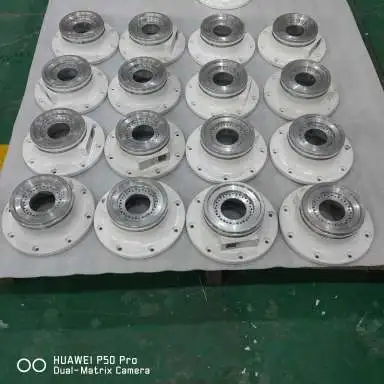
Understanding Low Pressure Casting and Its Material Requirements
The Fundamentals of Low Pressure Die Casting
The low-pressure die casting method is a complex step forward in the technology used to shape metal. Molten metal is kept in a covered holding furnace below a fixed mold, which is usually made of iron or steel. The metal fills the cast space from the bottom up when low-pressure gas is added. It does this by rising through a riser tube. This controlled filling happens more slowly than high-pressure die casting, which lets the metal stay at the same temperature all the way through the hole. When the solidification is done, the pressure drops, and the extra metal goes back into the holding oven to be used again.
Why Material Selection Drives Casting Success?
The material you choose has a direct effect on every part of the casting process, from the fill designs to the finished mechanical properties. The metal that is chosen must be fluid enough to be able to move through complicated shapes during the slow fill part of this process. Heat flow affects the patterns of solidification, which in turn affects the accuracy of measurements and the strength of the material inside. When compared to metals that don't change size much, materials that shrink a lot need different gate techniques and mold designs. Procurement managers know that important choices have an impact on both unit prices and defect rates, which can lead to extra costs for inspections and possible repairs. Mechanical qualities like tensile strength, ductility, and fatigue resistance are directly related to both the metal makeup and the factors of the casting process. This is something that technical engineers know.
Common Materials Used in Low Pressure Casting
Aluminum Alloys: The Industry Standard
In the automobile, aircraft, and industrial equipment industries, aluminum alloys are used most often in low-pressure situations. Most of the time, A356 aluminum is recommended for this process because it is very fluid and doesn't shrink much, which works perfectly with the controlled filling method. After the T6 heat treatment, A356 has tensile strengths above 280 MPa and expansion rates of 5–7%. This makes it suitable for making suspension parts and engine brackets that have to meet strict structural requirements.
As a result of its high airtightness and low tendency to bend, AlSi7Mg is perfect for hydraulic parts and pressure-containing housings. Its way of solidifying fits the slow cooling that comes with fixed mold processes, so the grain structures are always the same from batch to batch. Quality experts like that there is less difference between production runs than with gravity-poured options.
A319 metal is used in low pressure casting situations where keeping the shape while it hardens is very important. Its controlled silicon content makes it good for feeding, which stops shrinking problems in complicated shapes. AlSi10Mg is becoming more popular in electric car uses because it is strong, responds well to heat treatment, and is lightweight. It is used to support battery housings and motor parts. AlSi9Cu3 is easier to machine for jobs that need a lot of secondary operations, but the copper presence makes it less resistant to rust in some places.
Magnesium Alloys for Weight-Critical Applications
Magnesium alloys have a density that is about 35% lower than aluminum, which opens up possibilities in aircraft and high-performance car uses. Because magnesium is volatile, low-pressure systems that fill slowly and under control work better than high-pressure systems that fill quickly and erratically. The AZ91D magnesium metal is easy to cast and strong enough for structural braces and housings. But magnesium needs to be handled in a certain way because it can catch fire when it's liquid and can rust when it comes into touch with other metals. There are also big issues with the supply chain because magnesium prices change more quickly than aluminum prices.
Zinc Alloys and Copper-Based Materials
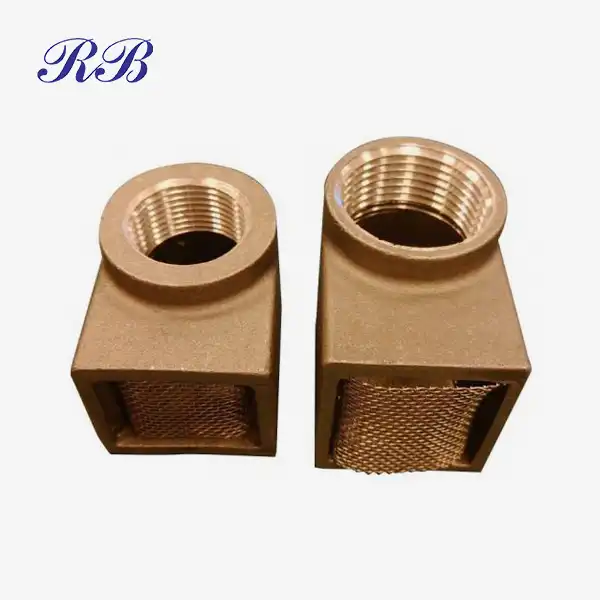
Zinc metals like Zamak are used to make smaller, more precise parts that need to be accurate in size and have a smooth surface. Their lower melting points save money on energy and make molds last longer, but they can't be used as much in low-pressure systems as aluminum can. Heavy-duty equipment parts like pump housings and valve bodies are made from copper metals, which can also be bronze. In some industrial settings, the higher cost of these materials is justified by their better wear resistance and ability to conduct heat and electricity well. Because copper has a higher melting point, the process works, but it needs stronger mold materials and heating systems.
Emerging Specialty Metals
Titanium alloys are the cutting edge of low-pressure casting technology. They are mostly used in aircraft, where high strength-to-weight ratios make the high prices worth it. The controlled environment and slow filling help control how titanium reacts with nitrogen and oxygen. Production levels are still low, and these materials can only be worked on by specialized foundries with high-tech tools. Advanced aluminum-lithium alloys and metal matrix composites also come out every once in a while for specific uses that need qualities that can't be achieved with regular alloys.
Factors Influencing Material Selection in Low Pressure Casting
Mechanical and Thermal Property Requirements
Initial material screening is based on strength needs, especially for parts that are loaded or hit repeatedly. Ductility is very important for parts that need to be deformed after they are made or for safety-critical parts that can't break easily. The ability of an alloy to carry heat affects both how it is cast and how well it works in the end use. For example, heat sinks and other thermal management parts need alloys that can move heat very well, while insulating uses need alloys that can't do that.
Minimum wall widths and maximum component complexity are set by how flexible the material is. Alloys with great flow properties let you make thin-walled pieces that save weight and money on materials without losing performance. The melting temperature needs to be right for the furnace and the mold material. Too high of temps speeds up the breakdown of mold and uses more energy.

Procurement and Cost Considerations
The prices of raw materials change based on the global trade markets. Aluminum prices are more stable than those for magnesium or copper. Reliability in the supply chain is just as important as price, especially for companies that use just-in-time production plans. If there are problems getting specific alloys, production lines can stop, which can cost millions of dollars in lost productivity. Professionals in procurement look at the total cost of ownership and know that a metal that is a little more expensive but better for casting may lower the amount of scrap and the time it takes to machine, which lowers the cost per piece. Planning output is affected by the lead times for raw materials. This makes relationships with suppliers and stocking plans very important for businesses.
Industry-Specific Standards and Compliance
Automotive suppliers must meet the quality standards set by IATF 16949 and specific OEM material specs. These specify the minimum metal compositions and mechanical properties that can be used. For aerospace uses, materials need to be able to be tracked, have approved chemical makeup, and often go through a lot of non-destructive testing steps. Corrosive settings mean that oil and gas equipment needs metals that have been shown to last a long time in certain temperature and chemical conditions. Some parts of medical devices may need safe materials that have been processed in ways that are allowed by the FDA. These rules about following the rules often make it very hard to choose the right materials, and cost concerns become less important when following the rules is required.
Low Pressure Casting Mold Design and Material Interaction
How Alloy Properties Shape Mold Engineering?
Because aluminum alloys melt at around 660°C and copper alloys melt at over 1000°C, mold materials, and cooling systems must be designed in very different ways. Permanent aluminum molds usually use H13 tool steel, which is strong enough at working temperatures and doesn't break easily when heated or cooled. For copper casting, you need molds made of more unusual materials that can handle higher temperatures. The viscosity of the fluid during filling affects the size of the gates and the design of the runners. For example, thinner, more fluid metals need smaller gates to control the fill rate, while viscous materials need bigger cross-sections to keep them from solidifying too soon.
How the material shrinks affects where and how big the risers should be. When aluminum alloys solidify, they shrink by about 6 to 7 percent, so they need careful feeding lines to keep internal holes from appearing. Low-pressure methods allow for directed solidification, and heat to be extracted mainly through the mold walls. This means that engineers can create feeding systems that keep shrinking away from important parts.

Mold Materials and Surface Treatments
Steel molds are the most common because they can be used thousands of times before breaking. However, they are very expensive to make at first. Surface coverings like chrome plating or ceramic layers make molds last longer by protecting them from chemical and heat damage caused by molten metal. These processes also make the surface finish better on cast parts, which means that cleaning steps later on are reduced or eliminated. In some situations, semi-permanent molds with replaceable cores are used to make internal pathways that are too complicated for mechanical extraction. Core materials need to be able to handle both heat and pressure while still being easy to remove after they have hardened.
Defect Prevention Through Integrated Design
The most common flaw in casting is porosity, which can be caused by gas buildup or problems with shrinking feeds. Porosity susceptibility is affected by the choice of material. For example, metals with narrow solidification ranges have less shrinking porosity than materials with long freezing ranges. This is taken into account in mold creation by using the right vents, controlling the cooling rates, and placing the gates in the right places. Cold shuts happen when two metal streams meet without properly joining. This usually happens because the metal was cooled too much before it was fully filled in the mold. Higher-fluidity metals naturally don't shut down when it gets cold, but materials with minimal fluidity need molds that are heated up first and the best fill rates. Real-world examples show that using A356 aluminum to make cylinder heads consistently produces high-quality results thanks to built-in temperature control that matches the solidification properties of the metal.
Conclusion
The choice of material in low-pressure die casting has a big impact on how well the part works, how much it costs to make, and how competitive it is in the market. Aluminum alloys, especially A356, AlSi7Mg, and AlSi10Mg, are still the most popular choice for many uses in the automobile, aircraft, and industry sectors. This is because they have the best mix of cost-effectiveness, castability, and mechanical properties. Magnesium is used in places where weight is important, and zinc and copper alloys are used where accuracy and longevity are important. Because the filling is managed, this process makes it possible for better material features than gravity methods and better heat treatment than high-pressure methods. Making good material choices means putting together mechanical needs, thermal behavior, buying facts, and safety standards into a complete framework that matches technical requirements with business goals.
FAQ
Which materials provide the best corrosion resistance in low-pressure casting applications?
Aluminum alloys A356 and AlSi7Mg are very resistant to rust in most environments, especially when they are treated or anodized. Because they make stable oxide layers, these alloys are often used in marine and chemical processing uses. In corrosive settings, magnesium needs protective coatings because it doesn't naturally fight rust very well.
Can steel alloys be cast using low-pressure methods?
Low-pressure steel casting is still hard to do properly and can't be used in many situations. The melting points are so high that most fixed mold materials can't handle them. Instead, they need special refractory molds, which takes away the cost savings. This process works much better with metals made of aluminum and magnesium.
How does material choice affect lead times and production costs?
Common aluminum alloys, like A356, are available right away and have stable prices, which reduces the risk of wait time. Specialty metals and magnesium may be harder to get and have prices that change often. The ability of a material to be cast also affects cycle times. Alloys with higher fluidity fill up faster and harden more evenly, which increases output and lowers per-piece costs by making the machine more productive and reducing the amount of scrap it produces.
Partner with Rongbao Enterprise for Your Low Pressure Casting Needs
For twenty years, Rongbao Enterprise has been a reliable low-pressure casting manufacturer, making precision parts that meet the strict needs of the aircraft, automobile, and industrial equipment industries. We can make molds, cast metal, machine parts precisely, and check the quality of everything we do. This lets our customers get all of their industrial needs met in one place. With ISO9001, ISO14001, and ISO45001 certifications, we make sure that all parts of the production process meet strict quality standards. We understand global compliance standards and delivery goals because we've worked in foreign markets in Europe, the United States, and Japan. Contact our expert team at steve.zhou@263.net or zhouyi@rongbaocasting.com to talk about the materials you need, get personalized prices, or find out how our advanced low pressure casting can improve the performance of your parts and the reliability of your supply chain. You can find out how our dedication to honesty, accuracy, new ideas, and efficiency turns casting problems into winning benefits by going to rongbaocasting.com.
References
1. Campbell, J. (2015). Complete Casting Handbook: Metal Casting Processes, Metallurgy, Techniques and Design. Butterworth-Heinemann Publishing.
2. Kaufman, J.G. & Rooy, E.L. (2004). Aluminum Alloy Castings: Properties, Processes, and Applications. ASM International.
3. Beeley, P.R. (2001). Foundry Technology, 2nd Edition. Butterworth-Heinemann Scientific Publications.
4. American Foundry Society (2018). Low Pressure Permanent Mold Casting: Process Fundamentals and Industrial Applications. AFS Technical Publication.
5. Shivkumar, S., Wang, L., & Apelian, D. (1991). "Molten Metal Processing of Advanced Cast Aluminum Alloys." Journal of Metals, 43(2), 26-32.
6. Bonollo, F., Urban, J., Bonatto, B., & Botter, M. (2005). "Gravity and Low Pressure Die Casting of Aluminium Alloys: A Technical and Economical Benchmark." La Metallurgia Italiana, 97(6), 23-32.
Learn about our latest products and discounts through SMS or email