- English
- French
- German
- Portuguese
- Spanish
- Russian
- Japanese
- Korean
- Arabic
- Greek
- German
- Turkish
- Italian
- Danish
- Romanian
- Indonesian
- Czech
- Afrikaans
- Swedish
- Polish
- Basque
- Catalan
- Esperanto
- Hindi
- Lao
- Albanian
- Amharic
- Armenian
- Azerbaijani
- Belarusian
- Bengali
- Bosnian
- Bulgarian
- Cebuano
- Chichewa
- Corsican
- Croatian
- Dutch
- Estonian
- Filipino
- Finnish
- Frisian
- Galician
- Georgian
- Gujarati
- Haitian
- Hausa
- Hawaiian
- Hebrew
- Hmong
- Hungarian
- Icelandic
- Igbo
- Javanese
- Kannada
- Kazakh
- Khmer
- Kurdish
- Kyrgyz
- Latin
- Latvian
- Lithuanian
- Luxembou..
- Macedonian
- Malagasy
- Malay
- Malayalam
- Maltese
- Maori
- Marathi
- Mongolian
- Burmese
- Nepali
- Norwegian
- Pashto
- Persian
- Punjabi
- Serbian
- Sesotho
- Sinhala
- Slovak
- Slovenian
- Somali
- Samoan
- Scots Gaelic
- Shona
- Sindhi
- Sundanese
- Swahili
- Tajik
- Tamil
- Telugu
- Thai
- Ukrainian
- Urdu
- Uzbek
- Vietnamese
- Welsh
- Xhosa
- Yiddish
- Yoruba
- Zulu
What Are the Applications of Metal Casting?
Metal casting is a broad category of industrial manufacturing processes in which liquid metal is put into molds and hardens into precise shapes. This basic process is used in many fields, from aerospace and cars to building and energy, to make parts as small as electronic housings and as big as engine blocks. It is very flexible because it can make complicated shapes out of a lot of different materials, like aluminum, steel, and special alloys, at a low cost
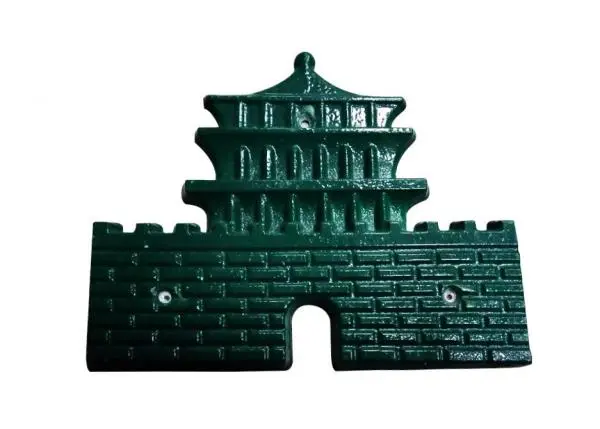
Overview of Metal Casting and Its Industrial Significance
Metal casting is a carefully controlled process that turns molten metal into solid parts. It involves making a design, preparing a mold, filling, cooling, and finishing. The method can be used with a number of metals, such as aluminum alloys, which are valued for being lightweight, steel, which is valued for being strong and long-lasting, and stainless steel, which is valued for not rusting. Each choice of material is based on the unique mechanical needs and weather conditions that will be encountered in the end use.
Core Casting Processes and Their Characteristics
For different production needs, different casting methods are used. Because it's cheaper and easier to make tools for, sand casting is still popular for making bigger parts in smaller quantities. For mass production, high-pressure die casting gives the best accuracy and surface finish, which makes it perfect for uses in cars and consumer gadgets. Investment casting is favored in the aircraft and medical device industries because it can make complex shapes with tight tolerances. Low-pressure aluminum casting has great mechanical qualities and almost no porosity, which makes it especially useful for building parts that need to be strong for their weight.
Manufacturing Fundamentals That Drive Quality
In a foundry, every step of the output process needs to be carefully monitored. Making the pattern sets the accuracy of the dimensions, and getting the cast ready affects the surface finish and the number of defects. Temperature of pouring, rate of cooling, and patterns of solidification all have a direct effect on the end qualities of the part, such as its grain structure and internal strength. When procurement teams know these basics, they can easily tell which sellers have the technical skills to regularly meet their needs.
Key Industrial Applications of Metal Casting
Casting methods are essential in many fields with different technical needs and production rates because they can be used in a variety of ways.
Construction and Heavy Machinery Sectors
Heavy machinery and construction equipment depend on long-lasting cast parts for their hydraulic systems, gears, and structural parts. For these uses, you need materials that can handle constant mechanical stress, impact loads, and tough weather conditions. Metal casting is a strong way to make parts like backhoe housings and loader frames that would be too expensive to make by forging or fabricating because of how complicated the design is. Quality stability between groups of production is especially important when equipment breaks down because of a failed part, which costs a lot of money.
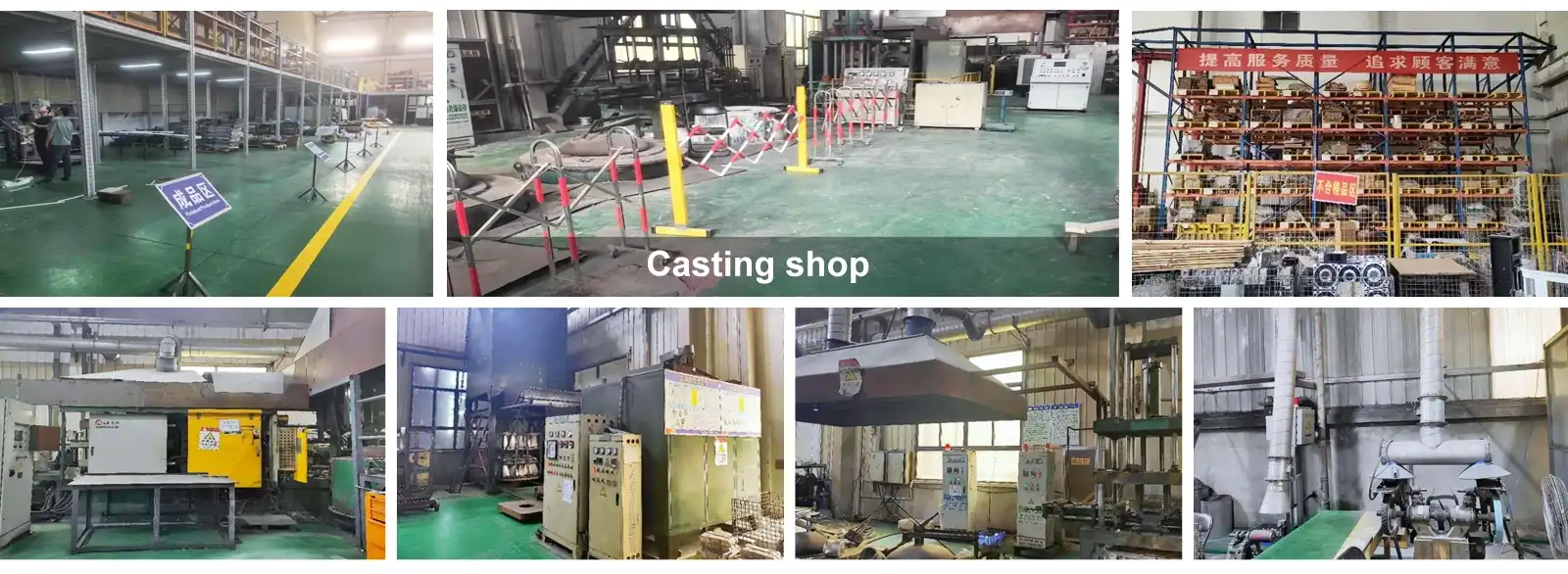
General Industrial Equipment Production
Cast parts are used all over the systems of pumps, valves, compressors, motors, and machine tools. Casting filter elements show how special production methods can be used to make useful parts. These are made of synthetic or cellulose fabrics that are shaped with resin into precise shapes that trap contaminants in industrial processes and compressed air systems. Metal casting is useful for making fluid handling equipment that needs to be able to precisely control flow because it can make thin-walled, complex internal pathways.
Energy and Power Generation Applications
Cast parts made for harsh working conditions are used in wind power plants, nuclear power plants, and oil and gas equipment. Turbine housings, valve bodies, and structure supports have to be able to handle high and low temperatures, corrosive conditions, and constant mechanical stress. The metal casting process lets makers choose metal compositions that are perfect for these tough uses, and it also lets them make shapes that aren't possible with other methods. Non-destructive testing, such as X-ray, ultrasound, magnetic particle, and penetrant inspection, makes sure that the inside is sound, which is very important for safety-critical uses.
Aerospace and High-Precision Component Manufacturing
For aerospace uses, metal casting technology is pushed to its limits. For parts like turbine blades, structural frames, and landing gear, you need investment casting methods that can make complex shapes with little need for cutting. In this sector, basic provider requirements include being able to track materials, having measurements that are accurate to thousandths of an inch, and having the right certifications. When you look at fatigue life and stress tolerance standards, it's easy to see how the metal casting process you choose affects the properties of the end part.
Benefits and Advantages of Metal Casting for Procurement
When purchasing managers look at different ways to make things, metal casting methods stand out because they have a lot of appealing benefits, especially when the production volume justifies the cost of investing in tools.
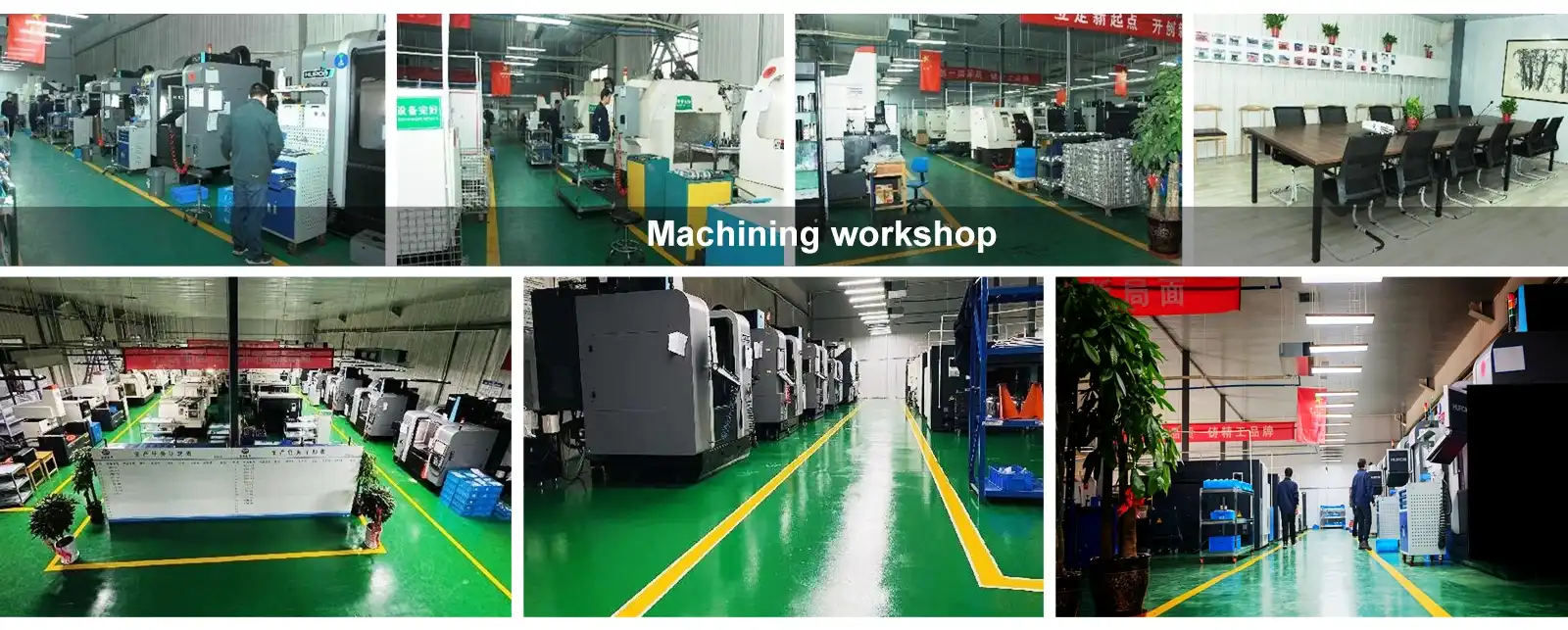
Economic Efficiency at Scale
Large production runs lower the cost per unit by a lot because the costs of the tools are spread out over thousands or millions of parts. Material usage rates are higher than those of subtractive manufacturing methods. This lowers the cost of getting rid of trash and supports efforts to be more environmentally friendly. Many metal casting methods don't need much extra machining because the shape is close to a net form. This cuts down on labor costs and production cycle times. When looking at the total cost of ownership of different ways to make something, metal casting often has better economics for parts with complicated shapes.
Design Flexibility and Engineering Freedom
Metal casting can make hollow parts, complicated internal passages, and complicated external shapes that are hard or impossible to make by cutting, forging, or fabricating. This design freedom lets engineers make sure that the shape of a part is best for performance rather than making it easier to make. Combined designs that combine several features into a single cast part cut down on assembly work and get rid of connections that add weight and could fail. Custom casting clamps are a good example of how customized designs can meet the specific needs of an application while also making the fitting process easier.
Material Versatility and Property Control
For lightweight uses, aluminum and magnesium are good metals for metal casting. For harsh conditions, special steels and superalloys are also good choices. Foundries can change the chemicals used and follow specific heat treatment methods to get certain mechanical qualities, such as tensile strength, hardness, and resistance to corrosion. Because materials are flexible in this way, buying teams can choose parts that are best for their specific needs instead of having to settle for compromises that come with standard materials.
Challenges and Quality Control in Metal Casting Applications
Metal casting methods have a lot of benefits, but they also have quality problems that need to be managed and supervised by suppliers.
Common Defects and Their Implications
Porosity from trapped gases weakens the structure's strength and ability to keep pressure out. Shrinkage holes happen during solidification if the material isn't fed properly, leaving empty spaces inside the part that weakens it. Cold shuts happen when several metal streams don't join together properly, leaving weak areas that can crack. Imperfections on the surface, like rough patterns or spots, may need a lot of work to be fixed or make the parts useless. Quality engineers have to set up rules for arriving inspections that make sure the dimensions are correct and the product is sound inside using the right testing methods.

Process Control and Defect Prevention
Statistical process control is used in modern foundries to keep an eye on important factors throughout the production process. Managing the mold's temperature, optimizing the filling rate, and modeling solidification all help lower the number of defects that happen. Molten metal streams are cleaned by high-tech filtering systems that get rid of impurities. Real-time tracking tools find changes in the process before they lead to the production of faulty parts. When purchasing managers look at possible sellers, they should check how well they control the process and whether they are willing to share quality data that shows stability from batch to batch.
Certification and Compliance Requirements
International quality standards, like ISO 9001, set the minimum standards for management systems. Certifications specific to the industry, like IATF 16949 for cars or AS9100 for aerospace, set the requirements for that field. Environmental management through ISO 14001 and health and safety at work through ISO 45001 show that a company is mature and can handle risks. When suppliers don't have the right licenses, they leave holes in the supply chain that can lead to quality problems or shipping delays.
How to Choose the Right Metal Casting Supplier for Your Business Needs?
Choosing a supplier is a strategic choice that affects the quality of the product, the reliability of delivery, and the total cost of ownership over the course of a multi-year relationship.
Technical Capability Assessment
Check out possible partners based on how well they understand the process in relation to the needs of your components. Suppliers who offer more than one metal casting method give you options as product ideas change. In-house secondary processes like CNC machining and surface treatments allow for single-source duty, which makes teamwork easier. Mold creation tools help with making prototypes and improving designs. Ask for samples that show how well the dimensions, surface finish, and material properties are met on parts that are similar in complexity to the ones you want.
Quality System Evaluation
In addition to looking at certification paperwork, you should also do building exams to check the inspection tools, process data, and how quickly corrective actions are taken. Look over the failure rates and capability measures that show the process is stable. Find out how they do dimensional proof and non-destructive tests. Check the rules that make sure the quality of the new material stays the same. Long-term performance is better from suppliers who treat quality as a culture goal instead of a legal requirement.
Production Capacity and Scalability
Current production levels show if suppliers can meet your starting needs, and building development plans show if they can also meet your needs as they grow. Redundant equipment keeps delivery plans from being thrown off by a single point of failure. Lead time promises should be based on realistic capacity sharing, not on optimistic predictions. Before agreeing to a partnership, talk about how to handle changes in demand and how to handle rush orders.
Conclusion
Metal casting is used in almost every industry because it produces parts that strike a mix between production costs and performance needs. The process is flexible enough to work with a wide range of materials and shapes, and it can handle production rates from a few prototypes to millions of units per year. Professionals in procurement who know the basics of casting, can spot quality signs, and use strict criteria for evaluating suppliers give their companies a competitive edge through better component buying. To be successful, you need to stop buying things one time and start working together with foundries that have the technical knowledge, commitment to quality, and capacity that fits with the direction of your business.
FAQ
What metals are most commonly used in casting processes?
Aluminum alloys are used a lot in metal casting because they are strong for their weight, don't rust, and are easy to work with. Steel casts are used in situations where strength and resistance to wear are important. Stainless steel can be used in places that are toxic. Zinc and magnesium alloys are used in situations where weight reduction or precise measurements are important. The choice of material is based on the application's unique cost limits, technical property needs, and working conditions.
How does casting compare to forging and machining regarding cost and quality?
Metal casting usually has lower unit costs for complicated shapes and modest to high production rates, but you have to pay for the tools up front. Forging gives better grain structure and mechanical qualities for high-stress uses, but it limits the number of shapes that can be made. Machining gives you the most accurate measurements, but it wastes a lot of material and takes longer to make. There is no one process that is always better than another when it comes to choosing the best way to make something. It depends on the shape of the part, the amount that needs to be made, the qualities of the material, and the performance standards.
What certifications should metal casting suppliers maintain?
ISO 9001 sets the basic rules for quality control that can be used in any industry. IATF 16949 is now required for supply lines in the car industry. AS9100 meets the needs of the aerospace industry. Industry-specific certifications show that providers know what is expected of them in the area and keep the right controls in place. ISO 14001 certifications for environmental management and ISO 45001 certifications for health and safety at work show that an organization is mature enough to go beyond basic compliance. This means that the provider is likely to be able to maintain long-term relations through proactive risk management.
Partner with Rongbao Enterprise for Your Metal Casting Requirements
Rongbao Enterprise has been a foundry for 20 years and serves difficult businesses all over the world. About 70% of their production is sent to markets in Europe, the United States, and Japan. We can do a lot of different things, like high-pressure die casting, low-pressure aluminum casting, gravity casting, precision machining, and mold creation and surface treatment. We keep our ISO 9001, ISO 14001, and ISO 45001 certifications, which show that we care about quality, the environment, and safety at work. Our normal production sites can handle both big orders and custom precision castings, and the shipping times can be controlled. Our technical team works with sourcing managers and engineers to make sure that the parts we send you meet all of your exact needs. This includes bearing cap cast iron castings for heavy machinery, custom casting brackets for unique uses, and casting filter elements for industrial systems. Get in touch with our metal casting supply team at steve.zhou@263.net or zhouyi@rongbaocasting.com to talk about how our full-chain manufacturing can make it easier for you to find parts while still giving you precision, reliability, and low prices.
References
1. Campbell, John. "Complete Casting Handbook: Metal Casting Processes, Metallurgy, Techniques and Design." Butterworth-Heinemann, 2015.
2. American Foundry Society. "Casting Design and Performance." ASM International, 2019.
3. Beeley, Peter R. and Smart, Richard F. "Investment Casting." Institute of Materials, 2005.
4. Kaufman, J. Gilbert and Rooy, Elwin L. "Aluminum Alloy Castings: Properties, Processes, and Applications." ASM International, 2004.
5. Brown, John R. "Foseco Ferrous Foundryman's Handbook." Elsevier Science, 2000.
6. Stefanescu, Doru Michael. "Science and Engineering of Casting Solidification." Springer, 2009.
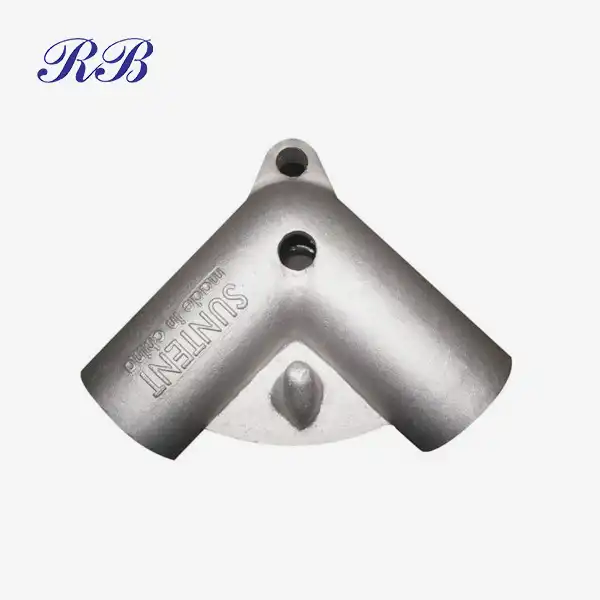
Learn about our latest products and discounts through SMS or email