- English
- French
- German
- Portuguese
- Spanish
- Russian
- Japanese
- Korean
- Arabic
- Greek
- German
- Turkish
- Italian
- Danish
- Romanian
- Indonesian
- Czech
- Afrikaans
- Swedish
- Polish
- Basque
- Catalan
- Esperanto
- Hindi
- Lao
- Albanian
- Amharic
- Armenian
- Azerbaijani
- Belarusian
- Bengali
- Bosnian
- Bulgarian
- Cebuano
- Chichewa
- Corsican
- Croatian
- Dutch
- Estonian
- Filipino
- Finnish
- Frisian
- Galician
- Georgian
- Gujarati
- Haitian
- Hausa
- Hawaiian
- Hebrew
- Hmong
- Hungarian
- Icelandic
- Igbo
- Javanese
- Kannada
- Kazakh
- Khmer
- Kurdish
- Kyrgyz
- Latin
- Latvian
- Lithuanian
- Luxembou..
- Macedonian
- Malagasy
- Malay
- Malayalam
- Maltese
- Maori
- Marathi
- Mongolian
- Burmese
- Nepali
- Norwegian
- Pashto
- Persian
- Punjabi
- Serbian
- Sesotho
- Sinhala
- Slovak
- Slovenian
- Somali
- Samoan
- Scots Gaelic
- Shona
- Sindhi
- Sundanese
- Swahili
- Tajik
- Tamil
- Telugu
- Thai
- Ukrainian
- Urdu
- Uzbek
- Vietnamese
- Welsh
- Xhosa
- Yiddish
- Yoruba
- Zulu
What materials are best for radar mounting brackets?
When selecting the optimal material for radar mounting brackets, aluminum alloys—particularly ZL101A—rank among the most reliable choices for custom casting bracket applications. This aluminum-silicon alloy combines lightweight characteristics with excellent castability, corrosion resistance, and dimensional stability, making it ideal for radar systems that demand precision positioning across diverse environmental conditions. Beyond aluminum, stainless steel and specialized alloys also serve critical roles depending on load requirements, operating temperatures, and exposure to harsh elements.
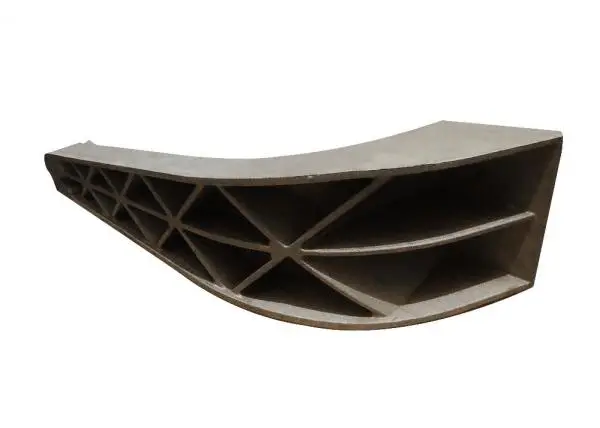
Understanding Radar Mounting Brackets and Their Requirements
Radar mounting brackets are the most important part of the connection between radar systems and their stationary or moving bases. These parts have to hold sensors in place at exact heights and angles and absorb movements that could distort signal transfer. Brackets are often used to hold up forward-collision radar and adaptive cruise control units in cars and industrial vehicles that are open to road debris, changes in temperature, and moisture. Heavy machinery workers depend on brackets to keep radar guidance systems stable even when the hydraulic pressure and vibrations are changing all the time.
Mechanical Strength and Load Distribution
The bracket has to be able to hold the radar unit's weight—which is usually more than 20 kilograms—without bowing. Choice of material has a direct effect on how much weight it can hold and how well it resists wear and tear. Tensile strengths of aluminum alloys like ZL101A are good for medium-duty uses, while ductile iron can hold more weight for big industrial equipment.
Vibration Damping and Dimensional Stability
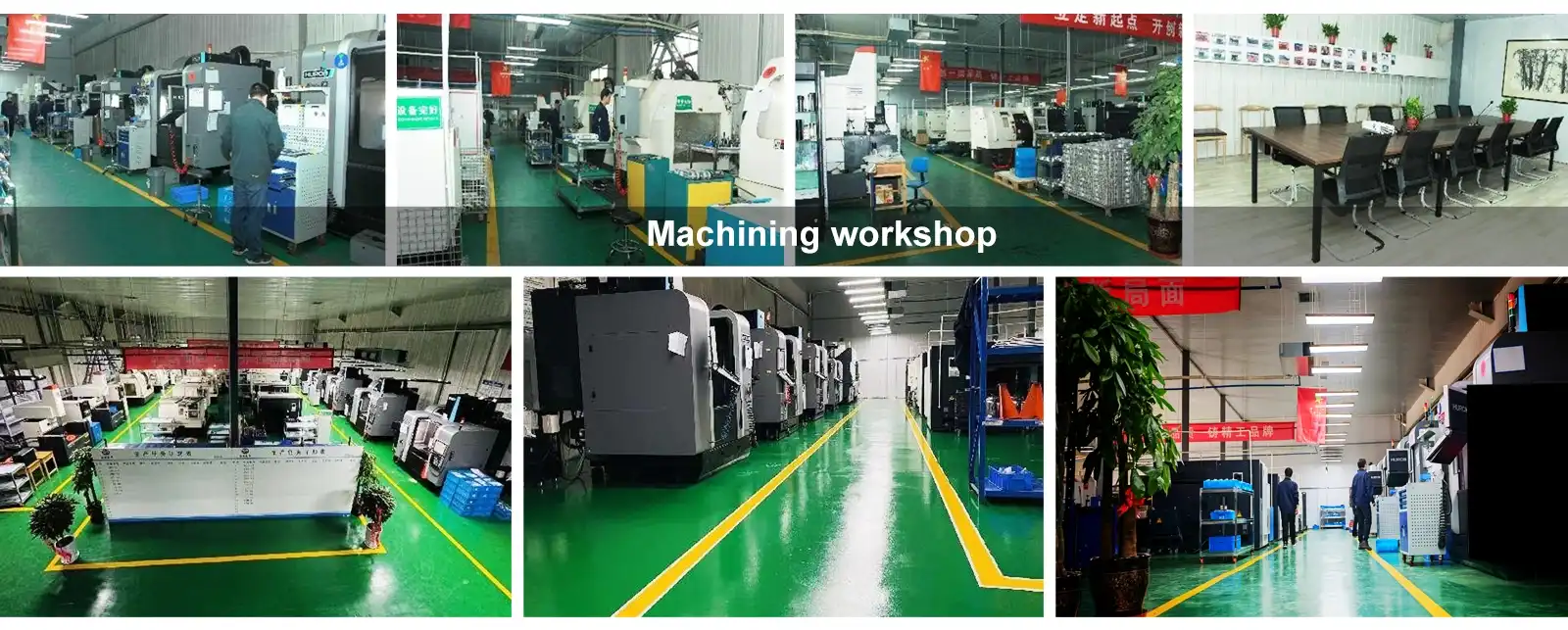
Engines, pumps, or construction equipment that vibrates all the time can slowly change the alignment of brackets. It is not necessary to recalibrate as often when the materials are naturally damping or keep their tight tolerances after being cast. Combining sand casting and CNC machining gives radar systems the precise measurements they need, even if a few millimeters of positioning error hurts their performance.
Environmental Resistance and Corrosion Protection
Installations outside have to deal with saltwater spray, industrial chemicals, and changes in temperature. Stainless steel and marine-grade aluminum materials don't rust as easily as regular carbon steel. Surface treatments like shot blasting make it easier for coatings to stick, which extends their useful life in harsh environments like those found in energy infrastructure and offshore platforms.
Comparing Custom Casting Brackets with Other Fabrication Methods Based on Material Suitability
Choosing the right materials is an integral part of the manufacturing process. When it comes to complex geometries and making the best use of materials, custom casting bracket methods are much better than machining from solid stock or welding fabrication.
Casting Versus Machining for Material Utilization
When you machine a bracket out of cast aluminum, you take a lot of material as chips, which increases the cost and waste of raw materials. When you sand cast, you pour molten metal into mold cavities that are close to the final size. This cuts down on waste. Post-casting CNC machining makes sure that important fixing areas and threaded holes are exactly the right size without taking out too much stock. This mixed method strikes a good balance between accuracy and material efficiency, which makes it appealing to purchasing managers who want to cut costs and protect the environment.
Welded Assemblies and Material Compatibility
It is possible to make complex bracket shapes by welding together several plates or extrusions, but this process introduces thermal distortion and residual stresses that make the shapes less stable. Because they are prone to cracking or rust formation, some aluminum metals and stainless steels are hard to weld. Custom sand casting makes nearly net shapes in a single step, so there are no weld joints that could break under repeated loading. Fewer inspection steps help quality assurance processes by lowering the number of defects that come in and the time it takes for suppliers to fix them.
Cost-Performance Balance Across Fabrication Methods
Tooling costs for casting molds may be higher than those for simple machining fixtures at first, but unit costs go down a lot when more than 100 pieces are made. When procurement workers look at the total cost of ownership, they should not only look at the unit price, but also how consistent the batches are, how reliable the deliveries are, and how much maintenance will be needed in the long run. The quality of sand casting with CNC finishing is reliable, and it can be scaled up or down as needed. This solves a typical problem in procurement: suppliers' limited capacity and unpredictable wait times.

Best Material Selection Practices for Radar Mounting Brackets
Finding the right material means lining up the needs of the application with the properties of the material and the limitations of the manufacturing process. A methodical technique lowers risk and makes sure that brackets work effectively for as long as they are used.
Application-Specific Environmental Factors
When installing something inside a climate-controlled building, you can use a wider range of materials, such as carbon steel with protected coats. Marine-grade aluminum metals or stainless steel are needed for outdoor seaside operations to stop corrosion caused by salt. Extreme temperatures change the coefficients of expansion of materials, and stress builds up when the materials between the bracket and the mounting surface don't match. Before going to production tools, we suggest using finite element analysis during design to make sure the thermal performance is good.
Integrating Design for Manufacturability with Material Properties
To keep holes and shrinkage flaws from happening in aluminum castings with thin walls, the gates and risers must be carefully designed. If you work with suppliers who know how to build things so they can be made, you can be sure that your custom casting bracket design takes advantage of the material's strengths and avoids common casting mistakes. It is possible to cast directly features like integrated bosses for sensor wires or mounting plates for extra equipment. This cuts down on the number of steps needed to put the system together and makes it more reliable overall.
Real-World Case Study: ZL101A Radar Bracket for Heavy Machinery
A company that makes construction equipment needed mounting brackets for collision-avoidance radar to be put on excavators that would be used in dusty, rough conditions. Fatigue cracks showed up in traditional welded steel brackets after 18 months. When you switch to ZL101A aluminum castings with shot-blasted surfaces and a protective coating, the service life goes beyond 36 months and the weight of the bracket goes down by 40%. The sand casting method allowed for complex internal ribbing to make the part stiff without adding extra weight to the outside. Mounting hole specs were kept within ±0.1mm with CNC machining, which made sure that the radar would always be lined up correctly across production runs. This change in materials increased the uptime of equipment and decreased warranty claims, which supported the choice to buy custom casting brackets that are made to fit the needs of each application.
Procurement Guidance: Finding the Right Custom Casting Bracket Supplier with Optimal Material Expertise
Negotiating prices is only one part of effective buying. Technical skills, quality systems, and the potential for joint creation are also important. Long-term relationships with qualified suppliers lower the risks in the supply chain and push for constant growth.
Evaluating Supplier Certifications and Quality Assurance
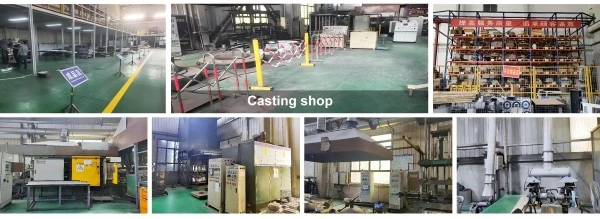
Suppliers who have ISO9001:2015 certification use standard quality management procedures that include tracking materials, keeping an eye on the production process, and setting up systems for corrective action. Getting ISO14001 approval shows that a foundry cares about the environment, which makes it appealing to buying teams that have to be environmentally friendly. The ISO45001 certification shows that a company cares about worker safety and lowers the risk of supplier disruptions caused by accidents at work. Ask for proof that they can test materials using spectrometry to make sure they are alloys, X-rays to look for internal flaws, and reports of measurements that match your tolerances.
Key Procurement Questions for Material and Process Alignment
When talking to possible suppliers, make sure you know what the minimum order quantity is. For custom sand casting projects, it's usually around 100 pieces, and you should also know how batch sizes affect unit price. For first sales, the lead time for pattern making, mold preparation, casting, and finishing is usually 6 to 10 weeks. For repeat production, the lead time drops to 4 weeks. Make sure the provider can handle engineering changes without charging too much for retooling and that customization options are available for multiple design versions. Talk about transportation packing. Heavy casts are kept safe during international shipping in wooden crates, which keeps them from getting damaged and causing quality problems when they arrive.
Fostering Collaborative Innovation for Continuous Improvement
The best ties with suppliers go beyond simple transactions and turn into long-term agreements. Give your custom casting bracket supplier information about how the part works in the application. This will allow them to suggest changes to the material or design that will make it last longer or weigh less. When you work with suppliers who can do everything, from gravity casting and low-pressure casting to full CNC cutting and surface treatment, you can get solutions that make your supply chain easier to manage and improve the efficiency of delivery. Clear communication about limitations on capacity, materials availability, and industry trends helps everyone make good plans and avoids surprises that throw off production schedules.
Conclusion
The best material for radar mounting brackets depends on how well it performs mechanically, how well it resists the environment, how easy it is to make, and how much it costs. Lightweight construction, resistance to rust, and great castability are just a few of the many benefits that aluminum alloys like ZL101A offer. Stainless steel and specialty metals are used in tougher situations where strength is needed or durability in harsh environments is needed. Custom sand casting methods can make complicated shapes and use materials more efficiently than alternatives like welding or milling. The success of procurement depends on both the choice of materials and the quality of the supplier partnership. Engaging makers with proven certifications, full testing capabilities, and collaborative methods will make sure that your radar mounting systems work at their best for as long as they are in use.
FAQ
Which materials provide the best corrosion resistance for radar mounting brackets?
Grades 304 and 316 stainless steel are better at resisting corrosion, especially in marine and chemical processing settings. Natural oxide growth in aluminum alloys like ZL101A gives good protection, and anodizing or protective coats can improve performance even more. When choosing materials, you should think about how they will be used and how often they need to be maintained.
How does material choice affect radar bracket product lifespan?
Over time, wear resistance, corrosion progression, and dimensional stability are all directly affected by the qualities of a material. If you treat the surface of aluminum metals correctly, they should last 20 to 30 years in normal conditions. Stainless steel lasts longer in harsher environments, but it costs more and is heavier. No matter what material is used, regular inspection and preventative maintenance will make it last longer.
Can high-strength materials like titanium be used in custom sand casting?
Because of the need for special tools and controlled environments to keep the metal from getting dirty, sand casting is not a good option for casting titanium. Titanium parts work best when they are carefully machined from raw stock or cast with investment casting. Teams in charge of buying things should think about whether the better performance of titanium is worth the higher costs and longer lead times compared to high-strength aluminum or stainless steel options.
Partner with a Proven Custom Casting Bracket Manufacturer
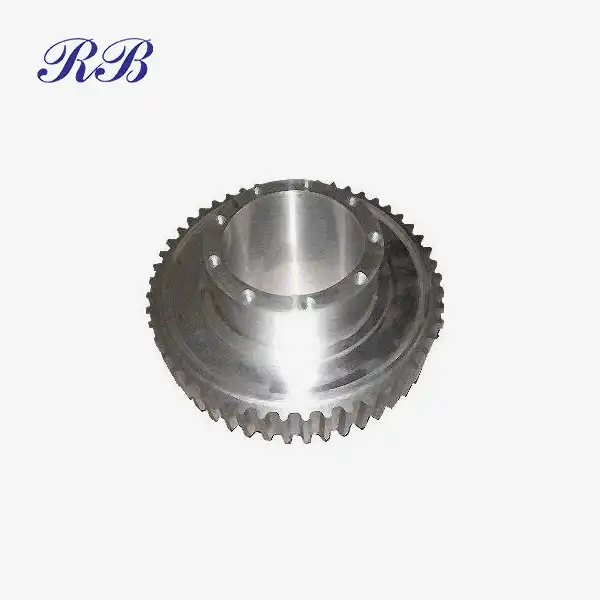
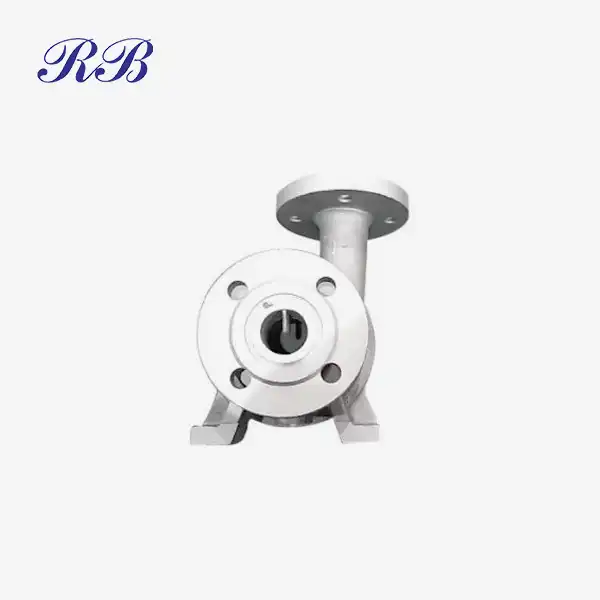
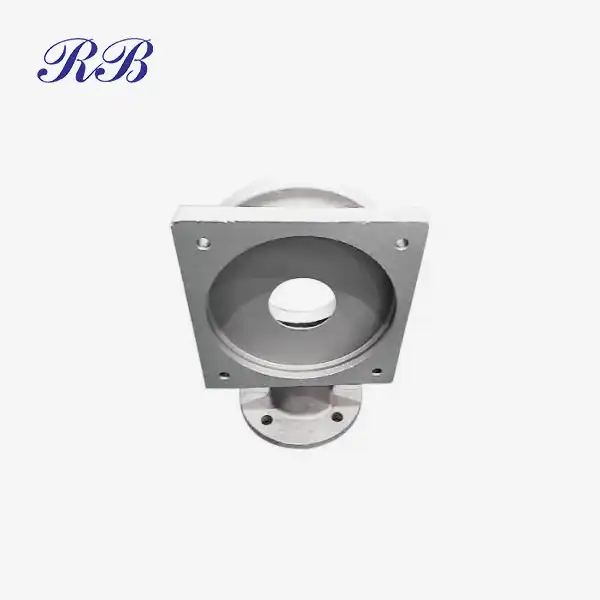
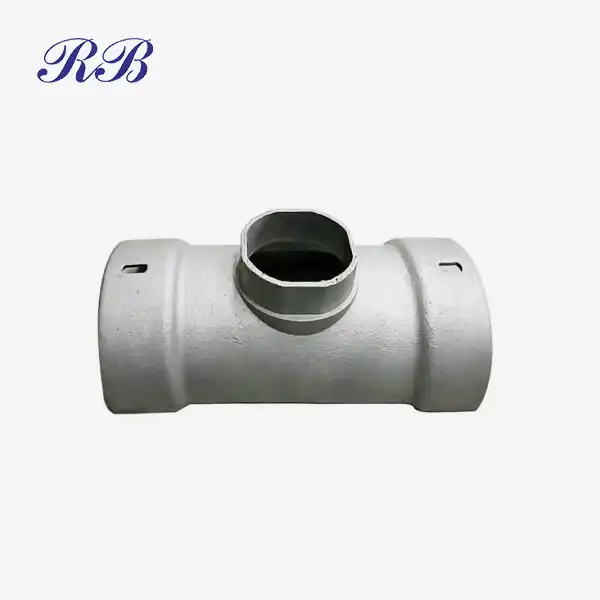
Rongbao Enterprise has been making precision castings and custom casting bracket for 20 years and has experience using radar mounting brackets in the automobile, aircraft, energy, and industrial equipment industries. We can do sand casting, gravity casting, CNC machining, and surface treatment at our Xi'an facility, which is certified by ISO9001:2015, ISO14001, and ISO45001, among others. We are experts at making ZL101A aluminum alloys that weigh up to 21 kilograms, and we can make sure that the dimensions and performance meet your exact needs. We can make up to 1,000 pieces per project, and our OEM/ODM services are open enough to help your engineering team from the first idea to mass production. International shipping is safe with wooden crates, and our 70% export rate to European, American, and Japanese markets shows that we can be trusted. Contact our expert team at steve.zhou@263.net or zhouyi@rongbaocasting.com right now to talk about the materials you want to use for your radar bracket and get personalized suggestions that will improve both performance and the efficiency of your purchase.
References
- Davis, J.R. (2001). Aluminum and Aluminum Alloys. ASM International Handbook Committee.
- Campbell, J. (2015). Complete Casting Handbook: Metal Casting Processes, Metallurgy, Techniques and Design. Butterworth-Heinemann.
- Stefanescu, D.M. (2017). ASM Handbook Volume 15: Casting. ASM International.
- Brown, J.R. (2000). Foseco Non-Ferrous Foundryman's Handbook. Butterworth-Heinemann.
- Rooy, E.L. (1988). Aluminum and Aluminum Alloys in Foundry Products. ASM Specialty Handbook.
- Hatch, J.E. (1984). Aluminum: Properties and Physical Metallurgy. American Society for Metals.
Learn about our latest products and discounts through SMS or email