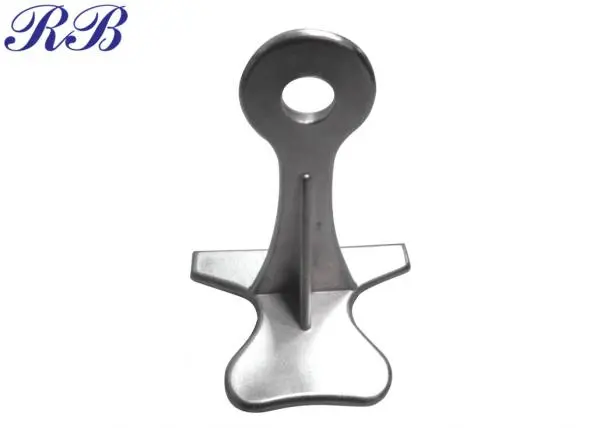
ZL101A Aluminum Alloy: Lightweight and Versatile
The exceptional mix of qualities of ZL101A aluminum alloy makes it a preferred option for custom casting brackets. With its exceptional combination of strength, lightweight properties, and resistance to corrosion, this alloy finds use in a wide range of contexts.
Key characteristics of aluminum alloy ZL101A include:
Extremely powerful for its weight
Great casting ability
Machinability is good.
Deflection from corrosion
Conductivity of heat
These properties make ZL101A an ideal choice for custom casting brackets in industries such as aerospace, automotive, and electronics. As an example, radar mounting brackets constructed from ZL101A may provide the required strength while minimizing the equipment's total weight.
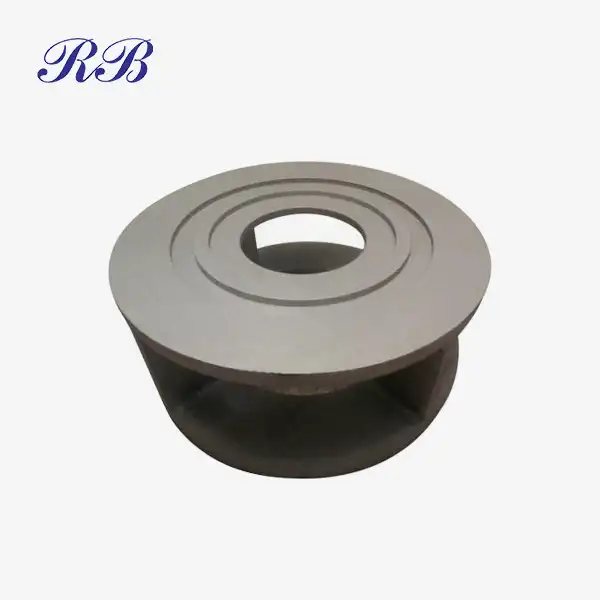
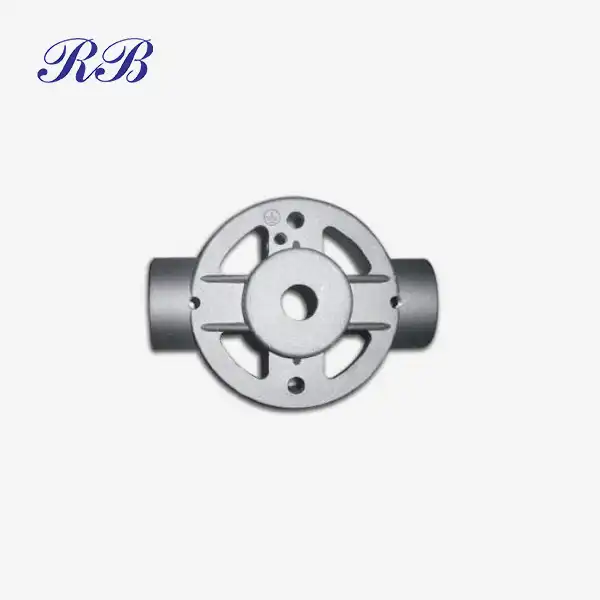
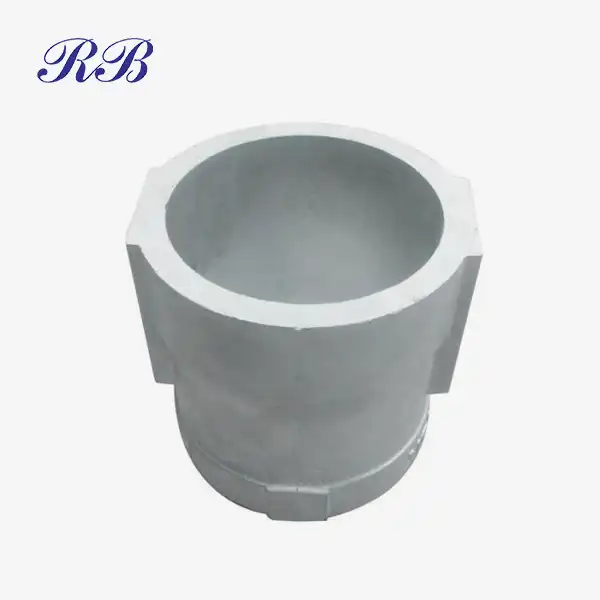
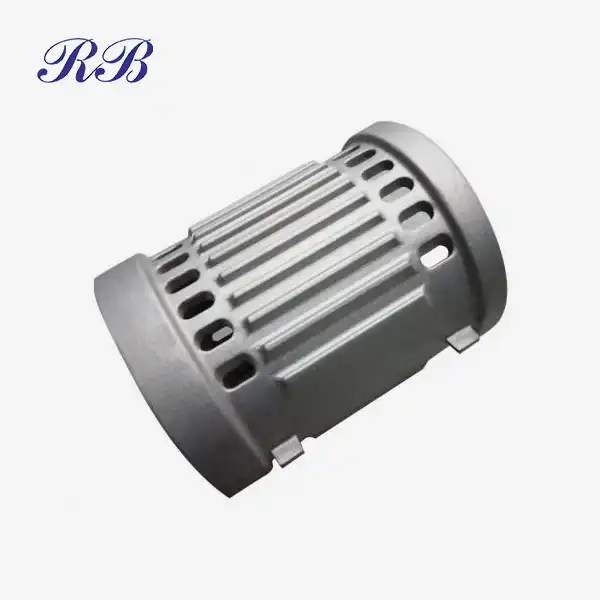
The manufacturing of bespoke casting brackets for radar installation is one practical use of ZL101A. The sand casting method is used to create these brackets, which weigh about 21 kg. Thanks to the material's adaptability, CNC machining and surface treatments like shot blasting are also possible, elevating the product's aesthetic and quality.
ASTM A572 Steel: High-Strength and Cost-Effective
A low-alloy, high-strength steel with great mechanical qualities and reasonable price is ASTM A572. Custom casting brackets, which need a great deal of strength and longevity, are among the many structural applications that make extensive use of this material grade.
Characteristics that set ASTM A572 steel apart are:
Excellent yield strength
Suitable for welding
Outstanding workability
efficient and affordable
Protection against environmental deterioration
ASTM A572 steel is particularly suitable for custom casting brackets in construction, heavy machinery, and transportation industries. When weight reduction is key but aluminum may not be strong enough, it's a great alternative because of its high strength, which lets designers create lighter structures without sacrificing load-bearing capability.
In order to withstand enormous loads while keeping the total weight of the structure to a minimum, custom casting brackets produced from ASTM A572 steel are often used in bridge building. For massive projects when money is tight, this material is a popular choice because to its strength and affordability.
Stainless Steel: Corrosion Resistance and Aesthetic Appeal
For custom casting brackets used in dirty or harsh settings, stainless steel is a great material to use because of how well it resists corrosion. A wide range of stainless steel grades are available, each with its own set of desirable characteristics.
Crucial aspects of stainless steel comprise:
Exceptional resistance to corrosion
Superior sturdiness and longevity
Visual appeal
Simple to clean and keep up.
Resistance to heat
Stainless steel custom casting brackets find applications in industries such as food processing, chemical manufacturing, and marine environments. Because it doesn't rust and keeps its appearance over time, the material is great for both functional and aesthetic purposes.
Stainless steel custom casting brackets are often used in offshore oil rigs, for instance, because of the extreme weather and saltwater exposure that requires corrosion resistance. Brackets made of stainless steel are similarly simple to clean and meet the stringent hygiene standards seen in the food processing industry.
Choosing the Right Material for Your Custom Casting Brackets
Selecting the optimal material grade for your custom casting brackets depends on several factors:
- Numerous application-specific components must be considered, counting but not restrictedto weight, quality, and weather.
- Inside the setting of the project's budgetary confinements, weigh the stars and downsides of each material.
- Amount of generation: certain materials work superior with littler sums, whereas others work way better with bigger amounts.
- Make beyond any doubt the fabric you've chosen complies with all industry standards and laws.
- Castability, machinability, and finishability are the three characteristics that decide a material's manufacturability.
Casting brackets made of stainless steel, ZL101A aluminum amalgam, or ASTM A572 steel ought to be simple to select after considering the previously mentioned subtle elements. Which of the a few materials accessible is best for you will depend on your needs and inclinations.
FAQ
1. How does the weight of custom casting brackets made from ZL101A aluminum alloy compare to those made from ASTM A572 steel?
Custom casting brackets made from ZL101A aluminum alloy are significantly lighter than those made from ASTM A572 steel. Aluminum has a density of about one-third that of steel, which means that for the same volume, an aluminum bracket would weigh approximately 66% less than a steel bracket. This weight difference can be crucial in applications where reducing overall weight is important, such as in aerospace or automotive industries.
2. Can stainless steel custom casting brackets be used in outdoor applications?
Yes, stainless steel custom casting brackets are excellent for outdoor applications. Their high corrosion resistance makes them ideal for exposure to various weather conditions, including rain, snow, and salt air in coastal environments. Stainless steel brackets can withstand these elements without rusting or degrading, maintaining their structural integrity and appearance over time. However, it's important to choose the appropriate grade of stainless steel based on the specific environmental conditions and potential exposure to corrosive substances.
3. How does the cost of ZL101A aluminum alloy compare to ASTM A572 steel for custom casting brackets?
Generally, ZL101A aluminum alloy is more expensive than ASTM A572 steel on a per-weight basis. However, the total cost comparison should consider factors beyond just material price. Aluminum's lighter weight can lead to savings in transportation and installation costs. Additionally, aluminum's natural corrosion resistance may reduce long-term maintenance costs compared to steel, which often requires protective coatings. The choice between these materials should be based on a comprehensive cost analysis that includes material, processing, transportation, installation, and long-term maintenance considerations.
4. What surface treatments are available for custom casting brackets made from these materials?
Each material allows for various surface treatments to enhance performance or appearance: - ZL101A aluminum alloy: Anodizing, powder coating, painting, and shot blasting are common treatments. - ASTM A572 steel: Galvanizing, powder coating, painting, and various plating options are available. - Stainless steel: While often left untreated due to its inherent corrosion resistance, options include electropolishing, passivation, and bead blasting for improved appearance or specific surface properties. The choice of surface treatment depends on the specific application requirements, desired aesthetics, and environmental conditions the bracket will face.
5. How do these materials perform in high-temperature environments?
The performance of these materials in high-temperature environments varies: - ZL101A aluminum alloy: Generally suitable for temperatures up to about 300°C (572°F), but strength decreases at higher temperatures. - ASTM A572 steel: Can maintain its properties at higher temperatures, typically up to 500°C (932°F) or more, depending on the specific grade and application. - Stainless steel: Certain grades of stainless steel can perform well at very high temperatures, with some austenitic grades maintaining strength up to 800°C (1472°F) or higher. For applications involving extreme temperatures, it's crucial to consult with materials experts to select the most appropriate grade and potentially consider specialized high-temperature alloys.

Custom Casting Bracket Supplier: Rongbao Enterprise
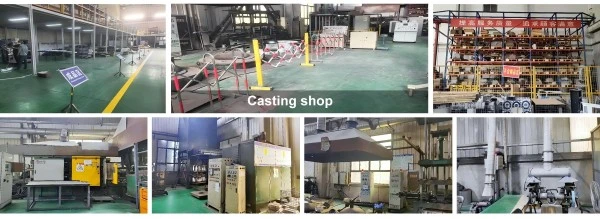
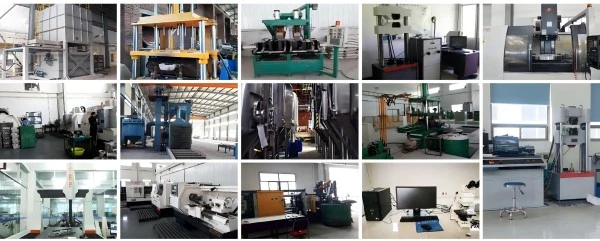
When it comes to high-quality custom casting brackets, Rongbao Enterprise stands out as a leading manufacturer. Founded in 2003, Rongbao specializes in aluminum alloy casting and precision processing, delivering innovative solutions for equipment manufacturers worldwide. With advanced production methods including high-pressure die casting, low-pressure die casting, gravity casting, and precision machining services, Rongbao offers a comprehensive range of custom casting bracket solutions.
Rongbao's expertise in manufacturing custom casting brackets is exemplified by their production of radar mounting brackets. These brackets, made from ZL101A aluminum alloy, weigh 21kg and are produced through the sand casting process. With ISO9001:2015, ISO14001, and ISO45001 certifications, Rongbao ensures the highest quality standards in every aspect of production.
The company's commitment to environmental sustainability, innovation, and precision has led to 70% of its products being exported to the United States, Europe, Japan, and other regions. Whether you need CNC machining, shot blasting, or any other specialized treatment for your custom casting brackets, Rongbao has the capabilities to meet your requirements.
For inquiries about custom casting brackets or to discuss your specific needs, reach out to Rongbao Enterprise at steve.zhou@263.net or zhouyi@rongbaocasting.com. With a production capacity of 1000 pieces and the ability to handle OEM/ODM projects, Rongbao is ready to bring your custom casting bracket designs to life with precision and expertise.