- English
- French
- German
- Portuguese
- Spanish
- Russian
- Japanese
- Korean
- Arabic
- Greek
- German
- Turkish
- Italian
- Danish
- Romanian
- Indonesian
- Czech
- Afrikaans
- Swedish
- Polish
- Basque
- Catalan
- Esperanto
- Hindi
- Lao
- Albanian
- Amharic
- Armenian
- Azerbaijani
- Belarusian
- Bengali
- Bosnian
- Bulgarian
- Cebuano
- Chichewa
- Corsican
- Croatian
- Dutch
- Estonian
- Filipino
- Finnish
- Frisian
- Galician
- Georgian
- Gujarati
- Haitian
- Hausa
- Hawaiian
- Hebrew
- Hmong
- Hungarian
- Icelandic
- Igbo
- Javanese
- Kannada
- Kazakh
- Khmer
- Kurdish
- Kyrgyz
- Latin
- Latvian
- Lithuanian
- Luxembou..
- Macedonian
- Malagasy
- Malay
- Malayalam
- Maltese
- Maori
- Marathi
- Mongolian
- Burmese
- Nepali
- Norwegian
- Pashto
- Persian
- Punjabi
- Serbian
- Sesotho
- Sinhala
- Slovak
- Slovenian
- Somali
- Samoan
- Scots Gaelic
- Shona
- Sindhi
- Sundanese
- Swahili
- Tajik
- Tamil
- Telugu
- Thai
- Ukrainian
- Urdu
- Uzbek
- Vietnamese
- Welsh
- Xhosa
- Yiddish
- Yoruba
- Zulu
What is the purpose of shot blasting for casting accessories?
Shot blasting is an important part of casting accessories because it gets rid of surface contaminants, strengthens the material, and gets parts ready for protection coatings. Abrasive media are pushed against cast parts at high speed during this mechanical surface treatment. This gets rid of the sand waste, rust layers, and impurities that build up during the casting process. Shot blasting smooths out rough metal parts that are used in energy equipment, industrial pumps, and car valves. The results are regular finishes that meet quality standards and dimensional limits. Through controlled peening effects, the process makes surface structures stronger while also showing hidden flaws that could hurt the performance of the component. People who are looking for precision casting accessories know that shot blasting is an important quality control step that has a direct effect on how reliable the product is and how long it lasts.
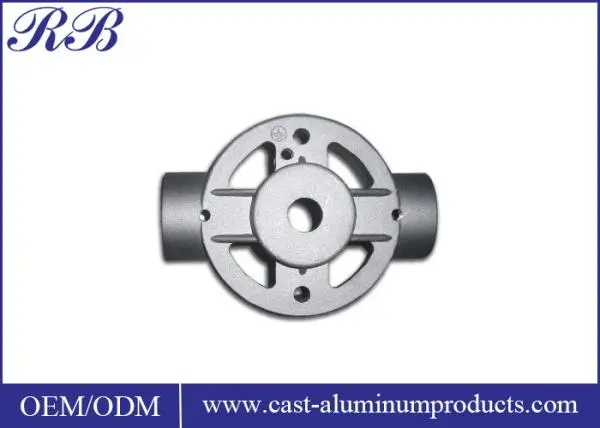
What Is Shot Blasting and Why Is It Essential for Casting Accessories?
Knowing how shot blasting works helps buying teams judge the skills of suppliers and the quality of surface treatment. For this process, special tools are used that speed up steel shots, ceramic beads, or aluminum oxide particles by using spinning wheels or systems that use compressed air. When these rough materials hit cast surfaces at speeds of up to 110 meters per second, they remove rust scales and loosen sand particles that are lodged in the surface. They also make micro-textured profiles that help coatings stick better. This process is essential for high-quality casting accessories to ensure long-term performance.
When you look at aluminum alloy die casts like A380 natural gas control valves, you can see how important shot blasting is. When high-pressure casting is done, mold release agents and gases in the air mix with the liquid metal, creating thin oxide layers and surface flaws. Without the right surface treatment, these flaws make it harder to machine, make measurements less accurate, and make protection finishes less effective. Shot blasting gets rid of these worries by making the surface ready in a regular, repeatable way.
When factories have automatic shot blasting chambers, the treatment settings are always the same for each batch of products. Engineers can change the abrasive flow rates, blast angles, and contact times based on the hardness of the material, the shape of the part, and the level of surface roughness that is needed. This accuracy makes sure that thin-walled sections get clean enough without losing any material that could affect limits, while larger sections get rid of all contaminants.
In addition to cleaning the surface, shot blasting creates compression pressures in the top layers of material. This is known as shot peening. Tensile forces that start cracks and spread them during service conditions are balanced out by these helpful residual pressures. This effect strengthens parts that are exposed to cycle loads, temperature changes, or corrosive conditions, making them last longer and lowering the rate at which they break.
Key Benefits of Shot Blasting for Different Types of Casting Accessories
Enhanced Surface Quality for Metal Castings
The surface of metal casting accessories that have been shot-blasted is better than the surface of options that have been chemically cleaned. Coating performance tests show that the mechanical action gets rid of microscopic flaws in the casting, reveals subsurface pores, and makes anchor designs that make paint stick better by 40–60%. We've seen that parts that are going to be CNC-machined have less tool wear when the surfaces are cleaned ahead of time to get rid of abrasive contaminants that speed up cutter damage.
Cost Efficiency Through Extended Service Life
When you look at the total cost of ownership, the economic benefits go beyond the original handling costs. Once protective coatings are put on shot-blasted parts, they fight rust better, so they don't need to be maintained or replaced as often. Purchasing managers who keep an eye on supplier performance data say that partners who use thorough shot blasting processes have 25–35% fewer quality rejects. This stability means that inbound inspection costs are lower, lines are interrupted less often, and production schedules are more reliable.
Environmental Responsibility and Sustainability
Modern shot blasting systems recycle abrasives in a closed circle, gather and filter dust, and use a lot less chemicals than acid pickling or solvent cleaning. Companies that follow the ISO14001 environmental standards use these cleaner methods to meet their sustainability goals while still meeting strict quality standards. Because surface treatment is mechanical, it doesn't produce the dangerous waste streams that come with standard chemical baths. This makes removal easier and more in line with regulations.
When manufacturing partners use shot blasting as part of their finishing processes, they show they care about the environment without lowering the quality of the work they produce. Abrasive media can be used more than once before it needs to be replaced, and metallic dust that is collected can be reused in the right way. These operating traits are in line with supply chain guidelines that stress reducing waste and protecting resources.
How to Use Shot Blasting Effectively for Casting Accessories?
Selecting Appropriate Abrasive Media
The choice of media affects the quality of the surface finish, the speed of processing, and the protection of component integrity. Steel shots in sizes S110 to S390 are good for general-purpose jobs that need modest cleaning power and surface texture. Angular steel grit types remove material faster from highly scaled surfaces, but they need to be carefully controlled to keep erosion from getting too bad. Ceramic beads are a kinder way to work with aluminum and magnesium metals than metallic abrasives, which might lose more material because the surfaces aren't as hard. Selecting the correct media is vital for any casting accessories manufacturing workflow.
Media selection is based on how hard different materials are—abrasives should be two to three points harder on the Mohs scale than underlying materials to clean well without causing embedment risks. Cast iron parts can handle rough steel grit treatments, but softer aluminum alloys like A380 do better with smooth steel shot or ceramic treatments that keep the surface from getting damaged. Protocols for testing make sure the media is right by handling sample parts and checking the surface sharpness, changes in size, and the ability of the coating to stick.
Systematic Process Implementation
Shot blasting works best when done in an organized way that makes the process more even and protects the parts the most. Inspections done before blasting show places that need to be covered, like pre-machined bearing surfaces or threaded connections, where changes in size would make assembly difficult. Fixturing the parts in place makes sure they get enough contact with abrasive streams and keeps them from breaking when parts touch each other during batch processing.
Operators of blast chambers keep an eye on pressure gauges, abrasive flow signs, and cycle timers to make sure that treatment conditions stay the same. Programmable logic controllers in automated systems let them change settings based on component profiles that are loaded from engineering specs. Visual inspection, measuring the roughness of the surface, and adhesion tests using standard methods are all used during post-blasting checks to make sure that all contaminants have been removed.
Documentation of quality includes treatment settings, inspection results, and user certifications. This makes records that can be tracked and meet customer audit requirements. Maintaining full process control by suppliers shows that the manufacturing process is mature, which lowers risks in the supply chain and helps partnerships grow over time.

Integration with Complementary Finishing Techniques
Shot blasting gets surfaces ready for other processes that make them more resistant to rust, better at withstanding wear, or better looking. Before powder coating, anodizing, or plating, parts have a stronger bond when their blast-textured surfaces mechanically connect with the layers that are being applied. Shot blasting creates a controlled roughness profile that gets rid of the need for extra chemical etching steps. This speeds up production and cuts down on cycle times.
When shot blasting and heat treatment are used together, they need to be carefully planned out so that the surface doesn't get dirty or oxidize again between steps. Coordinating these operations in manufacturing sites keeps handle times to a minimum and controlled environments that keep treated surface conditions. Through optimized process sequencing, this combined method produces final parts that meet a number of performance standards.
Conclusion
Shot blasting dramatically changes casting accessories from rough casts into precision-ready parts by carefully cleaning the surface to get rid of impurities, making it easier for coatings to stick, and improving the parts' mechanical properties. The process has clear benefits for quality, cost, and environmental effect that are important to people who make procurement decisions. For implementation to work well, the abrasive media and treatment settings must be carefully chosen based on the properties of the material being used, and the process must be closely monitored to ensure stability from batch to batch. Partnering with integrated makers that offer certified skills can help the supply chain by making it easier to coordinate, cutting down on wait times, and providing full technical support from design optimization to final testing.
FAQ
What surface roughness values does shot blasting achieve on aluminum castings?
Surface roughness values for shot-blasted aluminum alloy castings like the A380 are usually between 1.6 and 6.3 micrometers, based on the abrasive media used and the treatment strength. Fine clay beads or small steel shots make finishes that are smoother and better for artistic uses. On the other hand, rougher treatments make surfaces that are better for mechanical interlocking with paint or powder coats. Process factors need to be changed depending on the needs of the finishing system and the shape of the part.
How does shot blasting compare to chemical cleaning methods for casting surface preparation?
When compared to acid pickling or alkaline etching, shot blasting is better for the environment because it cleans mechanically without making harmful waste. Chemical ways get rid of oxides and scales well, but they need to be neutralized, rinsed, and garbage treated, which makes the process more complicated and raises the bar for regulatory compliance. Shot blasting cleans surfaces and hardens them at the same time through helpful compressive stresses. Chemical options don't offer both of these benefits. A lot of producers have switched to mechanical ways, which meet environmental goals and quality standards.
Can shot blasting damage thin-walled casting sections?
When shot blasting is done correctly, the integrity of thin-walled sections is maintained by using the right media, lowering the blast pressure, and adjusting the exposure time. Suppliers who have worked with delicate parts before set parameters that keep them from warping while also preparing the surface properly. Before committing to full production levels, pre-production testing using sample parts make sure that the treatment works well. This protects investments made in complex tooling and engineering development.
Partner with Rongbao Enterprise for Premium Shot Blasting and Casting Solutions
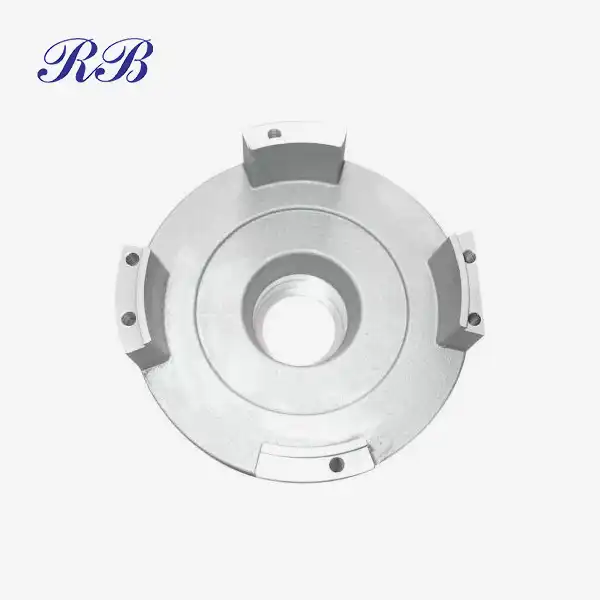
At our Xi'an facility, Rongbao Enterprise offers full production options that include approved shot blasting, precision casting, and CNC-machining all under one roof. Our ISO9001:2015, ISO14001, and ISO45001 certifications show that we are committed to meeting the quality, safety, and environmental standards that industrial equipment makers around the world expect. We are experts at making A380 aluminum parts for natural gas control valves and other industry uses that need precise measurements, a consistent surface finish, and reliable delivery.
Together with your technical staff, our engineering team will find the best ways to make your component designs so they can be manufactured. This includes setting casting parameters, machining steps, and surface treatment standards that balance cost goals with performance needs. We know what key application demands and quality standards are because we've been in the business for twenty years and have worked with clients in the automobile, construction equipment, and energy sectors. Whatever your needs are—whether you need a few prototypes or 5,000 pieces every month—our industrial infrastructure is flexible enough to meet your needs and your budget.
Steve Zhou can be reached at steve.zhou@263.net or zhouyi@rongbaocasting.com to talk about your needs for special casting accessories. As an expert maker of casting accessories, we offer thorough quotes, technical paperwork, and evaluations of sample parts to help you make smart source selection choices that improve the reliability of your supply chain.
References
1. Davis, Joseph R. "Surface Engineering for Corrosion and Wear Resistance." ASM International Materials Park, Ohio, 2001.
2. Champaigne, Jack. "Shot Peening Overview: The Professional's Resource for Shot Peening Training." Electronics Inc., Mishawaka, Indiana, 2016.
3. Gawne, D.T., and Zhang, Tiegang. "The Effect of Grit-Blasting on the Surface Properties and Coating Performance of Cast Aluminum Alloys." Materials Science Forum, vol. 654-656, 2010.
4. Kirk, David. "Shot Peening: Techniques and Applications." Institute of Materials, London, 1989.
5. Sanjurjo, Pio, and Rodriguez, Carlos. "Surface Treatment Effects on Fatigue Performance of Aluminum Castings." International Journal of Metalcasting, vol. 12, no. 3, 2018.
6. Tosha, Kenichi, and Iida, Katsuaki. "Effect of Shot Peening on Surface Characteristics and Fatigue Strength of Cast Aluminum Alloy." Journal of the Society of Materials Science, vol. 51, no. 9, 2002.
Learn about our latest products and discounts through SMS or email