- English
- French
- German
- Portuguese
- Spanish
- Russian
- Japanese
- Korean
- Arabic
- Greek
- German
- Turkish
- Italian
- Danish
- Romanian
- Indonesian
- Czech
- Afrikaans
- Swedish
- Polish
- Basque
- Catalan
- Esperanto
- Hindi
- Lao
- Albanian
- Amharic
- Armenian
- Azerbaijani
- Belarusian
- Bengali
- Bosnian
- Bulgarian
- Cebuano
- Chichewa
- Corsican
- Croatian
- Dutch
- Estonian
- Filipino
- Finnish
- Frisian
- Galician
- Georgian
- Gujarati
- Haitian
- Hausa
- Hawaiian
- Hebrew
- Hmong
- Hungarian
- Icelandic
- Igbo
- Javanese
- Kannada
- Kazakh
- Khmer
- Kurdish
- Kyrgyz
- Latin
- Latvian
- Lithuanian
- Luxembou..
- Macedonian
- Malagasy
- Malay
- Malayalam
- Maltese
- Maori
- Marathi
- Mongolian
- Burmese
- Nepali
- Norwegian
- Pashto
- Persian
- Punjabi
- Serbian
- Sesotho
- Sinhala
- Slovak
- Slovenian
- Somali
- Samoan
- Scots Gaelic
- Shona
- Sindhi
- Sundanese
- Swahili
- Tajik
- Tamil
- Telugu
- Thai
- Ukrainian
- Urdu
- Uzbek
- Vietnamese
- Welsh
- Xhosa
- Yiddish
- Yoruba
- Zulu
5 Cost Advantages Of Sand Casting Aluminum To Save Budget For Your Project
When you're in charge of budgets for buying metal parts, picking the right manufacturing method has a direct effect on your bottom line. Sand casting aluminum offers five distinct cost benefits that assist purchasing managers, technical engineers, and supply chain leaders in lowering costs while keeping quality. This flexible process cuts down on the cost of tools, allows for variable production numbers, makes the best use of materials, streamlines complicated designs, and speeds up time-to-market—all of which are important for many industries, from cars to energy equipment. If your team knows about these benefits, they can make smart decisions about where to source things that meet both technology needs and price limits.
Lower Tooling and Setup Costs Compared to Other Casting Methods
Compared to other casting methods, it costs less to make the tools and set them up. Purchasing managers who are looking at casting choices are very worried about how much the tools will cost. Sand casting aluminum changes this situation in a basic way because it doesn't need expensive permanent tools like other methods do.
Minimal Initial Investment for Mold Creation
Die casting needs polished steel dies that cost tens of thousands of dollars each. Sand molds, on the other hand, use patterns that are thrown away and sand mixes that can be used again and again. At Rongbao Enterprise, we've helped clients cut the cost of their first tools by 60–70% compared to die casting options. This method works especially well when making samples or trying different versions of a design, since making multiple changes would normally require expensive die rework. In the process of making a sand mold, holes are made using shapes that can be changed or replaced without spending a lot of money. This gives the designer a lot of freedom during the development stages.
Economic Advantages for Low-Volume Production
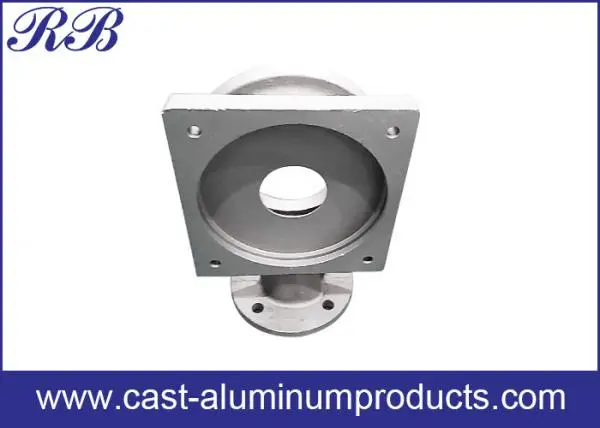
When tooling costs are spread out over smaller batches, the economics of production change in a big way. This idea was shown in our recent project, where we used ZL101A aluminum alloy to make 25 kg pump housings for fire pump control units. At first, the customer only needed 500 units, but that number could grow to 5,000 units per year. High-pressure die casting would have needed a huge investment up front, but sand casting aluminum could start making things right away. It was still possible to handle the pattern costs and setup time, which kept the project within its tight budget and freed up cash flow for other business needs.
Faster Breakeven Points for Budget Planning
When looking to buy parts over a number of years, procurement teams like cost models that are easy to predict. Because sand casting aluminum has lower tooling costs, it can reach profits faster. This is because fewer units are needed to repay initial investments. This aspect of money matters helps with making better budget predictions and lowers the risk that comes with changes in demand or design that could make expensive tools useless.
Cost-Effective for Small to Medium Production Runs
Total project costs are directly affected by how flexible the production volume is, and sand casting aluminum works best for small to medium batches, which are common in industry settings.
Scalability Without Minimum Order Penalties
For high-volume casting methods, buyers are often forced to commit to more inventory than they actually need because of minimum order amounts. Sand casting aluminum gets rid of this problem, so it's possible to make anything from a single sample to several thousand units at a low cost. This scalability supports the ideas of lean manufacturing by making sure that production amounts are in line with real trends of demand instead of process limits. This flexibility helps manufacturers who make specialized equipment parts, like pump housings, valve bodies, or custom machinery parts, avoid the costs and risks of having too much inventory.
Balancing Unit Costs With Total Project Economics
The cost of each piece may be higher for sand casting aluminum than for ultra-high-volume die casting, but the overall cost of the project is lower for medium-scale needs. When you look at the costs of keeping goods, amortizing tools, and the value of flexibility, sand casting aluminum often gives you a better return on your investment for production runs of 100 to 10,000 units. Quality engineers also know that constant batch production in this volume range keeps process control better than long production runs, which can lead to tool wear and process shift.
Supporting Agile Manufacturing Strategies
Responding quickly and being able to make changes are important in modern supply lines. Sand casting aluminum allows for flexible methods because it lets design changes happen between runs without having to throw away expensive tools. This trait is very important when technical specs change based on testing in the field or when working with multiple customers who have similar but different part needs. Being able to make customized specs without having to pay extra boosts your competitive edge and customer happiness.
Material Efficiency and Reduction of Wastage
The cost of raw materials makes up a big part of casting costs, so making the best use of materials is a key part of staying within budget.
Aluminum's Economic and Performance Profile
When compared to heavier metals, aluminum alloys like ZL101A use less material while still keeping structure integrity because they are both light and strong. The material is good for casting because it is flexible and melts at a reasonable temperature. This means that less energy is used during production. These built-in benefits directly lead to lower costs when buying things, especially for parts where less weight adds value through lower shipping costs or better performance in the end product.
Recycling Integration and Waste Minimization
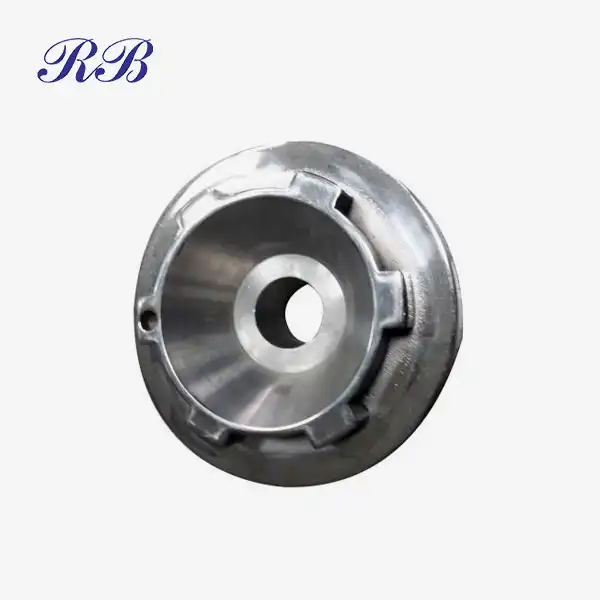
Recycled aluminum can be easily added to sand casting aluminum methods without changing their mechanical qualities. This is good for the environment and saves money on materials. Our ISO14001-certified environmental management system at Rongbao Enterprise makes sure that we recycle and restore materials in a planned way throughout production. The sand molds can be used again and again, which further lowers the cost of consumables. Tough quality control, like carefully preparing the mold and using controlled pouring methods, cuts down on flaws that would otherwise cost a lot in scrap and repair.
Predictable Material Yield Rates
When supply chain managers look at the total cost of ownership, they like it when costs are stable. The link between the amount of raw materials used and the number of finished parts made stays the same from one production batch to the next when sand casting aluminum is used. This level of certainty improves the accuracy of budgets and lowers the number of unexpected costs that come up in production processes that aren't well managed. Material utilization efficiency hits levels that have a real effect on the overall project costs when the right gating design and feeding systems are used together.
Simplified Design Flexibility Reduces Manufacturing Complexity
Engineers are always under pressure to make sure that the designs of their parts are the best they can be in terms of both performance and cost. Sand casting aluminum makes this easier because the process is so flexible.

Complex Geometries Without Cost Penalties
In other methods, complicated internal passages, undercuts, and different wall thicknesses would need expensive secondary machining or the assembly of multiple parts. Sand molds can handle these features. This feature lets designers make functionally perfect parts as single casts, which cuts down on assembly work and possible weak spots. This benefit is shown by the pump housing project we talked about earlier: the complex internal fluid paths and mounting features were cast completely, which saved money by not having to machine these features from solid stock or join several separately made pieces.
Design for Manufacturability Collaboration
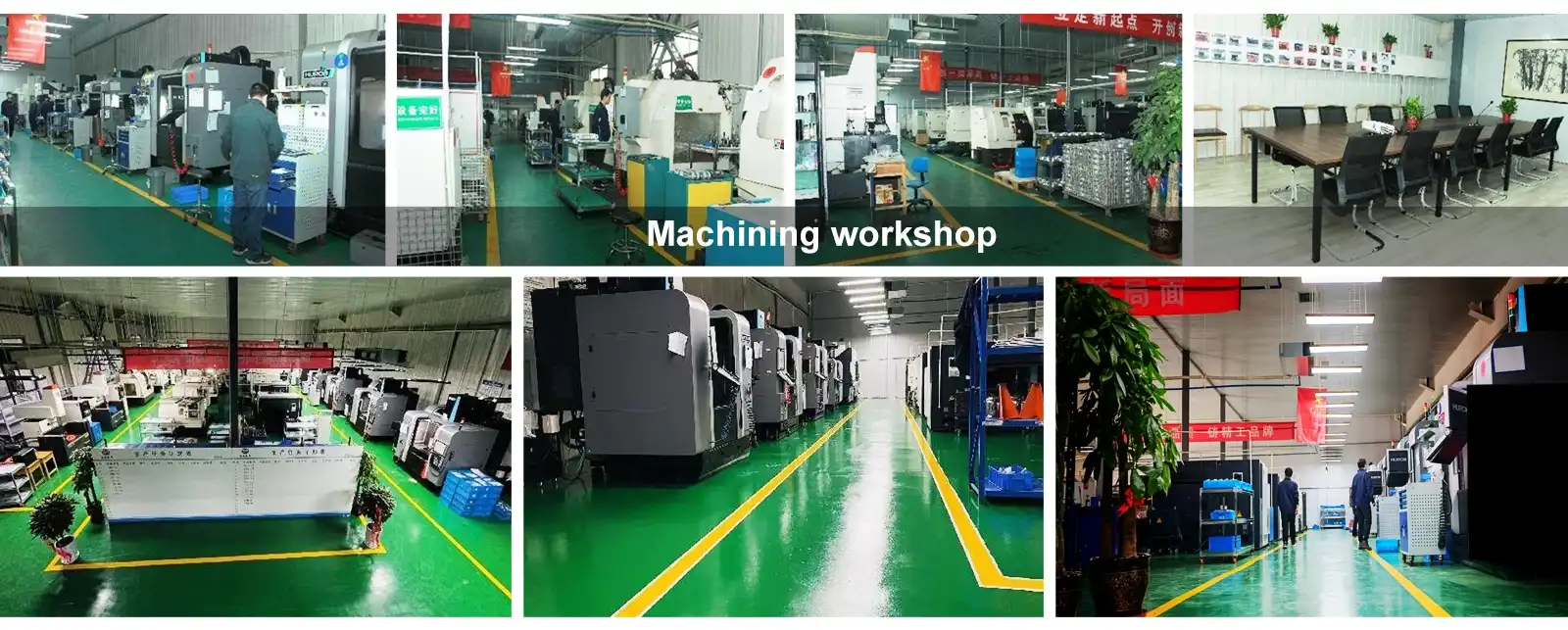
Working with skilled casting sources is more valuable than just making parts. During the planning process, Rongbao Enterprise offers technical advice and looks for ways to make manufacturing simpler while still meeting useful needs. This way of working together finds problems before they happen in production, which saves money on redesigns and delays. Our engineering team offers integrated solutions that improve parts throughout the whole production chain. These solutions are backed up by full-process skills such as CNC machining and surface treatment.
Reducing Iteration Costs During Development
Product creation doesn't usually go from an idea to a final design in a straight line. Because sand casting aluminum has low tooling costs and can change patterns quickly, design development is an affordable option. Technical experts can try out different versions of a design without having to spend a lot of money on fixed tools. This speeds up development while keeping costs low. This ability to repeat itself is very helpful when coming up with new ideas or changing current patterns to fit new uses.
Lower Lead Times and Faster Market Entry Save Operational Costs
In manufacturing buying, time is money, so cutting down on wait time is a real cost advantage that affects many areas of the business.
Streamlined Production Workflows
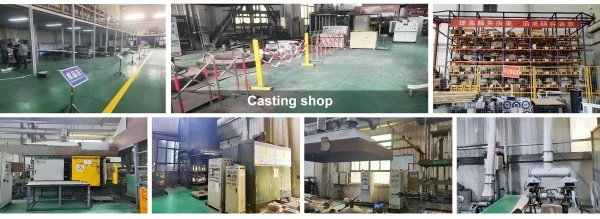
Shorter production cycles are made possible by the fact that sand casting aluminum requires fewer steps than many other ways. Making patterns, putting together molds, filling, solidifying, and shaking go smoothly without the long setup times that are needed for lasting mold processes. Standardized processes and automatic equipment at Rongbao Enterprise's Xi'an facility allow for normal lead times of 4 to 6 weeks from order confirmation to finished parts, which include CNC machining and shot blasting surface treatment. This speed keeps projects on track and cuts down on the amount of working capital that is stuck in long production lines.
Cash Flow Benefits From Faster Turnaround
Long wait times make it harder for cash flow because there is more time between when a purchase is committed to and when the money is received. This dynamic is improved by faster production processes, which lower the cost of holding goods and allow faster responses to market needs. Keeping inventories low and supply lines flexible can save you money on operational costs that are often equal to or greater than the direct differences in manufacturing costs between methods.

Market Responsiveness as Competitive Advantage
Supply chain leaders are becoming more and more aware that speed-to-market skills set businesses apart from competitors. Sand casting aluminum allows for quick testing and production ramp-up, which means that you can respond more quickly to customer needs or market possibilities. Our ability to make 5,000 pieces for the pump housing project, along with our ISO9001:2015 quality certification and export-ready packing in wooden boxes, shows that we can grow our business even when we have shorter lead times. This responsiveness is especially helpful when working with building tools or industrial machinery, where buying decisions are based on when projects need to be finished.
Conclusion
Sand casting aluminum offers quantifiable cost benefits in five key areas that have a direct effect on buying budgets and project economics. Total cost of ownership benefits include lower investments in tools, more flexible production volumes, more cost-effective materials, more design freedom, and shorter lead times. These benefits are especially useful for small to medium production runs in fields that need high-performance, unique parts. As buying strategies put more emphasis on partnerships with suppliers that offer both quality and value, it is important to know how process choice affects project costs if you want to be competitive in global markets.
FAQ
What production volumes make sand casting aluminum most cost-effective?
Sand casting aluminum has the best economics for production runs of 100 to 10,000 units, but it can also be used for prototypes and bigger volumes, based on the complexity of the component. Compared to die casting, this method has lower tooling costs, so breakeven points happen at relatively low numbers. This makes it perfect for making custom equipment, spare parts, and specialized parts when volume needs don't support permanent machine investments.
How does sand casting quality compare to other aluminum casting methods?
When done by qualified producers with the right process controls, modern sand casting aluminum meets very high quality standards. Our ISO9001:2015 certification and thorough testing processes at Rongbao Enterprise make sure that the dimensions and mechanical qualities of our products meet international standards. For some industrial uses, the surface finish might need to be shot-blasted or treated in some other way, but for most uses, the structural stability and performance are the same as or better than other ways.
Can sand casting accommodate tight tolerances and complex specifications?
When you mix sand casting aluminum with CNC machining, you can get tight limits on important measurements while still keeping costs low. We cast near-net forms with average tolerances of ±0.5mm and then use precise machining on parts that need to meet stricter standards. This mixed method cuts down on costs by removing as little material as possible while still meeting the exacting standards that quality engineers need for things like pump housings and precision equipment components.
Partner With Rongbao Enterprise for Cost-Effective Sand Casting Aluminum Solutions
Rongbao Enterprise has 20 years of experience making metal and can help you find the best prices on parts without sacrificing quality. We have been making sand casting aluminum products for a long time and can do everything from making the mold to CNC cutting and surface treatment. We are also triple ISO certified (ISO9001:2015, ISO14001, and ISO45001), which makes sure that our products are always made in a way that follows the rules. Our Xi'an plant makes unique aluminum castings out of ZL101A and other alloys. It can make up to 5,000 pieces at a time, and the specs can be changed to fit your exact needs.
Our expert team works with your engineers to find cost-effective solutions that balance performance with budget needs, whether you need pump housings, machinery parts, or unique industrial parts. Get in touch with Steve Zhou at steve.zhou@263.net or zhouyi@rongbaocasting.com to talk about how our sand casting aluminum services can help you save money on your project while still meeting the quality standards your needs. You can look at all of our production options at rongbaocasting.com.
References
1. Campbell, J. (2015). Complete Casting Handbook: Metal Casting Processes, Metallurgy, Techniques and Design. Butterworth-Heinemann Publishing.
2. American Foundry Society. (2018). Sand Casting Process Economics and Cost Analysis for Aluminum Alloys. AFS Technical Publications.
3. Brown, J.R. (2019). Foseco Ferrous Foundryman's Handbook. Elsevier Science & Technology.
4. Davis, J.R. (2021). Aluminum and Aluminum Alloys: ASM Specialty Handbook. ASM International Materials Park.
5. Beeley, P.R. & Smart, R.F. (2017). Investment Casting Process Comparison and Cost Optimization Studies. Institute of Cast Metals Engineers Journal.
6. International Journal of Metalcasting. (2020). Material Efficiency and Sustainability in Modern Sand Casting Operations. Springer Publishing, Volume 14, Issue 3.
Learn about our latest products and discounts through SMS or email