- English
- French
- German
- Portuguese
- Spanish
- Russian
- Japanese
- Korean
- Arabic
- Greek
- German
- Turkish
- Italian
- Danish
- Romanian
- Indonesian
- Czech
- Afrikaans
- Swedish
- Polish
- Basque
- Catalan
- Esperanto
- Hindi
- Lao
- Albanian
- Amharic
- Armenian
- Azerbaijani
- Belarusian
- Bengali
- Bosnian
- Bulgarian
- Cebuano
- Chichewa
- Corsican
- Croatian
- Dutch
- Estonian
- Filipino
- Finnish
- Frisian
- Galician
- Georgian
- Gujarati
- Haitian
- Hausa
- Hawaiian
- Hebrew
- Hmong
- Hungarian
- Icelandic
- Igbo
- Javanese
- Kannada
- Kazakh
- Khmer
- Kurdish
- Kyrgyz
- Latin
- Latvian
- Lithuanian
- Luxembou..
- Macedonian
- Malagasy
- Malay
- Malayalam
- Maltese
- Maori
- Marathi
- Mongolian
- Burmese
- Nepali
- Norwegian
- Pashto
- Persian
- Punjabi
- Serbian
- Sesotho
- Sinhala
- Slovak
- Slovenian
- Somali
- Samoan
- Scots Gaelic
- Shona
- Sindhi
- Sundanese
- Swahili
- Tajik
- Tamil
- Telugu
- Thai
- Ukrainian
- Urdu
- Uzbek
- Vietnamese
- Welsh
- Xhosa
- Yiddish
- Yoruba
- Zulu
What is the best sand for casting copper?
Choosing the right sand for copper sand casting is very important if you want the finished parts to be accurate in size and have a good finish. Your casting needs will determine the best sand, but in general, zircon sand is the best because it is very stable at high temperatures and can handle copper's high melting point (about 1,085°C for pure copper). Zircon sand is great for precision uses because it reduces heat expansion and gives surfaces a better finish. But silica sand is still a good deal for projects that don't need to be very strong, while chromite sand is better for heavy-duty industry uses because it doesn't get too hot. By knowing the complexity of the part, the material requirements, and the production rate, you can find the sand type that gives you the best performance at the lowest cost in your copper casting processes.
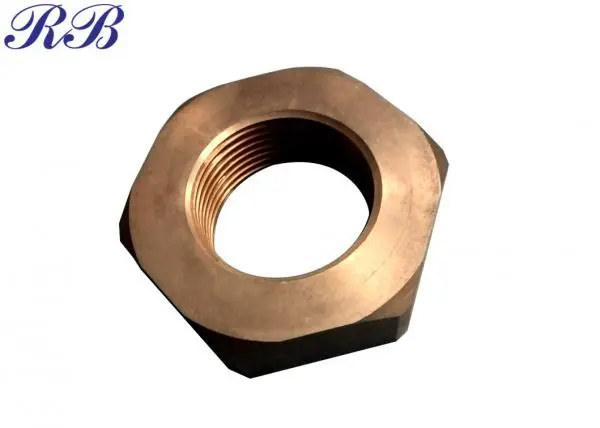
Understanding Copper Sand Casting and Its Unique Requirements
When it comes to sand casting, copper and its metals, like H60 brass, are more difficult than iron or aluminum. Because the material melts at a high temperature, molds must be able to keep their shape under extreme heat stress. Copper metals' thermal conductivity speeds up heat transfer, which can cause the mold to break down too soon if the sand isn't refractorily enough.
Why Sand Selection Matters for Copper Alloys?
Bad sand choices cause common flaws that raise the cost of scrap and repair. When gases that are caught can't get out through sands with low permeability, blowholes form. Sand grains sticking to the casting surface while it hardens cause rough surface finishing. Molten copper can get into sand gaps and compromise the limits for size. This is called metal penetration. These problems have a direct effect on how well your production works and how reliable your parts are.
Over the past 20 years, Rongbao Enterprise has improved gravity casting methods for copper alloys like H60. These processes now allow us to make precise parts like hexagon nuts for kitchen use. We know that choosing the right sand isn't just a technical matter because we've worked with materials that need temps above 900°C. Using the right sand can cut the number of defects by as much as 40%, which has a direct effect on your bottom line and delivery times.
Thermal Management in Copper Casting
Copper's temperature qualities need sands that are very refractory, which means they don't soften when heated. To keep mold from breaking, sands must also have controlled temperature expansion. It is important that the material is permeable so that gases that are created when metal is poured can escape without leaving holes. Collapsibility makes sure that the sand mold comes off easily after the casting has hardened, which stops the casting from warping during shakeout.
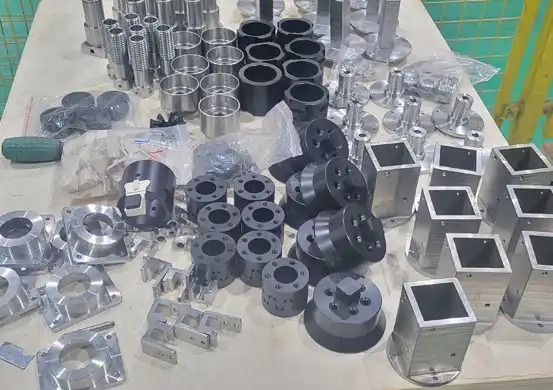
Key Sand Types Used in Copper Sand Casting
Knowing the different types of sand that are out there helps purchasing managers and technical engineers make choices that meet quality standards and stay within budget.
Silica Sand: The Economical Workhorse
Silica sand is widely available and cheap, so it is used a lot in the casting business. Its angled grain structure makes it pretty easy to shape, and it works well for copper castings that don't need to be very precise. The fact that silicon changes phases at high temperatures, on the other hand, makes it less useful for high-precision copper work. Molds can move because of thermal expansion, which can affect the accuracy of measurements for parts that need to be very precise.
Zircon Sand: Premium Performance for Precision Work
When you need a surface with great quality and stable dimensions, zircon sand is the best choice. Because it doesn't conduct heat as well as silica, it protects the mold from thermal shock. Zircon's high refractoriness (above 2,200°C) makes it perfect for copper alloys that need to be poured at high temperatures. The fine grain structure makes the casting surfaces smoother, which means less post-casting cutting is needed. This is a big benefit when you consider how much CNC milling costs as part of the total cost of production.
Most of the time, zircon sand is three to four times more expensive than quartz, but good engineers know that this is a trade-off. Lower finishing costs and fewer defects often make the original investment worth it, especially for parts that will be used in aerospace or cars where failure is not a choice.
Chromite Sand: Strength Under Thermal Stress
Since chromite sand is better at resisting heat and breaking, it can be used to make heavy-section copper sand casting and copper casts. Its high density and ability to conduct heat quickly help it solidify in the right way and minimize shrinkage flaws. Chromite is very good at stopping metal from penetrating it, so even when the mold is poured aggressively, the features stay sharp.
People like this type of sand for use in automobile and heavy machinery parts where keeping the casting's structure during thermal cycling is very important. Components in the energy industry, especially those in oil and gas tools, last longer because chromite is strong.
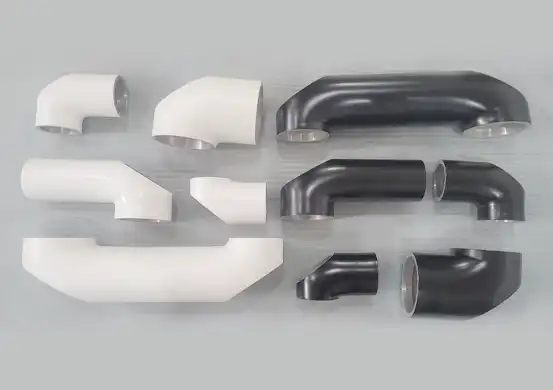
Synthetic and Specialty Sands: Innovation Meets Sustainability
New synthetic sands have qualities that were designed to solve certain casting problems. Some versions help the environment by making it easier to recycle and lowering the amount of dust that is released when the product is handled. Others try to get the best grain size spread so that drainage and surface finish needs are met. Even though these materials only make up a small part of the market right now, they show how foundry technology keeps getting better to meet changing performance and legal needs.
How to Choose the Best Sand for Your Copper Casting Needs?
To choose the right sand, you need to make sure that the features of the material match your production needs and quality goals.
Defining Your Casting Requirements
Part complexity affects a lot of sand choice options. For complex shapes with thin walls, you need fine-grain sands that can hold details without letting too much water through. Large, simple casts may work well with rougher, less expensive materials. The make-up of the metal is important. For example, brass alloys with different melting points may be able to handle different amounts of heat stress on the mold.
The amount of production affects how much it costs. The cost of premium sand is spread out over thousands of pieces in high-volume runs, which makes performance benefits more appealing from an economic point of view. For low-volume or pilot work, setup speed and the availability of materials may be more important than small quality gains.
Critical Sand Properties to Evaluate
The surface finish and mold porosity are directly related to the grain size. It has fine grains (AFS 60–80) that make surfaces smoother but also make it harder for gases to escape. Coarser grains (AFS 40–50) make it easier for air to flow, but they may lower the quality of the surface. Copper sand casting jobs usually work with permeability rates between 100 and 200, but the exact needs depend on the part design.
The refractoriness value shows the highest temperature resistance before sintering happens. To keep the model stable during the heating cycle, copper casting needs refractoriness above 1,400°C. When thermal expansion rates are less than 1%, changes in size during heating and cooling are kept to a minimum.
Collapsibility tells you how easy the used sand comes out of the casting when you shake it out. Not being able to collapse properly lengthens the time it takes to breakout and could damage delicate parts. This trait is especially important for parts with complicated internal pathways or thin walls, where defects can be caused by mechanical stress during mold removal.
Comparing Performance Against Cost
The total cost of ownership and results must be balanced by procurement managers. The price of the materials at the start is only one factor. Over the course of a production run, defects, higher yields, and the cost of repairs add up. A sand that costs 30% more per ton but cuts down on waste by 25% is clearly better for the economy in the long run.
Protocols for testing make sure that the sand works before committing to full-scale production. Sample casts show how different sands react with your alloy, the temperature at which you pour it, and the shape of the mold. Working with suppliers who offer expert help during testing cuts down on the costs of making mistakes and speeds up the qualification process.
Our ISO9001:2015, ISO14001, and ISO45001 certifications at Rongbao Enterprise make sure that quality control is consistent from the time that raw materials are inspected when they arrive at the factory until they are delivered as finished goods. We test sand lots thoroughly to make sure they are all the same. This keeps your production plans from being thrown off by unexpected changes in the materials.
Application-Specific Sand Selection: Real-World Use Cases
Different businesses have different needs for casting materials, so they need different methods for choosing sand.
Automotive and Commercial Vehicle Components
Copper casts that stay the same size even when heated and cooled many times are needed for heat exchanges and radiator parts. Sands that don't expand much when heated don't shift over time. Chromite or zircon sands usually meet quality standards for the car industry, especially for Tier-1 and Tier-2 suppliers who work on OEM contracts with strict requirements.
Components of the brake system need to have the same mechanical qualities from one production batch to the next. Porosity and other sand-related flaws weaken structures and pose safety risks. Quality engineers choose sands that have been shown through strict testing methods to reduce the number of gas-related flaws.
Electrical Components and Connectors
Copper is good for electrical uses because it conducts electricity well, but the finish on the surface directly affects how reliable the link is. Fine-grain zircon sands make surfaces smooth, which cuts down on the time needed for cutting after casting. Dimensional accuracy is very important because connecting parts with spec variations make assembly hard and affect how well the electricity works.
Precision casting lowers the prices of further processing, as we can see from our experience making hexagon nuts for use in kitchens. We get uniform sizes that don't need as much CNC machining by choosing the right types of sand and controlling the process settings through gravity casting. The finish quality is improved even more by shot blasting, which produces parts that meet international electrical safety standards.
Aerospace and High-Precision Applications
Zero-defect production methods are needed for aerospace parts. The goal of sand selection is to reduce the number of possible failure modes as much as possible, even if it means paying a lot more for materials. When a failing part could put airplane safety or mission success at risk, zircon sand's superior heat stability and surface quality make the higher price tag worth it.
In aircraft uses, non-destructive testing (NDT) is needed to find even small problems inside. The first-pass yield rates of X-ray and ultrasonic screening are better when sands that decrease porosity and shrinkage flaws are used. Not only does the price of the materials affect the total cost, but so do the time it takes to check, the paperwork that needs to be done, and the cost of possibly having to do more work.
Conclusion
Finding the best sand for copper sand casting means finding a balance between heat performance, surface quality needs, and cost factors that are unique to your application. For precise work, zircon sand gives the best results, while silica sand is cheaper and better for less difficult tasks. Chromite sand is used for heavy-duty tasks that need the highest level of heat protection. Your choice should be based on how complicated the part is, how much you need to make, and the quality standards your customers expect. Choosing the right sand lowers the number of defects, raises the yield, and lowers the total cost of production throughout the whole manufacturing process. Working with foundries that have been around for a while gives you access to technical know-how and high-quality systems that turn choosing materials from a guessing game into a strategic benefit.
FAQ
Is silica sand suitable for all copper casting applications?
Silica sand works well for copper sand castings that don't need to be very precise and have simple shapes. But because it expands when it gets hot, it can't be used for precise tasks. Copper metals that are heated to high temperatures may change the phase of silicon, which can make it harder to get accurate measurements. Before selecting silica for important parts, technical engineers should look at the amounts of thermal stress and the surface finish needs.
How does grain size affect casting quality?
Both surface finish and mold porosity are affected by the size of the grains. Finer grains make casting surfaces smoother by lowering surface roughness, which means less cutting needs to be done after casting. Coarser grains improve porosity, which makes it easier for gases to leave and lowers the number of blowholes. Based on part design and quality standards, the best grain size strikes a balance between these different needs.
What certifications should I look for in a copper casting supplier?
As a minimum, reliable providers keep their ISO9001 quality control certification. IATF16949 approval is needed for automotive uses. ISO14001 proves that a business is environmentally friendly, and ISO45001 proves that a job is safe. These certifications show that methods and management systems have been standardized. This makes sure that the quality of each output batch is the same, which protects the reliability of your supply chain.
Partner with Rongbao Enterprise for Superior Copper Sand Casting Solutions
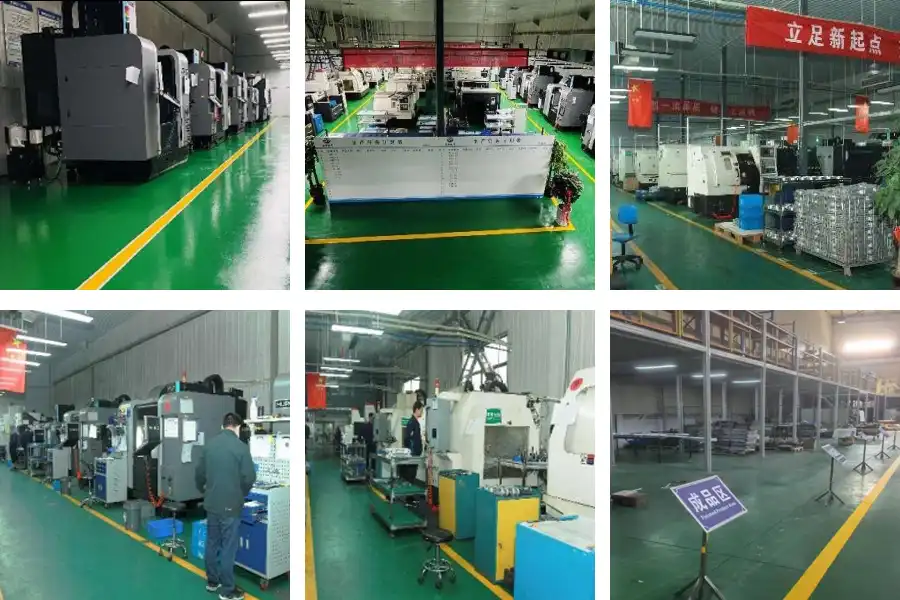
Precision copper sand casting is what Rongbao Enterprise does thanks to 20 years of industrial experience and strict quality control systems. With our gravity casting skills, we can make complicated parts like H60 brass hexagon nuts that are always the right size, even when we're making 5,000 of them. We keep our ISO9001:2015, ISO14001, and ISO45001 certifications up to date to make sure that every casting meets the highest quality and environmental standards around the world. Our full-chain production process includes everything from making the mold to CNC machining and shot blasting the surface. This removes the planning problems that come with buying from multiple vendors.
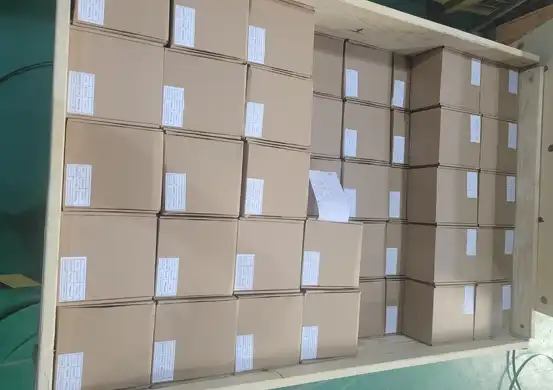
We know how hard it is to find reliable suppliers because we are a trusted copper sand casting company that works with the automobile, industrial equipment, and consumer goods industries. Seventy percent of what we make in Xi'an is sent to high-quality markets in America, Europe, and Japan, where no flaws are acceptable. Customized OEM/ODM services can be used to meet your unique needs, and shipping items internationally safely is made possible by wooden boxes. Steve Zhou can be reached at steve.zhou@263.net or zhouyi@rongbaocasting.com to talk about how our copper casting skills can help you improve the performance of your parts and the stability of your supply chain.
References
1. American Foundry Society, "Principles of Metal Casting: Sand Properties and Testing Methods," Fourth Edition, 2019.
2. Campbell, J., "Complete Casting Handbook: Metal Casting Processes, Metallurgy, Techniques and Design," Butterworth-Heinemann, 2015.
3. Brown, J.R., "Foseco Ferrous Foundryman's Handbook," Eleventh Edition, Butterworth-Heinemann, 2000.
4. Stefanescu, D.M., "ASM Handbook Volume 15: Casting," ASM International, 2008.
5. Beeley, P.R., "Foundry Technology," Second Edition, Butterworth-Heinemann, 2001.
6. International Journal of Metalcasting, "Advances in Sand Casting Technology for Non-Ferrous Alloys," Volume 14, Issue 3, 2020.
Learn about our latest products and discounts through SMS or email