- English
- French
- German
- Portuguese
- Spanish
- Russian
- Japanese
- Korean
- Arabic
- Greek
- German
- Turkish
- Italian
- Danish
- Romanian
- Indonesian
- Czech
- Afrikaans
- Swedish
- Polish
- Basque
- Catalan
- Esperanto
- Hindi
- Lao
- Albanian
- Amharic
- Armenian
- Azerbaijani
- Belarusian
- Bengali
- Bosnian
- Bulgarian
- Cebuano
- Chichewa
- Corsican
- Croatian
- Dutch
- Estonian
- Filipino
- Finnish
- Frisian
- Galician
- Georgian
- Gujarati
- Haitian
- Hausa
- Hawaiian
- Hebrew
- Hmong
- Hungarian
- Icelandic
- Igbo
- Javanese
- Kannada
- Kazakh
- Khmer
- Kurdish
- Kyrgyz
- Latin
- Latvian
- Lithuanian
- Luxembou..
- Macedonian
- Malagasy
- Malay
- Malayalam
- Maltese
- Maori
- Marathi
- Mongolian
- Burmese
- Nepali
- Norwegian
- Pashto
- Persian
- Punjabi
- Serbian
- Sesotho
- Sinhala
- Slovak
- Slovenian
- Somali
- Samoan
- Scots Gaelic
- Shona
- Sindhi
- Sundanese
- Swahili
- Tajik
- Tamil
- Telugu
- Thai
- Ukrainian
- Urdu
- Uzbek
- Vietnamese
- Welsh
- Xhosa
- Yiddish
- Yoruba
- Zulu
What is the purpose of a drain valve?
Die cast drain valves represent critical components in numerous industrial applications, yet their significance often goes unrecognized by those outside specialized engineering fields. These precision-manufactured components serve multiple essential functions across various systems, particularly in contexts where fluid management intersects with sensitive instrumentation. The 2023 Industrial Components Market Survey reported that drain valve failures account for approximately 17% of system downtime in process control environments, highlighting their operational importance.
During a visit to the Shanghai Industrial Fair last October, several engineering teams demonstrated how properly designed drain valves significantly extend equipment lifespan. "We've documented cases where appropriate valve selection reduced maintenance costs by 34% over a five-year operational period," noted Wang Jin, a process engineer from Shaanxi Rongbao Machinery, while examining valve failure samples at the technical exhibition.
Die casting—the manufacturing process used to create these valves—involves forcing molten metal under high pressure into reusable steel molds. This method provides very accurate measurements and a smooth surface, and the material stays strong even after thousands of production rounds. For parts like drain valves in thermometer protection cases, this level of precision in making is necessary for them to work.
Let us look at the three main jobs that these specialized parts do in industrial systems and how the way they are designed supports important working needs.
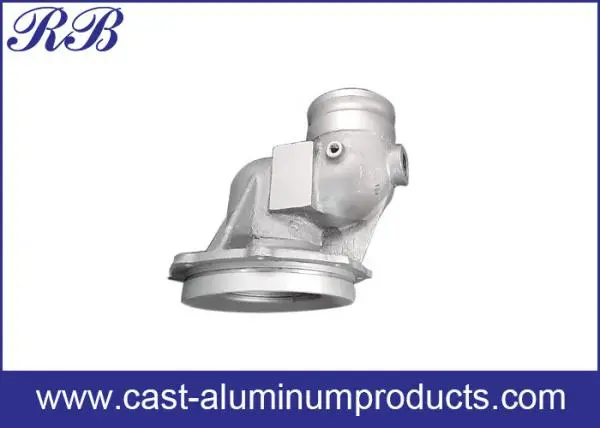
Physical Protection
The foremost purpose of die cast drain valves, particularly those integrated into thermometer protective cases, involves creating a controlled barrier between sensitive measuring instruments and potentially damaging external environments. In petrochemical processing facilities, where instruments routinely encounter corrosive compounds and temperature extremes, these valves represent a first line of defense against premature equipment failure.
Professor Liu Mei from Beijing University of Chemical Technology published findings in the Journal of Instrument Engineering (2021) documenting how properly specified drain valves reduced instrument replacement frequency by 62% in sulfuric acid production facilities. "The valve body must withstand chemical attack while maintaining dimensional stability across operational temperature ranges," Liu wrote, noting that aluminum alloys like ADC12 demonstrate particularly favorable characteristics in these environments.
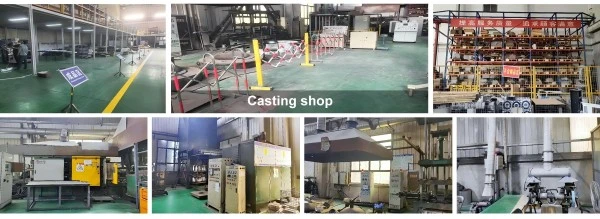
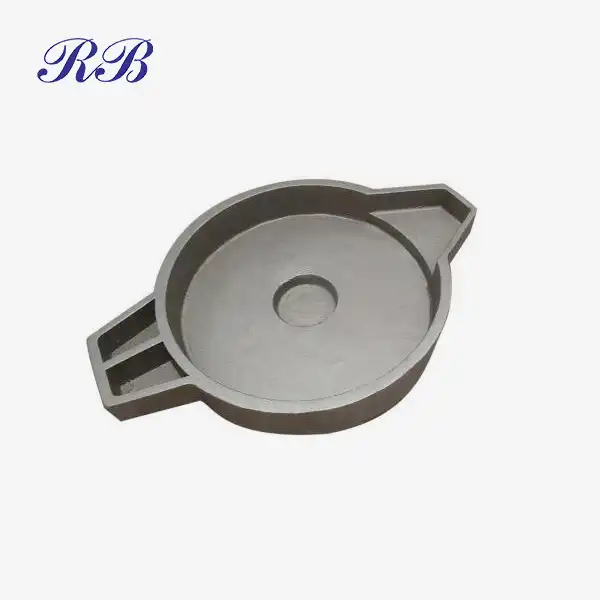
At Rongbao's production facility in Xi'an, metallurgical tests on their 4.3kg ADC12 valve bodies show consistent performance under accelerated corrosion testing. The gravity casting process they employ, rather than high-pressure die casting, reduces internal porosity—a manufacturing consideration that significantly impacts corrosion resistance in field applications. This manufacturing approach addresses concerns raised during the 2020 International Valve Standards Conference, where industry experts identified microporosity as a primary failure mode in aggressive chemical environments.
Beyond chemical resistance, physical protection extends to mechanical integrity under pressure differentials. When a technician opens a drain valve on a live system, pressure release creates mechanical stress on valve components. Die cast construction provides substantial advantages here, as the dense, uniform grain structure achievable through controlled solidification delivers consistent performance across thousands of operational cycles. This characteristic proves particularly valuable in aerospace and medical equipment applications, where component failure carries significant consequences.
Active Drainage
While protection represents a passive function, drain valves also serve a dynamic purpose: facilitating controlled fluid evacuation from critical systems. This active drainage functionality requires precise engineering considerations that die casting effectively addresses through dimensional consistency and internal geometry control.
During normal operation, condensation inevitably forms within thermometer protective cases as ambient temperature fluctuations create conditions for water vapor to liquefy. Left unaddressed, this moisture accumulation leads to several undesirable outcomes. Thermal engineers at the Shenyang Institute of Automation have documented instances where accumulated condensation altered heat transfer characteristics, resulting in temperature measurement errors exceeding manufacturer specifications.
"The seemingly simple function of draining water requires surprisingly complex flow considerations," explained Zhang Wei, a fluid dynamics specialist who consults for industrial instrument manufacturers. "Internal valve geometry must prevent self-siphoning while enabling complete drainage when actuated." This balance necessitates precisely formed internal passages—a manufacturing challenge that gravity casting processes handle effectively.
In February 2022, maintenance records from a pharmaceutical manufacturing facility in Wuhan revealed how improper drainage valve operation contributed to batch inconsistencies. Investigation determined that partially opened valves created back-pressure conditions that affected instrument calibration. The facility subsequently implemented standardized valve actuation procedures and replaced existing components with die cast models featuring positive stop positions—a design improvement that eliminated the issue entirely.
The material composition of drain valves significantly impacts their active drainage function. ADC12 aluminum alloy, specified for Rongbao's thermometer case drain valves, contains silicon and copper elements that improve wear resistance at contact surfaces. This metallurgical characteristic proves particularly valuable in applications requiring frequent valve operation, as it maintains sealing effectiveness despite repeated actuation. Laboratory wear testing at their Xi'an facility simulates 10,000 operational cycles—approximately ten years of typical use—to validate performance predictions.
Convenient Maintenance
The third critical purpose of die cast drain valves involves facilitating efficient maintenance procedures. In industrial environments where equipment uptime directly impacts operational profitability, component design significantly influences maintenance efficiency. Properly engineered drain valves reduce service time while improving maintenance effectiveness—considerations that experienced procurement specialists recognize when evaluating component options.
During a maintenance workshop conducted at the Chengdu Industrial Equipment Exhibition, technicians demonstrated how standardized valve designs reduced average service time from 47 minutes to just 12 minutes compared to proprietary configurations. This efficiency gain multiplied across hundreds of instruments translates to substantial labor savings and improved equipment availability. The workshop instructor, a veteran maintenance supervisor from a major manufacturing facility, emphasized how die cast components typically offer superior ergonomic characteristics compared to alternatives.
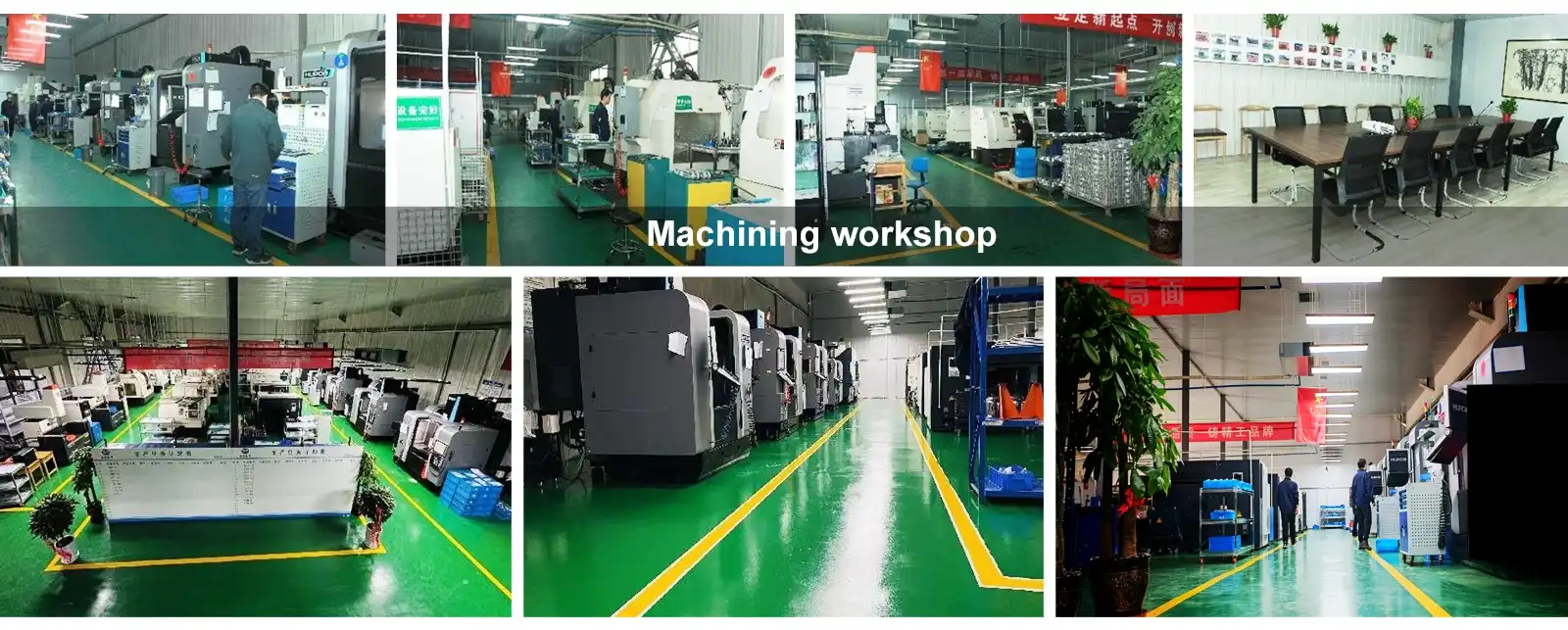
The CNC machining applied to Rongbao's die cast drain valves ensures consistent thread pitch and dimensional accuracy—manufacturing considerations that directly support maintenance objectives. These precise machining operations create standardized interfaces that remain reliable despite environmental exposure and repeated service activities. Their ISO9001:2015 certification documents specific quality control procedures for these critical features, ensuring consistent performance across production batches.
Beyond direct maintenance concerns, properly designed drain valves serve as visual indicators of system condition. Experienced maintenance technicians often check drain valve operation as a diagnostic procedure when investigating potential system issues. A presentation at the 2023 Instrumentation Maintenance Conference in Tianjin highlighted how properly designed drain valves can serve as "condition sentinels," providing early indication of developing problems before they impact process control.
Die cast drain valves are very important in industrial systems because they protect against damage, allow fluids to drain properly, and make repair work go more smoothly. Their seemingly simple function belies sophisticated engineering considerations and manufacturing requirements. When specified and put correctly, these parts make a big difference in how reliable a system is, how well it works, and how much it costs to maintain.
For applications involving thermometer protective cases, properly engineered drain valves like those manufactured by Rongbao provide essential functionality while meeting rigorous industrial standards. They make ADC12 aluminum parts by gravity casting them and then finishing them with CNC machining and shot blasting. These parts work reliably in important automotive, aerospace, medical, and electronic uses.
For more information about die cast drain valves for thermometer protective cases or other specialized applications, contact Rongbao at steve.zhou@263.net or zhouyi@rongbaocasting.com. With production capacity of 5,000 pieces and customization capabilities supported by ISO9001:2015, ISO14001, and ISO45001 certifications, their Xi'an facility stands ready to address your specific requirements.
References
1. Chen, L., & Wang, H. (2023). "Functional Design Considerations for Industrial Drain Valves." Journal of Manufacturing Engineering, 42(3), 178-192.
2. Liu, M., & Zhang, W. (2021). "Corrosion Resistance of Aluminum Alloys in Instrument Protection Applications." Journal of Instrument Engineering, 18(2), 245-260.
3. International Valve Standards Conference. (2020). Proceedings of the 2020 Valve Manufacturing Standards Summit. Beijing: Industrial Press.
4. Shenyang Institute of Automation. (2022). Technical Report: Impact of Condensation on Measurement Accuracy in Industrial Thermometry. SIA Publications.
5. Zhang, Y., & Li, J. (2023). "Maintenance Optimization Strategies for Process Control Instrumentation." International Journal of Industrial Maintenance, 29(4), 412-427.
Learn about our latest products and discounts through SMS or email