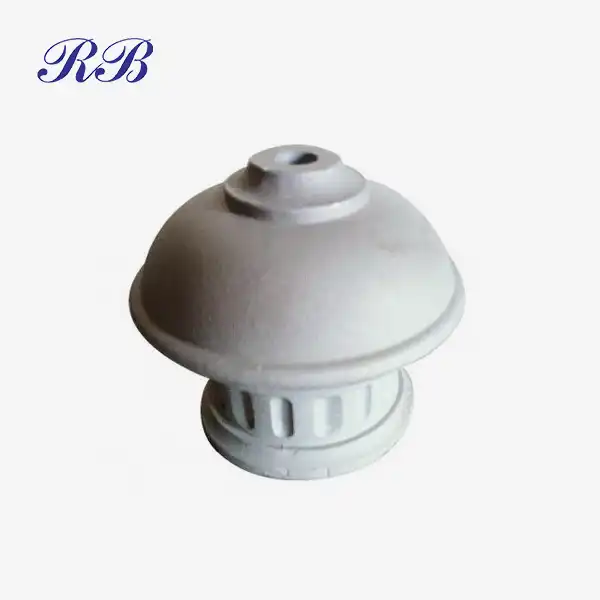
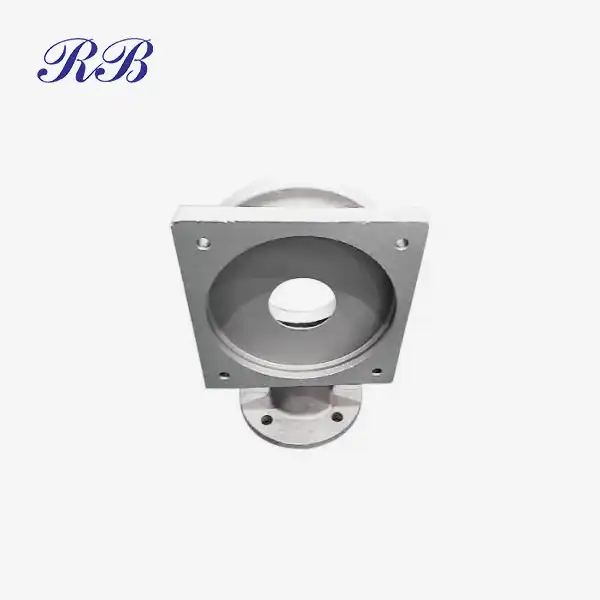
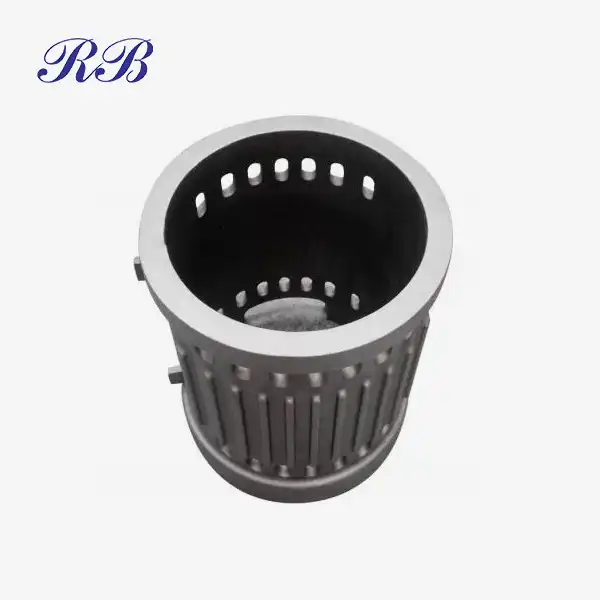
Industry professionals understand that defect prevention begins long before molten metal contacts the mold cavity .At every step of the casting process, there are chances to improve quality or places where something could go wrong and cause expensive rejections. From controlling the temperature in the furnace to planning how to cool the metal completely, successful foundries use organized methods that take into account copper's unique metal properties while keeping production running smoothly.
Optimize Melting & Molten Metal Treatment (Prevent Oxidation & Porosity)
The foundation of defect-free copper sand casting rests upon achieving optimal metal chemistry and cleanliness during the melting phase. Copper's high affinity for oxygen creates persistent challenges that manifest as porosity, oxide inclusions, and reduced mechanical properties in finished castings. Experienced foundry operators recognize that preventing these issues requires proactive measures rather than attempting corrections after problems develop.
Furnace atmosphere management becomes critical when melting copper alloys, as even brief exposure to oxidizing conditions can introduce detrimental oxide formations. Modern induction furnaces equipped with controlled atmosphere systems maintain reducing environments through carefully regulated gas mixtures, typically incorporating nitrogen or argon with trace carbon monoxide additions. Temperature monitoring systems must account for copper's rapid heat absorption characteristics, as overheating can exacerbate oxidation while insufficient temperatures compromise alloy homogeneity.
Deoxidation practices vary significantly based on alloy composition and intended application requirements. Phosphorus additions serve dual purposes as deoxidizers and grain refiners, though excessive amounts can create brittleness in certain copper alloys. Foundries specializing in high-quality copper components often employ multiple deoxidation stages, beginning with furnace additions followed by ladle treatments that address oxidation occurring during transfer operations.
Molten metal cleanliness extends beyond deoxidation to include removal of non-metallic inclusions and dissolved gases that contribute to porosity formation. Ceramic foam filters positioned in gating systems provide mechanical filtration while allowing thermal equilibration of the metal stream. However, filter selection must consider copper's unique flow characteristics and solidification patterns to prevent flow restrictions that could introduce turbulence or cold shut defects.
Gas porosity prevention requires understanding the solubility relationships between copper and common atmospheric gases. Hydrogen absorption increases dramatically with temperature, making rapid processing after melting completion essential for maintaining low gas content. Some foundries implement vacuum degassing systems for critical applications, though the investment must be justified by the value-added requirements of the target market segments.
Design Sand Molds & Cores for Copper's Needs (Prevent Collapse & Gas Trapping)
Sand system selection profoundly impacts casting success when working with copper alloys, as their high thermal conductivity and density create unique challenges for mold stability and gas evolution management. Traditional silica sand systems, while cost-effective, may not provide adequate performance for complex copper castings that demand precise dimensional control and surface finish quality. The interaction between hot copper and sand binder systems generates gases that must be efficiently evacuated to prevent porosity and surface defects.
Mold permeability calculations for copper sand casting require consideration of the metal's rapid heat transfer characteristics and the resulting steam generation from residual moisture in sand systems. Green sand molds must achieve optimal moisture content balance, typically maintained between 2.5-4% depending on clay content and compaction levels. Excessive moisture leads to steam-related porosity, while insufficient moisture compromises mold strength and increases erosion potential during pouring operations.
Core design strategies must accommodate copper's high density and fluid characteristics during mold filling. Cores positioned in areas experiencing high metal velocities require enhanced strength through improved binder systems or strategic reinforcement placement. Phenolic urethane cold-box cores have gained acceptance for complex copper castings, providing superior dimensional accuracy and gas evolution characteristics compared to traditional oil-sand systems.
Gating and risering design principles for copper differ substantially from those applied to ferrous metals due to copper's unique solidification shrinkage patterns and thermal conductivity. Multiple ingates distributed around the casting perimeter help maintain uniform filling velocity while minimizing turbulence that could entrain oxides or create porosity. Riser placement must account for copper's directional solidification tendencies, ensuring adequate feeding of heavy sections while preventing hot spots that could cause cracking during cooling.
Venting system design becomes particularly crucial for copper castings containing internal cavities or complex geometries where gas entrapment commonly occurs. Strategic placement of vents at the highest points of the mold cavity facilitates gas escape while preventing back-pressure that could impede complete mold filling. Some foundries incorporate active venting systems that create slight vacuum conditions to enhance gas removal during the critical early stages of solidification.
Mold coating applications serve multiple functions in copper sand casting, providing thermal barriers that control cooling rates while creating smooth surfaces that reduce casting cleaning requirements. Alcohol-based coatings evaporate cleanly without leaving residues that could contribute to gas defects, though application techniques must ensure uniform coverage without creating thick spots that might crack during thermal cycling.
Control Pouring & Cooling Processes (Prevent Cold Shuts & Cracking)
Pouring technique mastery represents the culmination of copper sand casting expertise, where theoretical knowledge meets practical execution in determining final casting quality. The narrow temperature window between adequate fluidity and excessive superheat demands precise timing and execution that experienced pourers develop through years of hands-on practice. Cold shut defects frequently result from inadequate pouring temperatures or interrupted metal flow during mold filling, creating weak interfaces that can fail under service loads.
Temperature management during pouring requires understanding copper's rapid cooling characteristics and their impact on mold filling completeness. Superheat calculations must account for heat losses during ladle transfer, pouring time, and mold thermal mass effects. Pyrometer readings taken immediately before pouring provide the most accurate temperature data, though experienced operators also rely on visual cues such as metal brightness and surface characteristics to assess pouring readiness.
Pouring rate control prevents turbulence-induced defects while ensuring complete mold cavity filling before solidification begins. Bottom pouring systems minimize oxidation and turbulence compared to top pouring methods, though they require more sophisticated gating designs to achieve uniform flow distribution. The metal stream should maintain consistent cross-sectional area throughout the pour, avoiding starts and stops that could introduce cold lap defects at the interface between metal streams.
Cooling rate management becomes essential for preventing thermal stress cracking in copper castings, particularly those with varying section thicknesses or complex geometries. Copper's high thermal conductivity creates rapid temperature gradients that can exceed the material's ability to accommodate thermal strains through plastic deformation. Controlled cooling protocols often involve partial mold burial in insulating materials or staged cooling chambers that moderate temperature reduction rates.
Shake-out timing critically influences final casting quality, as premature removal from molds can allow distortion while delayed removal may cause casting-to-mold adhesion problems. Copper castings typically require longer cooling periods than ferrous metals due to their higher solidification temperatures and greater thermal expansion coefficients. Temperature monitoring systems help establish optimal shake-out timing based on actual thermal conditions rather than arbitrary time intervals.
Stress relief considerations become particularly important for copper castings intended for precision applications where dimensional stability is paramount. Thermal stress relief treatments, when properly applied, can eliminate residual stresses that might cause delayed cracking or dimensional changes during service. However, these treatments must be carefully controlled to avoid overaging effects that could compromise mechanical properties in heat-treatable copper alloys.

Conclusion
Achieving consistent, defect-free copper sand casting requires systematic attention to metallurgical principles combined with practical process control measures. The interconnected nature of melting, molding, and cooling variables means that optimization efforts must consider the entire process chain rather than individual operations in isolation. Successful foundries develop comprehensive quality systems that monitor critical parameters at each stage while maintaining the flexibility to adjust processes based on real-time feedback.
It is worth the money to get the right tools, training, and process control systems. This will cut down on waste, speed up shipping, and make buyers happy. Many modern foundries use both new tracking technologies and old-fashioned skills to make sure the quality of the copper they cast meets high standards for use in electronics, medicine, cars, space flight, and other places.
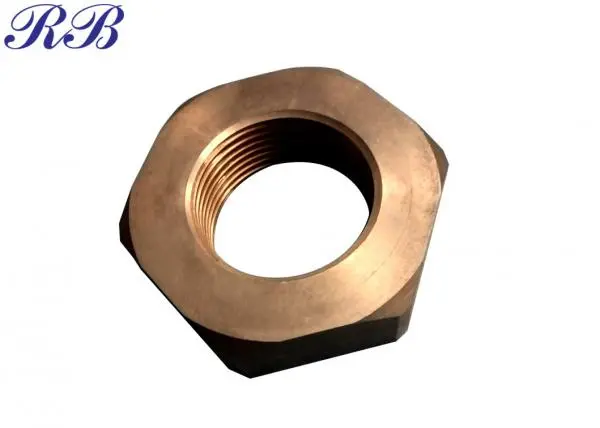
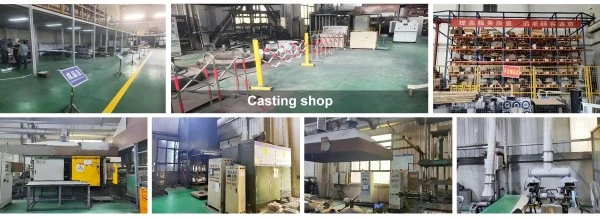
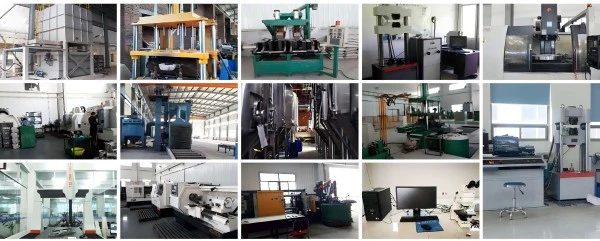
At Rongbao Enterprise, our comprehensive approach to copper sand casting incorporates these best practices across our complete production facility in Xi'an, China. Our ISO9001:2015, ISO14001, and ISO45001 certified operations demonstrate our commitment to quality, environmental responsibility, and worker safety in every casting project. From precision hexagon nuts crafted from H60 material for kitchen applications to complex geometries requiring specialized heat treatment, our gravity casting processes deliver consistent results through careful attention to melting optimization, mold design excellence, and controlled cooling protocols.
Our skilled engineers work closely with customers to make sure that casting designs are made in a way that meets performance standards and is easy to make. Complete processing capabilities including CNC machining and shot blasting surface treatments ensure finished components meet exact specifications. Custom packaging in wooden boxes protects castings during transportation while our flexible production capacity accommodates orders ranging from prototype quantities to 5000-piece production runs.
Contact our technical specialists at steve.zhou@263.net or zhouyi@rongbaocasting.com to discuss how our defect prevention expertise can support your copper casting requirements and ensure reliable, high-quality results for your critical applications.
References
1. Campbell, J. "Complete Casting Handbook: Metal Casting Processes, Metallurgy, Techniques and Design." Butterworth-Heinemann, 2021.
2. American Foundry Society. "Copper Alloy Sand Casting: Defect Analysis and Prevention Strategies." Technical Paper Series, 2020.
3. Brown, J.R. "Foseco Foundryman's Handbook: Facts, Figures and Formulae for Copper Casting." Elsevier Science, 2019.
4. International Copper Association. "Sand Casting Process Optimization for Copper Alloys: Quality Control Guidelines." Manufacturing Technology Review, 2022.
5. Zhang, W., Liu, H., and Chen, K. "Defect Formation Mechanisms in Copper Sand Casting: Experimental Analysis and Process Improvements." Journal of Materials Processing Technology, Volume 298, 2021.