- English
- French
- German
- Portuguese
- Spanish
- Russian
- Japanese
- Korean
- Arabic
- Greek
- German
- Turkish
- Italian
- Danish
- Romanian
- Indonesian
- Czech
- Afrikaans
- Swedish
- Polish
- Basque
- Catalan
- Esperanto
- Hindi
- Lao
- Albanian
- Amharic
- Armenian
- Azerbaijani
- Belarusian
- Bengali
- Bosnian
- Bulgarian
- Cebuano
- Chichewa
- Corsican
- Croatian
- Dutch
- Estonian
- Filipino
- Finnish
- Frisian
- Galician
- Georgian
- Gujarati
- Haitian
- Hausa
- Hawaiian
- Hebrew
- Hmong
- Hungarian
- Icelandic
- Igbo
- Javanese
- Kannada
- Kazakh
- Khmer
- Kurdish
- Kyrgyz
- Latin
- Latvian
- Lithuanian
- Luxembou..
- Macedonian
- Malagasy
- Malay
- Malayalam
- Maltese
- Maori
- Marathi
- Mongolian
- Burmese
- Nepali
- Norwegian
- Pashto
- Persian
- Punjabi
- Serbian
- Sesotho
- Sinhala
- Slovak
- Slovenian
- Somali
- Samoan
- Scots Gaelic
- Shona
- Sindhi
- Sundanese
- Swahili
- Tajik
- Tamil
- Telugu
- Thai
- Ukrainian
- Urdu
- Uzbek
- Vietnamese
- Welsh
- Xhosa
- Yiddish
- Yoruba
- Zulu
What is the purpose of a casting junction box?
Behind every stable electrical system sits hardware that few users ever notice. Cables run through conduits, terminate in enclosures, and connect to motors, compressors, and controls. The small metal housing that gathers and protects those connections is the junction box. When that housing is made by a casting process, you get what many engineers call a casting junction box.
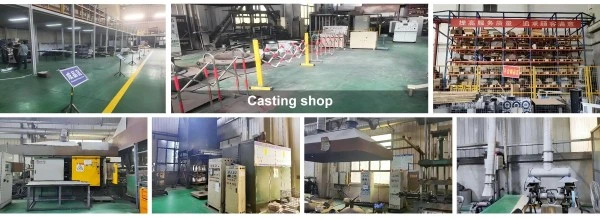
Purpose Of A Casting Junction Box
A casting junction box is an electrical enclosure made from a cast metal body, usually aluminum. Its core purpose is to house and protect electrical connections. Inside the box, conductors from cables or harnesses meet, branch, or connect to devices such as motors, compressors, or sensors.
The first job of any junction box is safety. It must separate live parts from people and from accidental contact. Electrical codes such as the National Electrical Code in the United States and IEC based rules elsewhere require that connections sit inside a suitable enclosure. A casting junction box helps you meet those rules when you need a robust housing around terminations.
The second job is environmental protection. Many boxes work in harsh locations, near compressors, pumps, and outdoor equipment. Dust, oil mist, water spray, and sometimes corrosive atmospheres surround the installation. A cast aluminum junction box, with the right gasket and cover, can meet IP or NEMA enclosure ratings defined in IEC 60529 or NEMA 250. That means the internal terminals stay dry and clean, even when the outside conditions change every day.
The third job is mechanical support. Inside a casting junction box, cables enter through glands or hubs. They must not pull on the terminals directly. The box therefore anchors cable entries and supports internal components like terminal blocks or printed circuit boards. In a compressor control box, for example, the casting not only protects electronics but also carries loads from mounted components and fasteners.
Thermal behavior matters too. Motors and compressors generate heat during operation. Electronic drives and starters also release heat. Aluminum casting alloys, such as 356, conduct heat better than many plastics. A casting junction box can therefore help spread and dissipate heat away from sensitive parts, if designers plan wall thickness and ribbing carefully.
EMI and shielding needs add another layer. Metal enclosures provide a natural barrier to electromagnetic interference. When the casting junction box forms a continuous conductive shell, and when joints and covers close tightly, it can reduce the impact of external noise on internal electronics. This benefit becomes important in variable speed compressor systems and dense control panels.
Finally, maintainability shapes the box’s purpose in daily use. Technicians must open, inspect, and sometimes modify connections inside. A well designed casting junction box gives them space to work, clear cover removal, and logical gland locations. It protects the contents, yet does not trap them in an impossible layout. This human factor often separates a practical housing from a frustrating one.

Design and manufacturing of high‑reliability casting junction boxes
Once you understand what a casting junction box must do, design choices start to matter. Geometry, alloy selection, casting process, and machining routes all influence how well the final enclosure performs. They also decide whether you can manufacture the part efficiently at your target volumes.
Most industrial casting junction boxes use cast aluminum alloys. Alloy 356, which is closely related to A356, is a common choice for compressor control boxes and similar housings. It provides a good mix of strength, corrosion resistance, and castability. Reference data from materials databases and ASM handbooks show typical tensile strength and elongation ranges that suit light structural housings.
Wall thickness and rib patterns define the stiffness of the box body. Too thin, and the walls may warp during casting or machining. Too thick, and you add cost and weight without real benefit. Casting design guides recommend smooth transitions, generous radii, and consistent sections wherever possible. These features reduce hot spots and shrinkage risk during solidification.
Mounting features must also survive service loads. Bosses for screws, pads for PCB standoffs, and feet for panel mounting should include enough material to resist thread stripping and vibration. When the junction box mounts directly on a compressor body, it also sees mechanical shock and resonance. Cast ribs and gussets help carry those loads into the surrounding structure.
The casting process itself can follow several routes, but the basic steps stay similar. Molten aluminum flows into a mold shaped by the pattern or die. In many compressor control box programs, foundries use permanent mold or gravity casting methods. These routes provide good dimensional control and surface quality for medium volume orders. They also suit the size range around one kilogram to a few kilograms.
After casting and cooling, the raw housing moves to machining. CNC machining refines gasket faces, drills and taps threaded holes, and opens any precision ports. The flatness and surface finish of the cover interface strongly affect sealing performance. Machining must therefore hold tight tolerances on that plane and maintain stable process control across large batches.
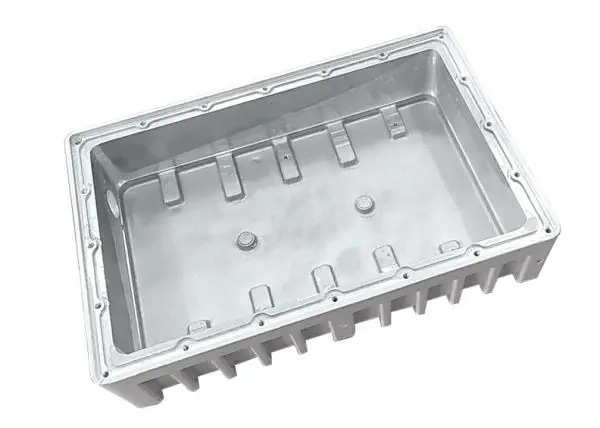
Choosing a casting junction box partner for compressors and industrial systems
At this point, many buyers feel interested but still hesitant. You understand the purpose and general design of a casting junction box. The next question becomes strategic. Which supplier can turn your drawing into a stable, cost‑effective product, and how can you tell in advance?
Design support is often the first filter. An experienced casting supplier does more than quote your model as is. Their engineers review your design against casting and machining rules. They highlight potential thin sections, risk areas for porosity, and heavy sections that may need risers or chills. Early feedback like this prevents long cycles of trial and error later.
Customization capability matters too. Many OEMs need specific gland layouts, mounting hole patterns, and internal bosses adapted to their compressor or equipment line. A capable casting junction box partner must therefore offer OEM and ODM services. They work with you from concept or from a mature design and adjust the housing geometry to fit your platform.
Quality assurance comes next. Beyond certifications, it helps to see how the supplier inspects castings and machined housings. You can request sample control plans, first article inspection reports, and examples of dimensional capability studies. These documents show whether the team relies on guesswork or on measured data.
Packaging and logistics may seem minor, but they affect your total cost. Machined junction boxes have critical sealing faces and delicate edges. If they arrive scratched or dented, your team must rework or scrap them. A professional exporter designs packaging that protects castings through long transport. Sturdy boxes, internal separators, and clear labels prevent damage and confusion on arrival.
Communication style also builds or undermines trust. During RFQ and sampling stages, pay attention to how quickly and clearly the supplier responds. Do they ask focused questions and return concrete suggestions, or do they send only a price? The first pattern usually continues during mass production.
Finally, look for aligned scale. If you expect around five thousand casting junction box units per year for one model, a supplier accustomed to similar batch sizes will serve you better. They can set up dedicated fixtures, optimize machining cycles, and plan material purchases without forcing you into oversized minimum order quantities.
When you find a supplier who checks these boxes, hesitation tends to fade. You still need real samples and data, but the path to a working partnership becomes clear. That is the point where an inquiry stops feeling like a risk and starts looking like a sensible next step.
FAQ
Q1: How is a casting junction box different from a standard sheet metal junction box?
A: The main difference lies in the manufacturing process and the resulting geometry. A sheet metal junction box is formed from flat steel or aluminum sheets, cut, bent, and joined by welding or fasteners. This method works well for simple rectangular housings and moderate protection levels.
A casting junction box is produced as a solid metal body using a casting process. The foundry pours molten aluminum into a mold shaped like the final enclosure. This approach allows more complex three dimensional forms. Designers can add integrated ribs, mounting feet, thick bosses for threads, and even curved shapes that sheet metal would handle poorly. Cast boxes also tend to be more rigid, which helps in compressor and heavy equipment applications.
Q2: What should I specify when I request a custom casting junction box design?
A: To receive a meaningful proposal, you need to share more than a rough outline. At minimum, provide a 3D model or detailed drawings with target dimensions, wall thickness, and key features. Explain the application clearly. For example, if the box will serve as a compressor control box, state the operating temperature range, vibration levels, and environmental exposure.
You should also indicate required enclosure rating, such as IP or NEMA level, and any relevant standards. List the expected annual quantity and desired batch sizes. If you know which aluminum alloy you prefer, mention that as well. With this information, a casting supplier can run feasibility checks, suggest casting and machining strategies, and estimate tooling and unit costs more accurately.
Casting Junction Box Supplier: Rongbao Enterprise
If you are searching for a reliable source of casting junction box housings, especially for compressor applications, you need a partner who understands both casting and electrical enclosure requirements. Rongbao Enterprise focuses on cast aluminum control box bodies and offers a combination of process capability, quality systems, and export experience that matches industrial expectations.
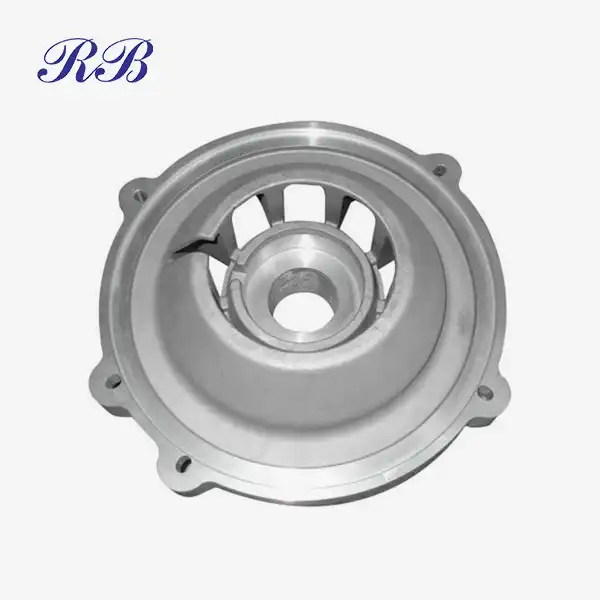
One representative product is a compressor control box body built as a casting junction box in aluminum alloy 356. Each housing weighs about 1.2 kilograms, which suits compact compressor units and similar equipment. The core body is produced by casting, then passed through CNC machining to finish gasket faces, threaded holes, and mounting features according to your custom specification.
If you are planning a new compressor platform or need to localize an existing casting junction box design, you can contact Rongbao Enterprise directly. Send your drawings, technical requirements, and forecast quantities to steve.zhou@263.net and zhouyi@rongbaocasting.com. Their engineering team will study your request, suggest appropriate casting and machining solutions, and provide a detailed quotation with expected lead times.
References
National Fire Protection Association (NFPA). “NFPA 70: National Electrical Code.” NFPA, Quincy, MA. Defines requirements for junction boxes and wiring methods in many regions.
International Electrotechnical Commission (IEC). “IEC 60529: Degrees of protection provided by enclosures (IP Code).” IEC, Geneva. Describes enclosure ratings for dust and water protection.
National Electrical Manufacturers Association (NEMA). “NEMA 250: Enclosures for Electrical Equipment.” NEMA, Rosslyn, VA. Specifies enclosure types and environmental conditions.
UL Standards. “UL 50 / UL 50E: Enclosures for Electrical Equipment.” UL LLC, Northbrook, IL. Covers construction and performance of electrical enclosures.
ASM International. “ASM Handbook Volume 15: Casting.” ASM International, Materials Park, OH. Provides detailed information on aluminum casting alloys, design, and quality control.
Stefanescu, D.M. “Science and Engineering of Casting Solidification.” 3rd Edition, Springer, 2015. Explains solidification behavior and defect control in cast aluminum housings.
Learn about our latest products and discounts through SMS or email