Reducing casting defects and improving product performance
The ability of casting filter elements to lower casting faults and enhance overall product performance is another essential function. By removing impurities from the molten metal, these filters help to avoid a number of flaws that may occur during the solidification process.
The following are a few typical casting flaws that filter components may help to reduce:
- What to include: Particles that aren't metal that are stuck within the casting
- Porosity: Small holes or gas pockets within the metal structure
- Tears that are hot: Stress causes cracks to occur during solidification.
- Cavities that form as things shrink: Holes that form as the metal cools and shrinks
By reducing these defects, casting filter elements contribute to the production of higher-quality components with improved mechanical properties. This enhancement in product performance is particularly crucial in industries where safety and reliability are paramount, such as aerospace, automotive, and medical device manufacturing.
Also, using casting filter elements may save a lot of money by lowering the amount of scrap and the need for repairs or treatments after casting. This means that manufacturers may get more out of their casting processes and make more money.
Protects industrial equipment and extends service life
Filter elements not only make castings better, but they also preserve industrial equipment and make it last longer. Metal casting procedures are quite hard on gear and tools, which may cause them to wear out, break, and work less well over time.
Casting filter elements help mitigate these issues by:
Filters keep mold surfaces, gates, and runners from degrading by removing abrasive particles from the molten metal. This shielding prevents expensive instruments from breaking and minimizes the cost of repairs.
- Improving metal flow: Filtered metal flows more smoothly and consistently, which cuts down on turbulence and wear on mold surfaces.
- Filters assist keep little mold channels from being blocked by capturing huge particles. This helps the metal flow smoothly and minimizes the likelihood of castings that aren't complete.
- Improving thermal stability: Some high-tech filter materials may assist maintain the temperature of the molten metal steady. This decreases thermal shock to the mold surfaces, which helps them last longer.
In factories that make a lot of things, where the reliability and durability of equipment are important for keeping costs down and efficiency up, casting filter elements are very valuable. These filters help protect industrial equipment, which means that production quality is more constant and there is less downtime for repairs and maintenance.
In addition to their primary functions, casting filter elements can also contribute to improved workplace safety by reducing the risk of metal splashing or unexpected flow issues during the pouring process. This added layer of protection helps create a safer working environment for foundry personnel.

Casting Filter Element Supplier: Rongbao Enterprise
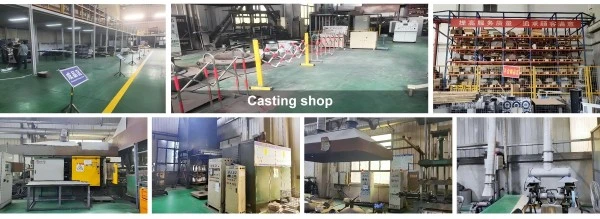
For high-quality casting filter elements that deliver exceptional performance across all these critical functions, look no further than Rongbao Enterprise. With nearly two decades of experience in aluminum alloy casting and precision processing, Rongbao Enterprise has established itself as a leading manufacturer of casting components, including specialized filter elements for the mining industry.
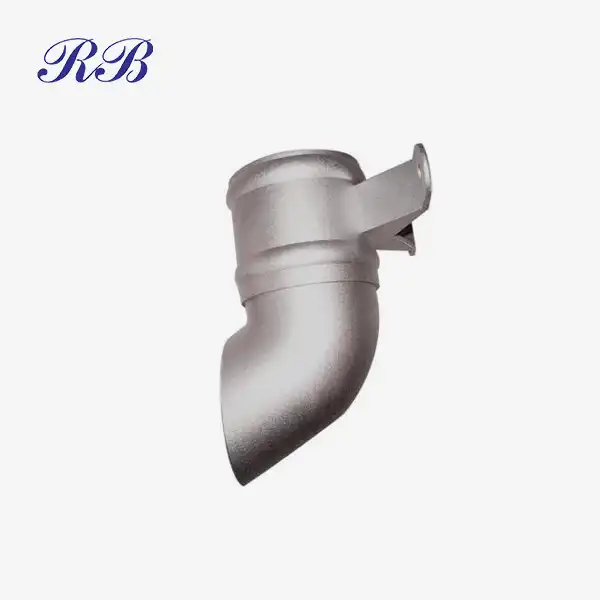
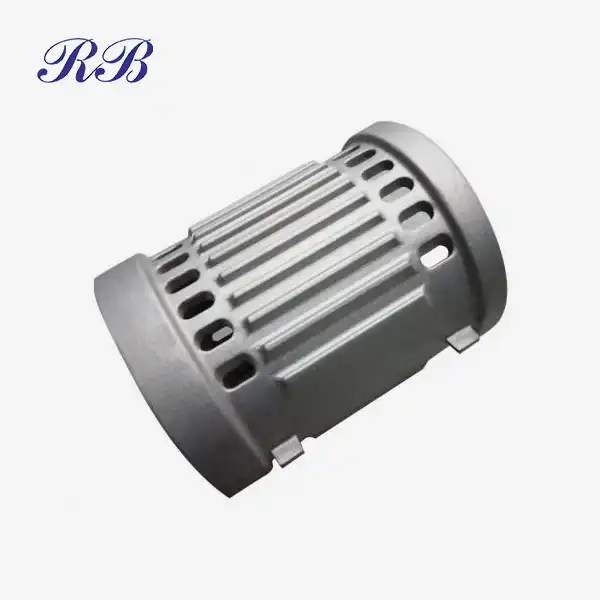
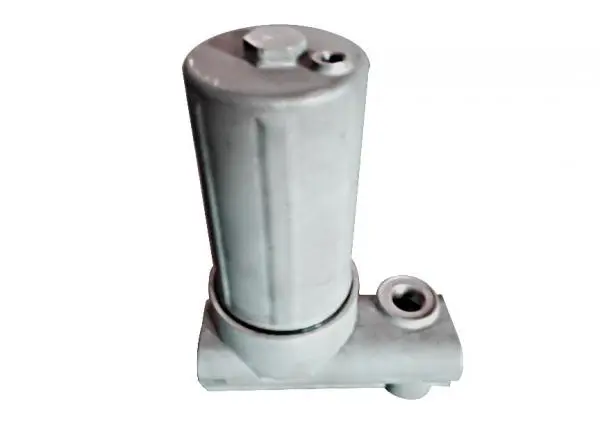
For mining engineering vehicles, Rongbao's casting filter elements are made of A356 aluminum alloy, weigh 7.5 kg apiece, and are made using a careful gravity casting method. These filters are designed to work well in heavy-duty situations, making sure that molten metal is as clean as possible, casting flaws are kept to a minimum, and important equipment is protected.
Key features of Rongbao's casting filter elements include:
- ISO9001:2015, ISO14001, and ISO45001 certifications, ensuring the highest standards of quality and environmental management
- CNC machining for precise dimensions and superior performance
- Shot blasting surface treatment for enhanced durability
- Customizable specifications to meet specific client requirements
- Impressive production capacity of 5000 pieces
- Secure packaging in wooden boxes for safe transportation
Rongbao Enterprise provides comprehensive component supply solutions that meet the changing demands of equipment manufacturers across the globe. They do this by focusing on innovation, accuracy, and protecting the environment. They know a lot about cross-process production and multi-material compatibility, so they make sure that each casting filter element fulfills the highest criteria for quality and performance.
To learn more about how Rongbao's casting filter elements can enhance your metal casting operations or to request a customized solution, please contact their expert team at steve.zhou@263.net or zhouyi@rongbaocasting.com. Experience the difference that precision-engineered casting filter elements can make in your manufacturing processes.
FAQ
1. How often should casting filter elements be replaced?
The replacement frequency of casting filter elements depends on various factors, including the volume of metal processed, the type of alloy, and the level of impurities present. Generally, filters should be replaced when there's a noticeable decrease in filtration efficiency or after a predetermined number of castings. It's best to consult with the filter manufacturer or conduct regular quality checks to determine the optimal replacement schedule for your specific operation.
2. Can casting filter elements be reused?
In most cases, casting filter elements are designed for single use and should not be reused. Attempting to clean and reuse filters can compromise their effectiveness and potentially introduce contaminants into subsequent castings. However, some advanced ceramic filters may be regenerated through specialized cleaning processes. Always follow the manufacturer's recommendations regarding the reuse of filter elements.
3. How do I choose the right casting filter element for my application?
Selecting the appropriate casting filter element involves considering several factors, including the type of metal being cast, the desired level of filtration, the casting temperature, and the production volume. It's advisable to consult with filter manufacturers or metallurgical experts who can analyze your specific requirements and recommend the most suitable filter type, size, and material for optimal performance in your casting process.
4. Are there any environmental benefits to using casting filter elements?
Yes, there are several environmental benefits associated with using casting filter elements. By improving the quality of castings and reducing defects, filters help minimize waste and energy consumption associated with rework or scrapped parts. Additionally, some advanced filter materials are recyclable, contributing to more sustainable manufacturing practices. The use of filters can also lead to reduced emissions by improving the efficiency of the casting process and minimizing the need for additional refining steps.
5. Can casting filter elements improve the surface finish of castings?
Absolutely. By removing impurities and non-metallic inclusions from the molten metal, casting filter elements can significantly improve the surface finish of the final product. Clean metal flows more smoothly into the mold, reducing the likelihood of surface defects such as pinholes, blisters, or rough patches. This improvement in surface quality can often reduce or eliminate the need for extensive post-casting finishing operations, saving time and resources in the production process.