Physical & dimensional testing
One of the fundamental ways to judge the quality of low pressure die casting parts is through physical and dimensional testing.In order to guarantee the component is up to standard, this procedure incorporates a battery of tests and measurements.
It usually starts with a visual examination. Skilled quality assurance inspectors look for obvious flaws like porosity, fractures, or uneven finishes on the component's outside. This approach may seem simplistic, yet it may detect evident defects that might jeopardize the part's integrity in a flash.
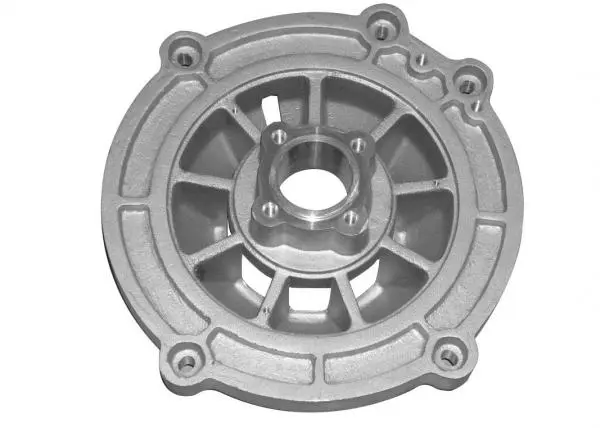
Physical examination also has to be accurate in terms of dimensions. Quality control teams may ensure the part's dimensions match the design parameters by using precision measurement instruments such as coordinate measuring machines (CMMs), calipers, and micrometers. Because problems with assembly or performance might result from seemingly little changes, this phase is vital.
As part of the physical examination, we also check the surface for roughness. The surface texture, which impacts both the part's functioning and attractiveness, is measured by this test. Elevator components made by low pressure die casting, for example, must have perfectly smooth surfaces for both functional and aesthetic reasons.
Material consistency confirmation
The quality of low pressure die casting parts heavily depends on the consistency and composition of the material used. To ensure material uniformity, many procedures are used:
The main method for confirming the alloy's composition is chemical analysis. It is usual practice to utilize spectrometry to ascertain the precise proportions of components in the casting. The examination should verify the presence of silicon, copper, and other alloying elements in the precise proportions, for instance, if a part is meant to be constructed from 380 aluminum alloy.
Analyzing the material's microscopic structure is what metallography is all about. The grain structure, any flaws, and efficacy of the heat treatment of the casting may be better understood by this method. Professionals may detect problems like inappropriate solidification or porosity, which might not be apparent on the surface, by looking at a polished and etched sample under a microscope.
Another important way to check material uniformity is via hardness testing. The hardness of a material may be determined using methods such as the Brinell or Rockwell hardness tests. For components that may endure stress or wear during their operating lifetime, this data is of utmost importance.
Performance & durability evaluation
While physical tests and material analysis provide valuable insights, performance and durability evaluations offer a more comprehensive understanding of how low pressure die casting parts will function in real-world applications.
In weariness testing, the monotonous stressors that a component might involvement amid its lifetime are imitated. This is of most extreme importance for components utilized in applications subjected to recurrent loads, such those found in the aviation or car businesses. Producers may expect the casting's long-term execution and find conceivable disappointment regions by putting it to controlled, repetitive push.
Testing components for corrosion resistance prior to subjecting them to challenging settings is of utmost importance. Salt spray testing, which simulates conditions with road or sea salt, is one way to measure the casting's corrosion resistance over time. This is of the utmost importance for components used in outdoor settings or near the shore.
The ability of the low pressure die casting component to endure temperature changes is evaluated using thermal cycling testing. Parts used in engines and other places with high temperatures need this feature more than others. The component is subjected to a series of repeated cycles of high and low temperatures in order to detect any problems with thermal expansion or contraction, mimicking real-world scenarios.
You may examine the part's interior structure thoroughly without hurting it using non-destructive testing (NDT) procedures like X-ray inspection or ultrasonic testing. These methods may unearth flaws that might cause a material to fail before its time, such as internal porosity or fissures that aren't always obvious to the naked eye.
Low Pressure Die Casting Parts Supplier: Rongbao Enterprise
When it comes to high-quality low pressure die casting parts, Rongbao Enterprise stands out as a reliable and innovative supplier.
Elevator parts are only one of several aluminum alloy components offered by Rongbao, a company that places an emphasis on sustainability and quality.
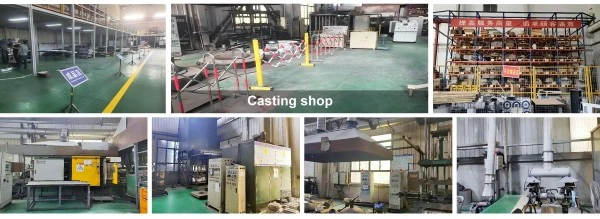
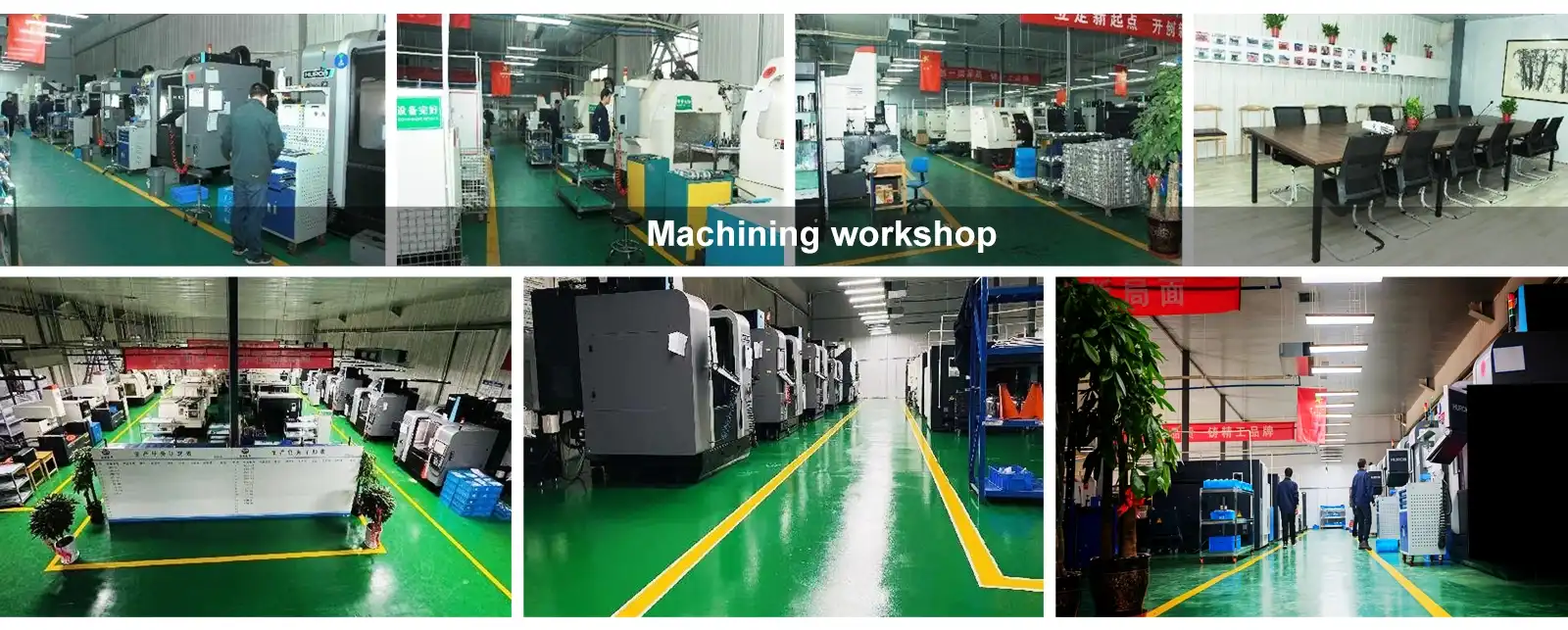
Since its founding in 2003, Rongbao Enterprise has amassed over twenty years of experience in the precise processing and casting of aluminum alloys. Being at the cutting edge Plant operations in Xi'an, China, supervise a number of generation methods, counting as gravity casting, moo weight kick the bucket casting, and tall weight pass on casting. With certifications from ISO 9001:2015, ISO 14001, and ISO 4500 1, Rongbao is able to deliver 5,000 units each year. Each and each one of their things is certain to be of the most noteworthy quality and made in an eco-conscious manner.
Whether you are in require of routine components or customized OEM/ODM arrangements, the group of specialists at Rongbao is prepared to help you. The US, EU, and Japanese markets have learned to believe them as a tried and true provider since of their commitment to development and worldwide organizations.
For more information or to discuss your specific low pressure die casting needs, reach out to Rongbao Enterprise at steve.zhou@263.net or zhouyi@rongbaocasting.com. Experience the difference that precision, quality, and dedication can make in your manufacturing processes.
FAQ
1. What are the advantages of low pressure die casting compared to other casting methods?
Low pressure die casting offers several advantages, including better control over the solidification process, reduced porosity, finer grain structure, and the ability to produce thinner walls. This method also typically results in less waste and can be more cost-effective for medium to large production runs.
2. How does material selection affect the quality of low pressure die casting parts?
Material selection is crucial in low pressure die casting. The chosen alloy affects the part's strength, durability, and overall performance. For instance, aluminum alloys like 380 offer excellent fluidity and good mechanical properties, making them suitable for complex shapes and parts requiring good strength-to-weight ratios.
3. Can low pressure die casting parts be customized for specific applications?
Yes, low pressure die casting parts can be highly customized. Manufacturers like Rongbao Enterprise offer OEM/ODM services, allowing customers to specify dimensions, alloy composition, surface treatments, and other parameters to meet their exact requirements.
4. What role does surface treatment play in the quality of low pressure die casting parts?
Surface treatment, such as shot blasting, can significantly enhance the quality and performance of low pressure die casting parts. It can improve surface finish, remove impurities, increase wear resistance, and prepare the surface for painting or coating, thus extending the part's lifespan and improving its appearance.
5. How does certification like ISO 9001:2015 impact the quality of low pressure die casting parts?
ISO 9001:2015 certification ensures that a manufacturer follows internationally recognized quality management standards. For low pressure die casting parts, this means consistent quality control processes, documented procedures, and a commitment to continuous improvement, resulting in more reliable and higher-quality products.