- English
- French
- German
- Portuguese
- Spanish
- Russian
- Japanese
- Korean
- Arabic
- Greek
- German
- Turkish
- Italian
- Danish
- Romanian
- Indonesian
- Czech
- Afrikaans
- Swedish
- Polish
- Basque
- Catalan
- Esperanto
- Hindi
- Lao
- Albanian
- Amharic
- Armenian
- Azerbaijani
- Belarusian
- Bengali
- Bosnian
- Bulgarian
- Cebuano
- Chichewa
- Corsican
- Croatian
- Dutch
- Estonian
- Filipino
- Finnish
- Frisian
- Galician
- Georgian
- Gujarati
- Haitian
- Hausa
- Hawaiian
- Hebrew
- Hmong
- Hungarian
- Icelandic
- Igbo
- Javanese
- Kannada
- Kazakh
- Khmer
- Kurdish
- Kyrgyz
- Latin
- Latvian
- Lithuanian
- Luxembou..
- Macedonian
- Malagasy
- Malay
- Malayalam
- Maltese
- Maori
- Marathi
- Mongolian
- Burmese
- Nepali
- Norwegian
- Pashto
- Persian
- Punjabi
- Serbian
- Sesotho
- Sinhala
- Slovak
- Slovenian
- Somali
- Samoan
- Scots Gaelic
- Shona
- Sindhi
- Sundanese
- Swahili
- Tajik
- Tamil
- Telugu
- Thai
- Ukrainian
- Urdu
- Uzbek
- Vietnamese
- Welsh
- Xhosa
- Yiddish
- Yoruba
- Zulu
What is the function of a bearing cap?
Industrial machinery relies on the seamless cooperation of countless components. Every part plays a specific role in ensuring efficiency and longevity. Among these essential elements, the bearing cap stands out as a guardian of stability. Specifically, the bearing cap cast iron casting represents a standard of durability and engineering precision. This component serves as the critical housing that secures bearings in place against a rotating shaft. It ensures that engines, connecting disks, and heavy machinery operate without catastrophic failure. Understanding the function and manufacturing quality of these caps is vital for buyers in the automotive and industrial sectors. A failure in this small component can lead to significant system downtime.
Buyers often search for high-quality castings that promise reliability. The market offers various materials, yet cast iron remains a dominant choice for heavy-duty applications. Its unique microstructure provides benefits that other metals simply cannot match. Rongbao Enterprise understands these intricacies. We specialize in delivering components that meet rigorous international standards. This article explores the fundamental roles of these castings. We will examine why they are indispensable in modern mechanical design. You will gain insights into the manufacturing processes that ensure their performance. Finally, we will guide you on how to select a partner who guarantees precision and quality.
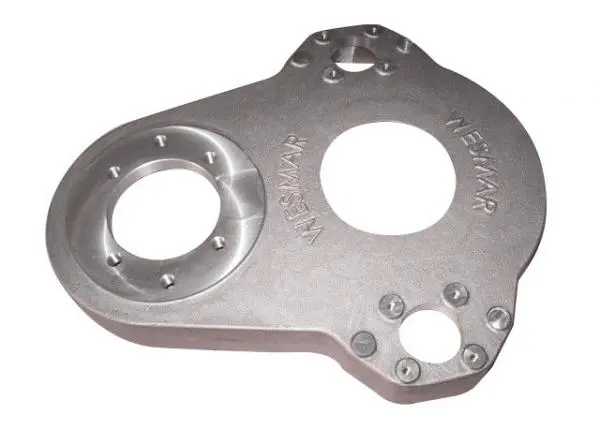
Critical Role of Bearing Caps in Mechanical Stability
The primary function of a bearing cap cast iron casting is to secure the main bearings within an engine block or a connecting disk assembly. A rotating shaft generates immense forces. Without a robust securing mechanism, the shaft would vibrate excessively or shift out of alignment. The bearing cap bolts directly over the bearing. It creates a precise, circular housing that holds the bearing shell firmly. This clamping force prevents the outer race of the bearing from spinning. Consequently, the shaft can rotate freely with minimal friction. The cap essentially acts as the static counter-force to the dynamic energy of the machinery.
Load distribution serves as the second major function of these components. Engines and industrial mixers create significant radial and axial loads. The bearing cap must absorb and distribute these stresses evenly across the block or frame. A poorly designed cap would flex under pressure. Flexing leads to uneven wear on the bearing surfaces. Eventually, this causes premature component failure. High-quality castings maintain their shape even under thermal stress. They ensure that the oil film between the bearing and the shaft remains consistent. This protection of the lubrication barrier is crucial for the system's lifespan.
Vibration management is another often overlooked function. Rotating assemblies naturally generate resonance. If this vibration transfers unchecked to the rest of the machine, it can loosen bolts and crack casings. The bearing cap acts as a dampener. It absorbs a portion of this kinetic energy. This function is particularly relevant when the cap is made from cast iron. The mass and density of the cap contribute to the overall rigidity of the assembly. A rigid structure translates to smoother operation and reduced noise levels. Engineers rely on these caps to maintain tight tolerances over thousands of operational hours.
Why Cast Iron is the Material of Choice for Heavy-Duty Caps?
Material selection dictates the performance limits of any mechanical part. Cast iron remains the preferred material for bearing caps in many heavy-duty applications. This preference stems from the unique graphite microstructure found in iron castings. Grey cast iron, for instance, contains graphite flakes. These flakes give the material excellent vibration damping capacity. Steel, while stronger, tends to ring and transmit vibration more readily. Iron absorbs this energy. This property makes a bearing cap cast iron casting ideal for engines and connecting disks where noise and harshness must be minimized.
Thermal stability also plays a significant role in material selection. Machinery operates at high temperatures. Metals expand as they heat up. However, the expansion rate of the bearing cap must match the expansion rate of the engine block or housing. Since most blocks are also cast iron, using iron caps ensures uniform expansion. This compatibility prevents the bore from becoming oval-shaped as the machine warms up. Maintaining a perfect circle is critical for bearing clearance. If the clearances become too tight, the engine seizes. If they become too loose, oil pressure drops. Cast iron provides the thermal consistency engineers require.
Machinability is another factor that influences the production of these components. Manufacturers need to drill, tap, and bore these caps with extreme precision. Cast iron chips easily during the machining process. This allows for faster production speeds and reduced tool wear compared to harder steel alloys. It also allows for smoother surface finishes on the bore face. A smooth finish is essential for proper bearing seating. Furthermore, cast iron offers excellent compressive strength. While it may lack the tensile strength of forged steel, bearing caps primarily face compressive loads from the bolts and the shaft. Therefore, iron offers the perfect balance of cost, performance, and manufacturability.
Manufacturing Precision: From Casting to CNC Machining
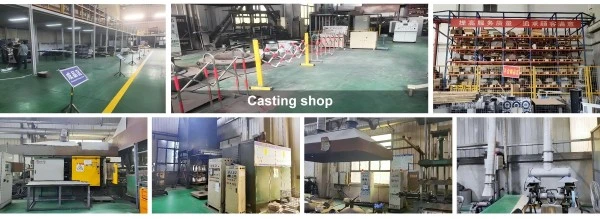
The journey of a high-quality bearing cap cast iron casting begins in the foundry. The process typically involves sand casting or gravity casting. Foundries create a mold that defines the exterior shape of the cap. Molten metal flows into this cavity. The cooling rate is carefully controlled. Rapid cooling can make the iron brittle. Slow cooling can lead to coarse grain structures. Experts monitor these variables to ensure a uniform microstructure. Porosity is the enemy of a good casting. Air pockets trapped inside the metal weaken the part. Advanced foundries use simulation software to design gating systems that minimize turbulence and trapped air.
Once the metal solidifies, the component enters the finishing phase. Raw castings have rough surfaces and flash from the mold seams. Surface treatment processes like shot blasting are essential. Shot blasting bombards the part with small steel pellets. This removes sand residue and scale. It also compresses the surface layer of the metal, which can improve fatigue resistance. Clean surfaces are vital for the subsequent machining steps. They ensure that the component sits flat in the CNC fixtures. Appearance also matters. A clean, uniform finish signals quality to the buyer and allows for easier inspection of surface defects.
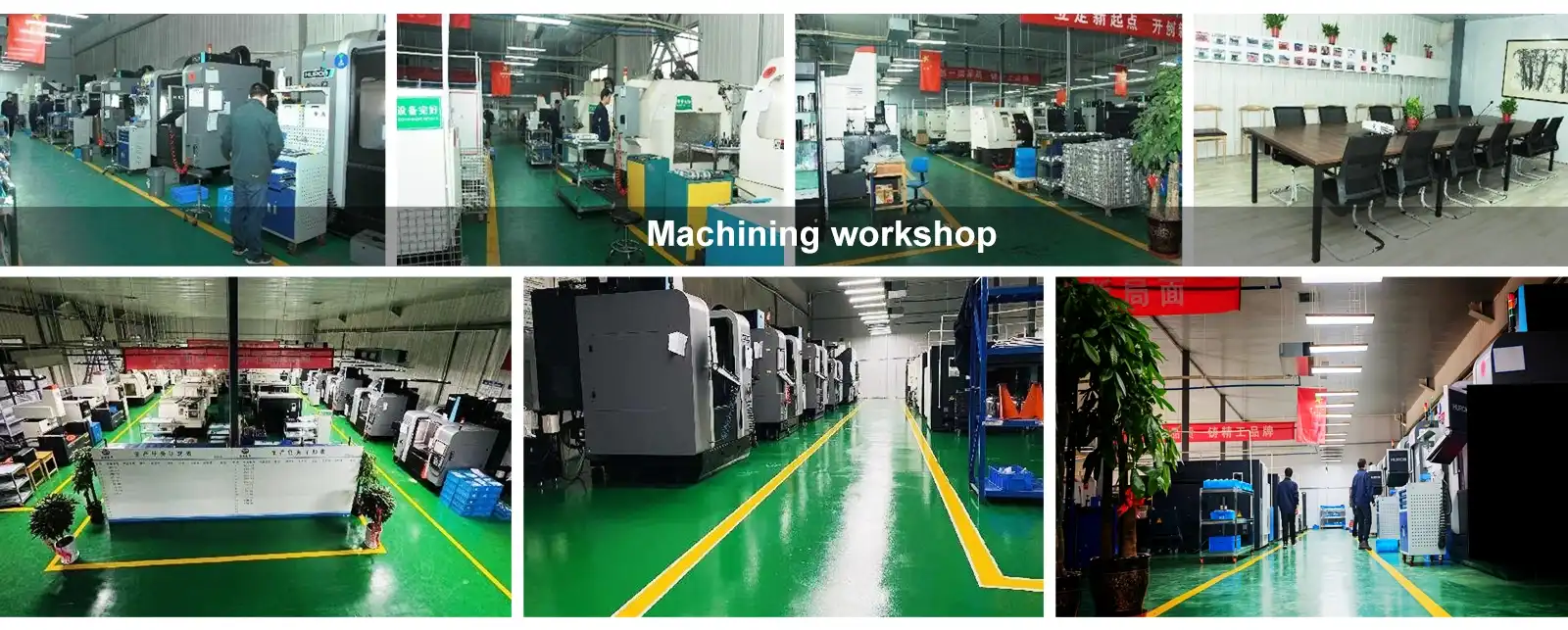
The final dimensioning occurs through Computer Numerical Control (CNC) machining. A bearing cap cast iron casting is useless without precise machining. The bolt holes must be drilled at exact coordinates. The inner radius that holds the bearing requires tight tolerances, often measured in microns. CNC machines ensure that every cap is identical to the next. This interchangeability is crucial for mass production assembly lines. Rongbao Enterprise utilizes advanced CNC centers to achieve these specifications. We verify dimensions using Coordinate Measuring Machines (CMM). This rigorous quality control transforms a raw piece of iron into a precision engineering component.
Buyers often hesitate when selecting a supplier due to concerns over consistency. Trust is built through transparency and certification. Suppliers who adhere to ISO 9001:2015 standards demonstrate a commitment to process control. Environmental certifications like ISO 14001 further indicate a responsible manufacturing approach. When you see these standards, you know the manufacturing process is documented and repeatable. This reduces the risk of receiving a batch of defective parts. Choosing a supplier with in-house machining and testing capabilities streamlines the supply chain. It ensures that one company is accountable for the quality of the final product.
FAQ
Q1: What distinguishes a cast iron bearing cap from a steel one?
A: Cast iron offers superior vibration damping and compressive strength, making it ideal for reducing noise and maintaining rigidity in engine blocks. Steel is generally stronger in tension but transmits more vibration. Cast iron is also more cost-effective and easier to machine to high tolerances.
Q2: How does the surface treatment affect the bearing cap?
A: Surface treatments like shot blasting remove casting sand and scale, ensuring a clean surface for machining. This process also induces compressive stress on the surface layer. This stress helps prevent crack initiation and extends the fatigue life of the component.
Q3: Can bearing cap castings be customized for specific machinery?
A: Yes, reputable suppliers offer OEM and ODM services. Manufacturers can adjust the mold design, material composition (such as specific iron grades or alloys), and machining dimensions to fit unique connecting disks or engine configurations.
Q4: Why is CNC machining necessary for these castings?
A: Casting provides the general shape, but it lacks the precision required for bearing fitment. CNC machining creates the exact bore diameter, bolt hole alignment, and surface flatness needed for the component to function correctly within an assembly.
bearing cap cast iron casting Supplier: Rongbao Enterprise
Finding a partner who combines metallurgical expertise with precision machining is essential for your supply chain. Rongbao Enterprise stands as a leader in the manufacturing of critical components. We understand that browsing for suppliers can be a daunting task filled with uncertainty. Our goal is to eliminate that hesitation by providing transparent, certified, and high-quality manufacturing solutions. We cater to global buyers who demand excellence in every shipment. Whether you require a standard bearing cap cast iron casting, or a specialized connecting disk component, our team is ready to deliver.
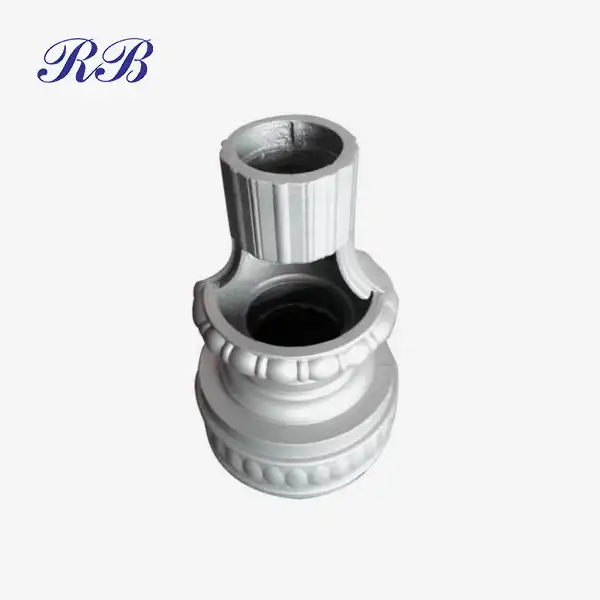
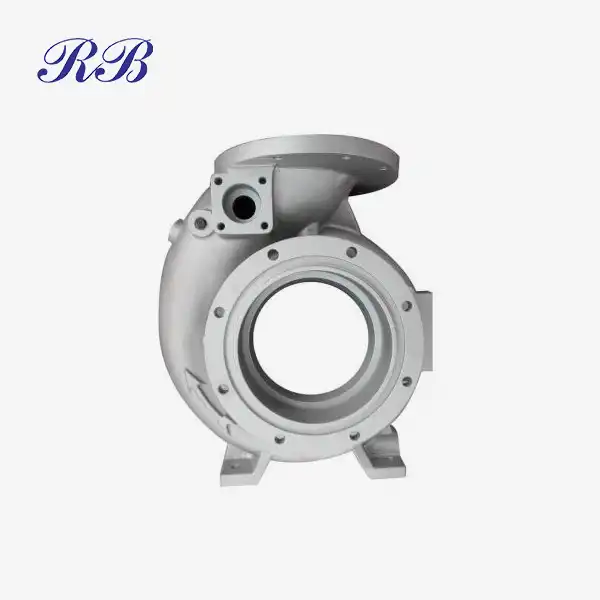
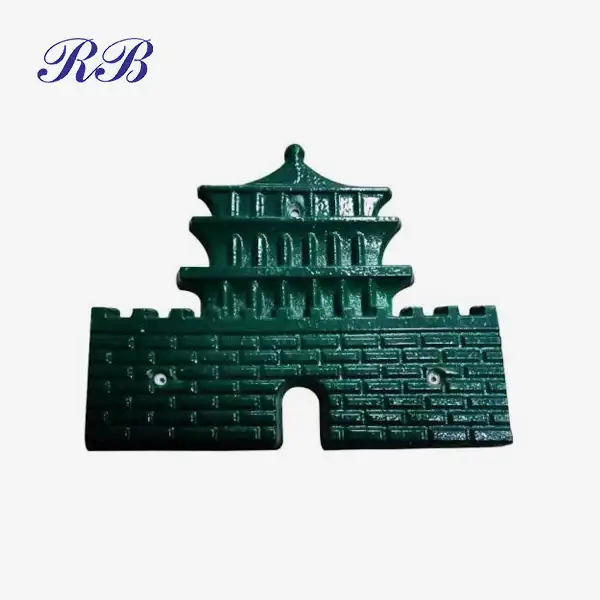
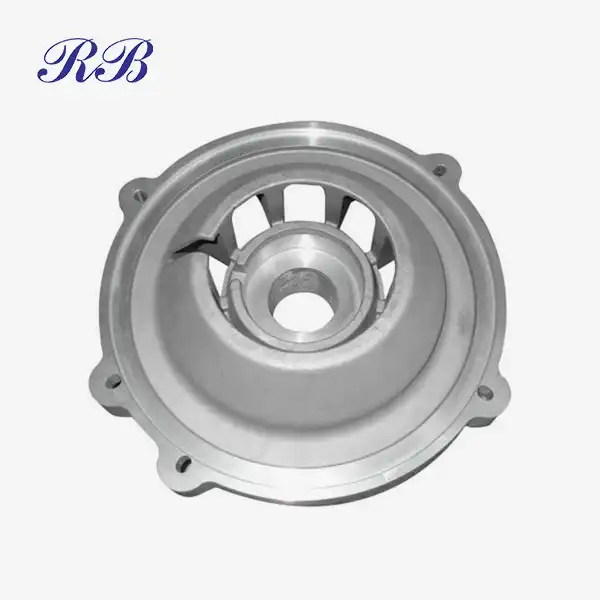
We invite you to review our specific product capabilities. While we specialize in various casting methods, we tailor our output to your strict requirements. Below are the specifications for our featured connecting disk application, showcasing our ability to handle complex materials and processes:
1. Weight: 2.3kg
2. Process: Gra Casting
3. Certification: ISO9001:2015, ISO14001, ISO45001
4. Mechanical processing: CNC machining
5. Surface treatment: Shot blasting
6. OEM/ODM: Customized
7. Production capacity: 5000 pieces
8. Specification: Customized
Gain trust in a supplier that prioritizes your success. For inquiries regarding our production capacity, material options, or to request a quote, please contact us immediately. Let us help you improve your product performance with our superior components.
Contact Us:
Email: steve.zhou@263.net
Email: zhouyi@rongbaocasting.com
References
1. Campbell, J. (2003). Castings. 2nd Edition. Butterworth-Heinemann. (Focuses on the science of casting and metallurgy).
2. ASM International. (2008). ASM Handbook, Volume 15: Casting. ASM International. (Authoritative source on casting materials including grey and ductile iron).
3. American Foundry Society. (2021). Iron Casting Engineering Handbook. (Details the properties and applications of iron castings in industry).
4. Xing, J., & Zhang, H. (2019). "Influence of Machining Parameters on Surface Roughness of Cast Iron." Journal of Manufacturing Processes. (Discusses the importance of CNC precision).
5. ISO. (2015). ISO 9001:2015 Quality management systems — Requirements. International Organization for Standardization. (Reference for quality control standards mentioned).
Learn about our latest products and discounts through SMS or email