- English
- French
- German
- Portuguese
- Spanish
- Russian
- Japanese
- Korean
- Arabic
- Greek
- German
- Turkish
- Italian
- Danish
- Romanian
- Indonesian
- Czech
- Afrikaans
- Swedish
- Polish
- Basque
- Catalan
- Esperanto
- Hindi
- Lao
- Albanian
- Amharic
- Armenian
- Azerbaijani
- Belarusian
- Bengali
- Bosnian
- Bulgarian
- Cebuano
- Chichewa
- Corsican
- Croatian
- Dutch
- Estonian
- Filipino
- Finnish
- Frisian
- Galician
- Georgian
- Gujarati
- Haitian
- Hausa
- Hawaiian
- Hebrew
- Hmong
- Hungarian
- Icelandic
- Igbo
- Javanese
- Kannada
- Kazakh
- Khmer
- Kurdish
- Kyrgyz
- Latin
- Latvian
- Lithuanian
- Luxembou..
- Macedonian
- Malagasy
- Malay
- Malayalam
- Maltese
- Maori
- Marathi
- Mongolian
- Burmese
- Nepali
- Norwegian
- Pashto
- Persian
- Punjabi
- Serbian
- Sesotho
- Sinhala
- Slovak
- Slovenian
- Somali
- Samoan
- Scots Gaelic
- Shona
- Sindhi
- Sundanese
- Swahili
- Tajik
- Tamil
- Telugu
- Thai
- Ukrainian
- Urdu
- Uzbek
- Vietnamese
- Welsh
- Xhosa
- Yiddish
- Yoruba
- Zulu
What is the difference between a casting bracket and a machined bracket?
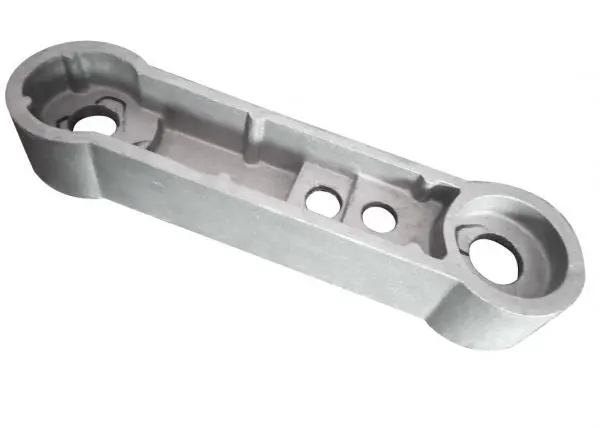
When sourcing structural components for industrial applications, understanding the fundamental difference between a casting bracket and a machined bracket becomes crucial to your procurement success. A casting connection bracket is manufactured by pouring molten metal into a pre-designed mold where it solidifies into shape, while a machined bracket starts as a solid metal block that gets precisely cut and shaped through material removal processes like CNC milling or turning. The core distinction lies in how material forms the final geometry—casting builds shape additively through molten metal solidification, whereas machining creates shape subtractively by removing excess material. This fundamental manufacturing difference cascades into variations in structural integrity, cost efficiency, lead time, and suitability for specific industrial applications, directly impacting your total cost of ownership and supply chain reliability.
Introduction to Casting Brackets and Machined Brackets
In car assemblies, heavy machinery frames, industrial equipment housings, and power generation systems, brackets are important structural connectors. Their dependability has a direct effect on the safety of operations and the life of the equipment. The choice between casting and machining isn't just a matter of personal taste when it comes to manufacturing—it affects the performance, cost, and flexibility of your supply chain.
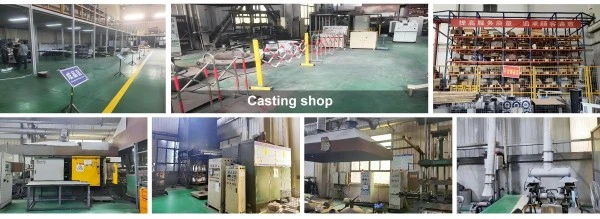
Casting brackets come from changing liquid metal into something else. Melt aluminium alloys like A356, ductile iron, or stainless steel in foundries. The liquid metal is then poured into sand moulds, fixed moulds, or die-cast tooling. There are different benefits to gravity casting, low-pressure die casting, and high-pressure die casting depending on the batch size and level of complexity. The molten metal takes on the exact shape of the mould hole, which lets complicated internal paths, complex external profiles, and built-in mounting features be made without any extra assembly steps.
Extruded bars, cast billets, or plate stock are what machined brackets are made from. Through drilling, milling, turning, and grinding, CNC machining centers clear material in a planned way until the desired bracket shape is reached. This subtractive method produces very precise dimensions and high-quality surfaces, but it wastes more material and takes longer to process when making complex three-dimensional shapes.
The place where the bracket was made affects its structure grain flow, mechanical property distribution, allowable tolerances, surface finish quality, and, in the end, its suitability for tough settings like car suspension systems or industrial robot support arms.
Manufacturing Processes Explained: Casting vs Machining
Understanding Casting Techniques and Their Industrial Relevance
Casting turns raw materials into nearly net-shaped parts that can be shaped in a huge range of ways. It is much more efficient to use this method when making parts with internal holes, organic shapes, or varied wall thicknesses that would take a long time to machine if they were made by subtractive methods.
For gravity casting, permanent metal moulds are used so that molten aluminium or other alloys can flow naturally through them because of gravity. This method works well for medium-sized production runs of 500 to 5,000 pieces per year, because it balances the cost of tools with the cost per unit. The controlled cooling environment inside permanent moulds helps make sure that all production runs have the same grain structure and mechanical features for casting connection bracket.
Low-pressure die casting uses controlled gas pressure between 0.7 and 1.5 bar to pour liquid metal into the mould. This gentle filling method reduces turbulence, keeps gases from getting trapped, and makes parts that are more structurally sound than those made by gravity pouring. Automobile chassis parts and heavy machinery hydraulic housings, which need to be structurally sound, prefer this method because it reliably stops defects.
In high-pressure die casting, liquid metal is poured into steel dies at pressures higher than 100 bar. This allows for fast production runs that can handle more than 10,000 units per year. Excellent surface finish and tight control over dimensions cut down on or eliminate the need for secondary machining operations. However, due to the high cost of the tools, large production volumes are needed to make the business profitable.
Machining Methods and Precision Capabilities
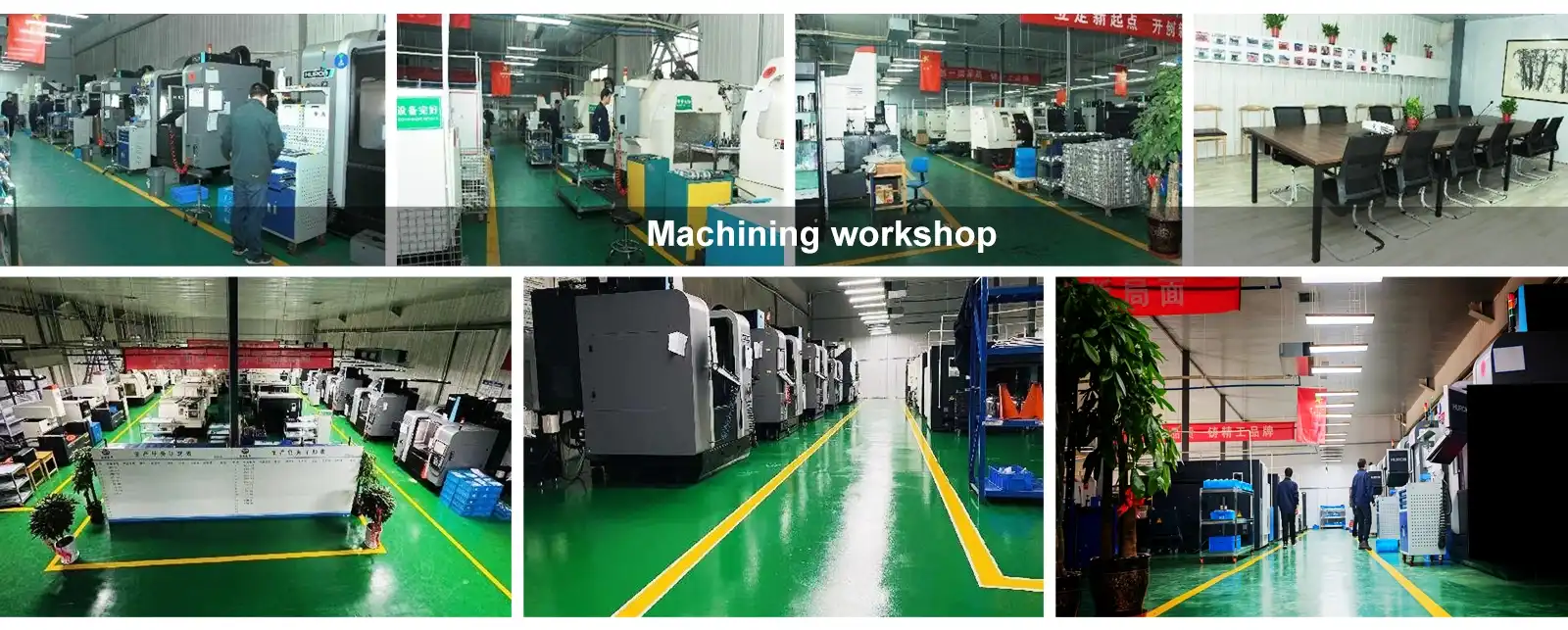
Machining is the most accurate way to get measurements, usually getting tolerances within ±0.02mm for important features. CNC milling is very good at making flat matching surfaces, mounting hole patterns, and complicated pocket shapes. When you turn something, you get cylinder shapes, threaded links, and concentric sizes that are needed for fitting on a shaft.
Multi-axis machining centers can control five or more axes at the same time, which lets you make undercut features and complex angular surfaces without having to set up multiple times. This feature is very helpful when making test brackets in small quantities or very specific parts that can't be made with expensive tools.
Machining is great for working with a wide range of materials. Teams in charge of buying things can be sure that machining will keep the properties of aerospace-grade aluminium alloys, high-strength titanium, corrosion-resistant stainless steels, or specialised copper alloys while they are being made. For casting, it's important to choose the right alloy based on how it flows and hardens. But for machining, almost any material that can be machined can be used.
Cost, Efficiency, and Market Availability Analysis
Economic Drivers Affecting Procurement Decisions
Using raw materials in different ways makes casting economics very different from machine economics. Casting is almost perfect for net-shape production, and the ratio of raw materials to finished parts is often higher than 85%. An industrial robot support arm casting weighing 8.9 kg might only need 10.5 kg of molten aluminium, since the gates and risers can be reused in other projects. To machine the same bracket from cast stock, a 15-kilogram starting block might be needed, and 6.1 kg of material would be wasted as chips. This increases the cost per unit and has an effect on the environment.
The main cost limit in casting is the expense in tools. Permanent mould tooling for medium-complexity bands costs between 8,000 and 25,000 USD. For complex shapes, high-pressure die-cast equipment can cost more than 50,000 USD. The upfront costs are spread out over the number of pieces that are made. For example, at 5,000-piece production runs, tooling adds about 5 to 10 USD per bracket. Machining only needs cutting tools and work-holding fixtures as tools, so it's a good choice for making prototypes and speciality parts in small quantities (less than 100 units).
The amount of work needed for each method is very different. Operators watch over furnaces, take care of moulding machines, and do quality checks in automated casting operations. A skilled foundryman is in charge of several casting cells at the same time. Machining requires constant attention to the machine, tool changes, checking of dimensions, and setting tweaks. This is especially true when making complicated brackets that need to be done on a number of different types of machines.
Production Volume Optimization Strategies
Strategic sourcing decisions are based on knowing the volume crossover point. For simple shapes, casting becomes cost-competitive above about 500 units per year. For complex forms that would take a lot of time to machine, the cost drops to 200 units per year. A casting connection bracket with built-in mounting bosses, lightening pockets, and internal reinforcement ribs shows the value of casting; these are features that would normally require hours of multi-axis machining but are made naturally during the casting process.
Different methods let you customise things in different ways. When casting, changes to the design can be made by adjusting the tools, but big changes to the shape may need a new mould to be made. Machining gives engineers the most freedom because they can make changes to designs without having to spend money on new equipment. This adaptability is very helpful during the growth stages of a product, when improving the design over and over again improves performance.
Post-processing needs affect the total cost of production. Shot blasting is often used to prepare the surface of cast brackets, heat treatment is used to improve their properties, and key measurements are machined with a CNC machine. As part of a normal process flow, the part is sandblasted to a Sa 2.5 cleanliness standard, heated to 540°C for solution annealing and then artificially aged. Mounting faces and precision holes are then CNC machined. Even though they do more than one thing, combined casting centers get these steps done quickly and efficiently in streamlined production rooms.
Global Supply Chain Considerations
Sourcing strategies are affected by the manufacturing capabilities of the area. Asian manufacturing hubs, like Xi'an and other cities in China's Shaanxi province, have all the foundry facilities needed for both small-scale production and large-scale production. Established facilities keep a wide range of casting tools for gravity, low-pressure, and high-pressure ways. This lets procurement managers combine different types of brackets through partnerships with a single source.
Different factors affect landed costs in different ways. Casting is better at using materials efficiently, which lowers the weight of the shipment. For example, an order of 1,000 brackets, each weighing 8.9 kg, can fit easily in a single container with protective wooden box packaging. Similar machined brackets might ship with a bigger dimension envelope because their shapes are simpler and don't have any built-in features. This could make the freight costs go up.
Quality system compliance makes sure that the supply line is always reliable. Suppliers who are approved to ISO9001:2015, ISO14001, and ISO45001 show that they care about worker safety, quality control, and the environment. These international standards give buyers faith that production processes include statistical process control, traceability systems, and methods for ongoing growth, which are very important for supply chains in the car OEM and aerospace industries.
Conclusion
When procurement workers know the main differences between casting connection brackets and machined brackets, they can make smart buying choices that meet technical needs and meet business goals. Casting is great for making a lot of complicated shapes in a moderate to high volume, because it uses materials efficiently and has built-in design features that make assembly easier. Machining is the best way to get precise measurements and a wide range of materials. It's perfect for samples, small batches, and tasks that need to be very accurate. When buying brackets, it's important to think about how many you need to make, how complicated the shapes are, what materials you need, quality standards, and the total cost of ownership. By working with qualified makers who are skilled in both technologies, buying teams can be sure of a steady supply of parts while also improving quality, cost, and delivery.

FAQ
Can casting brackets achieve the precision required for aerospace applications?
Modern casting methods and strategic CNC machining work together to make precision that is up to aerospace standards. After the casting is done, important parts are machined to get limits of ±0.02mm while keeping the casting's lightweight shape. A lot of aircraft structural brackets use this mixed method, first casting the complicated base geometry and then milling the mounting interfaces and precise holes.
How do customization options differ between casting and machining?
Machining lets you make changes right away to the programming without having to buy new tools. This makes it perfect for changing designs or making small batches of different versions. Customising a casting mould involves making changes to the mould itself, but once the tooling is set up, it's cheap to make thousands of customised units, which is good for product line differences with stable designs.
What lead times should procurement managers expect?
For first casting jobs, making the tools takes 6 to 12 weeks, and then production and finishing take another 2 to 4 weeks. Within 3–4 weeks, repeat orders are sent out. Machining from stock material starts right away, and brackets with moderate complexity can be delivered in one to three weeks. However, brackets with complex geometries that require a lot of work may take longer, similar to how casting takes longer.
Partner with Rongbao Enterprise for Your Bracket Manufacturing Needs
Rongbao Enterprise offers complete casting connection bracket solutions and has been making high-quality products for 20 years in the automotive, construction equipment, and industrial machinery industries around the world. We can do high-pressure die casting, low-pressure die casting, and gravity casting all at the same time. We also have modern CNC machine centers that can make finished parts that exactly match your needs. We keep strict quality standards by being certified to ISO9001:2015, ISO14001, and ISO45001, and we make sure that every bracket goes through a full checking process from the time we receive the raw materials until it is delivered to the customer.
Our Xi'an factory makes industrial robot support arm brackets out of A356 aluminium alloy. This shows that we can work with complicated shapes and make up to 5,000 pieces at a time, all of which must be within an 8.9 kg weight range. Professional shot blasting is used to treat the surface of each part, and it is then packed in a protected wooden box for safe foreign shipping. Whether you need a source for casting connection brackets for mass production or a development partner to test a prototype, our expert team is here to help you every step of the way.
Get in touch with our skilled staff right away to talk about your specific bracket needs. You can email Steve Zhou at steve.zhou@263.net or zhouyi@rongbaocasting.com to get a personalised consultation, detailed quotes, and a technical assessment of whether the project is possible. You can see all of our services at rongbaocasting.com. There you can also learn how our honesty, accuracy, creativity, and speed can help your business's supply chain.
References
- Campbell, J. (2015). Complete Casting Handbook: Metal Casting Processes, Metallurgy, Techniques and Design. Butterworth-Heinemann.
- Kalpakjian, S., & Schmid, S. R. (2014). Manufacturing Engineering and Technology. Pearson Education Limited.
- American Foundry Society. (2018). Casting Design and Performance. AFS Publications.
- ASM International Handbook Committee. (2008). ASM Handbook Volume 15: Casting. ASM International.
- Boothroyd, G., Dewhurst, P., & Knight, W. A. (2011). Product Design for Manufacture and Assembly. CRC Press.
- Davis, J. R. (1993). Aluminum and Aluminum Alloys. ASM International Handbook.
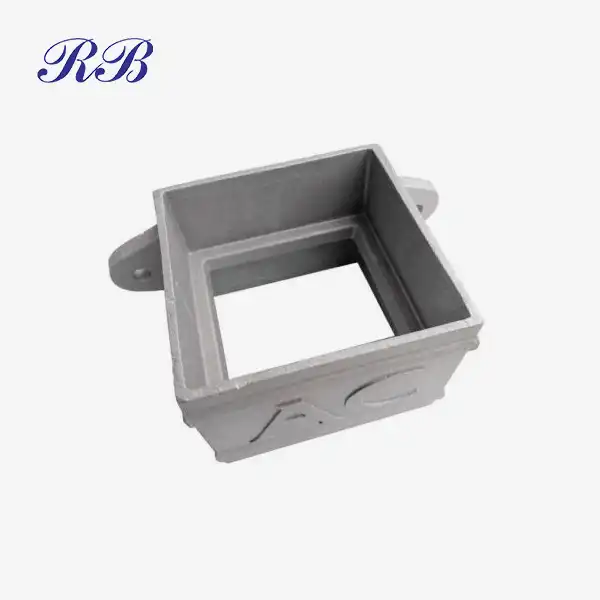
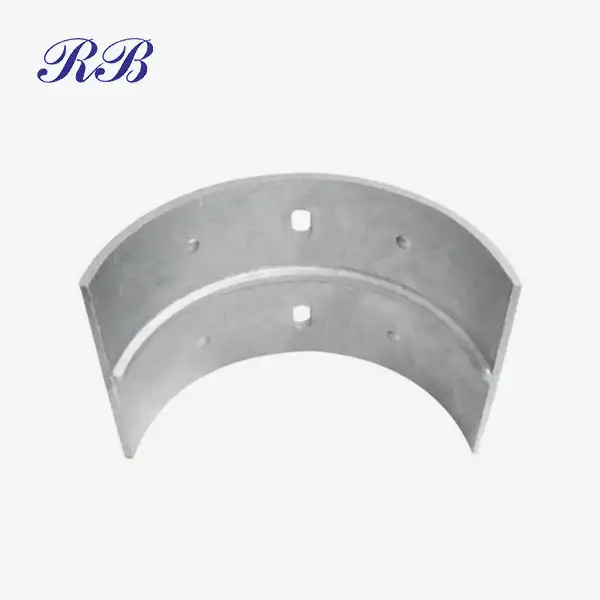
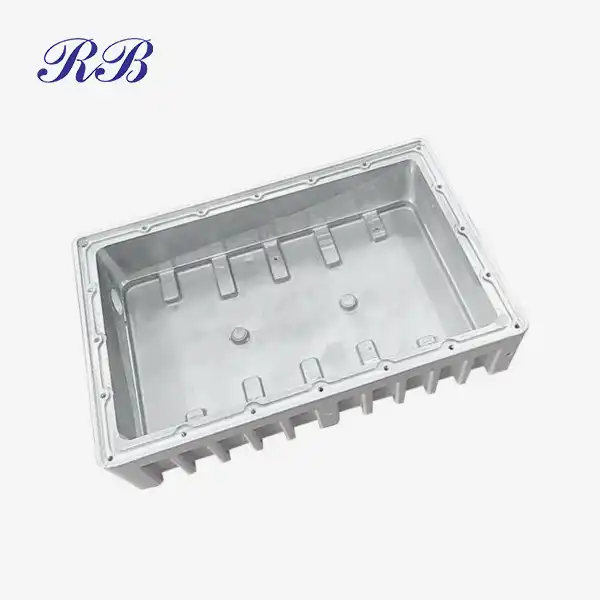
Learn about our latest products and discounts through SMS or email