- English
- French
- German
- Portuguese
- Spanish
- Russian
- Japanese
- Korean
- Arabic
- Greek
- German
- Turkish
- Italian
- Danish
- Romanian
- Indonesian
- Czech
- Afrikaans
- Swedish
- Polish
- Basque
- Catalan
- Esperanto
- Hindi
- Lao
- Albanian
- Amharic
- Armenian
- Azerbaijani
- Belarusian
- Bengali
- Bosnian
- Bulgarian
- Cebuano
- Chichewa
- Corsican
- Croatian
- Dutch
- Estonian
- Filipino
- Finnish
- Frisian
- Galician
- Georgian
- Gujarati
- Haitian
- Hausa
- Hawaiian
- Hebrew
- Hmong
- Hungarian
- Icelandic
- Igbo
- Javanese
- Kannada
- Kazakh
- Khmer
- Kurdish
- Kyrgyz
- Latin
- Latvian
- Lithuanian
- Luxembou..
- Macedonian
- Malagasy
- Malay
- Malayalam
- Maltese
- Maori
- Marathi
- Mongolian
- Burmese
- Nepali
- Norwegian
- Pashto
- Persian
- Punjabi
- Serbian
- Sesotho
- Sinhala
- Slovak
- Slovenian
- Somali
- Samoan
- Scots Gaelic
- Shona
- Sindhi
- Sundanese
- Swahili
- Tajik
- Tamil
- Telugu
- Thai
- Ukrainian
- Urdu
- Uzbek
- Vietnamese
- Welsh
- Xhosa
- Yiddish
- Yoruba
- Zulu
What is a casting medium pressure tee?
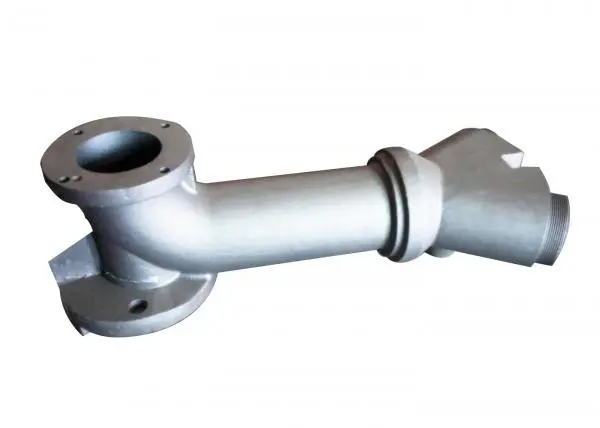
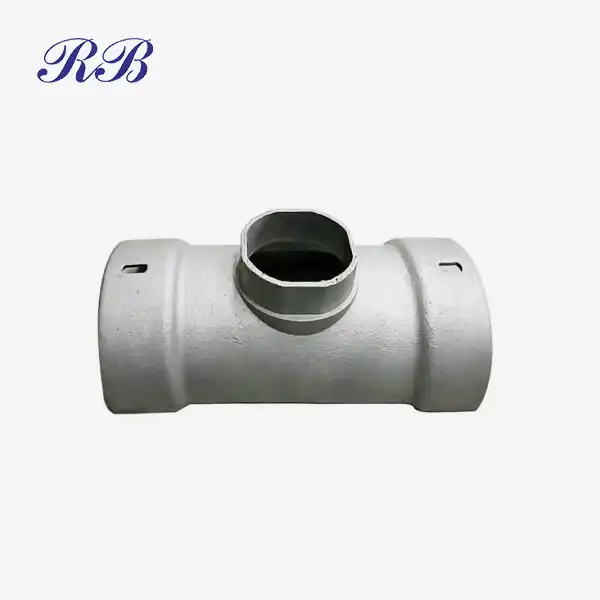
A casting medium pressure tee is a one-piece three-way pipeline fitting. Manufacturers make it via metal casting to split or combine fluid and gas flow. It works steadily within medium pressure ranges of 150 PSI to 1000 PSI. Unlike welded tees, this fitting has seamless uniform wall thickness. It avoids weak weld joints that easily crack under cyclic pressure loads. Engineers widely select this cast three-way component for fire suppression, hydraulic machinery and industrial fluid processing systems.
Manufacturing, Materials & Industry Standards of Cast Pipeline Tees
To select and use pipeline fittings correctly, you first need to master how this cast three-way part is produced, what raw materials fit different working conditions, and which industry standards regulate its quality. This chapter breaks down production logic, material matching rules and unified dimensional specifications for engineering reference.
One-Piece Casting Production Processes for the Tee
A casting medium pressure tee differs fundamentally from welded and forged tees due to its integrated casting forming process. Workers pour molten metal into prefabricated molds to form the whole tee in one step. No secondary splicing or welding is needed.
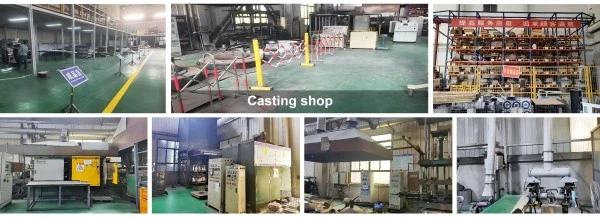
Gravity casting is the most mainstream process for standard-size cast three-way products. Molten metal flows into molds by natural gravity. Slow and even cooling delivers stable internal grain structure. This method guarantees consistent dimensional accuracy for safety-critical pipelines such as fire pump branch pipes.
Sand casting suits large-diameter cast tees and small-batch custom orders. It cuts upfront mold development costs. Investment casting achieves ultra-smooth inner surfaces and complex internal structures. Factories pick this process for precision hydraulic equipment that requires minimal flow turbulence.
Material Selection Rules for Different Working Scenarios
The service life of any cast three-way pipe split piece directly depends on alloy material matching. Each metal material carries unique resistance to pressure, corrosion and temperature changes.
ZL101A aluminum alloy is a lightweight option for the casting medium pressure tee. It resists water corrosion well. Mobile construction machinery and vehicle brake cooling systems prefer this material. Its self-weight reduces extra load on equipment frames.
Ductile iron and carbon steel offer high mechanical strength for heavy industrial pipelines. Operators must add anti-rust coatings to prevent oxidation in humid environments. Stainless steel cast tees fit chemical workshops with corrosive acid and alkali media. Brass variants serve small-diameter low-temperature auxiliary fluid circuits.
Mandatory Dimensional & Pressure Rating Standards
All qualified cast three-way split fittings must follow dedicated casting pipeline fitting standards. ASME B16.3 covers cast threaded fittings, while ASTM series documents define alloy material mechanical indexes.
Standard clauses set uniform wall thickness, outer diameter and interface size rules. Unified standards ensure interchangeability between tees from different foundries. The rated pressure of the casting medium pressure tee changes with material and operating temperature. Every supplier provides pressure-temperature reference curves for buyers to avoid over-specification and unnecessary cost waste.
Application Performance, Industry Scenarios & Selection Comparison of Cast Pipeline Tees
After learning the basic production and standard rules of cast three-way pipe fittings, the next step is to match fittings with actual project demands. This part covers real industry applications, core performance advantages and horizontal comparisons with other tee types to support procurement decision-making.
Wide Industry Application Scenarios for Cast Three-Way Fittings
Casting medium pressure tee acts as a core flow distribution component across dozens of industrial sectors. Its seamless structure keeps pipeline systems stable under long-term medium pressure operation.
Fire protection systems rely on gravity-cast aluminum three-way pieces. These tees connect main standpipes and branch sprinkler pipes. Standing water will not cause rapid corrosion on aluminum alloy surfaces.
Oil and gas gathering pipelines, power plant cooling water loops and municipal water treatment facilities all adopt this fitting. Construction excavators and automobile transmission cooling circuits also install compact cast split pieces to separate hydraulic oil and brake fluid flow.
Key Performance Advantages in Actual Pipeline Operation
Cast pipeline tees deliver unique performance benefits over other pipeline split components. CNC post-casting machining polishes inner walls to reduce fluid turbulence and pressure loss.
Shot blasting removes casting oxide scales and improves coating adhesion. The integrated mold forming eliminates weld stress concentration points. This feature greatly lowers the risk of medium leakage under repeated water hammer impact. Regular maintenance for cast three-way fittings only requires simple external corrosion inspections during equipment shutdown cycles.
Comparison Between Cast Split Fittings and Welded/Forged Tees
Procurement teams often compare three mainstream tee types before placing orders. Cast three-way pipe parts balance cost, structural strength and design flexibility best for medium pressure working conditions.
Forged tees own stronger mechanical performance but carry high mold costs and long delivery cycles. Welded tees combine separate pipe segments. Weld seams form hidden failure points under cyclic pressure loads. Cast split pieces support complex built-in reinforcing ribs and flow guide structures that cannot be realized by welding.
In terms of cost, casting becomes cost-effective when orders exceed hundreds of pieces. Small batch emergency replacement orders can choose welded tees, while mass industrial projects prioritize cast three-way fittings to cut long-term maintenance costs.

Complete Procurement, Sourcing & Order Guide for Cast Pipeline Split Fittings
Once you confirm that casting medium pressure tee matches your project’s pressure, medium and structural requirements, standardized procurement steps help you find reliable suppliers and control delivery, quality and logistics risks comprehensively.
Supplier Verification & Sourcing Channel Analysis
Three common sourcing channels supply cast three-way pipeline components: direct foundry cooperation, industrial distributors and online B2B trading platforms. Each channel fits different order sizes.
Direct cooperation with integrated foundries like Rongbao Enterprise brings the lowest unit price for bulk orders. The factory completes casting, CNC machining and surface treatment in one workshop. It also accepts OEM and ODM customized split pieces with special port layouts.
Distributors stock standard sizes for fast small-order delivery, yet their unit prices are higher. Online platforms need strict qualification verification. Buyers must request material test reports and physical samples before mass production of cast pipe tees.
Key Cost & Lead Time Influencing Factors
The total cost of any cast three-way fitting includes raw material, mold, processing and surface treatment fees. Aluminum alloy raw materials cost less than stainless steel. Custom molds produce one-time upfront charges, which dilute over large order batches.
Delivery time varies greatly based on product type. Standard off-the-shelf cast split parts can ship within 3 working days. Custom designs with new molds require 8 to 14 weeks of production lead time. Buyers should arrange orders in advance during manufacturing peak seasons to avoid project delays.
Logistics, Packaging & Export Compliance Rules
International transportation requires targeted packaging to protect metal cast split pieces from collision damage. Solid wooden crates are the standard packaging solution for heavy cast metal fittings.
Full export documents must accompany each shipment, including commercial invoices, origin certificates and material inspection reports. Clear Incoterms agreements divide transportation damage liability between buyers and suppliers. Cargo insurance further reduces risks during long-distance ocean shipping of casting medium pressure tee batches.

Conclusion
A casting medium pressure tee is a high-reliability integrated pipeline fitting designed for 150–1000 PSI medium pressure systems. Its one-piece casting structure solves the leakage hidden danger of welded tees. Proper material selection, standard compliance and scientific procurement strategies maximize its service life in fire protection, chemical, energy and machinery industries. By verifying supplier certifications, confirming custom production cycles and sorting out logistics plans, buyers can obtain qualified cast split fittings that balance technical performance and overall project budget.
FAQs
1. What differences separate cast medium-pressure split parts from high-pressure tee products?
A casting medium pressure tee supports 150 PSI to 1000 PSI working pressure. High-pressure tees serve systems above 1000 PSI. High-pressure fittings use thicker walls and premium high-strength alloys. They also need strict repeated pressure impact tests. Choosing this cast three-way product for medium-load projects avoids over-specification and extra procurement costs while retaining sufficient safety margins.
2. How does material choice affect the service life of cast pipeline split fittings?
Material determines the anti-corrosion, temperature and pressure resistance of all cast three-way pipe pieces. ZL101A aluminum alloy works well for water-based medium and lightweight equipment. Stainless steel handles corrosive chemical fluid. Carbon steel offers low-cost strength after anti-rust coating. Buyers must evaluate fluid composition and ambient temperature to pick the optimal alloy for their pipeline split components.
3. Can suppliers customize the structure and size of cast three-way fittings?
Qualified foundries with OEM and ODM capacity support full customization of cast split pipe pieces. Modifiable items include pipe diameter, branch angle, wall thickness and built-in flow structures. Custom production needs new mold development and usually requires a minimum order quantity. Discuss all drawing requirements with manufacturers early to lock a reasonable delivery schedule for custom cast pipeline parts.
Partner With Rongbao Enterprise for Custom Cast Pipeline Tee Solutions
Rongbao Enterprise, a Xi’an-based integrated foundry, manufactures high-performance casting medium pressure tee for global industrial and fire protection projects. Our core gravity casting process uses ZL101A aluminum alloy to produce seamless tees with stable 3.3kg standard weight. All products pass ISO 9001, ISO 14001 and ISO 45001 three-system certification.
We own 20 years of metal casting experience and complete supporting CNC machining, shot blasting and coating workshops. Our factory can produce up to 5,000 pieces of cast split fittings per batch. We provide full engineering technical support, from early material selection suggestion to post-delivery quality after-sales service.
Our team delivers tailored pipeline split components for automotive hydraulic systems, construction machinery, fire sprinkler pipelines and chemical processing equipment. We offer standardized wooden export packaging and complete customs declaration documents for overseas clients. Reach out to our professional sales team via steve.zhou@263.net or zhouyi@rongbaocasting.com to request free samples, technical drawings and bulk order quotations for your industrial pipeline projects.
References
- American Society of Mechanical Engineers. (2020). ASME B16.3: Factory-Made Cast Threaded Fittings. New York: ASME Press.
- Davis, J.R. (2018). Aluminum and Aluminum Alloys: Casting Fundamentals and Applications. Materials Park, OH: ASM International.
- Kaufman, J.G. & Rooy, E.L. (2016). Aluminum Alloy Castings: Properties, Processes, and Applications. Materials Park, OH: ASM International.
- Rong, M. & Chen, W. (2019). Quality Control Methods in Gravity Casting of Aluminum Alloys. Journal of Manufacturing Processes, 45, 112-124.
- Smith, W.F. & Hashemi, J. (2021). Foundations of Materials Science and Engineering (7th ed.). New York: McGraw-Hill Education.
- Zhao, H. & Wang, L. (2017). Structural Integrity Assessment of Cast Pipeline Fittings Under Cyclic Loading. International Journal of Pressure Vessels and Piping, 156, 33-42.
Learn about our latest products and discounts through SMS or email