- English
- French
- German
- Portuguese
- Spanish
- Russian
- Japanese
- Korean
- Arabic
- Greek
- German
- Turkish
- Italian
- Danish
- Romanian
- Indonesian
- Czech
- Afrikaans
- Swedish
- Polish
- Basque
- Catalan
- Esperanto
- Hindi
- Lao
- Albanian
- Amharic
- Armenian
- Azerbaijani
- Belarusian
- Bengali
- Bosnian
- Bulgarian
- Cebuano
- Chichewa
- Corsican
- Croatian
- Dutch
- Estonian
- Filipino
- Finnish
- Frisian
- Galician
- Georgian
- Gujarati
- Haitian
- Hausa
- Hawaiian
- Hebrew
- Hmong
- Hungarian
- Icelandic
- Igbo
- Javanese
- Kannada
- Kazakh
- Khmer
- Kurdish
- Kyrgyz
- Latin
- Latvian
- Lithuanian
- Luxembou..
- Macedonian
- Malagasy
- Malay
- Malayalam
- Maltese
- Maori
- Marathi
- Mongolian
- Burmese
- Nepali
- Norwegian
- Pashto
- Persian
- Punjabi
- Serbian
- Sesotho
- Sinhala
- Slovak
- Slovenian
- Somali
- Samoan
- Scots Gaelic
- Shona
- Sindhi
- Sundanese
- Swahili
- Tajik
- Tamil
- Telugu
- Thai
- Ukrainian
- Urdu
- Uzbek
- Vietnamese
- Welsh
- Xhosa
- Yiddish
- Yoruba
- Zulu
What is the composition of cast aluminum?
Cast aluminum is an advanced alloy consisting of aluminum and other elements that define the characteristics of the finished product. Silicon (4-12%), copper (0.5-4%), magnesium (0.3-1%), and zinc (0.5-3%), among other essential components, give the final product its distinctive properties. When sourcing aluminium die casting components for industrial applications, it is essential to understand these compositional specifics since the exact alloy composition has a direct impact on mechanical qualities, corrosion resistance, and production capacities.
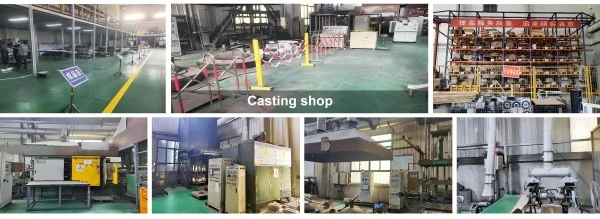
Understanding the Composition of Cast Aluminum
The base metal of cast aluminum alloys is pure aluminum, and the alloying elements are added in a regulated manner to improve the composition. The primary ingredients are designed to have the right amount of each: strength, weight, manufacturability, and corrosion resistance.
Primary Alloying Elements and Their Functions
With a weight percentage of 4–12%, silicon is the most important alloying ingredient in cast aluminum. This component makes the material more malleable when cast, which in turn lessens shrinkage and increases durability. Using silicon allows for the easier flow of molten aluminum into complicated mold holes, resulting in thin-walled geometries.
Strength, hardness, and machinability are all greatly enhanced by additions of copper, often ranging from 0.5% to 4%. Although copper may lower corrosion resistance, its proportion is an important point of balance in alloy design. In lower concentrations (0.3-1%), magnesium increases strength via precipitation hardening and corrosion resistance, which is especially useful in saltwater.
Strength, hardness, and excellent casting properties are all enhanced by zinc concentration, which usually ranges from 0.5 to 3%. Low amounts of iron (less than 1% by weight) may be regulated to maintain ductility and avoid brittleness, despite iron's reputation as an impurity.
Alloy Classification Systems
Cast aluminum alloys are classified into several series by the Aluminum Association according to the principal alloying constituents. The 1xx.x series denotes commercially available, almost pure aluminum that has had very little alloying added to it. Copper is the principal alloying element in the 2xx.x series, which results in very high strength but lower corrosion resistance.
Die casting is most often used for cast aluminum alloys belonging to the 3xx.x class, which are characterized by a high silicon content. In addition to being moderately strong and resistant to corrosion, these alloys have great castability. By fusing silicon and copper, the 4xx.x series achieves increased strength with acceptable casting characteristics.
Professionals in the procurement industry may better specify materials for their uses if they have a firm grasp of these categories. There are clear benefits to using an alloy from either series. 3xx.x alloys are great for general-purpose uses that don't need excellent castability, while 2xx.x alloys are better for high-strength uses where corrosion resistance is less important.
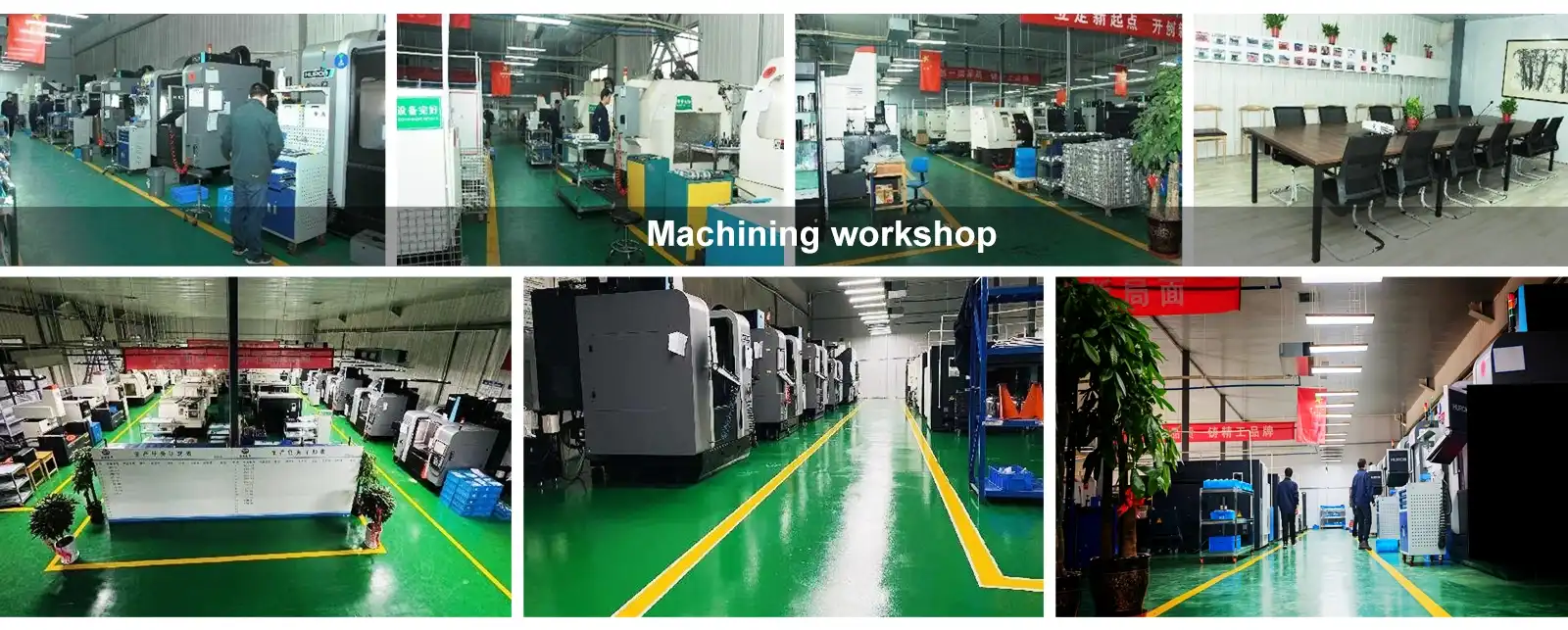
Aluminium Die Casting Components
Die casting is a precise manufacturing technique that uses controlled injection into steel molds subjected to high pressure to turn molten aluminum alloys into intricate, high-quality aluminium die casting components. The casting process's success and the qualities of the finished component are heavily dependent on the aluminum alloy's composition.
Manufacturing Process Stages
Accurate alloy preparation, including melting raw materials and verifying composition by spectrographic examination, is the first step in the die casting process. Melting at the correct temperature guarantees that the alloying elements dissolve properly and prevents them from segregating. The metal, which is usually kept at a temperature between 1250 and 1300°F, is pumped into steel dies with an accuracy of 1,500 to 25,000 PSI.
The precise alloy composition dictates the need for precise control over injection pressure and velocity profiles. For optimal mold filling, lower injection pressures are usually sufficient for silicon-rich alloys, whereas higher pressures may be necessary for copper-containing alloys. To get the microstructure and mechanical qualities you want, you have to carefully chill the mixture as it solidifies.
Optimal cycle time, real-time temperature monitoring, and pressure tracking are all part of the process's quality control methods. The surface treatments, machining, and trimming that are part of the post-casting activities are all affected by the alloy composition.
Composition Impact on Casting Behavior
The casting behavior and any flaws are influenced by the alloy chemistry. It is perfect for thin-wall applications because to its high silicon content, which increases fluidity and minimizes the potential for hot cracking. Nevertheless, die soldering and higher tool wear may result from an overabundance of silicon. The creation of porosity during solidification is affected by the magnesium level, which in turn affects the solubility of hydrogen.
Because iron encourages the production of brittle intermetallic phases, which may affect mechanical characteristics, iron levels must be carefully managed. The deleterious effects of iron may be mitigated by the addition of manganese, which also helps to preserve casting performance.

Benefits of Aluminium Die Casting Components Based on Their Composition
Aluminum die casting alloys are in great demand for a wide variety of industrial applications due to their many performance benefits brought about by their strategic composition. In order to make educated selections about which materials to use, procurement teams benefit from understanding these composition-driven advantages.
Strength-to-Weight Ratio Advantages
Thanks to careful optimization of their composition, modern aluminum die casting alloys have an unprecedented strength-to-weight ratio. The typical A380 alloy has a density of just 0.098 lb/in³ and tensile strengths of 46,000 PSI; it contains 7.5% to 9.5% silicon and 3.0% to 4.0% copper. While offering sufficient strength for most applications, this weighs around one-third less than similar steel die casting components.
These alloys' magnesium content makes them age hardenable, which means that regulated heat treatment may raise the yield strength by 30–40% compared to the as-cast state. Without altering the fundamental chemistry of the alloy, producers may modify its mechanical qualities to meet the needs of individual applications because to its compositional flexibility.
Corrosion Resistance and Durability
Casting alloys made of aluminum, which include silicon, are more resistant to corrosion than pure aluminum because of the oxide layer that the silicon generates. Particularly in chemical and marine settings, the use of magnesium enhances this protective barrier even more. Careful balancing of copper concentration is required to avoid the formation of galvanic corrosion cells, which reduce durability over time.
Corrosion resistance is constant throughout all batches of manufacture thanks to careful composition management. Component failure might have major safety consequences in automotive and aerospace applications, making this reliability critical.
Thermal and Electrical Conductivity Properties
Aluminum is perfect for uses involving dissipation of heat because to its intrinsic thermal conductivity, which is about 200 W/m·K. Adding silicon enhances castability but marginally reducing heat conductivity; this is a trade-off that is acceptable for most purposes. The mechanical strength required for structural integrity is provided by electrical conductivity, which is high enough for most electronic housing applications.
Aluminum die castings are highly sought after for their thermal qualities, which make them ideal for use in electronic heat sinks, LED lighting fixtures, and components of automobile engines.
Practical Considerations for B2B Procurement of Aluminium Die Casting Components
To acquire aluminum die casting components successfully, one must be aware of the correlation between alloy make-up, supplier competence, and TCO. To guarantee the success of the supply chain in the long run, procurement teams need to consider more than just the unit price.
Supplier Certification and Quality Control
Consistent component quality throughout production runs may be achieved by choosing suppliers with strong composition control skills. Suppliers to the automobile industry should be IATF 16949 certified, and ISO 9001 certified for basic quality management assurance. The verification of alloys, process control, and the execution of remedial actions must be recorded in accordance with these requirements.
All incoming raw materials and completed components should be able to be analyzed spectrographically by the supplier. A dedication to quality control and the capacity to maintain tight composition tolerances are shown by this investment in equipment. To ensure continuous conformity with quality standards, it is helpful to have third-party auditors check supplier facilities on a regular basis.
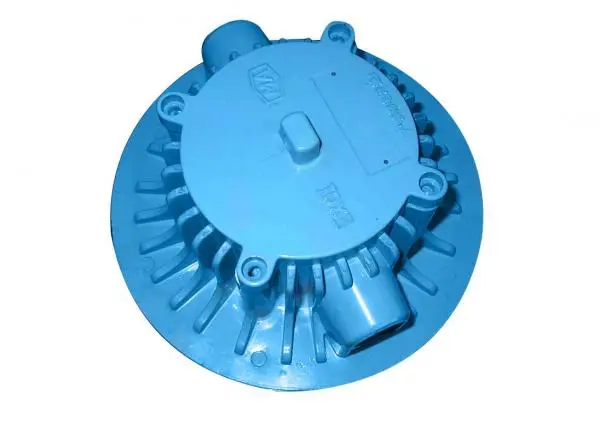
Impact of Alloy Specifications on Manufacturing
Lead times and minimum order quantities may be affected by custom alloy compositions, which may provide performance benefits. Standard alloys, such as A380 and A383, have well-established processing characteristics and are widely available, which results in shorter lead times and cheaper tooling costs.
Having a supplier that can handle many alloys allows for more leeway in optimizing product lines while yet keeping things simple for customers. Businesses whose product lines include a wide variety of items with varying performance requirements will find this feature invaluable.
Sustainability and Environmental Considerations
Because it can be recycled endlessly, aluminum is a green material option. There are financial and environmental benefits for suppliers that use closed-loop recycling systems. Saving money and reducing carbon emissions, secondary aluminum manufacturing uses only 5% of the energy required for original aluminum production.
The carbon reduction programs and environmental management systems of suppliers should be assessed by procurement teams. Suppliers are under increasing pressure from many businesses to disclose their emissions in scopes 1, 2, and 3 as part of environmental initiatives.
Conclusion
Cast aluminum composition represents a sophisticated balance of alloying elements designed to optimize performance for specific applications. Understanding the roles of silicon, copper, magnesium, and other elements helps procurement professionals make informed material selections that balance performance requirements with cost considerations. The die casting process leverages these compositional advantages to produce high-quality aluminium die casting components with excellent dimensional accuracy and surface finish. As industries continue demanding lighter, stronger, and more sustainable materials, aluminum die casting alloys provide compelling solutions that meet diverse application requirements while supporting environmental objectives.
Partner with Rongbao Enterprise for Superior Aluminium Die Casting Components
Rongbao Enterprise stands as your trusted aluminium die casting components supplier, combining 20 years of manufacturing expertise with comprehensive quality certifications including ISO9001, ISO14001, and ISO45001. Our advanced facilities support high-pressure die casting, low-pressure die casting, and precision machining capabilities, ensuring optimal alloy composition control throughout the manufacturing process. With 70% of our production exported to European, American, and Japanese markets, we understand the stringent quality requirements of global industrial applications.
Our technical team provides complete support from alloy selection through final component delivery, helping you optimize material specifications for your specific applications. Contact our experts at steve.zhou@263.net or zhouyi@rongbaocasting.com to discuss your project requirements and discover how our integrated manufacturing solutions can enhance your supply chain efficiency.
FAQ
What are the most common alloying elements in cast aluminum?
The primary alloying elements include silicon (4-12%), copper (0.5-4%), magnesium (0.3-1%), and zinc (0.5-3%). Silicon improves castability and wear resistance, copper increases strength and hardness, magnesium enhances corrosion resistance and enables heat treatment, while zinc contributes to overall strength.
How does aluminum composition affect die casting quality?
Composition directly impacts fluidity during injection, solidification behavior, and potential defect formation. Higher silicon content improves mold filling and reduces hot cracking, while proper magnesium levels control hydrogen solubility and porosity. Iron content must be controlled to prevent brittle phase formation.
What is the difference between A380 and A383 aluminum alloys?
A380 contains 7.5-9.5% silicon and 3.0-4.0% copper, offering balanced strength and castability. A383 has similar silicon content but lower copper (2.0-3.0%), providing better corrosion resistance and ductility at slightly reduced strength levels.
Why is composition control important in aluminum die casting?
Consistent composition ensures predictable mechanical properties, casting behavior, and quality across production batches. Variations in alloy chemistry can lead to dimensional inconsistencies, mechanical property variations, and increased defect rates, ultimately affecting component reliability and supplier performance.
References
1. Kaufman, J.G. and Rooy, E.L. "Aluminum Alloy Castings: Properties, Processes, and Applications." ASM International, 2004.
2. Mondolfo, L.F. "Aluminum Alloys: Structure and Properties." Butterworths, London, 1976.
3. Campbell, J. "Castings Practice: The 10 Rules of Castings." Elsevier Butterworth-Heinemann, 2004.
4. Aluminum Association. "Designation System for Aluminum Alloys." Technical Report, 2015.
5. Sjölander, E. and Seifeddine, S. "The Heat Treatment of Al-Si-Cu-Mg Casting Alloys." Journal of Materials Processing Technology, 2010.
6. Totten, G.E. and MacKenzie, D.S. "Handbook of Aluminum: Alloy Production and Materials Manufacturing." Marcel Dekker, 2003.
Learn about our latest products and discounts through SMS or email