- English
- French
- German
- Portuguese
- Spanish
- Russian
- Japanese
- Korean
- Arabic
- Greek
- German
- Turkish
- Italian
- Danish
- Romanian
- Indonesian
- Czech
- Afrikaans
- Swedish
- Polish
- Basque
- Catalan
- Esperanto
- Hindi
- Lao
- Albanian
- Amharic
- Armenian
- Azerbaijani
- Belarusian
- Bengali
- Bosnian
- Bulgarian
- Cebuano
- Chichewa
- Corsican
- Croatian
- Dutch
- Estonian
- Filipino
- Finnish
- Frisian
- Galician
- Georgian
- Gujarati
- Haitian
- Hausa
- Hawaiian
- Hebrew
- Hmong
- Hungarian
- Icelandic
- Igbo
- Javanese
- Kannada
- Kazakh
- Khmer
- Kurdish
- Kyrgyz
- Latin
- Latvian
- Lithuanian
- Luxembou..
- Macedonian
- Malagasy
- Malay
- Malayalam
- Maltese
- Maori
- Marathi
- Mongolian
- Burmese
- Nepali
- Norwegian
- Pashto
- Persian
- Punjabi
- Serbian
- Sesotho
- Sinhala
- Slovak
- Slovenian
- Somali
- Samoan
- Scots Gaelic
- Shona
- Sindhi
- Sundanese
- Swahili
- Tajik
- Tamil
- Telugu
- Thai
- Ukrainian
- Urdu
- Uzbek
- Vietnamese
- Welsh
- Xhosa
- Yiddish
- Yoruba
- Zulu
What is the filling ratio in HPDC?
For complicated metal components that need a high level of accuracy and a flawless surface finish, high pressure die casting (HPDC) is an indispensable production method. An important factor affecting the efficiency and quality of HPDC parts is the filling ratio, which is the amount of molten metal injected compared to the volume of the mold cavity. Optimization of costs, minimization of faults, and trustworthy supplier performance may be achieved by knowing this statistic. It is crucial for procurement managers, engineers, OEM customers, and distributors to do so. In order to help global B2B procurement experts improve their HPDC sourcing methods, this handbook provides a thorough insight.

What is the Filling Ratio in High Pressure Die Casting?
When metal is injected into a die cavity under high pressure, the filling ratio measures what proportion of the cavity volume the molten metal takes up. This crucial statistic has a direct impact on production efficiency, material consumption, and part quality; in optimum HPDC processes, it usually falls between 85% and 95%. Manufacturers may minimize waste and faults in their casting processes and produce consistent outcomes by understanding this ratio.
Technical Definition and Measurement
To get the filling ratio, divide the amount of molten metal that was actually injected by the entire space accessible in the die's cavities. Engineers watch the velocity of metal flow, pressure differentials, and patterns of cavity fill to determine this parameter. The final filling % may be affected by thermal expansion, metal shrinkage rates, and differences in die geometry, all of which must be taken into account for accurate measurement.
These days, filling ratios are monitored in real-time by modern high pressure die casting facilities. In order to keep the filling parameters appropriate, these systems use pressure sensors, temperature monitors, and complex software algorithms. Operators may instantly modify injection speed, metal temperature, and die preheating cycles according on the acquired data, ensuring that all manufactured parts have uniform filling ratios.
Impact on Part Quality and Performance
Quality of surface polish, dimensional correctness, and mechanical qualities of the component are all positively correlated with filling ratio control. Weak spots, surface flaws, and dimensional changes might affect the part's performance when the ratio is not within ideal ranges, which leads to partial filling. In contrast, flash creation, higher material waste, and possible die damage during lengthy production runs may result from overfilling.
Factors Affecting the Filling Ratio in HPDC
Optimal outcomes in die casting procedures depend on balancing a number of interrelated factors that affect the filling ratio. The filling characteristics that are seen during manufacturing are influenced by a number of factors, including the materials used, the intricacy of the die design, and the process parameters.
Material Properties and Alloy Selection
The flow properties of different alloy compositions have a major influence on the filling ratios. For effective cavity filling with ratios usually reaching 90-95%, aluminum alloys, which are widely used in automotive applications, show great flowability at mild temperatures. Because of their lower melting temperatures, zinc alloys have better flow characteristics and may often achieve filling ratios exceeding 95% with little process adjustment.
The reactive nature and special thermal characteristics of magnesium alloys make them particularly difficult to work with. In order to obtain the best filling ratios with these materials while avoiding oxidation and keeping the material intact, certain handling processes and adjusted injection settings are needed. The filling ratio that may be achieved and the quality of the resulting part are both affected by the alloy composition that is used.
Die Design and Geometry Considerations
Filling ratios that are feasible are highly dependent on factors such as cavity shape, gating system design, and venting arrangements. To guarantee full metal penetration, different filling procedures may be necessary for complex component geometries with thin wall sections, deep voids, or complicated features. For die designers, the key to excellent performance across a wide range of component needs is striking a balance between filling efficiency and part complexity.
Metal flow patterns and filling homogeneity across the die cavity are greatly impacted by the design of the runner system. Ensuring smooth metal flow and minimizing turbulence that might adversely effect filling ratios is achieved via the use of appropriately sized gates, strategically located vents, and optimized runner geometry. Engineers are able to improve these design features prior to die manufacture with the use of advanced simulation tools.
Process Parameters and Operating Conditions
The final filling ratio attained during manufacturing is affected by many factors, including injection velocity, metal temperature, die preheating, and applied pressure. The filling ratio is improved by decreasing metal solidification before cavity completion at higher injection rates, and by maintaining enough fluidity throughout the filling cycle at ideal metal temperatures. Die preheating ensures consistent filling patterns and keeps metal at a constant temperature.
To compensate for metal shrinkage during solidification and to guarantee full cavity filling, pressure is used during injection and the following holding phases. Maintaining sufficient filling ratios over all areas of the cavity requires meticulous management of pressure profiles to prevent flash development.
Optimizing the Filling Ratio: Best Practices for Procurement and Production
Systematic monitoring and continual improvement initiatives are necessary for manufacturers and their procurement partners to achieve appropriate filling ratios. Lower defect rates, higher yields, and more efficient manufacturing are all results of using tried and true optimization tactics.
Process Monitoring and Control Systems
Optimal filling ratios are maintained throughout production runs with the help of advanced monitoring systems that measure various parameters concurrently. By collecting data in real-time, process modifications can be made instantly when filling ratios go outside of desired ranges. This helps to avoid the production of defects and ensures that the part quality remains constant. These solutions provide full process insight via integration with production management platforms.
Finding patterns and trends in filling ratio performance over time is made easier using statistical process control tools. Predictive maintenance scheduling, chances for process improvement, and early identification of any quality concerns are all made possible by regularly analyzing this data. When choosing a partner for high pressure die casting, procurement teams should look at how well the supplier can be monitored.

Quality Control and Testing Procedures
By establishing thorough testing processes, we can guarantee that optimizing the filling ratio will result in consistently high-quality parts. The internal soundness and the presence of porosity or partial filling may be confirmed using non-destructive testing procedures, such as X-ray examination and ultrasonic testing. Parts manufactured with optimum filling ratios and subjected to regular dimensional testing are guaranteed to fulfill all specifications.
Evaluation of filling ratio control techniques, calibration of monitoring equipment, and operator training programs should all be part of supplier quality audits. Partners with strong process controls and a dedication to optimizing filling ratios via continuous improvement may be found with the aid of these evaluations by procurement teams.
Choosing High Pressure Die Casting Partners with Expertise in Filling Ratio Optimization
Technical competence, quality systems, and process control knowledge should all be carefully considered when choosing a manufacturing partner. Superior outcomes and long-term value are delivered to procurement organizations by partners with proven expertise in filling ratio optimization.
Technical Capabilities and Certifications
Quality certifications such as ISO 9001, ISO 14001, and industry-specific standards such as IATF 16949 for automotive applications are maintained by leading high pressure die casting vendors. The optimization of filling ratios benefits greatly from these certifications, which show systematic methods to process management and continuous improvement. It is important for suppliers to showcase their proficiency in handling various alloy systems and levels of part complexity.
Suppliers may adjust filling ratios before production starts with the use of advanced modeling capabilities. This reduces development time and ensures first-time quality. Whenever changes to the die are necessary for filling ratio optimization, partners with in-house tooling design and production skills may make the necessary design revisions rapidly.

Production Capacity and Scalability
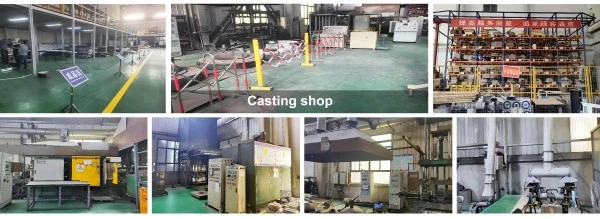
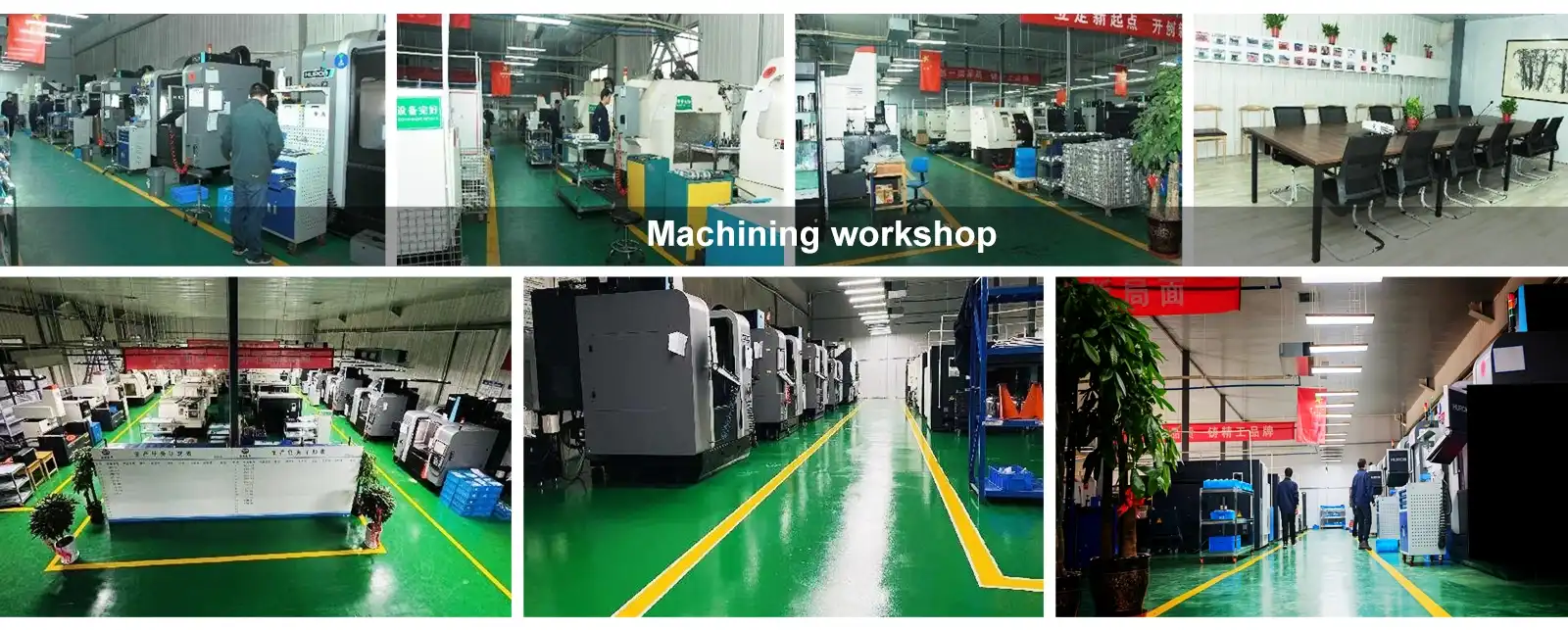
If you're looking for a provider that can adapt to different batch sizes and delivery needs, look no further. Consistent filling ratio control across diverse production volumes is achieved by using their standardized workshop facilities and automated equipment. Suppliers who can easily grow production while maintaining quality standards are a boon to procurement teams.
Consistent shipment to clients all around the world is made possible by well-established supply chains and extensive access to global markets. If a supplier has a history of success in the US or Europe market, they know the local quality standards and compliance regulations that impact testing protocols and filling ratio needs.
Conclusion
Understanding and optimizing filling ratios in high pressure die casting operations provides significant advantages for procurement professionals seeking reliable, high-quality manufacturing partners. The technical insights and best practices outlined in this guide enable informed decision-making when evaluating suppliers and establishing quality requirements. Proper filling ratio management directly impacts part quality, production efficiency, and overall manufacturing costs, making it a critical consideration for successful sourcing strategies.
Rongbao Enterprise's comprehensive capabilities in filling ratio optimization, combined with our proven track record in global markets, position us as an ideal partner for organizations seeking superior HPDC solutions. Our commitment to technical excellence, quality assurance, and customer service ensures successful project outcomes across diverse industrial applications.
Partner with Rongbao Enterprise for Superior HPDC Solutions
Rongbao Enterprise brings decades of expertise in high pressure die casting optimization to help you achieve superior manufacturing results. Our advanced process controls and proven filling ratio management capabilities ensure consistent quality and reliable delivery for your most demanding applications. We specialize in serving automotive, industrial equipment, and precision component manufacturers who require exceptional quality and performance.
Contact our technical team at steve.zhou@263.net or zhouyi@rongbaocasting.com to discuss your specific requirements and learn how our filling ratio expertise can benefit your projects.
FAQ
How does the filling ratio affect the mechanical properties of cast parts?
The filling ratio directly influences metal flow patterns and solidification characteristics, which determine the final mechanical properties of cast components. Optimal filling ratios ensure complete cavity filling, uniform metal distribution, and minimal porosity formation. This results in improved tensile strength, fatigue resistance, and overall structural integrity. Incomplete filling due to low ratios can create weak points and stress concentrations that compromise part performance under operational loads.
Can filling ratio optimization reduce common casting defects?
Optimizing filling ratios significantly reduces several common casting defects including porosity, cold shuts, and incomplete fill conditions. Proper ratio control minimizes air entrapment during injection, reduces turbulence that causes gas porosity, and ensures sufficient metal flow to completely fill complex geometry sections. This optimization leads to higher production yields, reduced scrap rates, and improved product reliability across diverse applications.
What lead times and batch sizes can I expect from HPDC suppliers focusing on filling ratio precision?
Suppliers with advanced filling ratio control capabilities typically offer flexible batch sizes ranging from prototype quantities to high-volume production runs. Lead times vary based on part complexity and tooling requirements, but experienced suppliers maintain standard delivery schedules while ensuring quality consistency. Their process optimization expertise often enables faster cycle times and reduced development periods compared to suppliers without specialized filling ratio management systems.
References
1. Campbell, J. "Castings: The New Metallurgy of Cast Metals." Butterworth-Heinemann, 2015.
2. Vinarcik, E.J. "High Integrity Die Casting Processes." John Wiley & Sons, 2003.
3. Brevick, J.R. "Die Casting Process Engineering and Control." North American Die Casting Association Technical Publication, 2018.
4. Shivkumar, S. "Advances in High Pressure Die Casting Technology and Applications." Materials Science and Engineering Review, 2019.
5. Tschopp, M.A. "Filling Behavior and Defect Formation in High Pressure Die Casting Operations." International Journal of Metalcasting, 2020.
6. Zhang, L. "Process Optimization Methods for High Pressure Die Casting Quality Control." Manufacturing Engineering International, 2021.

Learn about our latest products and discounts through SMS or email