Make sure you choose a good one if you want your kitchen to stay clean and organized.A high-quality sink filter not only prevents clogs but also protects your plumbing system from potential damage.To assist you in making a well-informed selection for your house, this tutorial will delve into the realm of sink filters, particularly cast sink filters.
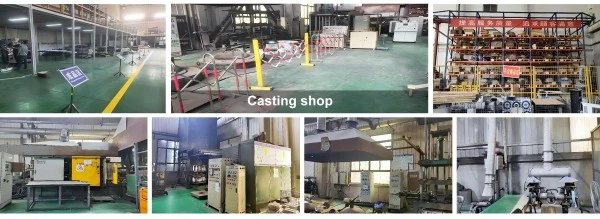
Products Combining High-Quality Materials And Craftsmanship
The best sink filters are those that seamlessly blend superior materials with expert craftsmanship. Cast sink filters, in particular, stand out for their durability and effectiveness.Stainless steel or high-grade aluminum alloys are common materials for these filters, making them strong enough to endure the everyday abuse of a kitchen.
For instance, cast sink filters made from A356 aluminum alloy offer exceptional strength and corrosion resistance. Rather than being a haphazard decision, this material was carefully considered in order to design a product that will stand up to the rigors of contemporary kitchens.Casting, which often makes use of sophisticated methods like gravity casting, adds to the structural strength and durability of the filter.
Superior sink filters are hand-made with meticulous attention to detail.Precision manufacturing techniques, such as CNC machining, ensure that each filter meets exact specifications.There is less chance of leakage or ineffective filtering because of the meticulous attention to detail that goes into making these filters.
Products Complying With Global Compliance Standards
In today's interconnected world, adhering to global compliance standards is non-negotiable for quality sink filters. The best manufacturers ensure their products meet or exceed international quality and safety benchmarks.Not only does this dedication to compliance ensure that products are reliable, but it also gives customers piece of mind.
Key certifications to look for include ISO 9001:2015 for quality management systems, ISO 14001 for environmental management, and ISO 45001 for occupational health and safety.The firm has put strong procedures in place to guarantee consistent quality, reduce environmental impact, and emphasize worker safety, as shown by these criteria.
Compliance with these standards often translates to superior product performance. For instance, in order to reduce water pollution, it is recommended to use sink filters that fulfill strict environmental regulations. The efficiency of these filters in capturing trash will increase. Similarly, filters produced under strict quality control measures tend to have longer lifespans and require less frequent replacements.

Products Balancing Functionality And Environmental Protection
When it comes to sink filters, the finest ones find that sweet spot between practicality and eco-friendliness.While the primary function of a sink filter is to prevent debris from entering the plumbing system, modern designs go a step further by incorporating eco-friendly features.
Cast sink filters, especially those made of recyclable materials like aluminum, support environmental initiatives.At the end of their useful life, these filters are readily recyclable, which helps save resources from going to waste.Cast filters last longer than other types, therefore they reduce waste by reducing the frequency of filter replacements.
Functionality-wise, advanced sink filters offer multi-stage filtration systems.From big food particles to tiny sediments, these designs collect it all. Incorporating antibacterial characteristics into certain filters further aids in keeping a clean kitchen.
Environmental protection extends beyond the product itself to the manufacturing process. Using water-based coatings rather than solvent-based ones and deploying energy-efficient equipment are examples of eco-friendly manufacturing practices used by leading firms. Not only do these methods lessen production's impact on the environment, but they also often provide better final goods.
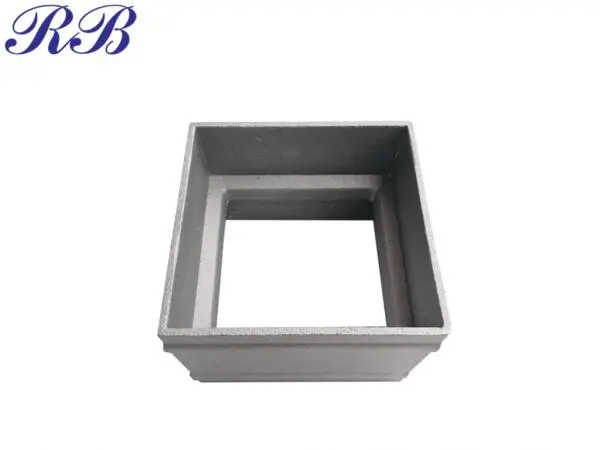
Choosing the Right Cast Sink Filter
When selecting a cast sink filter, consider the following factors:
· Material quality: Opt for filters made from durable, corrosion-resistant materials like A356 aluminum alloy.
· Manufacturing process: Look for filters produced using advanced techniques such as gravity casting and CNC machining.
· Compliance: Ensure the filter meets relevant international standards for quality and safety.
· Environmental impact: Choose filters made from recyclable materials and produced by environmentally conscious manufacturers.
· Filtration efficiency: Consider multi-stage filtration systems for comprehensive debris capture.
· Fit and compatibility: Verify that the filter is compatible with your sink's dimensions and plumbing setup.
Your current demands may be satisfied and your kitchen can become more efficient and environmentally friendly with the help of a cast sink filter that you choose after giving careful consideration to these factors.
Cast Sink Filter Supplier: Rongbao Enterprise
For those seeking top-quality cast sink filters, Rongbao Enterprise stands out as a leading supplier.Rongbao has been a leading maker of precision processed aluminum alloy castings since its founding in 2003. The needs of discerning consumers are well met by their commitment to superiority, originality, and ecological consciousness.
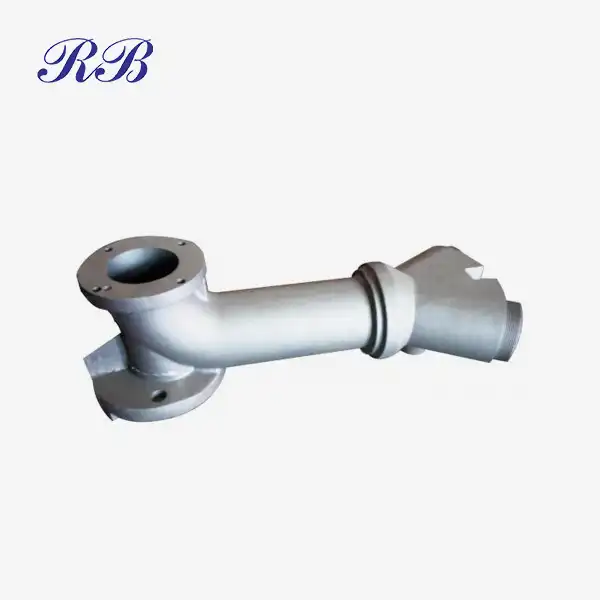
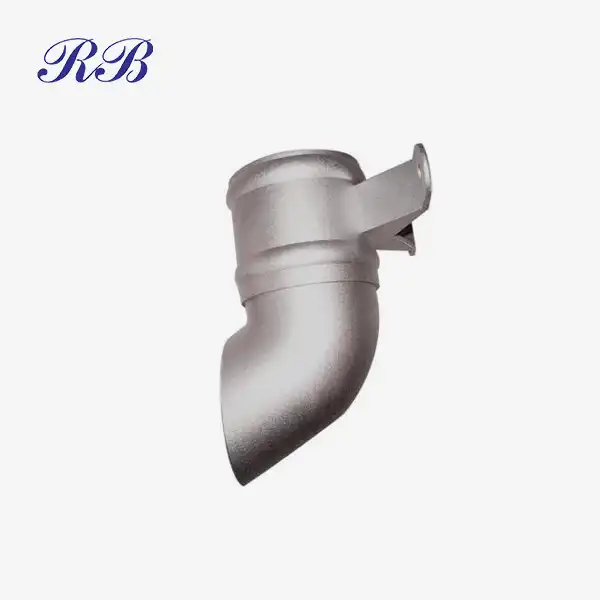
Made from high-quality A356 aluminum alloy, Rongbao's cast sink filter showcases their commitment to providing exceptional products.Weighing a precise 1.2 kg, this filter is manufactured using advanced gravity casting technology, ensuring unparalleled strength and durability.Product dependability and excellence are further emphasized by the fact that it satisfies ISO9001:2015, ISO14001, and ISO45001 standards.
Rongbao stands apart from the competition because of their all-encompassing production strategy. Among their bespoke OEM/ODM offerings are CNC machining and shot blasting, two processes that allow for very accurate mechanical processing and a highly polished final product.With a production capacity of up to 5000 pieces, Rongbao is well-equipped to handle bulk orders while maintaining consistent quality.
If you're looking for a sink filter that combines high-quality materials, expert craftsmanship, and a commitment to environmental sustainability, look no further than Rongbao Enterprise. For more information or to place an order, contact them at steve.zhou@263.net or zhouyi@rongbaocasting.com.
FAQ
1. How often should I replace my cast sink filter?
The lifespan of a cast sink filter can vary depending on usage and water quality. However, high-quality cast filters, like those produced by Rongbao Enterprise, typically last longer than standard filters. On average, you should consider replacing your cast sink filter every 6-12 months. Regular inspection for signs of wear or reduced efficiency can help determine the optimal replacement time.
2. Are cast sink filters more expensive than other types?
While cast sink filters may have a higher initial cost compared to some basic plastic filters, they often prove more cost-effective in the long run. Their durability means less frequent replacements, and their superior filtration capabilities can prevent costly plumbing issues. When considering the total cost of ownership and the benefits provided, cast sink filters offer excellent value for money.
3. Can cast sink filters be recycled?
Yes, most cast sink filters, especially those made from aluminum alloys like A356, are fully recyclable. This aligns with environmental sustainability efforts and reduces waste. When disposing of your old cast sink filter, check with your local recycling center for proper recycling procedures, as they may need to be processed separately from regular household recyclables.
References
1. International Organization for Standardization. (2015). ISO 9001:2015 – Quality management systems – Requirements.
2. International Organization for Standardization. (2015). ISO 14001:2015 – Environmental management systems – Requirements with guidance for use.
3. International Organization for Standardization. (2018). ISO 45001:2018 – Occupational health and safety management systems – Requirements with guidance for use.
4. ASM International. (1990). Properties and Selection: Nonferrous Alloys and Special-Purpose Materials. ASM Handbook, Volume 2. ASM International.
5. Davis, J. R. (1999). Corrosion of Aluminum and Aluminum Alloys. ASM International. ISBN: 9780871706294.