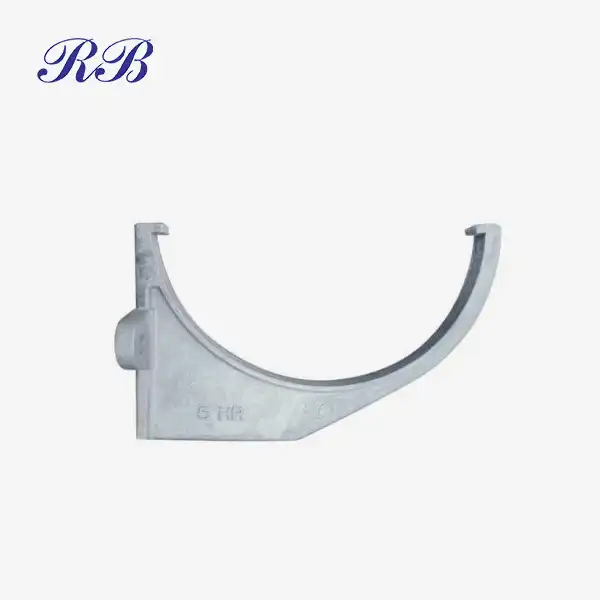
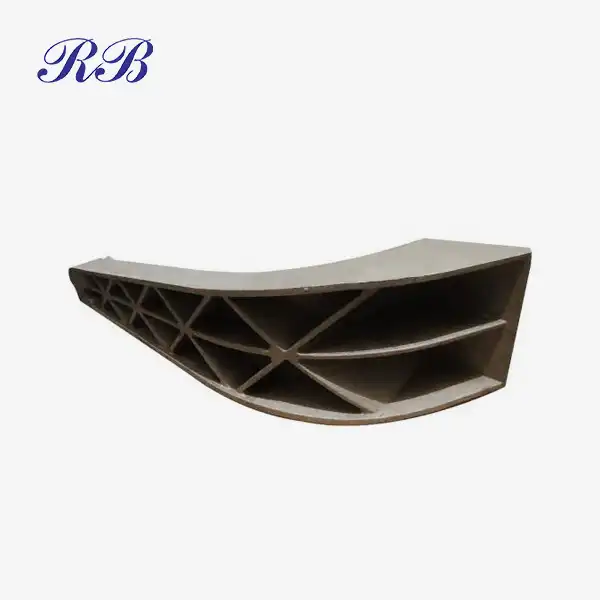
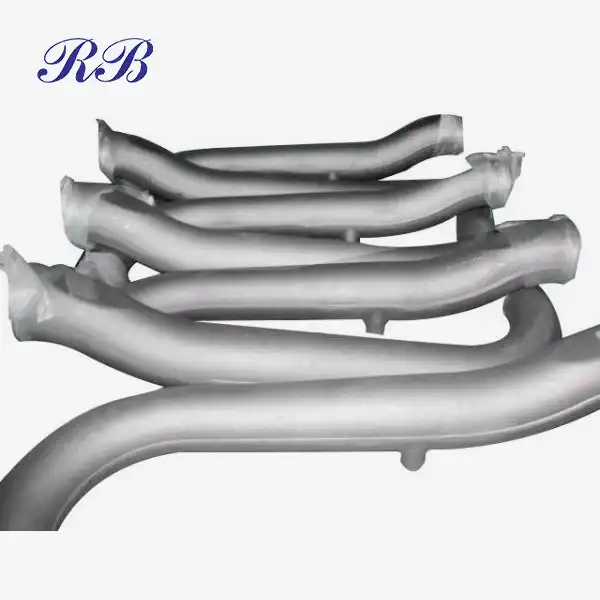
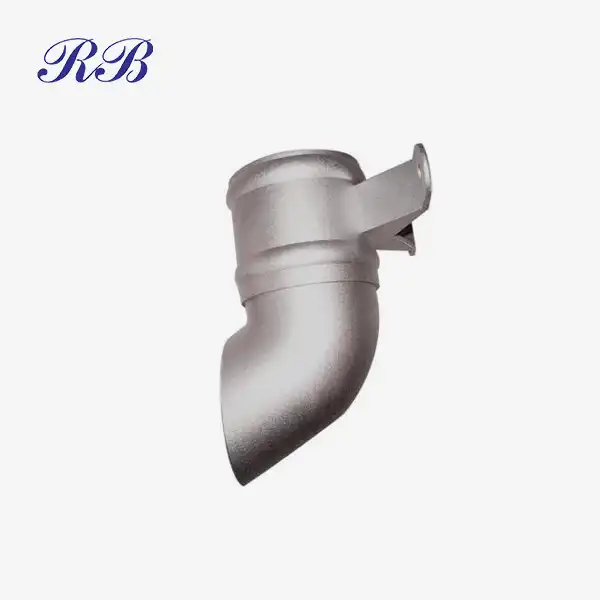
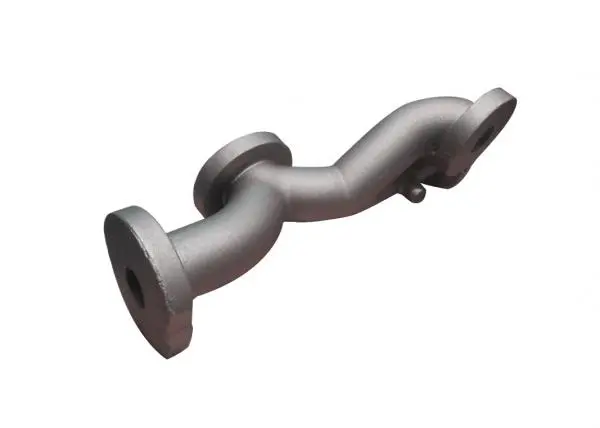
Medium pressure outlet pipes serve as the primary discharge conduit in fire suppression systems, channeling water from pumps to sprinkler networks or hydrant systems. Unlike standard piping, these cast components must withstand pressure fluctuations, thermal stress, and prolonged periods of inactivity followed by immediate full-load operation. The manufacturing process—particularly gravity casting with aluminum alloy ZL101A—creates a microstructure that balances strength with corrosion resistance.
Certification and Compliance Conditions
Regulatory frameworks governing fire safety equipment have evolved considerably over recent decades. Cast medium pressure outlet pipes must demonstrate conformity with multiple standards that address both manufacturing quality and environmental responsibility. The ISO 9001:2015 certification establishes baseline quality management protocols, requiring documented procedures for design validation, material traceability, and process control. Manufacturers implementing this standard maintain records linking each batch of raw material to finished products, enabling rapid identification if field issues emerge.
Quality Management System Requirements
ISO 9001:2015 certification extends beyond paperwork. Foundries must establish calibration schedules for measurement equipment, conduct internal audits at prescribed intervals, and implement corrective action protocols when non-conformities appear. For gravity casting operations, this means monitoring pouring temperatures, mold conditions, and cooling cycles with sufficient precision to ensure repeatability. The standard requires risk-based thinking throughout the production chain—from incoming material inspection through final packaging—recognizing that defects introduced early may not manifest until components reach service environments.
Environmental and Occupational Safety Standards
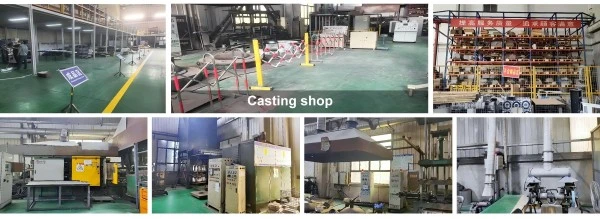
ISO 14001 certification addresses environmental management, though its relevance to outlet pipe performance may seem indirect. Aluminum casting generates emissions, consumes energy, and produces waste materials. Facilities meeting this standard implement controls that minimize environmental impact without compromising product quality, including for components like the cast medium pressure outlet pipe. Shot blasting operations, for example, generate dust that requires filtration; proper containment prevents contamination of work areas where precision machining occurs. Environmental management and product quality reinforce each other when systems are properly integrated.
With its emphasis on occupational health and safety, ISO 45001 certification creates procedures that shield foundry employees from risks associated with metal casting. Molten aluminum reaches temperatures exceeding 700°C, and gravity pouring operations require careful coordination between furnace operators and mold handlers. Systems for safety management recognize risky activities, put preventative measures in place, and keep an eye on incidence rates. While this certification primarily benefits workers, it correlates with production quality: facilities with strong safety cultures typically demonstrate better process control and lower defect rates. Operational excellence results from the discipline needed for safety management.
Material Certification and Traceability
ZL101A aluminum alloy specifications define chemical composition limits for elements including silicon, copper, magnesium, and iron. Certified material suppliers provide mill test reports documenting composition analysis and mechanical properties. Foundries receiving this material conduct verification testing to confirm specifications before introducing alloys into production. This dual-layer verification—supplier certification plus incoming inspection—guards against composition errors that could compromise mechanical properties.
Material certificates are linked by traceability systems to particular casting batches and, eventually, to individual parts. When a cast medium-pressure outlet pipe undergoes final inspection, documentation includes the heat number of the aluminum used, pouring date, mold identification, and machining records. If field failures occur, this traceability enables metallurgical analysis to determine whether composition, casting defects, or service conditions caused the problem. Reliability is gradually increased via a feedback loop that is created by these studies, which also inspire design and process improvements.
Environmental and Usage Conditions
Fire pump systems operate in diverse environments, from climate-controlled mechanical rooms to exposed outdoor installations. Cast medium pressure outlet pipes must function reliably across this range despite thermal cycling, atmospheric exposure, and occasional water chemistry variations. Aluminum alloy ZL101A offers advantages in corrosivity resistance compared to ferrous materials, but service conditions still influence long-term performance.
Pressure and Flow Dynamics
Medium pressure classification typically encompasses systems operating between 175 and 300 psi, though specific definitions vary by jurisdiction and application. Fire pumps develop pressure to overcome elevation changes and friction losses throughout distribution networks. During pump startup, pressure rises rapidly as impellers accelerate to operating speed, creating transient hydraulic forces that stress outlet connections. Cast aluminum components absorb these shock loads through a combination of material ductility and geometric design features.
Flow turbulence at the pump discharge creates erosion potential, particularly where fluid direction changes abruptly. Internal surface finish affects this phenomenon: rougher surfaces promote turbulent boundary layers that accelerate wear, while smoother finishes from shot blasting reduce localized velocity gradients. The outlet pipe geometry—specifically transition angles and cross-sectional changes—influences flow patterns. Well-designed castings minimize recirculation zones where suspended particles could impact surfaces repeatedly, extending component service life.
Temperature Variations and Thermal Stress
Fire suppression systems in many facilities remain idle for extended periods, with cast medium pressure outlet pipes at ambient temperature. When pumps activate during emergencies or testing, water flowing through these components may differ substantially in temperature—either much colder than surroundings in winter or warmer in summer conditions. Aluminum's thermal expansion coefficient exceeds that of steel by approximately 50%, meaning temperature changes produce greater dimensional variations in cast components compared to adjacent piping.
Corrosion Resistance and Water Quality
Municipal water supplies typically maintain pH between 6.5 and 8.5, a range compatible with aluminum alloys. However, fire protection systems may incorporate corrosion inhibitors or antifreeze solutions that alter water chemistry. ZL101A aluminum demonstrates good resistance to corrosion in most treated water systems, though localized attack can occur where water chemistry shifts outside expected parameters or where dissimilar metals create galvanic cells.
Quality Testing and Application Conditions
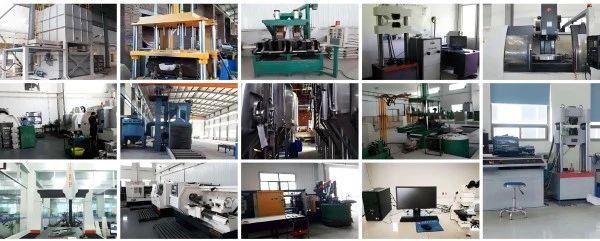
Comprehensive testing validates that cast medium-pressure outlet pipes meet design specifications and will perform reliably in service. Testing procedures include material characteristics, surface quality, pressure capacity, and dimensional verification. Crucial characteristics like flange faces and bolt holes are made more precise by CNC machining, but testing ensures that final parts meet the necessary tolerances.
Dimensional and Geometric Verification
Coordinate measuring machines verify that flange dimensions match standard specifications, ensuring compatibility with pump discharge connections and downstream piping. Bolt hole locations must align within tight tolerances to prevent installation difficulties and ensure uniform gasket compression. The internal bore profile affects flow characteristics and pressure drop, so diameter measurements at multiple points confirm consistency throughout the casting length.
Wall thickness measurements attest to the material's adherence to design specifications, particularly in the most stressed areas. Internal voids or inclusions that might jeopardize structural integrity are found by ultrasonic testing. While gravity casting generally produces sound components, process variations occasionally create porosity that becomes apparent only through nondestructive testing. Before machining procedures add value, components that fail these tests are discarded, cutting waste and upholding quality requirements.
Pressure Testing and Performance Validation
Hydrostatic testing subjects cast medium pressure outlet pipes to pressures exceeding maximum operating conditions, verifying structural integrity and seal capability. Test procedures typically specify holding components at 1.5 times rated pressure for defined durations while monitoring for leakage or deformation. This destructive verification—applied to sample components from each production batch—provides confidence that manufacturing processes consistently achieve required strength levels.
Flow testing evaluates pressure drop characteristics and identifies any internal obstructions that might restrict discharge capacity. While cast medium pressure outlet pipes generally exhibit smooth internal profiles after proper molding, occasionally flash or other defects reduce effective cross-sectional area. Flow bench testing reveals these issues before components reach installation sites, where restricted flow could compromise fire protection capability during emergencies.
Cast Medium Pressure Outlet Pipe Supplier: Rongbao Enterprise
Rongbao Enterprise manufactures cast medium pressure outlet pipes that meet rigorous performance standards across diverse fire protection applications. Our components combine gravity casting precision with ZL101A aluminum alloy properties, delivering reliable service in demanding environments.
Product Specifications:
Each outlet pipe reflects attention to detail throughout manufacturing. Fire pump applications benefit from components weighing approximately 7 kg, optimized for structural requirements without unnecessary mass. Gravity casting processes produce sound components with consistent material properties, while CNC machining ensures dimensional accuracy at critical interfaces. Shot blasting surface treatment creates uniform texture that promotes corrosion resistance and aesthetic consistency.
ISO 9001:2015, ISO 14001, and ISO 45001 certifications demonstrate our commitment to quality management, environmental responsibility, and workplace safety. These certifications represent systematic approaches to manufacturing excellence rather than mere documentation exercises. Components ship in wooden boxes that protect against transit damage, arriving ready for installation without requiring additional processing.
Whether adjusting dimensions to fit non-standard setups or tweaking designs for uncommon service situations, our customisation capacity takes care of project-specific needs. With consideration for installation limitations, climatic conditions, and pressure ratings, engineering assistance assists in specifying the right components, such as the cast medium pressure outlet pipe, for your fire prevention system.
Contact Rongbao Enterprise for technical consultation and quotations:
Email: steve.zhou@263.net
Email: zhouyi@rongbaocasting.com
References
- International Organization for Standardization. (2015). ISO 9001:2015 Quality Management Systems — Requirements. Geneva: ISO.
- National Fire Protection Association. (2022). NFPA 20: Standard for the Installation of Stationary Pumps for Fire Protection. Quincy, MA: NFPA.
- American Society for Testing and Materials. (2021). ASTM B85/B85M-21 Standard Specification for Aluminum-Alloy Die Castings. West Conshohocken, PA: ASTM International.
- International Organization for Standardization. (2018). ISO 45001:2018 Occupational Health and Safety Management Systems — Requirements with Guidance for Use. Geneva: ISO.
- American Water Works Association. (2020). AWWA Manual M11: Steel Pipe—A Guide for Design and Installation (Fifth Edition). Denver, CO: AWWA.