- English
- French
- German
- Portuguese
- Spanish
- Russian
- Japanese
- Korean
- Arabic
- Greek
- German
- Turkish
- Italian
- Danish
- Romanian
- Indonesian
- Czech
- Afrikaans
- Swedish
- Polish
- Basque
- Catalan
- Esperanto
- Hindi
- Lao
- Albanian
- Amharic
- Armenian
- Azerbaijani
- Belarusian
- Bengali
- Bosnian
- Bulgarian
- Cebuano
- Chichewa
- Corsican
- Croatian
- Dutch
- Estonian
- Filipino
- Finnish
- Frisian
- Galician
- Georgian
- Gujarati
- Haitian
- Hausa
- Hawaiian
- Hebrew
- Hmong
- Hungarian
- Icelandic
- Igbo
- Javanese
- Kannada
- Kazakh
- Khmer
- Kurdish
- Kyrgyz
- Latin
- Latvian
- Lithuanian
- Luxembou..
- Macedonian
- Malagasy
- Malay
- Malayalam
- Maltese
- Maori
- Marathi
- Mongolian
- Burmese
- Nepali
- Norwegian
- Pashto
- Persian
- Punjabi
- Serbian
- Sesotho
- Sinhala
- Slovak
- Slovenian
- Somali
- Samoan
- Scots Gaelic
- Shona
- Sindhi
- Sundanese
- Swahili
- Tajik
- Tamil
- Telugu
- Thai
- Ukrainian
- Urdu
- Uzbek
- Vietnamese
- Welsh
- Xhosa
- Yiddish
- Yoruba
- Zulu
Can you use kinetic sand for metal casting?
DIY enthusiasts and hobbyists are curious in kinetic sand, a well-liked children's toy that is distinguished by its distinct texture and moldability. Some have wondered if this fascinating material could be repurposed for metal casting projects. However, despite its intriguing properties, kinetic sand is not suitable for metal casting due to several critical factors. This post will examine the reasons why kinetic sand is inadequate for the metal casting process and go over the significance of choosing the right materials, such those used to make premium cast instrument boxes.
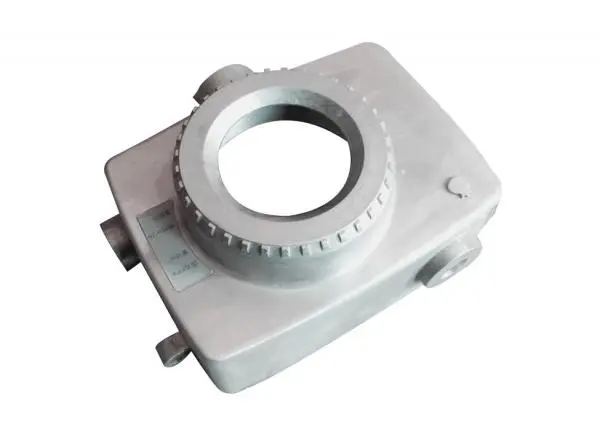
Not suitable for metal casting
While kinetic sand may seem like an appealing option for metal casting due to its moldable nature, it lacks the essential characteristics required for this industrial process. Unlike traditional casting sands, kinetic sand is not designed to withstand the extreme temperatures and pressures involved in metal casting.
The main ingredient that gives kinetic sand its unique flowing and moldable qualities is tiny sand particles covered in silicone oil. This composition, however, makes it unsuitable for metal casting for several reasons:
- Low heat resistance: Kinetic sand's silicone oil coating has a relatively low melting point, which would cause it to break down and release harmful fumes when exposed to molten metal.
- Lack of permeability: Proper casting sand needs to allow gases to escape during the pouring and solidification process. Kinetic sand's dense structure would trap these gases, leading to defects in the final cast product.
- Insufficient strength: Metal casting requires a mold material that can maintain its shape under the weight and pressure of molten metal. Kinetic sand lacks the structural integrity needed for this purpose.
Professional foundries, like those specializing in cast instrument boxes, use specially formulated casting sands or other refractory materials that can withstand high temperatures and provide the necessary properties for successful metal casting.
High-temperature instability
One of the primary reasons kinetic sand is unsuitable for metal casting is its inability to withstand the extreme temperatures involved in the process. Metal casting typically requires temperatures ranging from 1,000°F to 2,500°F (538°C to 1,371°C), depending on the metal being cast.
At these temperatures, kinetic sand would undergo significant changes:
- The silicone oil coating would vaporize, releasing potentially toxic fumes and compromising the safety of the casting environment.
- The sand particles would lose their cohesive properties, causing the mold to collapse or deform during the pouring process.
- Any remaining organic components in the kinetic sand would burn, introducing impurities into the molten metal and affecting the quality of the final cast product.
In contrast, professional casting materials used for products like cast instrument boxes are specifically engineered to maintain their structural integrity and properties at high temperatures. These materials, which can tolerate the extreme heat of molten metal without breaking down or releasing impurities, often consist of silica sand, clay, and other binding agents.
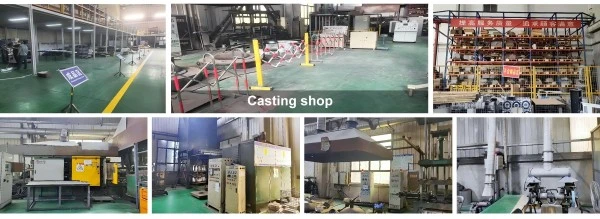
Contamination risk
Using kinetic sand for metal casting poses a significant risk of contamination, which can severely impact the quality and integrity of the final cast product. This contamination can occur in several ways:
- Chemical contamination: The silicone oil and any other additives in kinetic sand can react with the molten metal, altering its composition and potentially weakening the final product.
- Physical impurities: Kinetic sand may contain small particles or debris that could become trapped in the molten metal, creating inclusions or defects in the cast item.
- Gas porosity: As the kinetic sand breaks down under high temperatures, it can release gases that become trapped in the solidifying metal, resulting in a porous and structurally compromised casting.
For precision components like cast instrument boxes, even minor contamination can lead to critical failures or reduced performance.To reduce the chance of contamination and guarantee the creation of high-quality cast goods, professional foundries utilize strict quality control procedures and specifically designed ingredients.
FAQ
1. What are the proper materials used for metal casting?
Professional metal casting typically uses materials such as silica sand, green sand (a mixture of sand, clay, and water), resin-bonded sand, or ceramic shell molds. These materials are chosen for their ability to withstand high temperatures, maintain shape, and produce clean castings.
2. Can any type of sand be used for metal casting?
Not all types of sand are suitable for metal casting. The ideal sand for casting should have specific properties, including high heat resistance, proper grain size and distribution, and good permeability. Specialized foundry sands are engineered to meet these requirements.
3. What are the risks of using improper materials in metal casting?
Using improper materials in metal casting can lead to numerous issues, including mold failure, poor surface finish, casting defects, contamination of the metal, and even safety hazards due to unexpected reactions between the molten metal and mold material.
Cast Instrument Box Supplier: Rongbao Enterprise
When it comes to high-quality cast instrument boxes and other precision aluminum castings, Rongbao Enterprise stands out as a leading manufacturer. With nearly two decades of experience since its founding in 2003, Rongbao has established itself as a specialist in aluminum alloy casting and precision processing.
Rongbao Enterprise delivers top-notch aluminum alloy component solutions through advanced production methods, including high-pressure die casting, low-pressure die casting, gravity casting, and precision machining services. Their ISO 14001 for Environmental Management, ISO 45001 for Occupational Health and Safety Management, and ISO 9001:2016 for Quality Management certifications all demonstrate their dedication to quality.
For those seeking reliable cast instrument boxes or custom aluminum castings, Rongbao Enterprise offers a range of services tailored to meet specific industry needs. Their proficiency in manufacturing fire pump attachments, such as the 1.1 kg A356 aluminum gravity cast components, shows that they can precisely manage challenging projects.
To learn more about Rongbao Enterprise's offerings or to discuss your casting needs, reach out to their expert team at steve.zhou@263.net or zhouyi@rongbaocasting.com. With a production capacity of 5000 pieces and the ability to provide customized solutions, Rongbao Enterprise is well-equipped to meet your casting requirements, ensuring high-quality results that meet international standards.
References
1. Brown, J. R. (2000). Foseco Ferrous Foundryman's Handbook. Butterworth-Heinemann.
2. Campbell, J. (2015). Complete Casting Handbook: Metal Casting Processes, Metallurgy, Techniques and Design. Butterworth-Heinemann.
3. American Foundry Society. (2021). Mold & Core Test Handbook. AFS.
4. Beeley, P. (2001). Foundry Technology. Butterworth-Heinemann.
5. Groover, M. P. (2010). Fundamentals of Modern Manufacturing: Materials, Processes, and Systems. John Wiley & Sons.

Learn about our latest products and discounts through SMS or email