- English
- French
- German
- Portuguese
- Spanish
- Russian
- Japanese
- Korean
- Arabic
- Greek
- German
- Turkish
- Italian
- Danish
- Romanian
- Indonesian
- Czech
- Afrikaans
- Swedish
- Polish
- Basque
- Catalan
- Esperanto
- Hindi
- Lao
- Albanian
- Amharic
- Armenian
- Azerbaijani
- Belarusian
- Bengali
- Bosnian
- Bulgarian
- Cebuano
- Chichewa
- Corsican
- Croatian
- Dutch
- Estonian
- Filipino
- Finnish
- Frisian
- Galician
- Georgian
- Gujarati
- Haitian
- Hausa
- Hawaiian
- Hebrew
- Hmong
- Hungarian
- Icelandic
- Igbo
- Javanese
- Kannada
- Kazakh
- Khmer
- Kurdish
- Kyrgyz
- Latin
- Latvian
- Lithuanian
- Luxembou..
- Macedonian
- Malagasy
- Malay
- Malayalam
- Maltese
- Maori
- Marathi
- Mongolian
- Burmese
- Nepali
- Norwegian
- Pashto
- Persian
- Punjabi
- Serbian
- Sesotho
- Sinhala
- Slovak
- Slovenian
- Somali
- Samoan
- Scots Gaelic
- Shona
- Sindhi
- Sundanese
- Swahili
- Tajik
- Tamil
- Telugu
- Thai
- Ukrainian
- Urdu
- Uzbek
- Vietnamese
- Welsh
- Xhosa
- Yiddish
- Yoruba
- Zulu
Copper Sand Casting Methods
Copper sand casting is an old way of making things that involves pouring liquid copper alloys into sand molds to make strong, precisely made parts. This method is great at making complicated shapes that carry heat and electricity well, which makes it essential for industries like energy, manufacturing, and cars. Over the past 20 years of working with global procurement teams, we've seen how knowing this basic process changes how choices are made about where to buy things, lowers the number of mistakes, and creates long-lasting relationships with suppliers that ensure consistent quality across production runs.
Understanding the Copper Sand Casting Process
The Fundamentals of Sand Mold Casting
Pattern creation is the first step in sand casting copper alloys. Skilled workers make reusable templates that fit the specs of the parts that are being cast. The design is put into specially made sand mixes, which are usually silica sand mixed with clay binders. This makes holes that are the same shape as the finished part. When it comes to batch numbers, this method works well for medium to high accuracy needs while still being cost-effective for prototypes to several thousand units. Gravity-fed sand casting, on the other hand, can handle bigger wall sections and lowers internal stress in final parts, which is helpful for parts that need CNC machining or heat treatment after they are cast.
Step-by-Step Production Flow
To get the mold ready, sand is packed down around the design in flasks, which are metal frames. After the pattern is taken out, any sand cores that are needed to make internal pathways or complicated features are put into the resulting cavity. During the melting process, temperature control is very important. For example, H60 brass, which is 60% copper and 40% zinc, needs to be heated to about 1,900°F for it to flow smoothly. Technicians who do pouring carefully put liquid metal into the mold's gating system. This lets gravity fill every shape without catching air pockets.
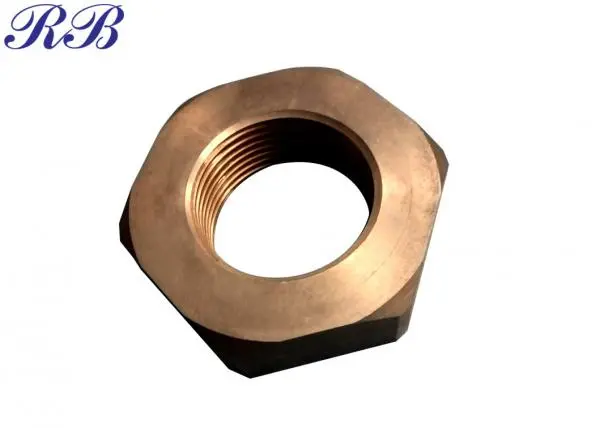
How long something cools depends on its mass and shape. A 0.3 kg hexagon nut made for cooking equipment usually hardens in 15 to 30 minutes, but it may take a few hours to completely cool down to avoid heat shock. Workers remove the sand mold (a process called "shakeout") after the casting has cooled to show the raw casting. The part is then prepared for further CNC machining, which achieves final measurement tolerances within ±0.005 inches by getting rid of any remaining sand particles and creating a smooth surface roughness.
Common Defects and Prevention Strategies
The most common problem in casting copper alloys is still porosity, which can be caused by trapped air or bad feeding during solidification. Teams in charge of buying things should make sure that sellers use degassing agents and stick to strict serving temperature rules. Shrinkage holes happen when there isn't enough molten metal to make up for the loss of volume during cooling. This problem can be avoided by using risers that are properly built. Surface cracks are often caused by molds that are too stiff or that cool too quickly. This shows how important it is to control the cooling rates and make sure the sand can pass through them. Foundries that care about quality use X-ray or acoustic testing to find flaws inside the castings before sending them out for production. This way, they make sure that only sound castings get to the production floor.

Comparative Analysis: Copper Sand Casting vs Other Casting Methods
Material Properties and Performance Characteristics
Copper alloys that are cast in sand are more resistant to corrosion than aluminum alloys. This is especially true in coastal or chemical processing settings with acidic or salty water. H60 brass has a thermal conductivity of more than 120 W/m·K, which makes it perfect for heat exchange parts in HVAC systems or equipment that makes electricity. The surface finish from investment casting is better right out of the mold, but the surface finish from sand casting is good enough for uses where shot blasting and drilling are already part of the manufacturing process. Die casting allows for better standards, but it costs a lot to buy the tools needed, and it only starts to make sense after 10,000 pieces are made.
Cost-Effectiveness and Lead Time Considerations
Permanent die casting tooling costs between $15,000 and $50,000, while sand mold tooling costs between $500 and $5,000, based on how complicated it is, including copper sand casting. Because it saves money, sand casting is the best method for making unique parts in quantities of 500 to 5,000 pieces per year. For sand casting, it usually takes between 6 and 8 weeks from the time the order is placed until the first item is inspected. This time includes making the design and the first samples. Due to the ceramic shell processing, investment casting takes 10 to 14 weeks longer, while known die casting programs can deliver parts in 4 weeks once the molds are made. Total project timelines and minimum order amounts should be weighed by procurement managers. For example, 500-piece minimums are common for sand casting and 2,000-piece minimums are common for die casting.
Selecting the Right Copper Sand Casting Supplier
Essential Certification and Quality Standards
Reliable casting partners keep ISO 9001:2015 certification, which shows structured quality management, as well as ISO 14001 for caring for the environment and ISO 45001 for health and safety at work. These certificates show that suppliers have set up written methods for controlling the process, keeping track of it, and making improvements all the time. Buyers in the automotive industry should look for IATF 16949 certification, but ISO 9001 approval is fine for many industrial equipment uses. In addition to licenses, you should look at the testing that the provider does in-house. Reliable foundries have coordinate measuring machines, spectrometers for checking the material, and non-destructive testing tools.

Production Capacity and Customization Services
Checking a supplier's yearly production potential can help you figure out if they can keep up with your growing needs. Foundries that make between 5,000 and 20,000 castings a month show that they can run smoothly without going too far. We've seen that medium-sized sites are often more receptive than large ones, where each customer only brings in a small amount of money. You can get more customized services than just casting. Look for suppliers that offer complete solutions that include pattern design optimization, different surface treatment choices like shot blasting or powder coating, and CNC machining to make the final parts. This "turnkey" method makes your supply chain simpler and puts all of the responsibility on one partner.
When looking at foreign providers, you should check how well they can handle logistics. Ocean freight from Xi'an, China, to the U.S. usually takes 25 to 35 days if the parts are packed in secure wooden boxes that meet ISPM 15 standards. Air freight cuts arrival time to seven days, but it costs a lot more. Transparent suppliers keep track of production and keep extra stock on hand for regular sales, so that delays in delivery don't cause too many problems.
Technical Insights and Application-Specific Guidance
Industry-Specific Performance Requirements
Automotive suppliers need casts that can resist vibration, changes in temperature, and being exposed to coolants or oils. Copper's natural antimicrobial qualities and ease of machining make H60 metal parts that are used as transmission housings or brake system fittings very useful. In the construction and heavy machinery industries, longevity under high mechanical loads is important. Gravity-cast copper parts are better at resisting fatigue than powder metallurgy options. Copper alloys are being used more and more by energy equipment makers for electrical links in wind turbines and valve parts in nuclear power plants, where rust resistance and conductivity are essential.
For hexagon nuts and other kitchen equipment uses, you need materials that are safe for food and meet FDA or European food contact rules, including copper sand casting. H60 brass naturally stops germs from growing and can handle being cleaned over and over with harsh soaps, which makes it last longer in business food preparation areas. Customized specs let engineers balance the need for strength with the need to keep the weight down. For example, our 0.3 kg hexagon nut design makes the best use of material while still keeping structural integrity over many assembly cycles.
Advanced Finishing and Heat Treatment Options
Stress relief annealing, which lowers leftover stresses from solidification and machining, is a type of post-casting heat treatment that improves mechanical features. Usually, parts are heated to 500°F to 600°F and then slowly cooled down. This makes the dimensions more stable while they are in use. Surface treatments go beyond shot blasting and can include electroplating, passivation, or conversion coats, based on how the surface will be used. CNC cutting can make thread profiles, bearing surfaces, or sealing faces that are very exact, which is something that gravity casting can't do on its own. This turns nearly net-shape castings into parts that are ready to be installed.
Environmental and Sustainability Aspects of Copper Sand Casting
Resource Conservation and Recycling Practices
Modern foundries reuse and recover up to 95% of the sand that is used to make molds. This cuts down on the amount of raw materials used and trash that ends up in landfills by a huge amount. Closed-loop sand recovery devices get rid of contaminants and binders, so the sand can be used over and over again with little quality loss. Copper metals can be recycled over and over again without losing any of their properties. Casting scrap, gates, and risers can all be put back into melting ovens, which creates a circular material economy. Companies that want to be more environmentally friendly should make it a priority for their suppliers to share data on their environmental performance and keep their ISO 14001 certification, which shows that they handle the environment in a systematic way.
Energy Efficiency and Emissions Reduction
More and more, induction melting furnaces are replacing cupolas that use solid fuels. This cuts carbon emissions by 40% to 60% and makes temperature control more accurate. Some forward-thinking foundries buy green energy credits or put up solar panels to reduce their carbon footprint even more. Sand reclamation methods take heat energy from cooling casts and use it to heat mold sand or control the temperature in a building. These new ideas are in line with stricter rules in California and Europe. They also lower providers' running costs, which they can then pass on to customers as lower prices.
Conclusion
Copper sand casting is the best way to get the best mix of design freedom, mechanical performance, and cost-effectiveness for medium-volume production in a wide range of industries. Understanding the basics of the process, from preparing the mold to finishing after casting, helps procurement pros set reasonable quality standards, predict lead times, and define the right tolerances. Long-term relationship security is ensured by supplier selection factors that include certifications, capacity, and practices that are good for the environment. As global supply lines are looked at more closely in terms of how they affect the environment and how ethically they make products, working with approved foundries that are committed to resource conservation can give your business a competitive edge while also meeting the needs of stakeholders.
FAQ
What temperature range ensures optimal copper alloy melting and pouring?
For H60 brass to melt properly without too much rust, the temperature must be between 1,850°F and 1,950°F. Depending on the length of the casting piece and the complexity of the mold, pouring temperatures are usually between 1,800°F and 1,900°F. When temperatures drop below this range, cold shuts and partial mold filling happen. On the other hand, when temperatures rise too high, porosity and surface rust get worse.
How can buyers identify and prevent common casting defects?
Set up a provider review checklist that looks at their process controls, such as the degassing steps they take to get rid of porosity, the riser design that stops shrinkage, and the controlled cooling rates they use to keep cracks from forming. Ask for inspection records of the first item that include measurements and certifications of the materials used. Set clear acceptance criteria, such as standards for eye inspection and needs for mechanical properties. Reliable providers are happy for you to visit their factories and see how quality control is done.
What supplier qualifications matter most for B2B procurement?
Prioritize ISO 9001:2015 certification, which shows organized quality management, along with ISO 14001 and ISO 45001 certifications, which show loyalty to safety and the environment. Look at how well the production capacity meets your number needs, how well the in-house testing equipment meets material standards, and how well the customization services make your supply chain less complicated. Check out references from customers in related sectors and see how responsive the communication is during the quote phase. Quality of early interactions can predict quality of long-term partnerships.
Partner with Rongbao Enterprise for Reliable Copper Sand Casting Solutions
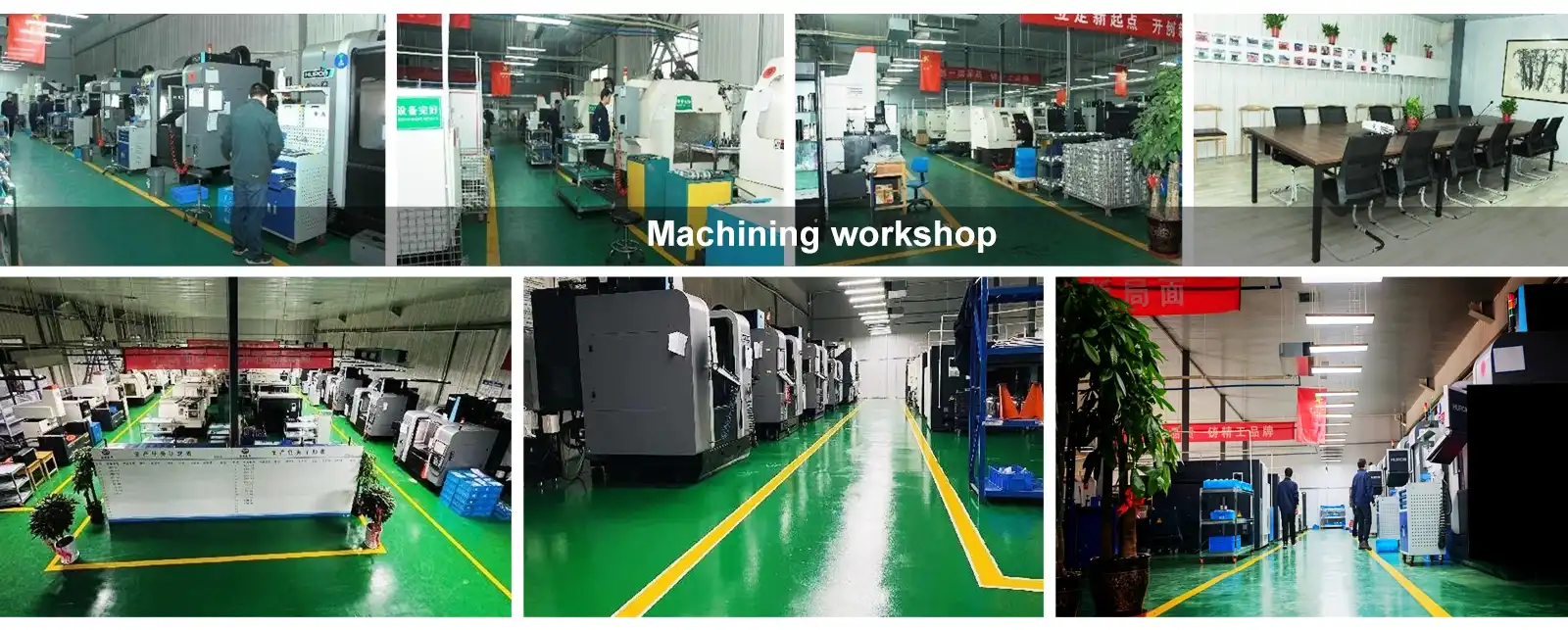
We've spent 20 years improving our copper alloy casting skills at Rongbao Enterprise so that we can meet the needs of difficult procurement teams in the energy, industrial equipment, and automobile sectors. Our factory in Xi'an combines skill in gravity casting with CNC machining and shot blasting, making final parts that are ready to be put together. We follow strict quality control measures from checking the H60 brass material to the final inspection, and we are certified to ISO 9001:2015, ISO 14001, and ISO 45001 standards.
Our production capacity and variable MOQs allow us to meet the needs of a wide range of projects, from 500 custom hexagon nuts for kitchen equipment to 50,000 precision valve bodies for hydraulic systems. 70% of what we make is sent to markets in Europe and North America. This has made us a reliable copper sand casting provider for buyers who care about quality. Before making a design, our expert team gives advice on Design for Manufacturing, which helps make molds more cost- and performance-effective.
Get in touch with our buyers right away at steve.zhou@263.net or zhouyi@rongbaocasting.com to talk about your copper casting needs. We'll give you thorough quotes, certifications for the materials, and production schedules that are made just for you. Visit rongbaocasting.com to see all of our services and to ask for samples that show how committed we are to making perfect products that are the best.
References
1. Campbell, John. "Complete Casting Handbook: Metal Casting Processes, Metallurgy, Techniques and Design." Butterworth-Heinemann, 2015.
2. American Foundry Society. "Copper and Copper Alloy Casting Design Manual." AFS Technical Publication, 2018.
3. Beeley, Peter R. "Foundry Technology." Butterworth-Heinemann, 2001.
4. Davis, Joseph R. "ASM Specialty Handbook: Copper and Copper Alloys." ASM International, 2001.
5. Brown, John R. "Foseco Ferrous Foundryman's Handbook." Butterworth-Heinemann, 2000.
6. Callister, William D. "Materials Science and Engineering: An Introduction." John Wiley & Sons, 2018.
Learn about our latest products and discounts through SMS or email