- English
- French
- German
- Portuguese
- Spanish
- Russian
- Japanese
- Korean
- Arabic
- Greek
- German
- Turkish
- Italian
- Danish
- Romanian
- Indonesian
- Czech
- Afrikaans
- Swedish
- Polish
- Basque
- Catalan
- Esperanto
- Hindi
- Lao
- Albanian
- Amharic
- Armenian
- Azerbaijani
- Belarusian
- Bengali
- Bosnian
- Bulgarian
- Cebuano
- Chichewa
- Corsican
- Croatian
- Dutch
- Estonian
- Filipino
- Finnish
- Frisian
- Galician
- Georgian
- Gujarati
- Haitian
- Hausa
- Hawaiian
- Hebrew
- Hmong
- Hungarian
- Icelandic
- Igbo
- Javanese
- Kannada
- Kazakh
- Khmer
- Kurdish
- Kyrgyz
- Latin
- Latvian
- Lithuanian
- Luxembou..
- Macedonian
- Malagasy
- Malay
- Malayalam
- Maltese
- Maori
- Marathi
- Mongolian
- Burmese
- Nepali
- Norwegian
- Pashto
- Persian
- Punjabi
- Serbian
- Sesotho
- Sinhala
- Slovak
- Slovenian
- Somali
- Samoan
- Scots Gaelic
- Shona
- Sindhi
- Sundanese
- Swahili
- Tajik
- Tamil
- Telugu
- Thai
- Ukrainian
- Urdu
- Uzbek
- Vietnamese
- Welsh
- Xhosa
- Yiddish
- Yoruba
- Zulu
What is motor housing made of?
Motor housing, a critical component in electric motors, serves as the protective enclosure that houses internal parts such as windings, rotors, and bearings. Its role extends beyond protection: it must dissipate heat, withstand mechanical stress, resist environmental factors, and sometimes reduce noise. The choice of material directly impacts the motor's performance, durability, and cost.
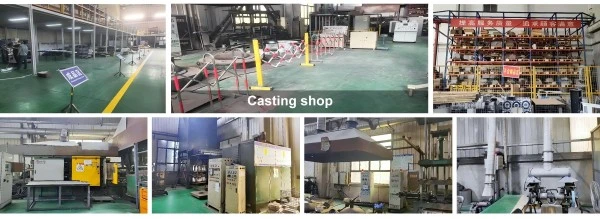
Primary Materials Used in Motor Housing
The materials chosen for motor housing are selected based on a combination of mechanical, thermal, and chemical properties, as well as manufacturing feasibility. Below are the most common materials, each with distinct characteristics that make them suitable for specific scenarios.
Metals remain the dominant choice for motor housing due to their strength and heat dissipation capabilities. Steel, particularly carbon steel and alloy steel, is widely used for its high tensile strength and affordability. Carbon steel is very strong and stiff, which makes it great for heavy-duty motors in factories where the housing needs to be able to handle a lot of mechanical stress, like in manufacturing machines or big pumps. Adding chromium or nickel to alloy steel makes it tougher and more resistant to corrosion, which makes the housing last longer under difficult conditions.
Aluminum and its alloys have gained popularity in recent decades, especially in applications prioritizing weight reduction. Aluminum’s thermal conductivity (approximately 205 W/m·K) is significantly higher than that of steel (around 50 W/m·K), making it superior at dissipating heat generated by the motor, critical for preventing overheating in compact or high-performance motors. Its low density (2.7 g/cm³ vs. steel’s 7.8 g/cm³) also reduces overall motor weight, a key advantage in automotive and aerospace applications. Aluminum alloys, such as 6061 and 3105, are often used to balance strength, formability, and cost.
Cast iron, though heavier than aluminum, remains a staple in certain industrial motors. Its high damping capacity helps reduce vibration and noise, making it suitable for motors in machinery where quiet operation is valued. Cast iron’s excellent wear resistance and ability to withstand high temperatures (up to 600°C in some grades) also make it a reliable choice for motors in foundries or mining equipment, where exposure to abrasive particles and extreme heat is common.
Stainless steel is reserved for motors operating in corrosive environments, such as marine applications, chemical processing plants, or food and beverage production facilities. Grades like 304 and 316 stainless steel contain chromium (18-20%) and nickel (8-10%), forming a passive oxide layer that resists rust and chemical attack. While more expensive than carbon steel or aluminum, stainless steel ensures longevity in wet, salty, or chemically exposed settings.
Each material has a different mix of strength, thermal management, corrosion resistance, and cost that makes it a good choice for some motor designs. However, when choosing a material, you have to think about how the motor will be used.
While the primary materials for motor housing vary widely in their properties, the decision to use one over another depends on a nuanced evaluation of the motor’s operational demands. The next section explores the key criteria that guide this selection process.
Key Factors Influencing Material Selection for Motor Housing
Choosing the right material for motor housing requires aligning the material's properties with the motor's operational requirements, environmental conditions, and economic constraints. Below are the critical factors that engineers and manufacturers consider during this process.
Thermal management is paramount, as electric motors convert only a portion of electrical energy into mechanical work; the rest is lost as heat. If heat accumulates, it can degrade insulation, reduce efficiency, and shorten the motor's lifespan. Materials with high thermal conductivity, such as aluminum and copper alloys, are preferred for motors with high power densities (e.g., electric vehicle traction motors), where heat generation is intense. In contrast, low-power motors (e.g., small fans) may use plastics, as their lower heat output does not require advanced heat dissipation capabilities. For motors in enclosed spaces, additional features like cooling fins, often integrated into aluminum or cast iron housings, enhance heat dissipation by increasing surface area.
Mechanical stress and load-bearing capacity determine the material's ability to withstand internal and external forces. Motors in industrial machinery, for instance, experience constant vibration and torque, requiring housings with high tensile strength and fatigue resistance properties offered by steel and cast iron. In contrast, motors in household appliances face minimal mechanical stress, making plastics or lightweight aluminum alloys sufficient. The housing must also protect internal components from external impacts; thus, in applications like portable power tools, reinforced plastics or aluminum alloys strike a balance between durability and weight.
Environmental exposure dictates the need for corrosion, chemical, or temperature resistance. Motors in marine environments, exposed to saltwater, rely on stainless steel or corrosion-resistant aluminum alloys to prevent rust. In chemical plants, where exposure to acids or solvents is common, housings may be made from specialized plastics (e.g., polyvinylidene fluoride, PVDF) or stainless steel grades with high chromium content. High-temperature environments, such as foundries, demand materials like cast iron or ceramic composites that retain strength at elevated temperatures, unlike plastics, which soften or melt under heat.
These factors are rarely considered in isolation; instead, engineers must prioritize based on the motor’s intended use. For example, a motor in a medical device may prioritize corrosion resistance and lightweight design over cost, while a mass-produced household motor may prioritize affordability and ease of manufacturing.
By understanding how these factors interact, manufacturers can select materials that optimize performance and cost. The following section examines real-world applications, demonstrating how these criteria guide material choice in practice.

Real-World Applications: Material Choices in Action
The selection of motor housing materials is not theoretical but is shaped by the specific demands of each application. Examining diverse use cases illustrates how the factors discussed, thermal management, mechanical stress, environment, weight, and cost, translate into practical material choices.
Automotive electric motors, particularly those used in electric vehicles (EVs), highlight the priority of lightweight design and thermal efficiency. EV traction motors generate significant heat during operation and contribute to the vehicle's overall weight, directly impacting battery range. Aluminum alloys (e.g., 6061) are the material of choice here: their high thermal conductivity dissipates heat effectively, while their low density reduces vehicle weight. Additionally, aluminum's recyclability aligns with automotive industry sustainability goals. Some high-performance EVs, such as racing models, use carbon fiber composites for housings to further reduce weight, though this increases cost— a trade-off justified by the need for speed and efficiency.
Industrial pump motors, used in water treatment plants or mining, operate in harsh conditions with constant vibration, high pressure, and exposure to water or abrasive particles. These motors require housings that combine strength, corrosion resistance, and durability. Cast iron is often selected for its ability to dampen vibration, resist wear, and withstand high pressure. In water treatment facilities, where corrosion from chemicals is a risk, cast iron housings may be coated with epoxy or replaced with stainless steel to prevent degradation. The heavy weight of cast iron is acceptable here, as the motors are stationary, and durability is paramount.
Household appliance motors, such as those in washing machines, blenders, or vacuum cleaners, prioritize cost, noise reduction, and ease of manufacturing. Washing machine motors, exposed to water and detergent, use corrosion-resistant plastics (e.g., PP) or aluminum alloys to prevent rust. Blender motors, which generate moderate heat and face minimal mechanical stress, often feature plastic housings that are lightweight, inexpensive, and easy to mold into sleek designs. Vacuum cleaner motors, requiring low noise levels, may use plastic housings with built-in sound-dampening features, as plastics naturally absorb more vibration than metals.
Aerospace and aviation motors, such as those in drones or aircraft actuators, demand materials that excel in strength-to-weight ratio and temperature resistance. Drones, which rely on long battery life, use motors with housings made from carbon fiber composites or aluminum alloys to minimize weight while maintaining structural integrity. Aircraft actuators, operating in extreme temperature fluctuations (from -50°C to 150°C at high altitudes), use titanium alloys or nickel-based superalloys for housings, as these materials retain strength across a wide temperature range and resist corrosion from atmospheric moisture.
These applications demonstrate that motor housing materials are not chosen arbitrarily but are tailored to the unique demands of each use case. Whether prioritizing heat dissipation in EVs, corrosion resistance in marine settings, or cost in household appliances, the material selection process ensures the motor performs reliably while meeting economic and operational goals.
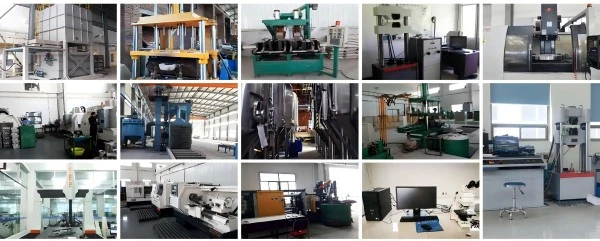
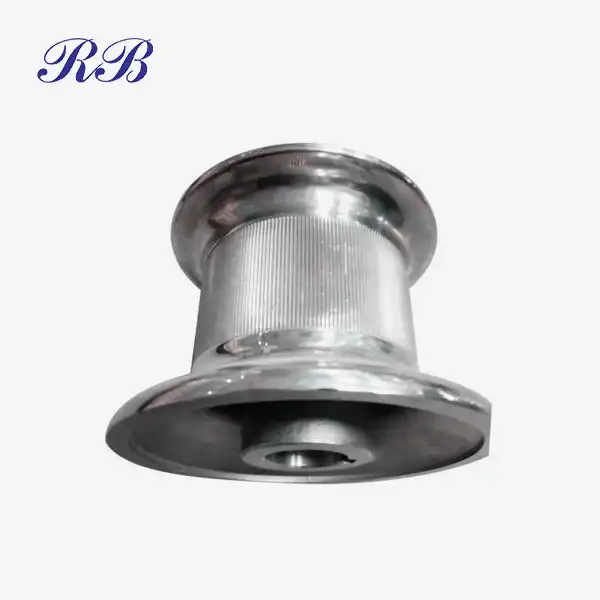
For those seeking high-quality motor end covers, Rongbao Enterprise offers customized solutions using ADC12 aluminum alloy, manufactured through high-pressure die casting and precision CNC machining. With certifications including ISO9001:2015, ISO14001, and ISO45001, Rongbao ensures top-notch quality and reliability in its products. For more information or to discuss your specific motor housing needs, please contact Rongbao Enterprise at zhouyi@rongbaocasting.com or steve.zhou@263.net.
References
- Callister, W. D., & Rethwisch, D. G. (2019). Materials Science and Engineering: An Introduction (10th ed.). John Wiley & Sons.
- ASM International. (2016). ASM Handbook: Properties and Selection of Engineering Materials (11th ed.). ASM International.
- IEEE Standards Association. (2020). IEEE Guide for the Design of Rotating Electrical Machines (IEEE Std 112-2019). IEEE.
- U.S. Department of Energy. (2018). Motor Systems Technology Roadmap: Opportunities for Energy Savings. Office of Energy Efficiency and Renewable Energy.
- Kalpakjian, S., & Schmid, S. R. (2014). Manufacturing Engineering and Technology (7th ed.). Pearson.
- European Composites Industry Association. (2021). Composites in Electric Motors: Lightweighting and Performance Benefits. ECIA Technical Report.
Learn about our latest products and discounts through SMS or email