Process Selection: Aluminum Alloy Die Casting for Superior Results
When it comes to producing the mixer base, manufacturers must carefully consider the most appropriate manufacturing process. Among the various options available, aluminum alloy die casting has emerged as the preferred method for several compelling reasons.
Aluminum alloy die casting is a highly efficient process that involves injecting molten aluminum into a steel mold under high pressure. This technique offers numerous advantages for producing complex components like the mixer base:
- Excellent dimensional accuracy and surface finish
- High production rates, making it ideal for large-scale manufacturing
- Ability to create intricate designs with thin walls and complex geometries
- Improved strength-to-weight ratio compared to other casting methods
- Cost-effective for medium to high-volume production runs
The selection of ADC12 aluminum alloy for the mixer base is particularly noteworthy. Appliances in the kitchen, which are subject to both high and low temperatures and moisture, are ideal candidates for this alloy because of its high strength-to-weight ratio and its resistance to corrosion.
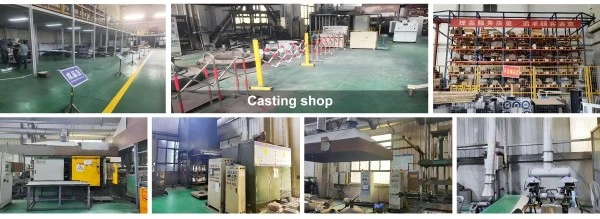
Rongbao Endeavor, a driving producer in this field, has idealized the aluminum combination kick the bucket casting handle for creating blender bases. Their state-of-the-art offices and skill in high-pressure pass on casting guarantee that each base meets the exacting quality guidelines required for this vital component.
Mold Precision: The Key to Consistency and Quality
The precision of the mold used in the die casting process is paramount to the quality of the final casting mixer base. A high-quality mold not only ensures dimensional accuracy but also contributes to the overall performance and longevity of the mixer.
Several factors contribute to achieving and maintaining mold precision:
- Mold Design: Advanced CAD/CAM software is utilized to create intricate 3D models of the mixer base. These models are then used to design the mold, taking into account factors such as material flow, cooling channels, and ejection mechanisms.
- Material Selection: The mold is typically constructed from high-grade tool steel, chosen for its ability to withstand the high temperatures and pressures involved in the die casting process. The specific grade of steel is selected based on factors such as the expected production volume and the characteristics of the aluminum alloy being used.
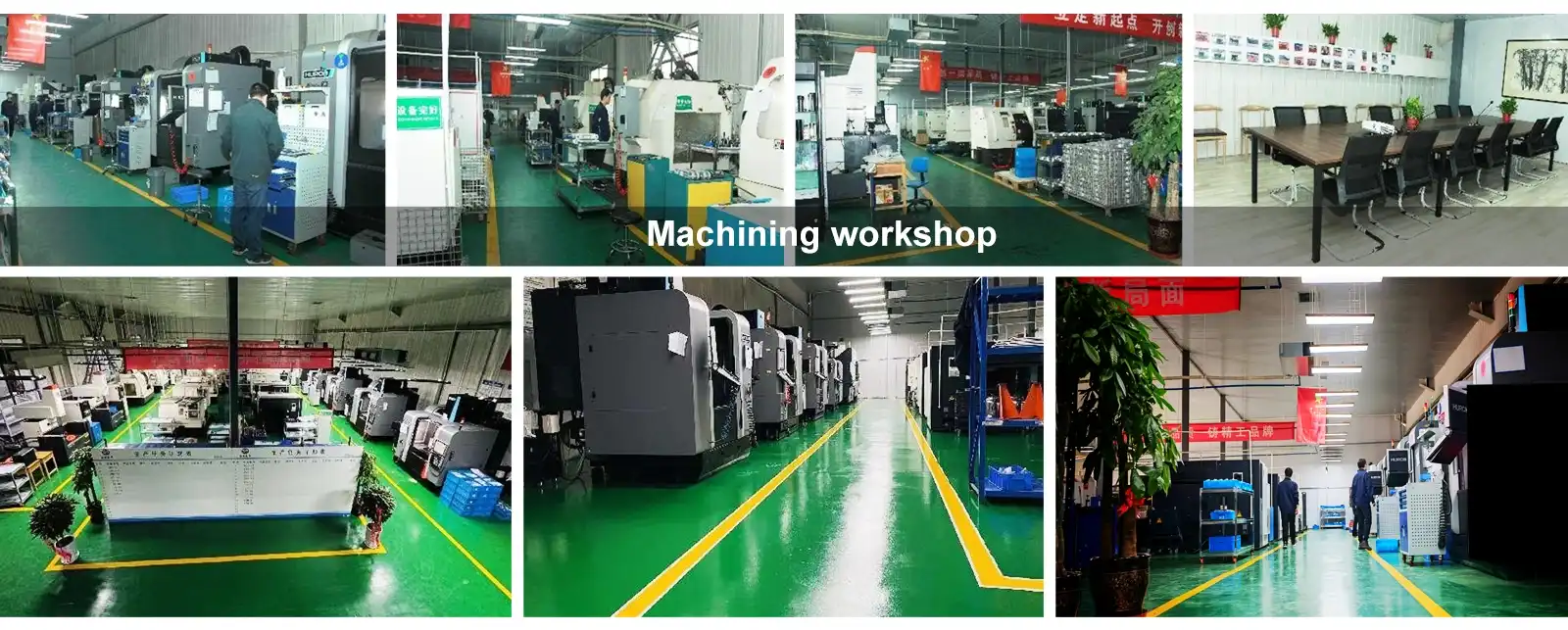
- Precision Machining: State-of-the-art CNC machines are employed to fabricate the mold components with extreme accuracy. Tolerances as tight as ±0.02mm can be achieved, ensuring that each mixer base produced is virtually identical to the next.
- Surface Treatment: The mold surfaces are treated to enhance their durability and release properties. Techniques such as nitriding or applying specialized coatings can significantly extend the life of the mold and improve the surface finish of the cast parts.
- Quality Control: Rigorous inspection processes are implemented throughout the mold manufacturing process. Coordinate measuring machines (CMMs) and optical scanning technologies are used to verify the mold's dimensions and surface quality before it is put into production.
Rongbao Enterprise's commitment to mold precision is evident in their ISO9001:2015 certification, which ensures that their quality management systems meet international standards. This dedication to precision translates directly into the consistent quality of their mixer bases.

Heat Treatment: Enhancing Performance and Longevity
After the casting mixer base is cast, it undergoes a crucial heat treatment process to enhance its mechanical properties and ensure long-term performance. Heat treatment is a complex metallurgical process that involves carefully controlled heating and cooling cycles to alter the microstructure of the aluminum alloy.
The heat treatment process for the mixer base typically involves the following steps:
- Solution Heat Treatment: The cast base is heated to a temperature close to the melting point of the alloy (typically around 500-540°C for ADC12) and held at this temperature for a specified time. This allows the alloying elements to dissolve into the aluminum matrix, creating a homogeneous solid solution.
- Quenching: The heated part is rapidly cooled, usually by immersion in water or oil. This rapid cooling "freezes" the solid solution, preventing the alloying elements from separating out.
- Aging: The quenched part is then either allowed to age naturally at room temperature (natural aging) or is heated to an intermediate temperature (usually between 150-200°C) for a specified time (artificial aging). During this process, fine precipitates form within the aluminum matrix, significantly increasing the strength and hardness of the alloy.
The heat treatment process for the mixer base is carefully optimized to achieve the desired balance of properties, including:
- Increased strength and hardness
- Improved wear resistance
- Enhanced dimensional stability
- Reduced internal stresses
Rongbao Enterprise's heat treatment facilities are equipped with advanced, computer-controlled furnaces that ensure precise temperature control and consistent results. Their expertise in heat treatment processes, combined with their ISO14001 and ISO45001 certifications, demonstrates their commitment to both product quality and environmental responsibility.
The generation of a high-quality casting mixer base includes a complex transaction of handle choice, shape exactness, and warm treatment. By leveraging progressed aluminum combination pass on casting strategies, keeping up uncommon form accuracy, and utilizing optimized warm treatment forms, producers like Rongbao Undertaking can create casting mixer bases that meet the demanding guidelines required for this basic kitchen machine.
The end product is a mixer base that does double duty as a sturdy basis and an improvement to the appliance's overall performance, longevity, and durability. To guarantee that home cooks of the future can rely on their reliable mixers, precision manufacture of components like the mixer base will become more important as technology for kitchen appliances continues to advance.
High Pressure Die Casting Suppliers: Your Partner in Precision Manufacturing
For those in the market for high-quality die cast components, including casting mixer bases, Rongbao Enterprise stands out as a leading high pressure die casting supplier. With their state-of-the-art facilities, commitment to precision, and comprehensive quality management systems, Rongbao offers unparalleled expertise in aluminum alloy die casting.
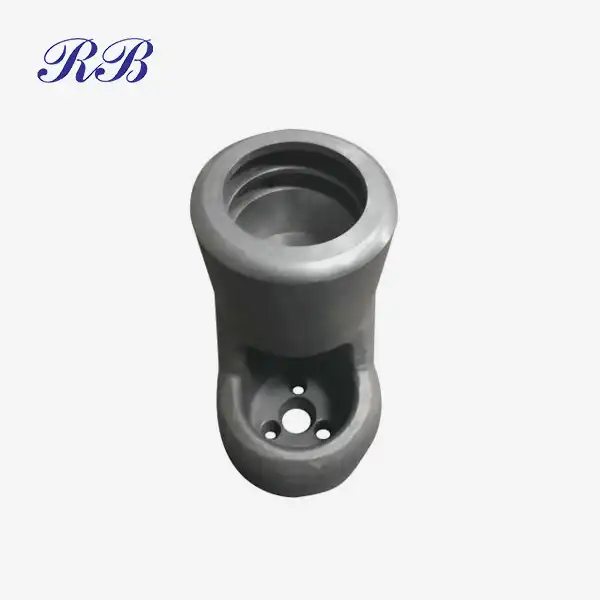
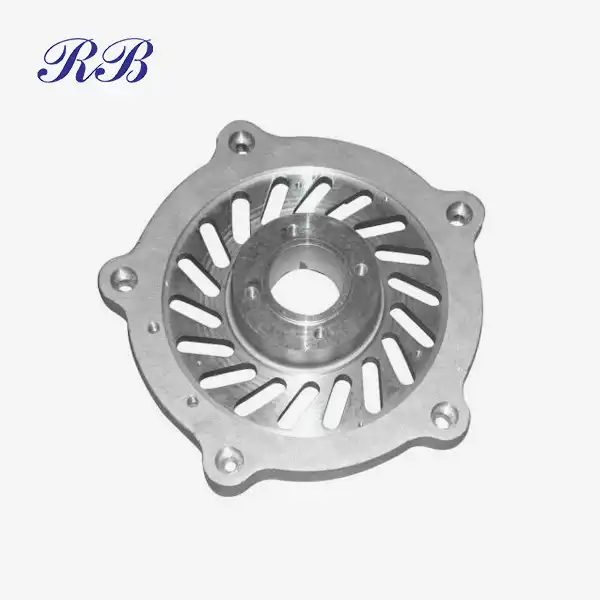
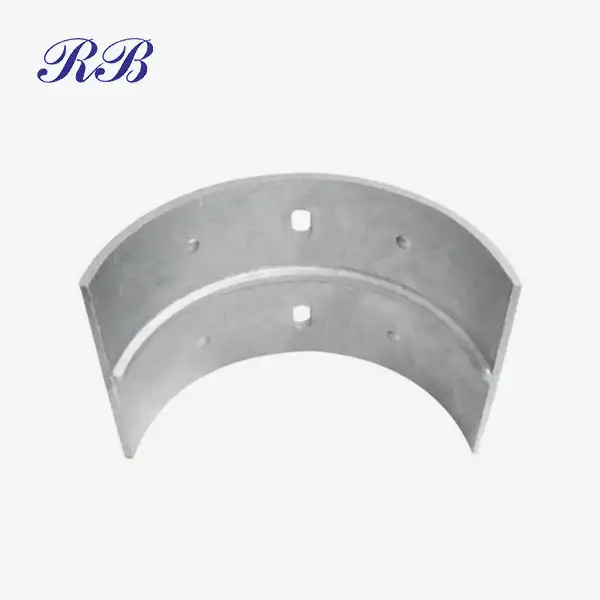
Their Casting Agitator Base Parts, specifically designed for mixer bases, showcase the company's capabilities:
- Material: ADC12 aluminum alloy
- Weight: 2kg
- Process: Aluminum alloy die casting
- Certifications: ISO9001:2015, ISO14001, ISO45001
- Additional Processing: CNC machining and spray surface treatment
- Customization: OEM/ODM services available
- Production Capacity: 5000 pieces
Whether you require a single component or a large production run, Rongbao Enterprise has the expertise and capacity to meet your needs. The car, aviation, restorative, and electrical businesses discover them to be an perfect accomplice due to their commitment to quality and capacity to give customized arrangements.
To learn more about how Rongbao Enterprise can support your high pressure die casting needs, or to inquire about their mixer base and other precision components, don't hesitate to reach out. Contact them at steve.zhou@263.net or zhouyi@rongbaocasting.com to discuss your project requirements and experience the Rongbao difference in precision manufacturing.