- English
- French
- German
- Portuguese
- Spanish
- Russian
- Japanese
- Korean
- Arabic
- Greek
- German
- Turkish
- Italian
- Danish
- Romanian
- Indonesian
- Czech
- Afrikaans
- Swedish
- Polish
- Basque
- Catalan
- Esperanto
- Hindi
- Lao
- Albanian
- Amharic
- Armenian
- Azerbaijani
- Belarusian
- Bengali
- Bosnian
- Bulgarian
- Cebuano
- Chichewa
- Corsican
- Croatian
- Dutch
- Estonian
- Filipino
- Finnish
- Frisian
- Galician
- Georgian
- Gujarati
- Haitian
- Hausa
- Hawaiian
- Hebrew
- Hmong
- Hungarian
- Icelandic
- Igbo
- Javanese
- Kannada
- Kazakh
- Khmer
- Kurdish
- Kyrgyz
- Latin
- Latvian
- Lithuanian
- Luxembou..
- Macedonian
- Malagasy
- Malay
- Malayalam
- Maltese
- Maori
- Marathi
- Mongolian
- Burmese
- Nepali
- Norwegian
- Pashto
- Persian
- Punjabi
- Serbian
- Sesotho
- Sinhala
- Slovak
- Slovenian
- Somali
- Samoan
- Scots Gaelic
- Shona
- Sindhi
- Sundanese
- Swahili
- Tajik
- Tamil
- Telugu
- Thai
- Ukrainian
- Urdu
- Uzbek
- Vietnamese
- Welsh
- Xhosa
- Yiddish
- Yoruba
- Zulu
How to choose a precision cast iron foundry?
To choose a precision cast iron foundry, I start with the part, not the supplier. Define the material grade, tolerances, and yearly volume first. Then check that the foundry runs the right precision casting process for your geometry, holds recognized quality certificates, and can show samples that match your part. Compare full landed cost instead of unit price alone, and confirm tooling ownership and drawing confidentiality in writing. Finally, run a small pilot order before you commit to volume. This guide walks through each step in plain language, so you can compare three to five suppliers and avoid costly process mistakes.
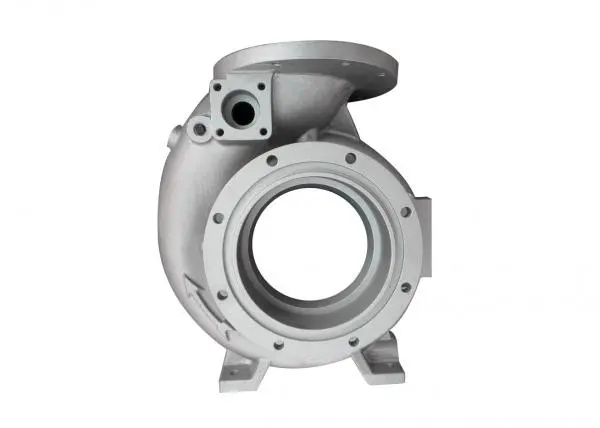
Start by Defining Your Precision Casting Requirements
Describe the Part's Job and Operating Conditions
A company can only offer a good price if they know what the part does. I make a note of the casting's weight, temperature, pressure, shaking, and the length of time it will be broken down by rust. I also write down any rules that apply to the case and how long the service should last.
These facts help us figure out what kind of metal it is. Iron that is gray doesn't shake, and it works well with many dwellings and machine bases. This type of iron is stronger and tougher because its graphite forms small spheres. Other things are done with compressed graphite and alloyed irons, like making things less likely to break. You can use the batch papers that each factory gives you to connect each lot to its chemistry and test results.
Set Tolerances, Surface Finish, and Standards
When you have clear goals, you don't have to argue later. As-cast tolerances and machined tolerances are kept separate because they cost different amounts. You can find gray iron and ductile iron in ASTM A48 and A536. For general tolerance grades for casts, see ISO 8062-3. Mark the picture with the measure that is being used.
You should mark the surfaces that seal, carry, and slide because they need more precise control than the ones that look nice. Tougher rules usually cost more in tools, work, and inspections, so I only use them when the job needs them. Some types of precision casting, like lost-wax casting, can make shapes and features that are very close to the net. However, the price will still depend on how accurate you want the casting to be.
Build a Complete RFQ
For a full request for quote, it's better to send one or two emails instead of many. I send both 2D and 3D CAD files and then write down the material grade, any tolerances, standards, and inspection needs. I write down how to pack it, how much I expect to get, and the address where it should be sent.
Another thing that was split into three parts was the volume: prototype, low-volume test, and annual demand. This is because price changes based on how much you buy. Let them know if you want to buy more and who will get the tools. When this package gets to a foundry, it can give a firm price and say whether the idea will work, not just a guess that changes after the first sample.
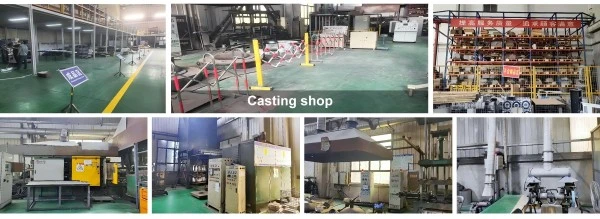
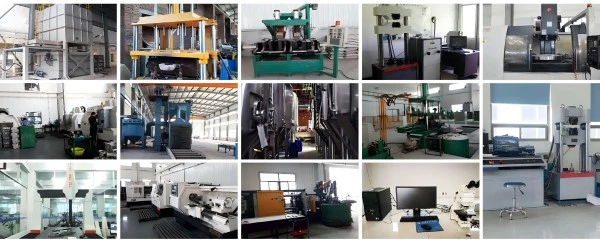
Evaluate Foundry Capabilities and Quality Systems
Check the Real Process Behind the Label
Lots of suppliers use the phrase "precision casting" in the wrong way. They say investment casting, shell molding, sand casting, lost foam, or something else when I ask them what process they use.
Investment casting, which is also called lost-wax casting, is a way to make things. It all starts with a wax pattern. Then they cover it in ceramic, melt the wax, and pour metal into the shell. It doesn't need to cut through thick walls or tough shapes. Most cast iron parts are made from sand or shell molds. Pick the right method for your grade and shape. Find out how thick the walls are, how many cores there are, and how many joints there are. Also, find out if the engineers use models of solidification and give feedback on the plan for the production process.
Verify Certificates and Test Equipment
Any way to handle quality should begin with ISO 9001. Projects in space or medicine may need AS9100 or ISO 13485, while projects for cars may need IATF 16949. A logo's coverage and expiration date are always the first things I look at before I believe it.
After that, I go to the lab. In a good forge, there is an analyzer for science, a hardness tester, and tools for sizes. On some parts, you can also use magnetic particles, sound waves, X-rays, and pressure or leak tests. There is a quality system that works every day, not just on audit day. This is shown by control plans, records that can be watched, and early approval of articles.
See How Rongbao Enterprise Approaches Quality
I'd be glad to talk about how Rongbao Enterprise works. The ISO 9001, ISO 14001, and ISO 45001 marks have been on our records for 20 years. Our quality control checks the whole process, from getting the raw materials to giving you the finished product.
Some of the methods we use are gravity casting, high-pressure die casting, low-pressure die casting, and precision machining. We also clean up surfaces and stop mold from growing. Because we ship about 70% of our goods to places like the US, Europe, and Japan, we know what kind of paperwork and packaging people there expect. Please send us your drawing if it needs a certain metal. We will let you know right away if our methods work.
Verify the Foundry With Samples, Audits, and Trial Orders
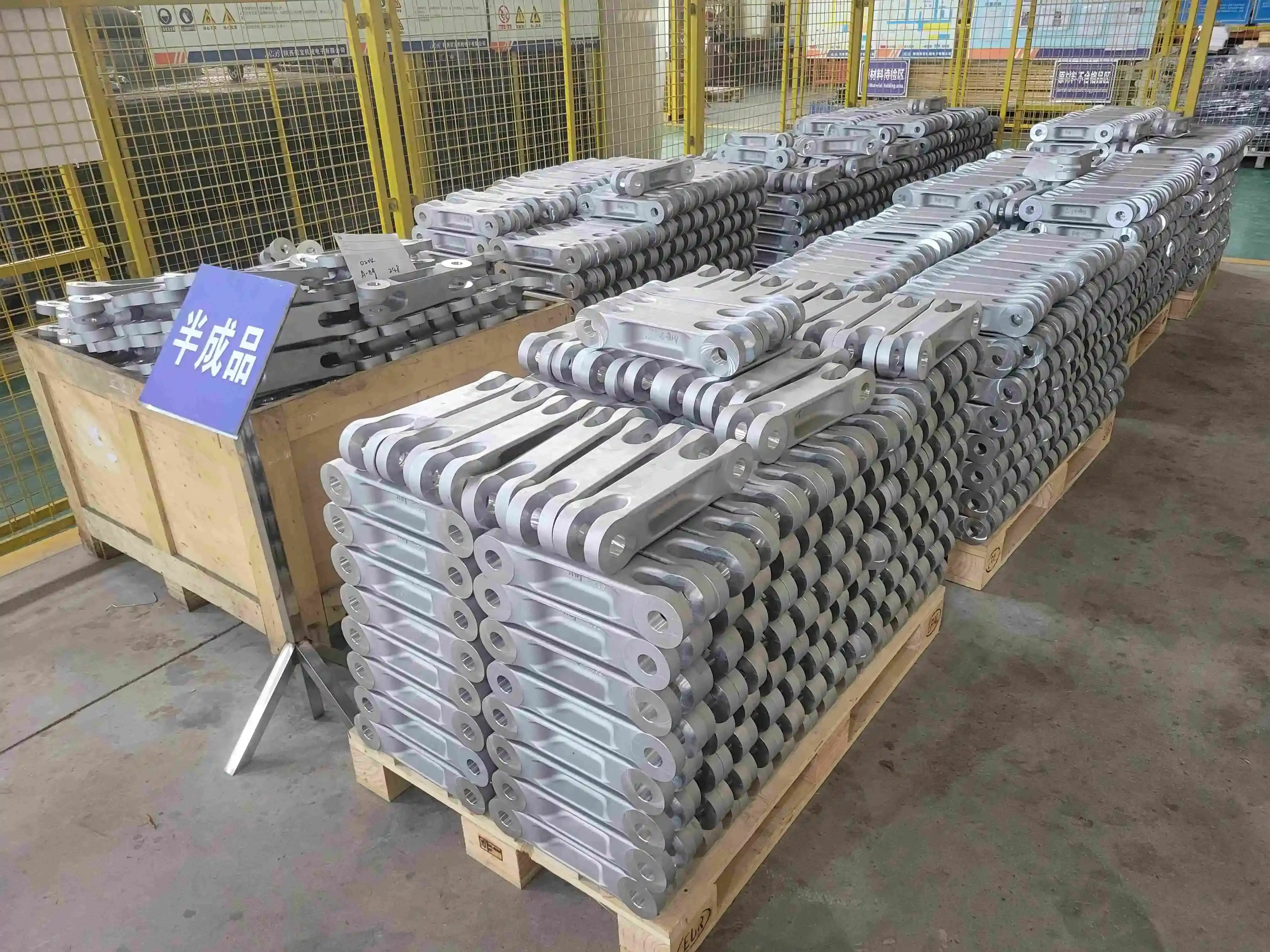
Ask for Comparable Samples and Case Evidence
Without parts, claims don't mean much. As an example, I need parts that are the same size, weight, material, shape, and cutting needs as my part. If my part has big holes in it, a picture of a simple bracket doesn't help much.
Ask for inspection records for each sample that show the material's size and test results. Look at the surface to see how it looks and how the casting works. Make sure you know how much samples will cost and how long they will take to make before you give the go-ahead. Time and money needed for samples depend on the process and tools used. Open records are a good sign for when you start making the album when you're sampling.
Audit the Plant, Remote or On Site
A review finds out how work really moves. Follow the part's steps: store the raw materials, melt them, shape them, make the core, finish them, check them, and pack them. You can either go there yourself or ask for a video tour.
Check out how the plant keeps track of the tools, parts that don't meet standards, and what was done to fix everything. To make sure changes are okay before they are used, find out who owns the tools and who takes care of them. Find out how the foundry keeps customer drawings safe, and sign a contract right away to keep the information secret. Things like clean plans, named things, and correct records tell you more than a brochure.
Run a Controlled Pilot Order
If you place a trial order, you can test the provider in the real world. I always start with a small group, around 100 to 500 pieces, and we agree ahead of time on how to check them.
The documents are good, people respond quickly, and they are delivered on time. This run shows that these things are good from one part to the next. For another thing, it lets your engineers test fit, functionality, and how easy it is to make before you commit to a bigger number. Check to see what their minimum order amount is before you buy from them. This is because small, flexible lots make the first purchase less risky. You can slowly turn up the volume if the test goes well.
Compare Cost, Lead Time, and Commercial Terms
Read the Quotation Line by Line
There should be a clear line in the quote between the one-time cost of the tools and the price per piece. I need raw materials, molds, cores, finishing, heat treatment, machining, testing, packing, and more raw materials. The landing cost is then found by adding the freight, duty, and customs costs.
When getting a rate, make sure you know what it doesn't include. A low price might not cover testing, cutting, or surface treatment. Find out how much it costs at the prototype, pilot, and yearly levels. The unit price goes down as the amount goes up. When the things are written down, it's easy to compare prices between sellers, and you can see if there are any secret costs before you sign.

Break Down Lead Time and Minimum Orders
Engineers have to look over the work, make tools and models, get permission, start production, machine the parts, check them, and ship the finished product. Not just one number; ask each provider for a date for each step.
In general, it takes me seven to twelve weeks from the first question to a test run that is approved. This makes orders go by much faster. Speed is just as important as getting the order in as quickly as possible. You can see how good it is before you spend a lot of money on it if the seller lets you buy small amounts at first. Note down how long the foundry keeps the tools and what happens when you place another order.
Weigh Local, Regional, and Overseas Options
Price only gets one point. I check to see how well foundries in my area, around the world, and in other countries can talk to each other, help engineers, ship, handle taxes, protect intellectual property, and sell. Forging, CNC machining, sand casting, and investment casting are some other ways I look at because they can all be used to make parts of different shapes and sizes.
It's helpful to have a record with weights. You can give each supplier a score between one and five based on their skills, quality, capacity, price, lead time, and customer service. You can stay objective when a low quote makes you want to make a choice. Make a list of the rules for changing prices, warranties, claims, and how to pay.
Avoid Risks and Match the Foundry to Your Application
Spot Common Casting Risks Early
If the price is the lowest, it might not include a full review, key steps that were outsourced, impossible standards, or machining that wasn't part of the deal. When a service can't explain how it works, what it can do, or how it keeps bugs from happening, you should be very careful.
Plaques often have flaws like holes, shrinking, inclusions, cracks, cold shuts, misruns, core defects, and deformation. A well-thought-out design can lower them with things like thick walls, big fillets, good draft, sound gates and risers, and vents. Before they happen in large amounts, problems are found through simulations of solidification and tests on prototypes. Making a copy and getting written permission to make changes is safe in case something goes wrong.
Match the Foundry to Your Part
The answer is based on the form. Parts for heavy tools need to be able to be made, stay in shape, and not break down quickly. It is important for pumps and valves to be pressure-tight, have clean internal passageways, and be checked for leaks. Automobile programs stress the importance of being able to repeat, use statistical process control, and track things.
Precision casting is also used to make important things like turbine blades, medical implants, and car engine parts. People who buy in these places should expect more paperwork and tests that don't hurt the parts. A lot of the time, prototypes and small projects need tools that can be changed easily, feedback from engineers quickly, low minimum orders, and samples quickly. Make a list of your goals before you cut down the list of companies.
Use a Final Selection Checklist
I check with the seller to make sure they can give me the right material, method, measurements, tolerances, finish, machining, testing, and papers before I sign. I look at things like export rules, drawing safety, minimum orders, capacity, certificates, tracking, inspection tools, corrective action records, tooling terms, and how to keep drawings safe.
Checks, audits, and test orders are more important than marketing promises. It's important to find a foundry that you can work with for a long time and as your business grows. Rongbao Enterprise can look at your part and the other options you have to see if it can be made with low-pressure casting, die casting, or cutting a hole in the part.
Conclusion
Before you choose a precision casting iron plant, you should know what the part is for, the grade of the material, the standards, the limits, and the amount. The next step is proof of capability, which includes the actual process, well-known certifications like ISO 9001, and test equipment that actually works. The claims are then checked out with tests, checklists, and a pilot order. It's not fair to compare things based on unit price alone. A weighted scorecard, cost breakdowns by wait time, detailed prices, and landing cost are also things you need. Pores and shrinkage are less likely to happen when design review, simulation, and sample checks come first. Which one is best depends on what you need it for. Buyers can cut down on process mistakes, hidden costs, and supply risk if they do these things before they commit to scale.
FAQ
Can precision casting be used for cast iron?
Sometimes. If you want to make small, difficult parts, investment casting is the best way to do it. A lot of the bigger iron parts are made from casts made of sand or shells. The method should be used if it is technically possible to do so.
Which certificates should I ask for?
Get ISO 9001 first. Add IATF 16949 if you work in the auto company. To work in aircraft, you need to add AS9100. You should add ISO 13485 for medical parts. Look at the date and the area all the time.
How do I compare quotations?
It's important to match the piece price, tooling, machining, testing, packaging, and freight for each line. Then don't just look at the unit price; look at the wait time and the landing cost as well.
Request a Precision Casting Quote from Rongbao Enterprise
Are you ready to look at different businesses? Rongbao Enterprise needs to know your ideas, the grade of the material, the limits, and the amount you want to buy each year. Precision casting has been our business for 20 years. Die casting, gravity casting, precision machining, mold development, and surface treatment are all things we can do. Email steve.zhou@263.net or zhouyi@rongbaocasting.com, or visit rongbaocasting.com to learn more.
References
- ASM Handbook, Volume 15: Casting, 2008
- ASTM A48/A48M, Standard Specification for Gray Iron Castings, 2022
- ASTM A536, Standard Specification for Ductile Iron Castings, 2019
- ISO 8062-3, Geometrical Product Specifications: Dimensional and Geometrical Tolerances for Moulded Parts, General Tolerances and Machining Allowances for Castings, 2007
- ISO 9001, Quality Management Systems: Requirements, 2015
- Campbell, J., Complete Casting Handbook, 2015
Learn about our latest products and discounts through SMS or email