- English
- French
- German
- Portuguese
- Spanish
- Russian
- Japanese
- Korean
- Arabic
- Greek
- German
- Turkish
- Italian
- Danish
- Romanian
- Indonesian
- Czech
- Afrikaans
- Swedish
- Polish
- Basque
- Catalan
- Esperanto
- Hindi
- Lao
- Albanian
- Amharic
- Armenian
- Azerbaijani
- Belarusian
- Bengali
- Bosnian
- Bulgarian
- Cebuano
- Chichewa
- Corsican
- Croatian
- Dutch
- Estonian
- Filipino
- Finnish
- Frisian
- Galician
- Georgian
- Gujarati
- Haitian
- Hausa
- Hawaiian
- Hebrew
- Hmong
- Hungarian
- Icelandic
- Igbo
- Javanese
- Kannada
- Kazakh
- Khmer
- Kurdish
- Kyrgyz
- Latin
- Latvian
- Lithuanian
- Luxembou..
- Macedonian
- Malagasy
- Malay
- Malayalam
- Maltese
- Maori
- Marathi
- Mongolian
- Burmese
- Nepali
- Norwegian
- Pashto
- Persian
- Punjabi
- Serbian
- Sesotho
- Sinhala
- Slovak
- Slovenian
- Somali
- Samoan
- Scots Gaelic
- Shona
- Sindhi
- Sundanese
- Swahili
- Tajik
- Tamil
- Telugu
- Thai
- Ukrainian
- Urdu
- Uzbek
- Vietnamese
- Welsh
- Xhosa
- Yiddish
- Yoruba
- Zulu
What is high pressure casting?
High-pressure casting, which is also called die casting, is a very accurate way to make things. A steel shape is made from molten metal that can be used again and again. This is done under very high pressures, usually 700 to 2000 bar. With this method, you can quickly and correctly make alloys made of aluminum, zinc, or magnesium into complex cavity shapes. The parts that are made have smooth sides and thin walls that are the right size. This method makes production quick and uniform, which is why it is so important for aerospace, industrial gear, and car parts where speed and consistency are important.
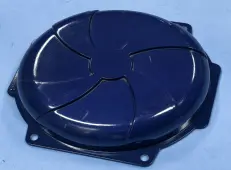
Understanding High Pressure Casting
Three key steps make this High-pressure casting method work. These steps turn liquid metal into finished parts that can be put together or worked on further.
The Injection Process
During injection, up to several meters per second of molten metal is pushed through a closed die. The pressure squeezes the material together so that there are no empty places and the metal fills the mold all the way to the top. Different alloys have different melting points and injection pressures that range from 10,000 to 20,000 psi. Zinc metals need about 420°C to melt, while aluminum alloys need about 660°C. Most of the time, the whole process of filling takes less than 0.1 seconds. In this way, the material is less likely to harden too quickly and is spread out evenly over complicated forms.
Cooling and Solidification
Soon after the hole is filled, the metal starts to cool and strengthen because it is constantly being pressed. At this point, it's very important to keep the cooling rate under control because it changes the grain structure, the mechanical properties, and the stability of the dimensions. The spread of temperature inside the die is controlled by cooling paths. This keeps the die from bending or putting too much stress on one area. That depends on how big the part is and how thick the wall is. Sometimes it takes up to a minute for something to solidify. The steady pressure during cooling gets rid of flaws caused by shrinking and raises the density, which makes parts that are more stable than those made with gravity-fed methods.
Ejection and Post-Processing
The part is pushed out of the mold by ejector pins when the die opens. When a part is cast, it gets a smooth surface that means it generally doesn't need much finishing work. When the job is done, the gates are generally cut, the flash is taken away, and quality checks are made. Robots with advanced technology can constantly remove, cool, and check parts, which means that a single tool can make more than 100 parts an hour. This speed directly lowers the cost per unit for large sales, which is a very important thing for buying managers to think about when they look at the total cost of ownership.
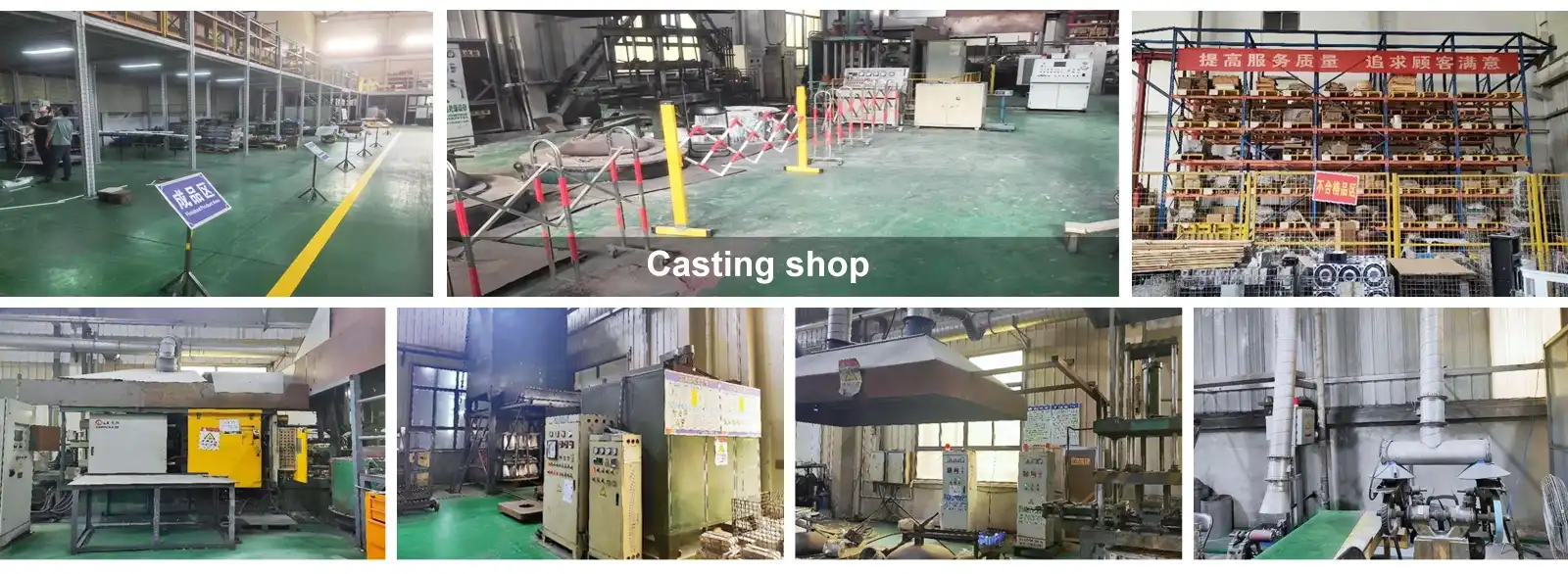
Advantages and Challenges of High Pressure Casting
Buyers can make sure that the High-pressure casting process fits their wants and their budget by learning about its pros and cons.
Key Advantages
Die casting is the best way to make a lot of things because it has so many great benefits. The best thing about it is how fast it works. Because cycle times are short, output is quick, and lead times are much shorter than with sand or investment casting. The finish on the outside is just as good as that on finished parts, which means that extra steps aren't needed as often and the total cost of production is lower. With this process, engineers can make parts that are lighter and work better. It can handle complicated shapes, walls as thin as 0.6 mm, and tight tolerances of ±0.1 mm. It can be done thousands of times, which makes sure that every batch is the same. This calms down quality engineers who are worried about difference and makes it easier to guess what checks will find.
Common Challenges
There are some good things about die making, but there are also some bad things that need to be handled properly. The tools for making complicated models can cost more than $50,000 at first. In other words, the method can only be used for runs of more than 10,000 units. Porosity can happen when air gets stuck during quick injection. This limits the types of heat treatments that can be used and lowers the wear resistance in important applications. The machine can only handle parts that are a certain size. Other machines that cost more can handle parts that are bigger than 20 kg, but most machines can't handle parts that are that big. Molds take longer to make—eight to twelve weeks at a time—so buying teams need to plan ahead. They might have to wait longer for projects if they don't.
Minimizing Defects
Scrap rates drop by a lot when avoidance strategies are used, and output goes up. The best shape for the gates controls how fast the metal flows, which lowers the shear that holds air. The die is not damaged by the gases that can leave through venting tubes. Conditions stay the same from one production run to the next thanks to process controls like keeping an eye on the exact temperature and changing the speed of the injection. Tools that track quality find issues quickly and in real time, so they can be fixed before they affect whole batches. During the design-for-manufacturing process, suppliers and product experts work together to look for issues that might arise. All of this makes sure that the casts are safe to use and can still be made in big quantities.
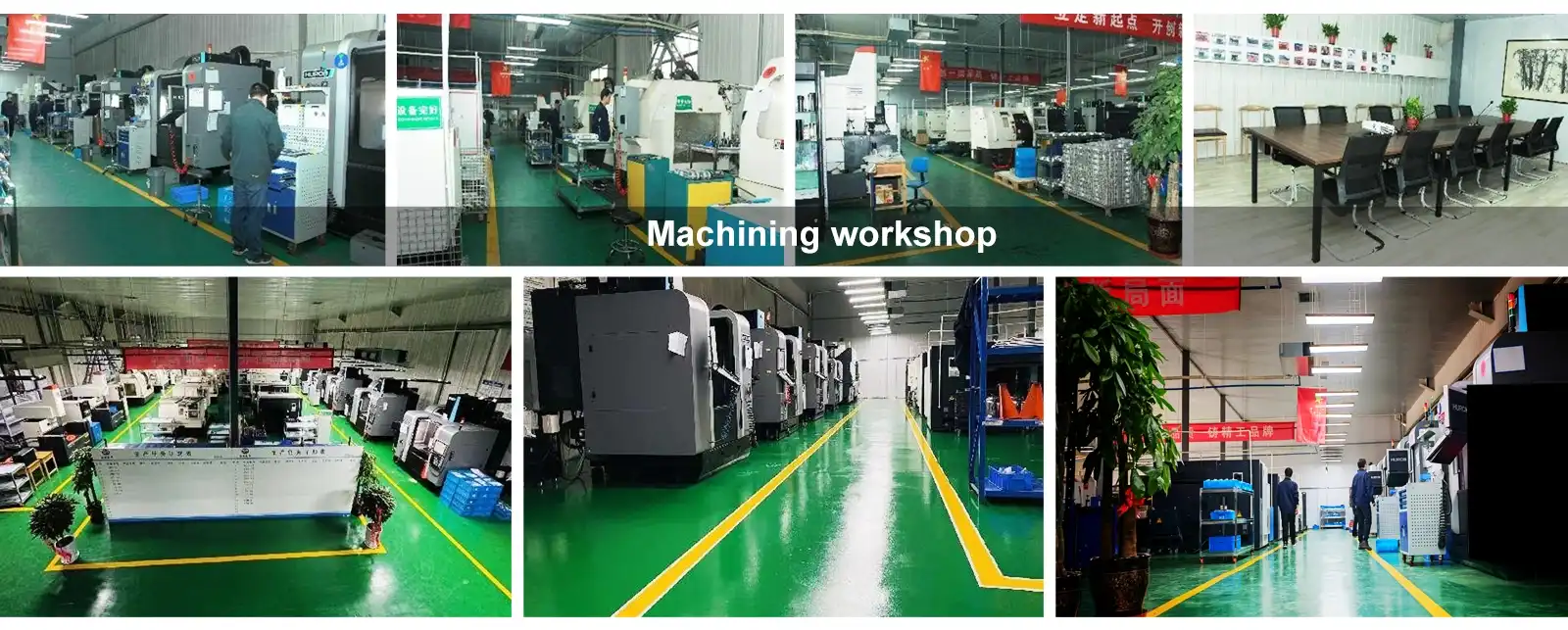
High Pressure Casting vs Other Casting Methods
Selecting the right casting technique depends on production volume, material requirements, surface finish expectations, and budget limitations. Comparing methods clarifies when High-pressure casting offers the best value proposition.
Die Casting vs Sand Casting
Because steel frames and pressure are used, die casting is a great way to make a lot of precise, smooth, thin-walled parts out of aluminum and zinc. One-time-use sand models are used in sand casting. These models give you more design choices, lower tool costs, and the ability to work with metals that melt quickly, like iron and steel. The walls and surfaces are harder when sand casting is used, and it works best for small to medium production runs. A business that needs to buy 50,000 car brackets a year might choose die casting because it is quick and reliable. On the other hand, a company that makes building tools and needs 500 heavy-duty housings might choose sand casting because the tools are cheaper to make.
Die Casting vs Gravity Casting
In gravity casting, the metal flows into the forms on its own, without any outside pressure. Even though the turn times are longer, the parts it makes are strong. Die casting pushes metal into a form so that it can be made more quickly and with better accuracy. Gravity methods can work with bigger pieces and lower the chance of porosity, which is useful in flight applications where the strength of the material is more important than how quickly it can be made. Die casting is the best way to make things when you need a lot of them and they need to fit together perfectly. Some examples are car engine cases or electrical boxes that need to be fixed precisely.
Die Casting vs Investment Casting
Investment casting uses clay models to make very difficult shapes with a smooth surface that can be used for experiments and making shapes with many angles. Die casting has faster cycles and lower unit costs for large orders, but investment casting gives you more choice with shape and a wider range of materials to choose from. Technical engineers who are making complicated turbine blades might choose investment casting as the best way to balance quality and cost. On the other hand, engineers who are making common motor housings would choose die casting.

Selecting High Pressure Casting Services and Suppliers
Partnering with the right supplier ensures project success, on-time delivery, and consistent quality across production runs for your High-pressure casting needs.
Evaluating Technical Capabilities
It is important to see what kinds of tools the supplier has, how much they know about the products they supply, and how well they can adapt to different methods. You can work with items of different sizes and levels of difficulty if you find companies that have a variety of tools with different tonnages (250 to 3000 tons). Make sure they have worked with the metal you want to use before. For instance, you need different skills to die cast aluminum than to work with copper or magnesium. When providers give services like cutting, surface treatment, and assembly all in one, it's easier to manage the supply chain and costs less to coordinate.
Certification and Compliance
Getting a quality license from a seller shows that they are committed to making processes more consistent and better all the time. ISO 9001 approval calls for strong quality control systems, and IATF 16949 rules say that car supply chains must follow them. Companies with ISO 14001 and ISO 45001 badges care about the environment and follow safety rules at work. Businesses that want to be good to the earth need to follow these rules more and more. Purchasing managers should ask for audit records, customer references, and data on the failure rate to show that certification is more than just a piece of paper.
Geographic and Logistical Considerations
Things like wait times, freight costs, and how well people can talk to each other depend on where a provider stands. It saves money on shipping costs and time to try changes when you are close, which is helpful during the creation process. People from other countries prefer to do business with companies that have been shipping for a long time and have customer service teams that speak more than one language. Price models that are flexible, like rates based on weight per kilogram, make it easier to plan for projects whose needs change over time. Suppliers will be more likely to meet project goals if procurement teams are clear about how long it will take for things like mold development, first item review, and full production plans.
Custom Solutions and OEM Partnerships
You can get standard parts from some providers, but it's also very helpful to find ones that offer OEM-tailored solutions and custom die casting. Joint design improvement is possible with mold-making tools. This makes the product cheaper and easier to make. Because there are different ways to treat the surface, such as anodizing, powder coating, and plating, there is no need for separate finishing sources. When sellers are willing to hold inventory, run barter programs, or set up vendor-managed inventory systems, it makes relationships with customers last longer and keeps the supply chain stable.
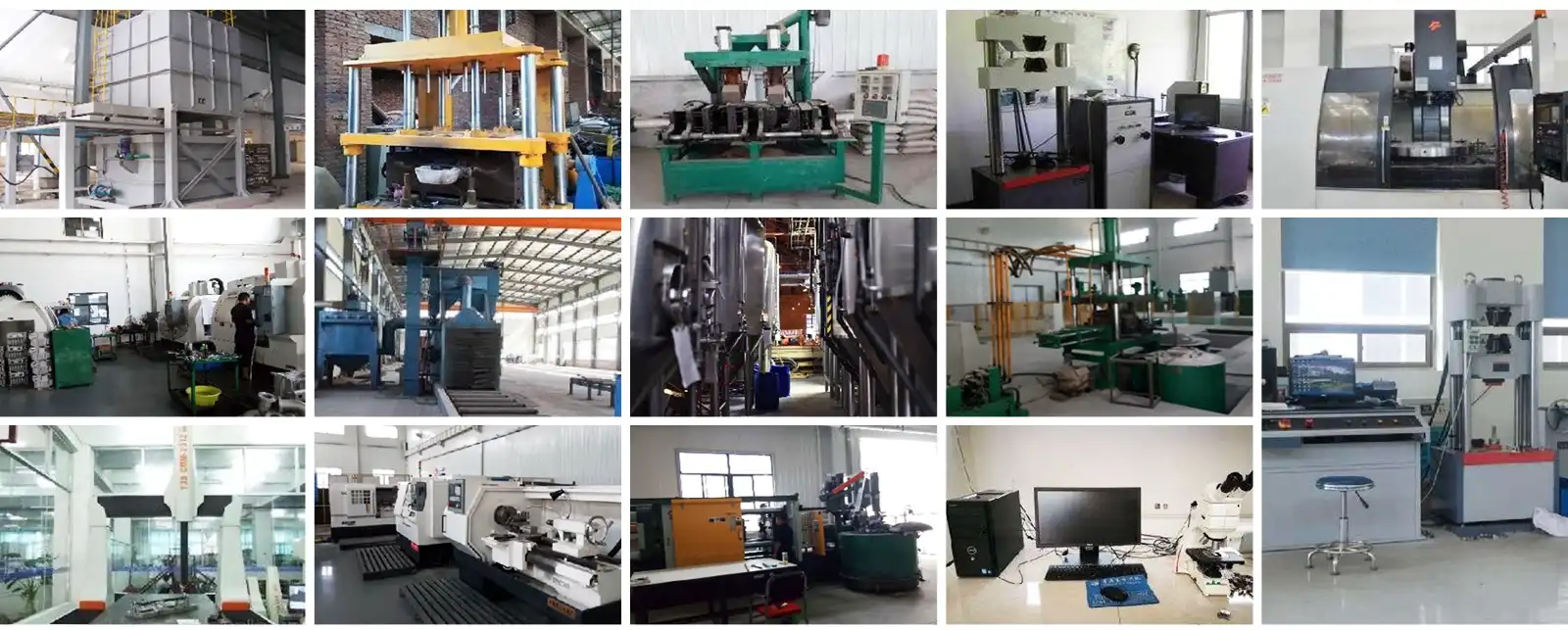
Conclusion
When a business needs to make a lot of precise metal parts, High-pressure casting is one of the best ways to do it. It is very important for industries like energy, cars, and industrial equipment because it can offer fast cycles, tight standards, and consistent quality. Porosity risks and the cost of the initial tools are problems. However, these problems can be solved by working together smartly with suppliers and using preventative design techniques. They can make smart decisions that balance cost, quality, and delivery times if they know about injection settings, mold design, and process capabilities. This keeps their supply lines safe and gives them an edge in places where competition is high.
FAQ
What materials work best with die casting processes?
Aluminum alloys are the most common type of metal used in High-pressure casting. They are strong for how light they are, don't rust, and can handle heat well, which makes them great for electronics and cars. For making artistic gear and small accurate parts, zinc alloys are great because they are very accurate in size and have smooth surfaces. Because they are so light, magnesium metals are often used in airplanes and small tools that need to keep their weight down.
How does die casting compare cost-wise to gravity casting?
The models for die casting often cost three to five times more up front than those for gravity casting. However, when more than 10,000 are made, each one costs a lot less. To save even more money on large production runs, cycle times that are faster and fewer closing steps are used. However, gravity casting is still the most cost-effective way to make samples and small batches since the equipment doesn't need to be replaced often.
What advantages make die casting favorable for high-volume manufacturing?
Die casting is the best way to make a lot of things because it can be done quickly, correctly, and with little need for extra work. Automation lets machines do their jobs without a person, which saves money and cuts down on mistakes. Accurate measurements over thousands of rounds make quality control easier and make it easier for inspectors to do their jobs. This gives good engineers what they need, which is a steady supply.
Partner with Rongbao Enterprise for Reliable Die Casting Solutions
For twenty years, Rongbao Enterprise has been making things. They are very good at High-pressure casting, which helps buying teams around the world find trusted sources. Our ISO 9001, ISO 14001, and ISO 45001 certifications make sure that we test for quality at all stages of production. We use high-tech automatic machines to cast under high pressure, low pressure, and gravity. We also offer mixed machining and surface cleaning, which means that the parts are ready to be put together when they are done.
Seventy percent of what we make is sold in Europe, the US, and Japan. This shows that we can meet the high standards of those countries. Customers and our tech team work together to make ideas better. This lowers the cost of tools and makes them easier to make. Costs are easy to understand because our prices are based on weight, and we can handle orders of any size, from a few samples to millions of units per year. Our full-chain skills make it easier to get what you need and cut down on the time it takes to get it to market. This is true whether you need casts for energy equipment, parts for industrial tools, or car parts. You can email our tech pros at steve.zhou@263.net or zhouyi@rongbaocasting.com to talk about your project needs. Please go to rongbaocasting.com to find out more about our production services and why top OEMs choose Rongbao Enterprise as their die casting manufacturer of choice.
References
1. American Foundry Society. Die Casting Process Fundamentals and Applications. Des Plaines: AFS Technical Publications, 2021.
2. Kaufman, J. Gilbert, and Elwin L. Rooy. Aluminum Alloy Castings: Properties, Processes, and Applications. Materials Park: ASM International, 2020.
3. Vinarcik, Edward J. High Integrity Die Casting Processes. Hoboken: John Wiley & Sons, 2019.
4. North American Die Casting Association. Product Specification Standards for Die Castings. Rosemont: NADCA, 2022.
5. Beeley, Peter R., and Richard F. Smart. Investment Casting and High Pressure Die Casting: A Comparative Analysis. London: Institute of Materials, 2018.
6. International Organization for Standardization. ISO 16220: Magnesium and Magnesium Alloys for Die Casting. Geneva: ISO Standards, 2020.
Learn about our latest products and discounts through SMS or email