- English
- French
- German
- Portuguese
- Spanish
- Russian
- Japanese
- Korean
- Arabic
- Greek
- German
- Turkish
- Italian
- Danish
- Romanian
- Indonesian
- Czech
- Afrikaans
- Swedish
- Polish
- Basque
- Catalan
- Esperanto
- Hindi
- Lao
- Albanian
- Amharic
- Armenian
- Azerbaijani
- Belarusian
- Bengali
- Bosnian
- Bulgarian
- Cebuano
- Chichewa
- Corsican
- Croatian
- Dutch
- Estonian
- Filipino
- Finnish
- Frisian
- Galician
- Georgian
- Gujarati
- Haitian
- Hausa
- Hawaiian
- Hebrew
- Hmong
- Hungarian
- Icelandic
- Igbo
- Javanese
- Kannada
- Kazakh
- Khmer
- Kurdish
- Kyrgyz
- Latin
- Latvian
- Lithuanian
- Luxembou..
- Macedonian
- Malagasy
- Malay
- Malayalam
- Maltese
- Maori
- Marathi
- Mongolian
- Burmese
- Nepali
- Norwegian
- Pashto
- Persian
- Punjabi
- Serbian
- Sesotho
- Sinhala
- Slovak
- Slovenian
- Somali
- Samoan
- Scots Gaelic
- Shona
- Sindhi
- Sundanese
- Swahili
- Tajik
- Tamil
- Telugu
- Thai
- Ukrainian
- Urdu
- Uzbek
- Vietnamese
- Welsh
- Xhosa
- Yiddish
- Yoruba
- Zulu
Metal Casting And CNC Machining: The Ultimate Guide To Cost-Effective Production
Metal casting and CNC machining are two of the most important industrial processes today when it comes to making long-lasting, precisely made parts. A foundry makes metal parts by melting metal, pouring it into molds to harden into specific shapes, and then finishing the parts. They make everything from tiny electronic parts to huge engine blocks for the medical, military, automobile, and building industries. Sand casting, die casting, and investment casting are some of the casting methods that can be used to meet different needs in terms of complexity, number, and accuracy. When these methods are combined with CNC machining, producers have more options than ever before. They can balance cost, quality, and speed across all kinds of production runs.
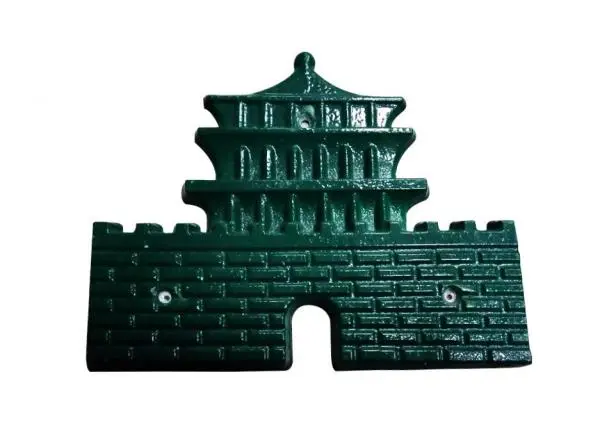
Understanding Metal Casting and CNC Machining: Processes and Applications
It can be hard for people who work in manufacturing to choose methods that meet both technical needs and budget limits. When fully understood, both casting and CNC machining have unique benefits that give buying teams the power to make smart decisions.
What Is Metal Casting?
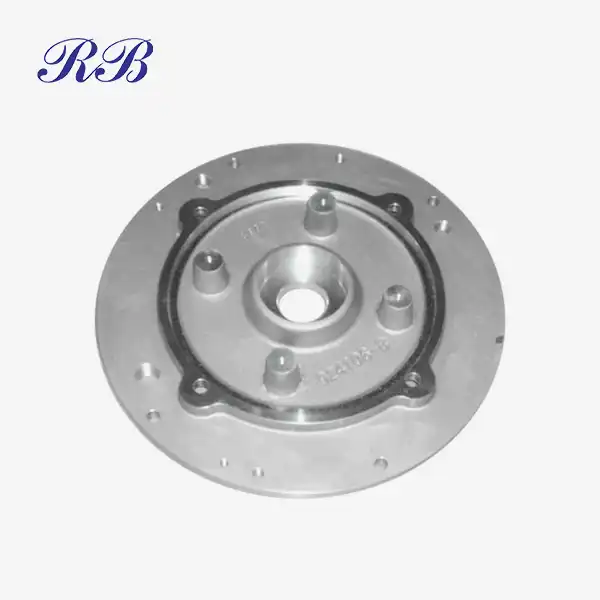
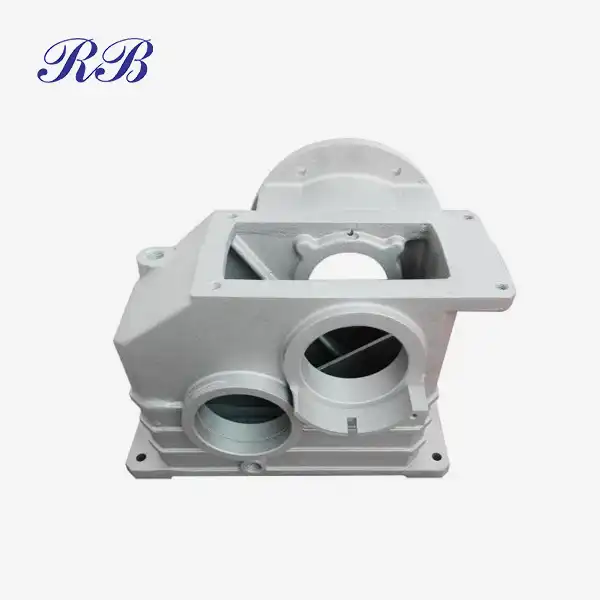
To cast something, you heat metal until it melts and then pour it into molds that have already been made. The metal then cools and hardens into the shape you want. This process is great for making hollow structures and complicated shapes that would be hard or expensive to machine from solid stock. Aluminum alloys, gray iron, compacted graphite iron, and magnesium alloys are all common materials. They are chosen based on their strength, weight, and temperature qualities. Metal casting is used in many fields to make engine blocks, bearing caps, pump housings, and hydraulic parts that need to be strong and consistent.
Popular Casting Methods
Sand casting uses sand models and is good for making small to medium amounts of things, but it can also be used to make big parts. Die casting uses steel forms that can be used more than once and high pressure to make a lot of aluminum or zinc parts with very tight tolerances. Investment casting, which is also called "lost wax casting," makes complex parts with smooth surfaces that are often used in medical and aircraft equipment. Low-pressure casting pushes liquid metal up into molds, which reduces bubbles and flaws and makes it good for making wheels and structural parts for cars.
CNC Machining Fundamentals
CNC machining uses computer-controlled cutting tools to take away material from solid blocks or casts. With this automated method, tolerances can be as low as ±0.001 inches, and smooth surfaces and complicated features like threads, pockets, and exact holes can be made. Machines can cut a lot of different metals, and they can be used for both testing and small-scale production. It goes well with casting because it turns rough casts into finished parts that meet very strict size requirements.
Typical Applications
For engine blocks and transmission housings, automakers cast the parts and then machine the important areas to make sure they fit perfectly. As part of their work, aerospace companies cast and make engine housings to very precise measurements. Cast pump cases and machined valve seats are used in construction tools. For surgical tools, investment casting is used, and then precise machining is used for the useful parts. When buying teams know where each process does its best work, they can choose manufacturing methods that meet performance needs and cost goals.
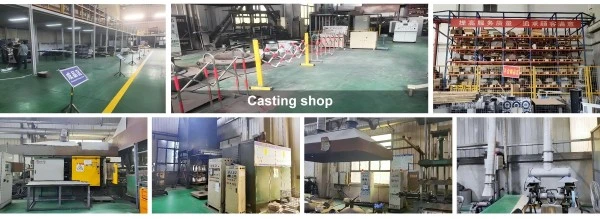
Metal Casting vs CNC Machining: Cost, Quality, and Production Efficiency
When deciding between casting and machining, or how to mix them, it's important to look at cost structures, quality standards, and production schedules.
Process Differences
Metal casting fills in gaps with more material, while cutting takes away material to make the end shapes. Casting is good at making internal spaces that are complicated, while machining is great at making outward features and tight standards. Material use is very different between casting and machining. Casting uses almost all of the metal that is filled, but machining makes chips and scrap, which lose material and cost more.
Cost Factors
The cost of the first dies for die casting can range from $5,000 to over $50,000, based on how complicated the part is and how long the mold is expected to last. Sand molds are cheaper, but they wear out faster, so they're only good for small amounts. CNC cutting doesn't need many tools up front, but it costs more per part because the cycle times are longer and more material is wasted. Volume makes a difference: high-pressure die casting is more cost-effective for orders over 1,000 units per year, while milling is better for samples and orders under 500 pieces.
Quality Considerations
When casting, limits are usually between ±0.010 and ±0.030 inches, and surface finishes range from 125 to 500 micro-inches, based on the method used. The accuracy of CNC cutting is ±0.001 inches, and the finish is less than 32 micro-inches. Porosity, shrinking, and inclusions are common flaws in casting that quality engineers check for using non-destructive tests such as X-ray, ultrasound, and magnetic particle inspection. Defects in machining include tool wear, heat distortion, and fixturing mistakes. Statistical process control can be used to control all of these issues.
Lead Time and Scalability
Parts can be made quickly with CNC machine prototypes, but it takes weeks to make models for castings. As soon as the molds are ready, casting can make hundreds of parts every day. How much can be machined depends on how many hours are available and how hard it is to program. When procurement managers have to meet tight start dates and long-term volume needs, they often use machining to make prototypes and then switch to casting for production runs.
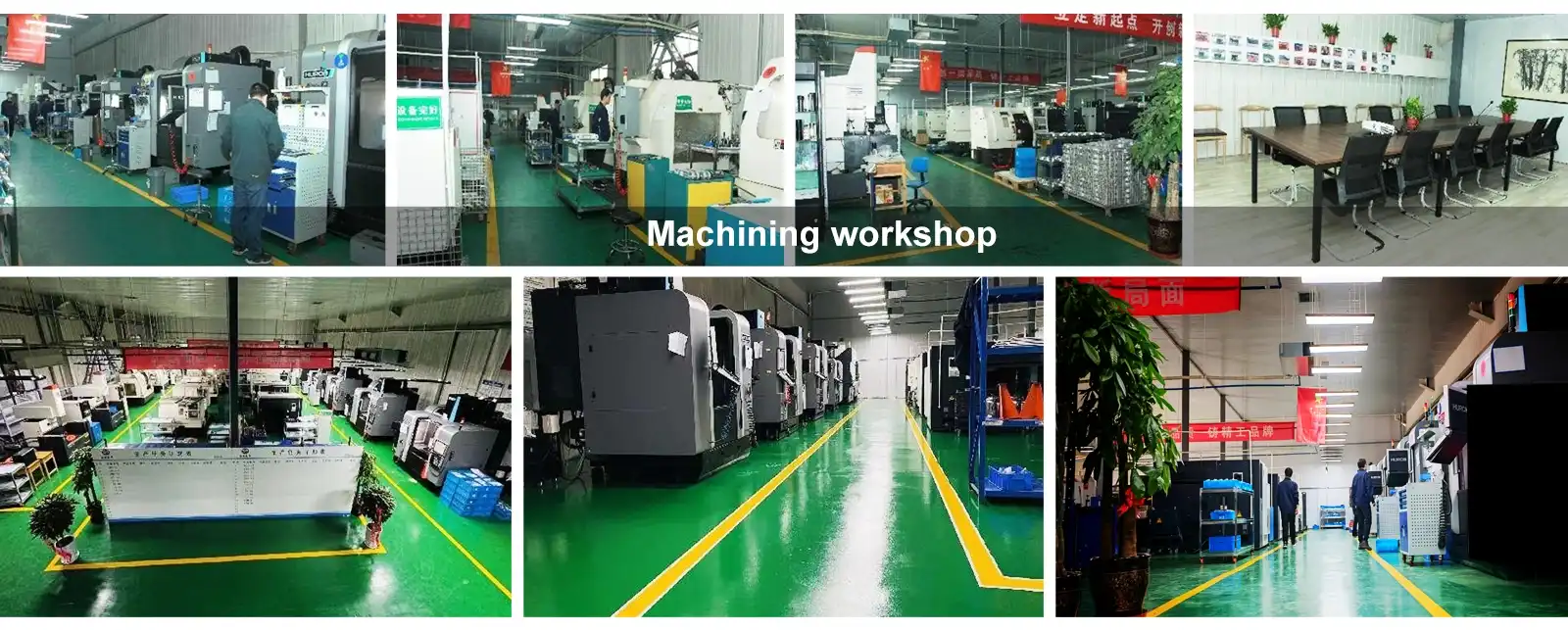
Choosing the Right Metal Casting Method for Your Production Needs
The best metal casting method is chosen by looking at the features of the material, the shape of the part, the amount that needs to be made, and the quality standards. Each method has pros and cons that affect how well the job turns out.
Sand Casting
Sand casting can be used for both ferrous and non-ferrous metals, such as steel, aluminum, and iron alloys. It can work with complicated forms that have undercuts and big parts that weigh several tons. The cost of tools stays low, so it's cost-effective to make batches of ten to several thousand units. Surface finish and measurement accuracy aren't great, so important features often need to be machined after the fact. Sand casting is used by automakers for engine blocks that need complicated cores because they have interior water jackets and oil passages.
Die Casting
In high-pressure die casting, more than 10,000 pounds per square inch of pressure is used to pour liquid aluminum, zinc, or magnesium into steel forms. This method makes thin-walled parts with great surface quality and accuracy, and it can be used for more than 5,000 pieces. The cost of tools is high, but it pays for itself over many runs. Die-cast parts usually don't need much finishing, which lowers the overall cost of production. Suppliers to the auto industry cast transmission housings, and companies that make industrial tools make motor housings and valve bodies.
Investment Casting
When investment casting is done, wax models are used to make clay casts. The wax is then melted away to make holes for pouring. Without any extra work, this method makes fine features, smooth surfaces, and tight standards. It works with titanium, stainless steel, and high-temperature alloys that are used to make medical implants and rotor blades for spacecraft. It's possible to make samples or thousands of units, but the cost per part is still higher than with die casting.
Low-Pressure Casting
Low-pressure aluminum casting fills frames from below, which lowers the chance of gas getting stuck and turbulence. With this method, structure parts are made that have better mechanical features and fewer holes. Wheel makers for cars and energy equipment providers like this method for parts that need to be tested for wear resistance and pressure resistance. It takes a few weeks to make a tool, and the cost is between sand casting and die casting.

Integrating Metal Casting and CNC Machining for Optimal Production
Using both metal casting and CNC machining together makes a combination method that improves quality, speed, and cost-effectiveness. Near-net-shape castings give the form of the bulk, and machining adds accuracy where it counts the most.
Hybrid Manufacturing Strategies
When engineers create castings, they add extra material—usually 0.030 to 0.060 inches—to important areas that will be machined. This method cuts down on cutting time and tool wear while keeping the accuracy of the dimensions. Cast iron bearing caps have bearing surfaces and bolt holes cut into them to make sure they are aligned correctly. A lot of work is done on the cylinder bores, deck areas, and mounting pads of metal engine blocks. When compared to cutting from solid billets, this method cuts the cost of raw materials by 50%.
Quality Control Measures
Controlling the casting process is the first step in avoiding defects. Software that monitors the mold's temperature, filling rate optimization, and solidification modeling software all work together to lower porosity and shrinkage. Non-destructive testing is used to screen casts before they are machined during incoming inspection. This keeps CNC time from being spent on broken parts. Coordinate measuring tools and automatic gauging are used for post-machining checking to make sure that limits are met. Suppliers who are certified in ISO 9001, IATF 16949, and ISO 14001 show that they are dedicated to managing quality in a structured way.
Selecting Reliable Suppliers
Teams in charge of buying things judge sellers based on their technical skills, capacity, compliance, and response. Technical checks make sure that people know how to use specific CNC tools and casting methods that are right for the part. The production capacity estimate compares the project volumes to the plant area, the number of pieces of equipment, and the yearly output. Certifications and environmental management systems are checked for compliance. Performance indicators such as reaction times under an hour and on-time supply rates above 95% show that operations are running smoothly. Building ties with providers who offer feedback on design-for-manufacturability during quoting can help you avoid having to make expensive changes later on.

Conclusion
Learning how metal casting and CNC cutting work together can help you find cost-effective ways to make things that meet high quality standards. Casting makes complicated shapes and makes good use of materials, while cutting adds accuracy and a smooth surface. A supply chain that grows with the business is built by procurement workers who know how to weigh process trade-offs, carefully examine suppliers, and write clear contracts. Combining these ways of making things in a smart way lowers costs, cuts down on lead times, and makes sure that quality stays the same across production runs, whether you're looking for engine blocks, hydraulic parts, or flight structures. Spending time building relationships with suppliers and learning the process pays off in the form of less work that needs to be redone, more reliable supplies, and a competitive edge in markets that are very picky.
FAQ
What factors should influence the choice between metal casting and CNC machining?
This choice is based on the difficulty of the part, the production output, the tolerance standards, and the properties of the material. Metal casting is best for parts with complex internal features and high volumes (more than 1,000 units), while cutting is best for parts with tight specs and low volumes. Investing in tools is limited by money: for casting, you have to pay for the block up front, but for cutting, the costs are spread out over the rates for each part. Due to short lead times, cutting is better for samples than casting for mass production.
How can manufacturers minimize defects in high-precision casting?
Porosity and shrinkage can be cut down with process controls like mold temperature management, filling rate optimization, and solidification modeling. Before machining, casts are screened with non-destructive tests. Statistical process control and plans for continuous growth are checked by supplier audits. Automotive-grade quality systems are guaranteed by choosing providers who have IATF 16949 approval. Design-for-manufacturability reviews done during quotes find early risk factors.
Which metals work best for casting versus machining?
Gray iron, aluminum alloys, and compacted graphite iron are all easy to make and have good tensile qualities. Stainless steel and titanium are good materials for investment casting in medical and military fields. Die casting is a good way to use metals of zinc and magnesium. Machining is used to work with harder metal like tool steels and sharpened stainless steel when casting is not an option. It is important to choose materials that have the right mix of strength, weight, resistance to rust, thermal qualities, and the ability to be cast or machined.
Partner with Rongbao Enterprise for Your Metal Casting and Machining Needs
Rongbao Enterprise has been making things for 20 years and can offer integrated metal casting and precision machining solutions for the building, energy, automobile, and industrial equipment industries. With ISO 9001, ISO 14001, and ISO 45001 standards to back it up, we can do high-pressure die casting, low-pressure casting, gravity casting, and CNC milling. Standardized production sites with automated tools help us keep tight tolerances and uniform quality even for big orders. We know what quality standards and performance goals are like around the world because 70% of our work is sent to Europe, North America, and Japan. Steve Zhou can be reached at steve.zhou@263.net or zhouyi@rongbaocasting.com to talk about the details of your project, get accurate prices, and find out how our metal casting factory can help you improve your supply chain. Visit rongbaocasting.com to learn more about all of the services we offer and to begin forming a relationship based on accuracy, dependability, and low cost.
References
1. Campbell, J. (2015). Complete Casting Handbook: Metal Casting Processes, Metallurgy, Techniques and Design. Butterworth-Heinemann.
2. Groover, M.P. (2020). Fundamentals of Modern Manufacturing: Materials, Processes, and Systems. Wiley.
3. ASM International Handbook Committee. (2008). ASM Handbook Volume 15: Casting. ASM International.
4. Kalpakjian, S. & Schmid, S.R. (2014). Manufacturing Engineering and Technology. Pearson Education.
5. Boothroyd, G., Dewhurst, P., & Knight, W.A. (2011). Product Design for Manufacture and Assembly. CRC Press.
6. Society of Manufacturing Engineers. (2017). Tool and Manufacturing Engineers Handbook: Volume 6 - Design for Manufacturability. SME Publications.

Learn about our latest products and discounts through SMS or email