- English
- French
- German
- Portuguese
- Spanish
- Russian
- Japanese
- Korean
- Arabic
- Greek
- German
- Turkish
- Italian
- Danish
- Romanian
- Indonesian
- Czech
- Afrikaans
- Swedish
- Polish
- Basque
- Catalan
- Esperanto
- Hindi
- Lao
- Albanian
- Amharic
- Armenian
- Azerbaijani
- Belarusian
- Bengali
- Bosnian
- Bulgarian
- Cebuano
- Chichewa
- Corsican
- Croatian
- Dutch
- Estonian
- Filipino
- Finnish
- Frisian
- Galician
- Georgian
- Gujarati
- Haitian
- Hausa
- Hawaiian
- Hebrew
- Hmong
- Hungarian
- Icelandic
- Igbo
- Javanese
- Kannada
- Kazakh
- Khmer
- Kurdish
- Kyrgyz
- Latin
- Latvian
- Lithuanian
- Luxembou..
- Macedonian
- Malagasy
- Malay
- Malayalam
- Maltese
- Maori
- Marathi
- Mongolian
- Burmese
- Nepali
- Norwegian
- Pashto
- Persian
- Punjabi
- Serbian
- Sesotho
- Sinhala
- Slovak
- Slovenian
- Somali
- Samoan
- Scots Gaelic
- Shona
- Sindhi
- Sundanese
- Swahili
- Tajik
- Tamil
- Telugu
- Thai
- Ukrainian
- Urdu
- Uzbek
- Vietnamese
- Welsh
- Xhosa
- Yiddish
- Yoruba
- Zulu
What is gravity die casting of aluminium?
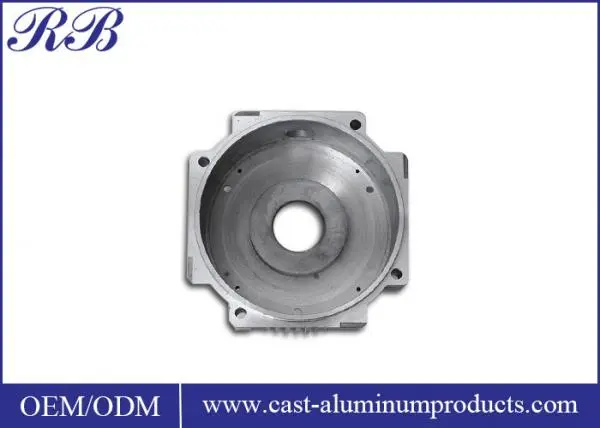
Aluminum gravity die casting is an advanced metal casting process that uses the force of gravity to pour molten aluminum into reused steel molds, creating parts with superior mechanical qualities and surface finishes. Combining the best features of both sand casting and high-pressure die casting, this permanent mold casting method achieves better results than sand casting while using less tooling than pressure-based alternatives. This method is perfect for medium-volume production in the automotive, military, and industrial industries because it produces components with low porosity, fine grain structure, and less finishing needs.
The strategic significance of knowing diverse casting techniques is being recognized by procurement managers more and more as the needs of global production continue to evolve. Component quality, delivery schedules, and overall project costs are all affected by the manufacturing process selection. To help you make educated sourcing choices, this article delves into the basics of aluminum gravity casting, including its competitive benefits, quality concerns, and supplier selection criteria.
Understanding Aluminium Gravity Die Casting
Gravity is used in aluminum gravity die casting to pour molten aluminum alloys into permanent steel molds. This process uses controlled pouring processes and gravity-driven flow patterns, as opposed to high-pressure procedures that push metal into holes under severe pressure. The procedure entails carefully pouring molten metal into the cavity after heating the die to the right temperatures and adding specific release coatings. The mold halves are then clamped down firmly.
The Complete Casting Process
To start the gravity casting process, the molds are cleaned and coated to make sure they won't stick and will eject smoothly. This is called die preparation. The ideal circumstances for metal flow and solidification are created when operators heat the steel dies to predefined temperatures, usually between 200 and 300°C. The two mold parts are clamped together to create a sealed compartment that is prepared for metal insertion after they are appropriately prepared.
Utilizing tilt-pouring methods to reduce air entrapment and turbulence, molten aluminum is introduced into the cavity via meticulously planned gating systems. When compared to turbulent filling procedures, the metallurgical characteristics produced by this controlled filling approach are better. As the metal cools, its grain shapes and density are developed as it cools from the outside in during solidification.
Material Characteristics and Alloy Selection
A356, A380, and A319 are three common aluminum alloys used in aluminium gravity die casting, each of which has its own set of desirable characteristics. The corrosion resistance and high strength-to-weight ratio of A356 make it a preferred choice for components in the automotive and aerospace industries. Complex shapes and thin-wall sections are made possible by the A380's exceptional fluidity during casting. Each application has its own unique set of mechanical needs, environmental factors, and processing concerns that go into material selection.
Advantages and Applications of Aluminium Gravity Die Casting
When it comes to medium-volume manufacturing, the gravity casting technique is very appealing due to its many advantages. Procurement teams may better assess if this approach fits project requirements and budget limits if they are aware of these benefits.
When compared to other production techniques, gravity die casting has the following primary benefits:
• The permanent mold structure guarantees constant part shape throughout production runs, which reduces machining needs and improves assembly fit. This leads to superior dimensional accuracy
•Advantages over sand casting include better mechanical qualities (such as strength, ductility, and fatigue resistance) because to the fine grain structures produced by controlled cooling rates
• Steel molds produce surfaces with such a high degree of smoothness that extra finishing procedures are often unnecessary, which significantly cuts down on production time and costs
•Environmental sustainability: Compared to disposable mold procedures, reusable molds decrease material usage and waste
•Affordable tooling: This method is suitable for medium-volume applications because to its lower initial tooling costs as compared to high-pressure die casting
Manufacturing efficiency and component performance are also enhanced by these benefits. Gravity casting is a great choice for many industrial applications because of its quality, affordability, and production flexibility.
Industrial Applications Across Sectors
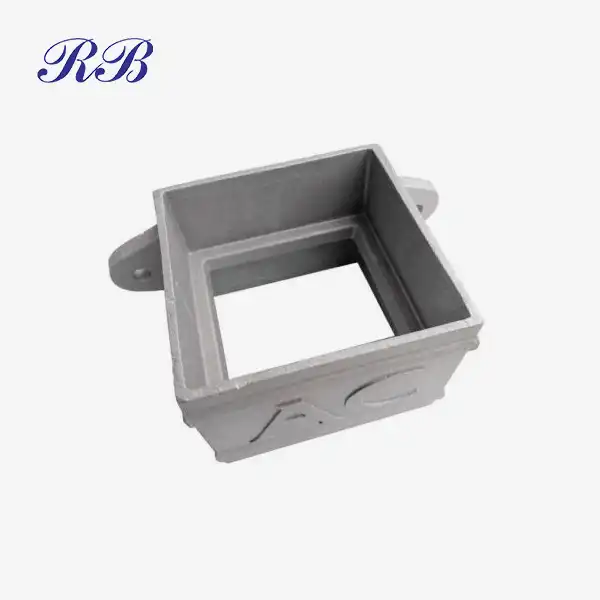
Gravity cast aluminum parts are widely used in the automotive industry for structural components, engine blocks, gearbox housings, and suspension components. Parts made using this technology are both affordable and up to the high standards required by the automobile industry. Wherever durability and light weight are critical, such as in military aircraft, vehicles, and equipment housings, they find use.
For pump housings, valve bodies, compressor components, and machinery frames, industrial equipment manufacturers depend on aluminium gravity die casting. This method works well with hydraulic and pneumatic systems because it accounts for their intricate mounting characteristics and internal channels. Durability and resistance to corrosion are of the utmost importance in the energy sector, which includes components of wind turbines, machinery for power production, and the oil industry.
Design and Quality Considerations in Aluminium Gravity Die Casting
Paying close attention to design considerations that improve component performance and manufacturability is crucial for successful gravity die casting projects. Procurement teams may work more efficiently with suppliers and set more reasonable requirements if they are aware of these aspects.
Design Optimization Principles
To ensure the safe ejection of parts during gravity casting, it is important to integrate appropriate draft angles, usually between one and three degrees. In order to avoid warping and residual stress concentrations, it is important for wall thickness to be consistent. While designing for cavity filling, designers must think about metal flow patterns and how to arrange gates and runners so that filling is smooth and turbulence-free.
Internal corner filter radii improve metal flow during casting and decrease stress concentrations. Points of failure and air trapping during filling may be caused by abrupt transitions, which can also contribute to porosity problems. Part quality and tooling complexity are both impacted by the location of the parting lines, therefore it's important to give this some thought during design.
Quality Control and Defect Prevention
Porousness, cold shuts, and dimensional irregularities are common casting faults that may affect the performance of components. Air trapped, insufficient ventilation, or poor pouring processes are the most common causes of porosity. When metal streams don't fuse correctly during cavity filling, it leaves completed components with weak spots—a phenomenon known as cold shuts.
Maintaining a constant temperature throughout the casting process is essential for ensuring high-quality results. Filling patterns, solidification temperatures, and mechanical qualities at the end are all impacted. Suppliers keep tabs on temperature fluctuations and ensure process stability between manufacturing runs by using thorough monitoring systems.

Choosing the Right Aluminium Gravity Die Casting Supplier
The success of a project is greatly affected by the supplier that is chosen. This decision affects the quality of the components and how well the project is delivered. In order to choose the best manufacturing partners, procurement experts must consider a wide range of criteria.
Certification and Capability Assessment
The dedication to systematic quality control is shown by leading suppliers that retain ISO 9001 quality management certifications. In order to guarantee conformity with automotive-specific standards, most suppliers in the industry possess IATF 16949 certificates. Assuring process control, documentation processes, and continuous improvement activities are the three main focuses of these certifications.
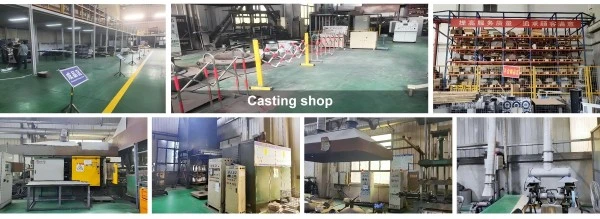
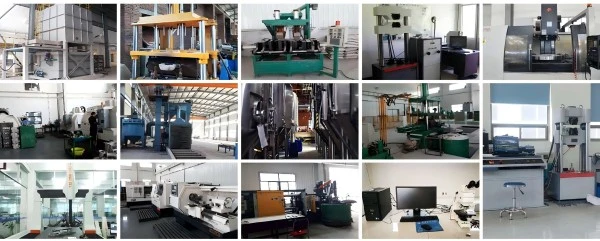
Capabilities in manufacturing include technical know-how, production capacity, and sophisticated machinery. When it comes to temperature regulation, part handling, and quality inspection, advanced suppliers use automated systems. Lead times and scalability are impacted by production capacity, which is especially crucial for projects that have the potential for volume increase.
Quality Assurance and Communication
Incorporating inspection of incoming materials, monitoring of processes, and verification of finished parts are all components of comprehensive quality systems. Providers have to provide comprehensive quality plans including inspection techniques, acceptance standards, and processes for remedial action. Internal quality verification is guaranteed by non-destructive testing capabilities, such as X-ray and ultrasonic inspection.
Project coordination and problem resolution are directly influenced by the efficacy of communication. Responsive technical support teams should be maintained by suppliers to handle design inquiries, process changes, and quality issues. Encouraging proactive problem-solving and fostering confidence via regular progress reporting and open communication.
Partner with Rongbao Enterprise for Superior Casting Solutions
Rongbao Enterprise delivers exceptional aluminium gravity die casting solutions backed by twenty years of manufacturing excellence and global market experience. Our comprehensive capabilities encompass design optimization, prototype development, and full-scale production, ensuring seamless project execution from concept to delivery. Contact our technical specialists at steve.zhou@263.net or zhouyi@rongbaocasting.com to discuss your specific requirements and discover how our expertise can enhance your component sourcing strategy.
Conclusion
Aluminium gravity die casting represents a proven manufacturing methodology that balances quality, cost-effectiveness, and production flexibility for medium-volume applications. Understanding the process fundamentals, design considerations, and supplier evaluation criteria enables procurement professionals to make strategic sourcing decisions that optimize component performance and project outcomes. The combination of superior mechanical properties, dimensional accuracy, and cost-competitive tooling makes this process particularly attractive for automotive, industrial, and defense applications. Success depends on selecting qualified suppliers with appropriate certifications, manufacturing capabilities, and quality systems aligned with project requirements.
FAQ
What are typical lead times for gravity cast aluminum components?
Standard lead times range from 4-8 weeks for production parts, depending on component complexity and order quantities. Initial prototype development typically requires 2-4 weeks, including mold preparation and sample production. Rush orders may be accommodated with expedited scheduling, though this could impact costs and require schedule coordination.
How does gravity casting compare cost-wise to other aluminum casting methods?
Gravity die casting offers competitive tooling costs compared to high-pressure alternatives while delivering superior quality versus sand casting. Initial mold investments typically range from $5,000-$25,000 depending on part complexity, significantly lower than pressure die casting tooling. Unit piece costs balance material efficiency with processing requirements, often providing optimal value for medium-volume applications.
What certifications should buyers require from gravity casting suppliers?
Essential certifications include ISO 9001 for quality management systems and industry-specific standards like IATF 16949 for automotive applications. Suppliers should maintain material certifications for aluminum alloys used in production, ensuring traceability and compliance with specifications. Additional certifications may be required for specific industries, such as AS9100 for aerospace applications or API certifications for oil and gas components.
References
1. Campbell, John. "Castings Practice: The 10 Rules of Castings." Butterworth-Heinemann, 2004.
2. American Foundry Society. "Aluminum Casting Technology Handbook." American Foundry Society Publications, 2018.
3. Bonollo, Franco, et al. "Gravity and Low-Pressure Die Casting of Aluminium Alloys: A Technical and Economic Analysis." Journal of Materials Processing Technology, 2005.
4. Kaufman, J. Gilbert. "Introduction to Aluminum Alloys and Tempers." ASM International, 2000.
5. Thin Wall Iron and Steel Castings Institute. "Permanent Mold Casting Guidelines and Best Practices." Technical Publication Series, 2019.
6. Mollard, Frank R. "Aluminum Gravity Permanent Mold Casting: Process Variables and Quality Control." Modern Casting Magazine, 2003.
Learn about our latest products and discounts through SMS or email