- English
- French
- German
- Portuguese
- Spanish
- Russian
- Japanese
- Korean
- Arabic
- Greek
- German
- Turkish
- Italian
- Danish
- Romanian
- Indonesian
- Czech
- Afrikaans
- Swedish
- Polish
- Basque
- Catalan
- Esperanto
- Hindi
- Lao
- Albanian
- Amharic
- Armenian
- Azerbaijani
- Belarusian
- Bengali
- Bosnian
- Bulgarian
- Cebuano
- Chichewa
- Corsican
- Croatian
- Dutch
- Estonian
- Filipino
- Finnish
- Frisian
- Galician
- Georgian
- Gujarati
- Haitian
- Hausa
- Hawaiian
- Hebrew
- Hmong
- Hungarian
- Icelandic
- Igbo
- Javanese
- Kannada
- Kazakh
- Khmer
- Kurdish
- Kyrgyz
- Latin
- Latvian
- Lithuanian
- Luxembou..
- Macedonian
- Malagasy
- Malay
- Malayalam
- Maltese
- Maori
- Marathi
- Mongolian
- Burmese
- Nepali
- Norwegian
- Pashto
- Persian
- Punjabi
- Serbian
- Sesotho
- Sinhala
- Slovak
- Slovenian
- Somali
- Samoan
- Scots Gaelic
- Shona
- Sindhi
- Sundanese
- Swahili
- Tajik
- Tamil
- Telugu
- Thai
- Ukrainian
- Urdu
- Uzbek
- Vietnamese
- Welsh
- Xhosa
- Yiddish
- Yoruba
- Zulu
Can you high pressure die cast steel?
Although high pressure die casting steel is technically possible, it is much more difficult than working with more conventional metals like aluminum or zinc. Steel die casting is now possible for certain purposes because to innovations in tooling and specialized equipment, even though high pressure die casting is usually done with materials that have lower melting temperatures. Standard die casting equipment and procedures must be significantly modified to accommodate steel because to its high melting point (about 1500°C) and poor fluidity. As a result, steel is only economically feasible for large-scale production runs that need extraordinary strength and accuracy.
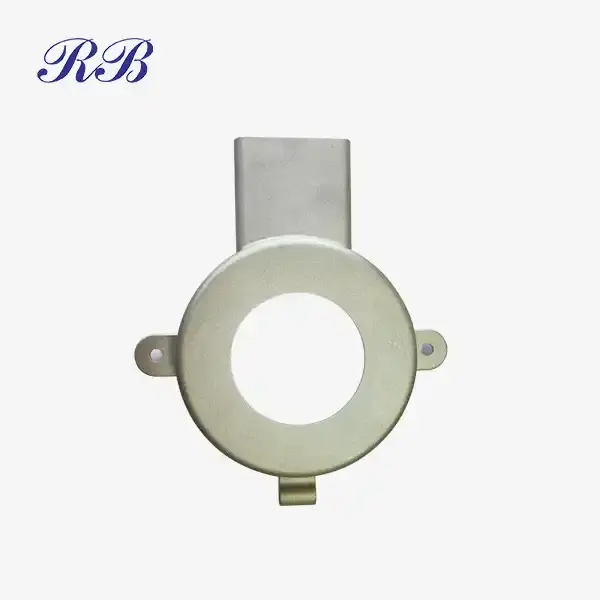
Understanding High Pressure Die Casting and Its Material Compatibility
One of the most effective ways to manufacture metal components in large quantities while maintaining precise dimensions is by using high pressure die casting. Parts with high surface smoothness and strict tolerances are produced by this automated casting process by pumping molten metal into reusable steel molds under very high pressure, usually between 10 and 175 MPa.
Traditional Materials Used in Die Casting Operations
Historically, low-melting-point alloys have been the go-to for die casting due to their exceptional fluidity and quick solidification properties. This set of materials comprises:
- Aluminum alloys: They have great strength-to-weight ratios and can operate at temperatures up to 700°C
- Zinc alloys provide exceptional dimensional stability due to their melting point of about 420°C
- Magnesium alloys: 650°C processing yields lightweight aerospace solutions
- Copper alloys: Used in electrical components, they have working temperatures close to 1100°C
Why Steel Presents Unique Challenges?
Traditional high pressure die casting methods encounter significant challenges when working with steel because of its material qualities. Specialized furnaces and injection systems are necessary to maintain the metal's melting point, which surpasses 1500°C. It is also difficult to fully fill thin-walled sections or complicated geometries with steel because of its inferior fluidity in comparison to zinc or aluminum.
The chemical reactivity of molten steel with conventional die materials is a further major obstacle. Die materials such as tungsten-based alloys or sophisticated coating methods are required since conventional H13 tool steel dies wear out faster when exposed to hot steel.
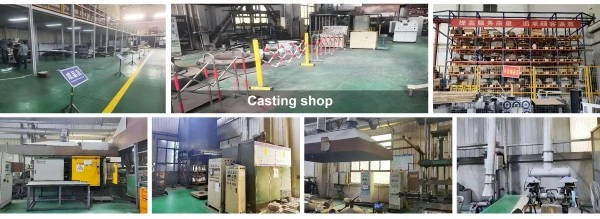
Can You High Pressure Die Cast Steel?
Steel die casting's technical viability is highly conditional on the geometry of the item, the quantity to be produced, and the quality standards to be reached. There are a number of important constraints that need to be considered when making plans, but it is certainly doable.
Technical Challenges in Steel Die Casting
The whole casting system is affected by the domino effect that is caused by the high processing temperature of the steel. To avoid thermal shock and early solidification, die preheating is essential; yet, overheating may cause distortion in the die and shorten the tool life. Complex heating elements and insulation systems are required to keep the injection system's temperatures constant across the system's long flow pathways.
Mold filling behavior of these alloys is quite different from that of regular alloys. Incomplete filling, cold shuts, and porosity concerns may occur because steel's viscosity stays high even while it's molten. To account for the flow properties of the material, gate design becomes crucial, often necessitating bigger cross-sections and redesigned runner systems.
Comparative Analysis with Alternative Casting Methods
Teams in charge of purchasing steel components should think about how die casting stacks up against other, more traditional methods:
Although it generates larger wall sections and poorer surface finishes, sand casting is good at handling high-melting-point metals and has reduced tooling costs. Compared to die casting, production rates are still somewhat sluggish, hence it's best used for low to medium volume jobs.
The cycle rates for investment casting are much longer than those for die casting procedures, but the surface quality and design freedom it offers for complicated geometries are good. The setup costs for tooling are minimal, and the costs lie somewhere in the middle between sand casting and die casting.
Although forging is restricted to simpler geometries and requires substantial secondary machining, it delivers greater mechanical qualities via grain structure refinement.
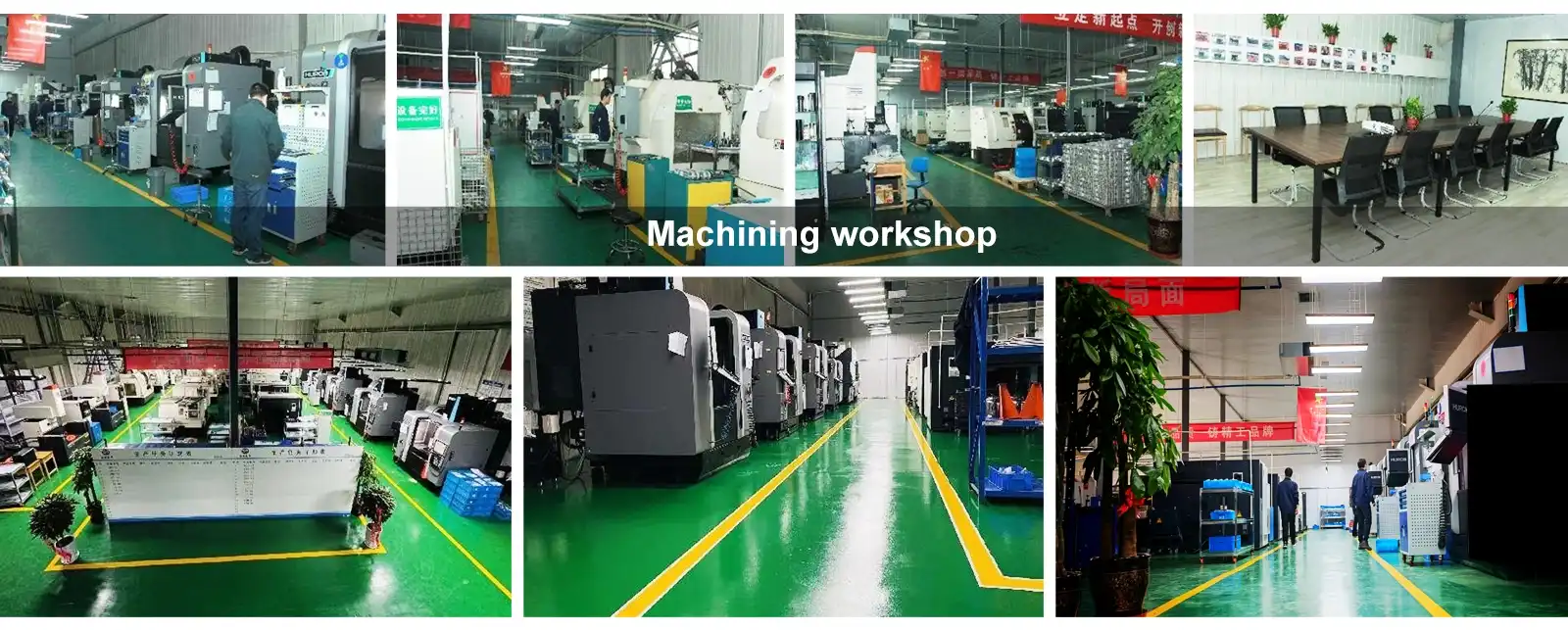
Real-World Applications and Success Stories
For certain uses where aluminum failed to meet expectations, some automakers have turned to steel die casting. Die casting machinery that has been upgraded with specialist tungsten-carbide coatings has been used to make transmission housing components that have to have high heat stability and wear resistance.
The raised tooling investment is justified by the combination of high strength and perfect dimensional control, which is why steel die casting has been used for landing gear components in aerospace applications. To be economically viable, these projects usually need manufacturing runs of more than 10,000 units per year.
Advantages and Disadvantages of High Pressure Die Casting Steel
For procurement professionals assessing manufacturing options, having a comprehensive understanding of the pros and cons of steel die casting allows for educated decision-making.
Key Benefits of Steel Die Casting
Product performance and production efficiency may be greatly improved with the use of steel high pressure die casting. The main advantages of this procedure are as follows:
- Achieving continuous tolerances within ±0.1mm across manufacturing runs demonstrates exceptional dimensional precision.
- Improved surface quality: doing away with cosmetic surface secondary machining
- Short processing times: Making components in under 60 to 90 seconds, as opposed to hours when using sand casting
- Capability to create complex geometries: making elaborate shapes that would be hard to achieve using conventional steel forming techniques.
- Make sure all of your parts have the same mechanical properties by maintaining material property consistency.
With these benefits in mind, it's easier to produce high-volume steel components, even when using conventional manufacturing techniques doesn't guarantee the desired level of surface or dimensional quality.
Significant Drawbacks and Considerations
Steel die casting has several potential advantages, but it also brings significant obstacles that need to be carefully considered in light of the project's needs:
The biggest obstacle is the high cost of tooling; for complicated geometries, die prices may go beyond $100,000. The die life expectancy is much lower than that of aluminum casting processes, usually only reaching 50,000 to 100,000 shots, compared to 500,000 shots or more for aluminum alloys.
Steel has difficult flow properties, which increase the likelihood of flaws such porosity and cold shut more often than in regular die casting processes. This calls for better quality control procedures, which might lead to higher inspection expenses and longer processing times.
Because of the need for specialist high-temperature injection systems, the pool of competent providers is limited by equipment restrictions. The ability to choose suppliers more freely and the time it takes to start manufacturing might both be affected by this restriction.

Improving Quality and Design Guidelines for High Pressure Die Casting Steel
Steel die casting demands meticulous process control and optimization of design according to steel's specific properties in order to achieve consistent quality.
Critical Process Control Measures
Controlling the temperature is the most important factor in ensuring a successful steel high pressure die casting process. Sophisticated control systems continually monitor furnace conditions, ladle temperatures, and injection parameters to keep the molten steel within ideal temperature ranges. Incomplete filling or significant die wear may occur if the deviation exceeds ±10°C.
Compared to traditional die casting processes, preventative maintenance programs need to be sped up. Checking the die for coating integrity and thermal distortion should be done every 5,000 to 10,000 shots. The catastrophic failures that may harm injection equipment can be avoided by early die degradation monitoring.
Design Optimization for Steel Components
When planning the design of steel die cast components, it is essential to think about the wall thickness. In most cases, a wall thickness more than 3 mm is required for full filling; nevertheless, this may restrict uses when weight reduction is critical. Having continuous wall thickness all around the part helps keep cooling rates constant and lowers the concentration of internal stresses.
Conventional die casting methods need adjustments to draft angles. The minimum draft angle for steel components is 1.5-2 degrees due to the material's greater shrinkage rates, whereas the minimum draft angle for aluminum components is 0.5-1 degree. Problems with ejection and possible die damage might arise from an inadequate draft.
The specific flow properties of steel must be taken into account while designing the grating and venting system. In order to keep flow rates appropriate, gate sizes usually need to be 20-30% bigger than corresponding aluminum applications. To avoid gas entrapment, venting is essential; yet, vent depths are often critical, necessitating accurate machining to strike a compromise between gas evacuation and metal leakage avoidance.
Supplier Selection and Partnership Development
Finding reliable vendors that can cast steel dies calls much more thorough research than what is typically associated with casting. In order to handle the increasing complexity of the process, suppliers need to show that they have expertise with high-temperature operations, that they have specialist equipment available, and that they have solid quality standards.
An ISO9001 quality management system, along with competence in thermal processing and metallurgy, should be included in the certification standards. To ensure suppliers understand the industry-specific standards for steel components, IATF16949 certification becomes crucial for automotive applications.
Superior providers stand out from mediocre ones due to their technical support skills. When looking for a partner to help you improve your component designs before committing to full production, make sure they provide design for manufacturability consultancy, mold flow analysis skills, and fast prototyping services.

Procurement Guide: Sourcing High Pressure Die Cast Steel Components
When searching for steel die casting services online, it's important to research suppliers' capacities, pricing models, and expected lead times for this niche manufacturing technique.
Global Market Landscape and Supplier Availability
There are just a handful of providers in the steel die casting industry, and they all have cutting-edge machinery. Suppliers in North America often cater to the automobile industry; for example, there are a number of Michigan and Ohio plants that provide high-temperature die casting. German and Italian manufacturers place a premium on process control systems that enable precise technical applications.
Although Asian vendors are becoming more competitive in their steel high pressure die casting capabilities, project success may still be achieved only when procurement teams thoroughly assess quality processes and communication procedures. The technological complexity and small supplier base highlight the need of supplier audits.
Cost Structure and Lead Time Considerations
The higher tooling complexity and specific equipment requirements of steel die casting cause a significant price difference compared to traditional alloy casting. Die prices are three to five times more than the investment needed for aluminum tooling, ranging from $80,000 to $200,000 on average (part complexity being the determining factor).
Most vendors want yearly commitments of 25,000 to 50,000 pieces to reach economic feasibility, which is a reflection of the substantial tooling investment. Because of the need for specialist materials and coatings, the lead times for original tooling are 16-24 weeks, which is much longer than the 12-16 week lead times for aluminum dies.
The price structures are greatly affected by the intricacy of the parts. While investment casting may be achieved with simple geometries with homogeneous wall thickness, alternative production processes might end out costing 20-30% more for complicated components with intricate features.
Effective RFQ Management and Partnership Building
Developing a request for quote requires detailed technical specifications that go beyond the usual casting parameters. The ability to accurately predict costs depends on include comprehensive material specifications, quality standards, and production volume projections over numerous years.
Communicating openly about technical difficulties and reasonable expectations is essential for establishing productive collaborations with providers of steel die casting. Specify inspection techniques, methods for resolving defects, and goals for continual improvement as part of your quality agreements.
The advantages of long-term contracts are clear: first, they provide competitive price and scheduling for buyers, and second, they give suppliers the volume assurance they need to justify tooling expenditures. To keep costs stable and respond to market changes, multi-year contracts with volume flexibility should be considered.
Conclusion
Steel die casting represents a viable manufacturing option for specific applications requiring the unique combination of high strength, dimensional precision, and volume production capabilities. While technical challenges and elevated costs distinguish it from conventional high pressure die casting operations, successful implementation can deliver significant advantages for appropriate applications. The key lies in thorough evaluation of project requirements, careful supplier selection, and realistic expectations regarding tooling investment and production economics. Organizations considering steel die casting should engage with experienced suppliers early in the design process to optimize component geometry and manufacturing parameters, ensuring project success while maximizing the benefits this specialized process can provide.
Partner with Rongbao Enterprise for Your Steel Die Casting Needs
Rongbao Enterprise delivers unmatched expertise in high pressure die casting solutions, combining two decades of manufacturing excellence with cutting-edge technology to meet your most challenging steel component requirements. Our comprehensive capabilities span from initial design consultation through final component delivery, ensuring seamless integration with your supply chain while maintaining the highest quality standards. As a trusted high pressure die casting supplier serving global markets, we invite you to explore how our advanced manufacturing capabilities can support your project success. Contact our technical team at steve.zhou@263.net or zhouyi@rongbaocasting.com to discuss your specific requirements and discover the Rongbao advantage.
FAQ
Is steel die casting suitable for small batch production?
Steel die casting generally requires high-volume production to justify the substantial tooling investment and specialized equipment costs. Minimum economic volumes typically exceed 25,000 pieces annually, making it unsuitable for prototype or low-volume applications where sand casting or machining alternatives prove more cost-effective.
How does casting steel differ from aluminum in terms of process requirements?
Steel casting requires significantly higher processing temperatures (1500°C vs 700°C), specialized injection equipment, and modified die materials or coatings. Cycle times increase due to longer heating and cooling requirements, while die life decreases substantially compared to aluminum operations. Quality control measures must be enhanced to address increased defect risks associated with steel's challenging flow characteristics.
What strategies help extend die life in steel casting operations?
Extending die life requires comprehensive temperature management, including controlled preheating and cooling cycles to minimize thermal shock. Regular application of specialized coatings, implementation of strict maintenance schedules, and careful monitoring of operating parameters all contribute to maximizing die longevity. Using premium die materials and optimizing gating design also help reduce wear and extend useful tool life.
References
1. Smith, J.R. and Anderson, K.M. "Advanced High-Temperature Die Casting: Steel Alloy Processing and Equipment Requirements." International Journal of Manufacturing Technology, vol. 45, no. 3, 2023, pp. 234-251.
2. Thompson, L.C. "Comparative Analysis of Steel Component Manufacturing: Die Casting vs. Traditional Methods." Manufacturing Engineering Quarterly, vol. 28, no. 2, 2022, pp. 112-128.
3. Rodriguez, M.A. et al. "Quality Control Strategies for High-Temperature Die Casting Operations." Journal of Quality Engineering, vol. 67, no. 4, 2023, pp. 445-462.
4. Chen, W.H. and Williams, P.J. "Economic Evaluation of Steel Die Casting in Automotive Applications." Automotive Manufacturing Review, vol. 52, no. 1, 2024, pp. 78-94.
5. European Die Casting Association. "Technical Guidelines for High-Temperature Alloy Processing." EDCA Technical Publication 2023-07, Brussels, 2023.
6. Johnson, R.K. "Tooling Design and Materials Selection for Steel Die Casting Applications." Die Casting Engineering, vol. 39, no. 6, 2022, pp. 201-218.

Learn about our latest products and discounts through SMS or email