- English
- French
- German
- Portuguese
- Spanish
- Russian
- Japanese
- Korean
- Arabic
- Greek
- German
- Turkish
- Italian
- Danish
- Romanian
- Indonesian
- Czech
- Afrikaans
- Swedish
- Polish
- Basque
- Catalan
- Esperanto
- Hindi
- Lao
- Albanian
- Amharic
- Armenian
- Azerbaijani
- Belarusian
- Bengali
- Bosnian
- Bulgarian
- Cebuano
- Chichewa
- Corsican
- Croatian
- Dutch
- Estonian
- Filipino
- Finnish
- Frisian
- Galician
- Georgian
- Gujarati
- Haitian
- Hausa
- Hawaiian
- Hebrew
- Hmong
- Hungarian
- Icelandic
- Igbo
- Javanese
- Kannada
- Kazakh
- Khmer
- Kurdish
- Kyrgyz
- Latin
- Latvian
- Lithuanian
- Luxembou..
- Macedonian
- Malagasy
- Malay
- Malayalam
- Maltese
- Maori
- Marathi
- Mongolian
- Burmese
- Nepali
- Norwegian
- Pashto
- Persian
- Punjabi
- Serbian
- Sesotho
- Sinhala
- Slovak
- Slovenian
- Somali
- Samoan
- Scots Gaelic
- Shona
- Sindhi
- Sundanese
- Swahili
- Tajik
- Tamil
- Telugu
- Thai
- Ukrainian
- Urdu
- Uzbek
- Vietnamese
- Welsh
- Xhosa
- Yiddish
- Yoruba
- Zulu
What is gearbox housing?
A gearbox housing is the structural outer casing that encloses and protects the internal components of a gearbox assembly,including gears, shafts, and bearings. Think of it as the skeleton of the entire drive system. It provides mechanical support, keeps components aligned under dynamic loads, contains the lubricant that bathes moving parts, and shields internals from dust, moisture, and impact. Choosing the right product directly influences how reliably your equipment performs, how long it lasts, and how easily it integrates into your assembly line.
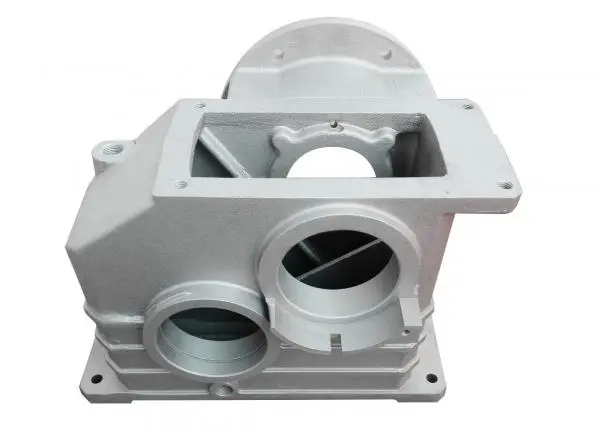
Gearbox Housing: Definition and Core Functions
The gearbox housing does a lot more than just hold the parts together. Its technical purpose includes four functions that work together to determine the durability of the drivetrain.
Structural support and alignment: The housing creates a rigid framework that precisely places the gears and shafts. Even a small error under load speeds up wear and creates heat, so it is essential that dimensions are correct during production.
Lubrication containment: A steady oil bath is needed for the moving parts inside. The housing creates a protected container that holds the lubricant, stopping any leaks and keeping the pressure-tight seal throughout operation.
Thermal management: Friction in the gear mesh creates heat that needs to be removed quickly. The shape of the housing and the material's ability to carry electricity directly affect keeping working temperatures within the limits set by the manufacturer. This makes the parts last longer.
Environmental protection: Pollutants like water, fine particles, and industrial waste speed up the wear and tear on bearings and gears. A well-designed gearbox housing is the first line of defense, which lowers the risk of unplanned downtime and the cost of upkeep.
These four processes don't work on their own. Even if the housing is very strong but not very good at getting rid of heat, the gearbox will still wear out faster. When selecting parts, procurement engineers have to look at all four.
Materials and Design Principles of Gearbox Housing
Selecting the right materials is where performance needs and output costs meet. These are the three materials that are most often used in industry:
- Cast iron is the usual material for big, fixed industrial gears because it is very good at reducing vibration and can be easily machined. But because it is dense, it adds a lot of mass to the assembly.
- Steel has a higher tensile strength and works well in heavy-duty, high-torque settings where resistance to structural wear is the most important thing.
- Aluminum alloy, especially grades like A380, has a high strength-to-weight ratio, good thermal conductivity, and natural resistance to corrosion. It is now the most common material used in fire pump gearbox housings and other places where weight and heat control are important.
Beyond the material, design concepts are just as important. How the housing handles repeated mechanical stress is determined by the patterns of the ribs that support the walls, how thick the walls are, and the shape of the ports. Because it can handle complicated internal shapes and big section thicknesses, sand casting is perfect for housings that weigh more than 10 kg, where die casting tooling costs are too high to be practical. Then, key mating surfaces are fine-tuned using CNC cutting to very close tolerances. This makes sure that the bolt patterns, bearing seats, and fluid ports exactly meet the requirements for assembly.
Combining sand casting and CNC finishing is not a tradeoff; it is a well-thought-out solution that strikes a balance between geometric complexity, accuracy in dimensions, and cost per unit at a large production level.
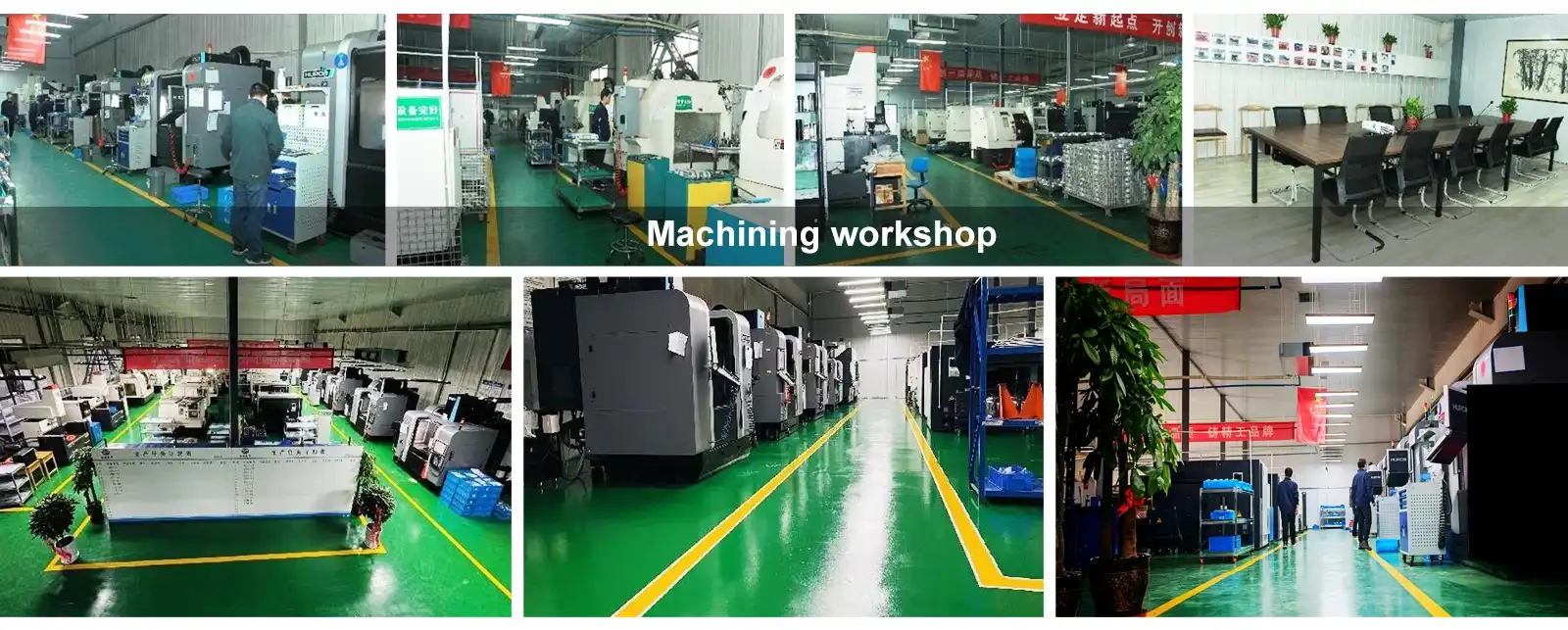
Comparing Gearbox Housing Options: Making the Right Choice
Instead of picking the heaviest or cheapest option, choosing the right gearbox housing means matching the properties of the material to the conditions under which it will be used.
Cast iron housings are still useful for industrial machines that stay in one place, don't have to be light, and need to reduce vibrations. Peak torque is handled by steel housings in mining and building equipment that needs to keep structural gaps as small as possible.
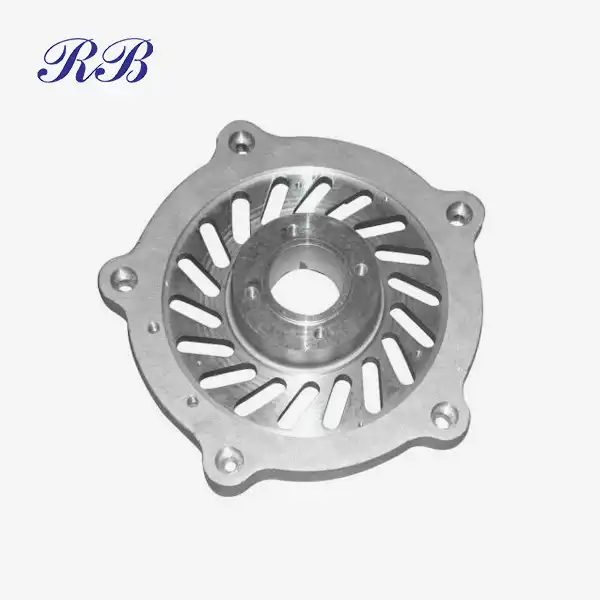
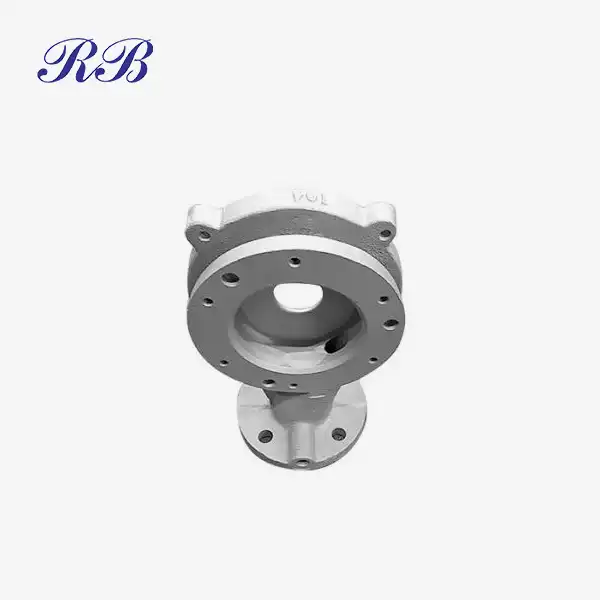
Fire suppression systems, car powertrains, and equipment for moving fluids are all using aluminum housings more and more. The fire pump gearbox housing in Rongbao is made of A380 aluminum alloy, which has a tensile strength of about 324 MPa and a density about one-third that of steel. At 14.8 kg, the housing makes the structure stronger while also lowering the weight of the whole pump assembly. This is especially helpful during installation and maintenance in the field.
Shot blasting gets rid of any leftover sand, scales, and micro-burrs on the surface after casting and machining. It also makes the surface shape more even, which helps paint or coating stick better and lasts longer in wet places like fire pump sites where corrosion is common.
Procurement managers should ask for material certificates, dimensional inspection reports, and internal defect rate data from providers when they are analyzing them. For important hydraulic parts, a failure rate below 2% is a good goal, especially for porosity and shrinkage gaps.
Procurement Guide: How to Source a Reliable Gearbox Housing Supplier
It takes more than comparing unit prices to find a reliable gearbox housing manufacturer. The supplier evaluation matrix looks at how consistent the quality is across batches, how well the tools work, and whether or not the supplier has the right certifications.
Certifications give you a baseline that you can check. Rongbao Enterprise has three certifications: ISO 9001:2015, ISO 14001, and ISO 45001. These three systems work together to meet most foreign and Chinese state standards for procurement compliance. Supplier certification paperwork is often checked for fire pump makers who want to get national approval on finished assemblies.
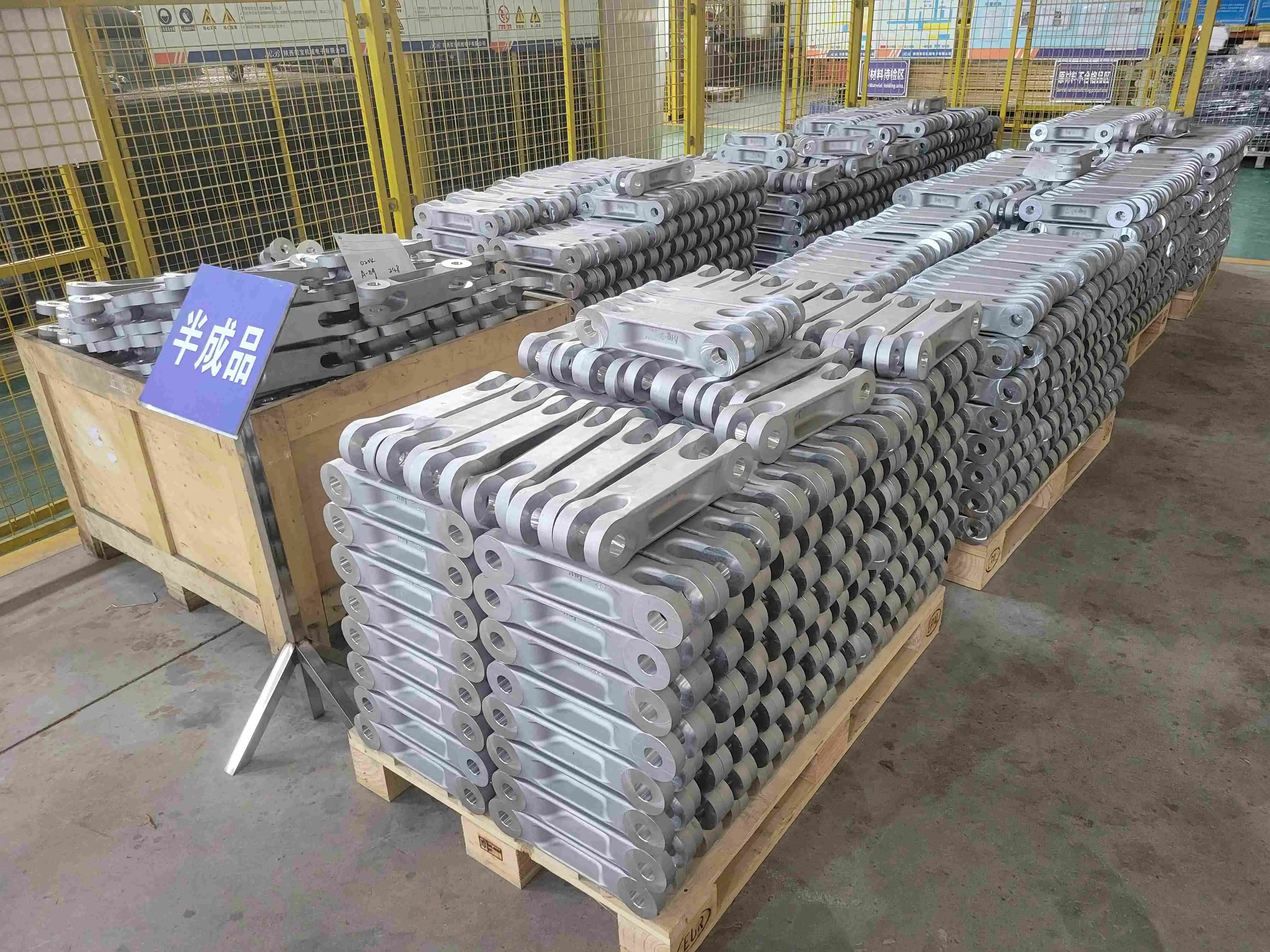
How quickly a supplier can go from customer drawings to tested samples depends on how well they can do OEM and ODM. Rongbao can make this fire pump gearbox housing to your exact specs, and they can make up to 5,000 of them in a batch. Large castings are protected by wooden boxes, since parts weighing 14.8 kg can get damaged in transit without proper crating. This shows that the seller understands how processes work in the real world.
When comparing gearbox housing suppliers, these are the main things you should look at:
- Process coverage — Does the provider do the sand casting, CNC machining, and surface treatment all in-house, or does a partner do each step?
- Dimensional consistency — What SPC controls or CMM checking processes does the supplier use to make sure that each batch of products is the same?
- Lead time reliability — Does the quoted delivery schedule come from production plan data or an understanding of how much capacity is available?
- Customization depth — Can the supplier make changes based on drawings, or can they only do it with catalog items?
These factors together decide if a relationship with a supplier can grow from the approval of the first item to steady monthly amounts. Rongbao has been making things for 20 years and sends 70% of its goods to markets in Europe, the United States, and Japan. This shows that it has the process control that high-volume B2B buying needs.
Maintenance, Common Issues, and Best Practices
To reach the end of its useful life, even a well-made gearbox housing needs planned maintenance. Most of the time, the most common types of loss can be predicted and avoided.
Cracks usually start in places where there is a lot of stress, like sharp internal corners, thin wall sections near mounting bosses, or places where the temperature changes quickly and slowly. Cracks on the surface can be seen regularly during planned breaks, which stops them before they go all the way through the wall.
Corrosion speeds up where protective layers have been worn away or where metals that are not the same form galvanic couples. In saltwater or chemical environments, aluminum housings are especially likely to rust on machined surfaces that have not been coated. Countermeasures that can be used include keeping surface treatments intact and using suitable sealants on joining faces.
Failures in lubrication are still the main cause of early internal wear. Whether the lubricant level stays the same between service intervals depends on how well the housing seals work. By checking the sealing faces and gaskets after every maintenance cycle, you can stop the slow loss of lubricant that you don't notice until the bearing temperature goes through the roof.
Regular visual checks, lubricant analysis, and torque checks on bolts are all part of proactive maintenance programs that cut down on unexpected downtime and greatly increase the time between house service intervals.
Conclusion
The choice of gearbox housing affects all the other factors that affect how reliable the equipment is, from the limits for assembly to the time between repair visits in the field. Sand casting, CNC cutting, shot blasting, and A380 aluminum alloy are all tried-and-true ways to make tough parts. A good specification can be turned into reliable production results by making sure that certifications are followed, batches are consistent, and suppliers are open and honest.
FAQ
What material is best for a fire pump gearbox housing?
Fire pump gearbox housings are often made of the A380 aluminum alloy. It has a good strength-to-weight ratio, transfers heat well, and resists rust well enough. Cast iron or steel may be better for industrial gears that need to handle a lot of torque or big loads.
How long does it take to produce a custom gearbox housing?
Different types of orders have different lead times. From the confirmation of the drawing to the delivery of the first item, sand-cast housings with CNC machining usually take 4 to 8 weeks, depending on the status of the tools and the production schedule.
What certifications should a gearbox housing supplier hold?
ISO 9001:2015 is about managing quality, ISO 14001 is about managing the environment, and ISO 45001 is about managing health and safety at work. All three of these licenses meet most of the rules for foreign purchasing.
When should a damaged housing be replaced rather than repaired?
If there are structural cracks going through wall sections, a lot of holes near pressure-bearing ports, or physical changes that are too big or too small, the whole thing needs to be replaced. Most of the time, focused repair and recoating can fix surface rust or small seal damage.
What is the typical defect rate for cast gearbox housings?
Precision cast housings used in hydraulic or pressure applications are thought to have an internal defect rate of less than 2%, which can be checked using X-rays and pressure tests, among other methods.
Partner With Rongbao Enterprise for Your Next Gearbox Housing Order
Rongbao Enterprise is certified by ISO 9001:2015, ISO 14001, and ISO 45001 and can make all parts of a gearbox housing. This includes sand casting, CNC machining, shot blasting, and export packing in wooden boxes. We offer OEM and ODM customization for fire pump and industrial equipment makers. We have 20 years of experience and can make 5,000 pieces per run. Feel free to email or visit rongbaocasting.com to get a price from our team at steve.zhou@263.net or zhouyi@rongbaocasting.com.
References
- Shigley, J. E., & Mischke, C. R. — Mechanical Engineering Design, McGraw-Hill, 2001.
- ASM International — ASM Handbook, Volume 15: Casting, ASM International, 2008.
- Budynas, R. G., & Nisbett, J. K. — Shigley's Mechanical Engineering Design, McGraw-Hill, 2020.
- International Organization for Standardization — ISO 9001:2015 Quality Management Systems, ISO, 2015.
- Groover, M. P. — Fundamentals of Modern Manufacturing, John Wiley & Sons, 2019.
- Campbell, J. — Complete Casting Handbook: Metal Casting Processes, Metallurgy, Techniques and Design, Butterworth-Heinemann, 2015.
Learn about our latest products and discounts through SMS or email