- English
- French
- German
- Portuguese
- Spanish
- Russian
- Japanese
- Korean
- Arabic
- Greek
- German
- Turkish
- Italian
- Danish
- Romanian
- Indonesian
- Czech
- Afrikaans
- Swedish
- Polish
- Basque
- Catalan
- Esperanto
- Hindi
- Lao
- Albanian
- Amharic
- Armenian
- Azerbaijani
- Belarusian
- Bengali
- Bosnian
- Bulgarian
- Cebuano
- Chichewa
- Corsican
- Croatian
- Dutch
- Estonian
- Filipino
- Finnish
- Frisian
- Galician
- Georgian
- Gujarati
- Haitian
- Hausa
- Hawaiian
- Hebrew
- Hmong
- Hungarian
- Icelandic
- Igbo
- Javanese
- Kannada
- Kazakh
- Khmer
- Kurdish
- Kyrgyz
- Latin
- Latvian
- Lithuanian
- Luxembou..
- Macedonian
- Malagasy
- Malay
- Malayalam
- Maltese
- Maori
- Marathi
- Mongolian
- Burmese
- Nepali
- Norwegian
- Pashto
- Persian
- Punjabi
- Serbian
- Sesotho
- Sinhala
- Slovak
- Slovenian
- Somali
- Samoan
- Scots Gaelic
- Shona
- Sindhi
- Sundanese
- Swahili
- Tajik
- Tamil
- Telugu
- Thai
- Ukrainian
- Urdu
- Uzbek
- Vietnamese
- Welsh
- Xhosa
- Yiddish
- Yoruba
- Zulu
What is casting fixed connector used for?
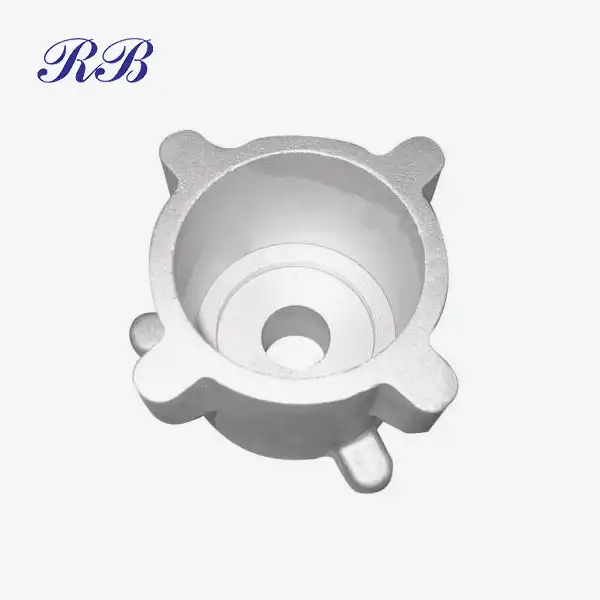
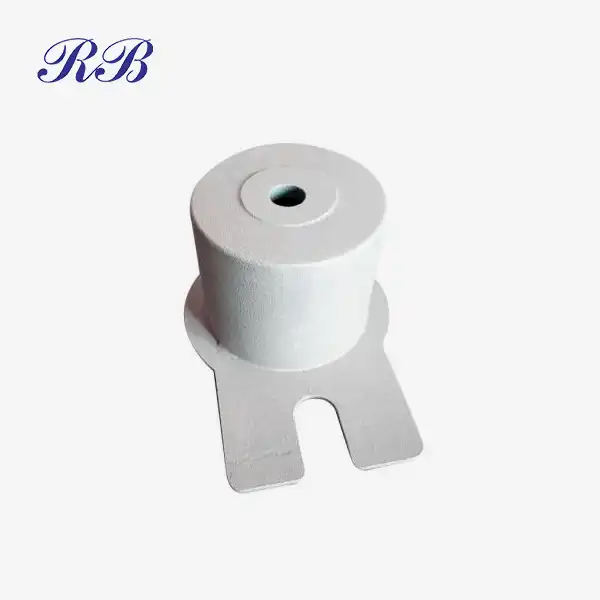
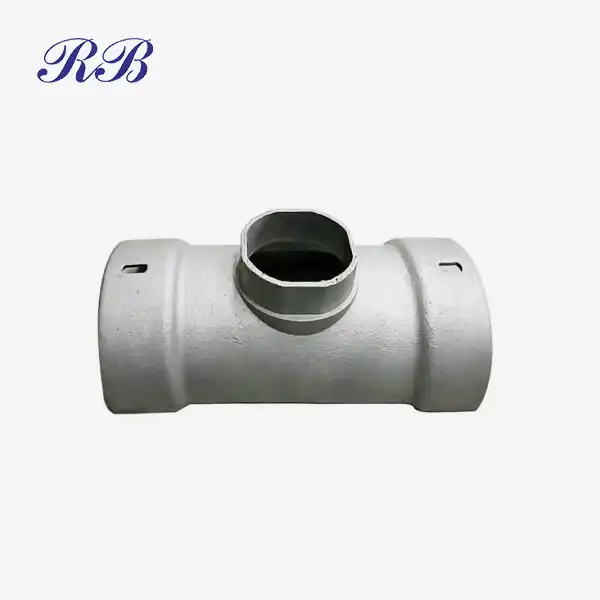
A casting fixed connector is a structural part that is carefully designed and made using advanced metal casting techniques to connect parts securely and permanently in industrial systems. These heavy-duty connectors are important parts of both infrastructure and industrial systems because they provide secure connections that can handle big loads, vibrations, and environmental stress. Casting fixed connectors are made from high-quality materials like ZL101A aluminum alloy through gravity casting and finished with CNC machining. They are durable and accurate in size, making them perfect for a wide range of uses in the automotive, construction, energy, and aerospace industries, from three-way pipe connections to complex equipment assemblies.
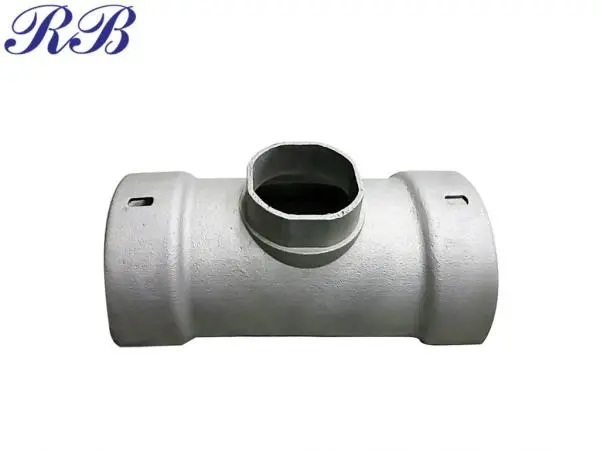
Key Applications and Benefits of Casting Fixed Connectors
Industrial Applications Across Sectors
Casting-made three-way pipe connectors are very important for hydraulic systems, networks that distribute compressed air, and installations that move fluids around in factories and heavy machinery. These links move hydraulic oil between pumps, valves, and motors in construction equipment like excavators and loaders. They keep the system pressure stable even though the equipment is always moving and vibrating.
In cars, casting fixed connectors are used for things like coolant distribution pipes, links for recirculating exhaust gas and structural brackets that have to withstand both mechanical loads and changes in temperature. Because specs can be changed, connectors can be made to work best with certain car platforms, taking into account space limitations while still meeting performance standards. Casting fixed connectors are used in wind turbine hydraulic pitch control systems in the energy sector, where reliability has a direct impact on how much power is generated and how much it costs to maintain.
The highest performance standards are needed for aerospace applications. Lightweight aluminum casting fixed connectors keep the weight of an aeroplane down while providing strong connections for fluid systems, control cables, and structural parts. When you combine the freedom of design that comes from casting with the accuracy of CNC machining, you get parts that meet the strict standards for flight approval.
Advantages Over Alternative Joining Methods
Casting fixed connectors are more consistent than welded assemblies. When you weld, you create heat-affected zones that change the properties of the material and may leave behind stress that can lead to warping or a shorter fatigue life. When a part is cast, the microstructure is the same all the way through. The mechanical properties are checked by testing samples from each production batch that are representative of the whole batch.
Bolted flanges and other mechanical fasteners take longer to install and add more ways for fluids to leak. A cast three-way connector combines what would normally be three separate pipe ends, a junction block, and several gaskets into a single precise part. This makes things easier to put together, gets rid of possible leak points, and lowers the general weight of the system. These are all big benefits when you think about how many connections there are in a complicated machine.
It's not strong enough to hold loads for structural uses, and adhesive bonding doesn't handle temperatures very well. For example, casting fixed connectors can handle both tension and compressive loads and stay strong over a wide range of temperatures.
Enhancing Safety and Reliability
In situations where a failed casting fixed connector could cause dangerous fluid to leak, machine control to be lost, or infrastructure to fall down, structural integrity has a direct effect on safety. Because cast connections are one solid piece, they don't have any failure modes related to fasteners coming loose or welds breaking. Because the materials are all the same and there are no internal gaps, stress peaks can be predicted and managed with good design.
Resistance to environmental factors keeps performance high and extends service life. Using shot blasting to treat the surface of a casting gets rid of surface flaws and oxidation, making it perfect for protective coatings in harsh environments. Aluminum alloys naturally don't rust, so they're safe even in exposed installations. Also, because they don't react to magnetic fields, these casting fixed connectors can be used near electrical equipment or in places that are sensitive to electromagnetic fields.
Installation Guide and Common Challenges
Pre-Installation Preparation and Procedures
The first step in a proper installation is to compare the casting fixed connector specifications to its engineering drawings and make sure that the delivered parts match the quantities and configurations that were ordered. Check the casting surfaces for damage that might have happened during shipping. Also, look for debris in the threaded joints that could stop them from closing properly or cause galling during assembly. Even though wooden boxes are a strong way to protect things, accidents can happen when they are being handled. Finding damage before installation stops problems in the field.
Use the right solvents to clean the mating surfaces and get rid of any preservative coatings, dirt, or oxidation that might get in the way of sealing or torque transfer. Depending on the design and use, threaded ports may need thread sealant or gaskets. Check the installation instructions to find out which method of sealing is best. Before putting the parts together, lubricate the threads to make sure that the correct torque values translate into the right gripping force and aren't wasted on fighting friction.
When you place the casting fixed connector, pay attention to any orientation markings or asymmetrical features that help you make sure it is lined up correctly. In three-way setups, the names of the inlets and outlets must match the flow lines in the system. Before using torque tools, you should first hand-thread the fasteners to make sure they are properly engaged. Cross-tighten several fasteners in small steps instead of fully tightening each one at a time. This will help spread the load evenly and keep flanged connections from warping.
Addressing Common Installation Issues
Misalignment is the most common problem during installation, especially in retrofit situations where the current pipes or mounting places are of different sizes. Find out what caused the misalignment—incorrect casting fixed connector orientation, a buildup of tolerances, or base movement—before you try to fix it. Shims, adjustable mounting clamps or flexible connections can fix small alignment problems without having to change the cast parts in the field.
Material fatigue doesn't usually show up during the initial fitting process, but it can be a problem in high-cycle situations. Isolators that lower stress cycling are helpful for mounting places that are likely to be shaken. When there is thermal cycle, parts should be able to expand and shrink by having enough support space and room to move, rather than being tightly held together.
To stop corrosion during installation, the surface must be properly prepared and protective coatings must be applied at the right time, if required. When two different metals touch each other in an electrolyte, galvanic corrosion happens. To stop this from happening, use non-conductive gaskets or coatings to separate aluminum casting fixed connectors from steel structures. Material compatibility needs to be carefully considered in marine and chemical plant installations.
Maintenance and Lifecycle Management
How often you inspect depends on how bad the application is and where it is being used. Visual checks should be done every three months on critical systems to look for corrosion, cracks, or loose fasteners. For moderate-duty systems, inspections may be done once a year or twice a year instead. Keep track of trends over time and write down what was found during inspections. Gradual wear and tear patterns allow replacements to be made before they fail.
After-sales support from suppliers is very helpful for fixing problems and making things work better. When buying a casting fixed connector, you should know exactly what the warranty covers, how long it lasts, what kinds of failure are covered, and how to file a claim. Suppliers with helpful technical support teams can quickly figure out what's wrong in the field, which cuts down on downtime when issues do happen. When you work with dependable providers, you form partnerships instead of just transactional vendor relationships.

Conclusion
Material science, precision manufacturing, and application-specific design optimisation work together to make casting fixed connectors useful in a wide range of fields. Using the gravity casting method with ZL101A aluminum alloy makes parts that are strong but not too heavy. These parts can be used for a wide range of tasks, from connecting three-way pipes to building complex structures. Knowing about the properties of materials, how they are made, the best way to put them, and how to buy them helps you make smart decisions that match performance needs with cost concerns. As industrial systems get more complicated and performance standards rise, working with qualified suppliers who can do everything from making moulds to delivering finished parts becomes a competitive advantage. This advantage goes beyond unit price and includes technical support, on-time delivery, and working together to make things better all the time.
FAQ
1. What factors determine casting fixed connector durability?
The main things that affect a casting fixed connector lifespan are the material used, the quality of the manufacturing process, the surface treatment, and how well it was installed. The rust protection and mechanical strength of ZL101A aluminum alloy make it a very durable base material. A surface treatment called shot blasting makes coatings stick better and gets rid of flaws. When work is done right, stress concentrations that speed up tiredness are avoided. No matter how good the parts are, the operating environment affects how long they last. Regular inspections and maintenance catch problems as they start to show up before they become too big to fix.
2. How do casting fixed connectors differ from welded assemblies?
Cast joints have the same material qualities all the way through the part, so there are no heat-affected zones like there are with welding. The one-piece structure gets rid of possible weak spots at the weld lines. When making casting fixed connectors, manufacturing accuracy is better than welded parts, where the way the person does their job can affect the quality. Complex shapes combine many features that would normally need to be made from many soldered pieces. This cuts down on the time needed to put them together and makes them more reliable.
3. Can connectors be customized for specialized applications?
By working together with casting suppliers on engineering, full customisation of a casting fixed connector can meet the needs of specific industries. Custom specifications that cover specific mounting arrangements, port arrangements, or built-in features make sure that the equipment works at its best. Mould creation meets the needs of the design while working within the limits of the casting process. Minimum order quantities and the cost of tools affect the economics of customisation. For example, specialised tools are needed for high-volume uses, while current designs can be changed for low-volume needs.
Partner with Rongbao Enterprise for Your Casting Fixed Connector Needs
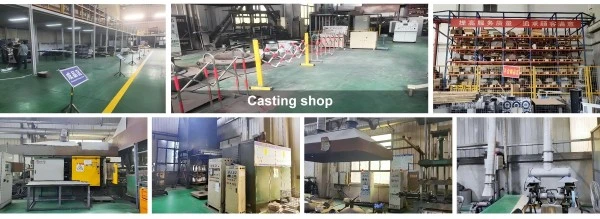
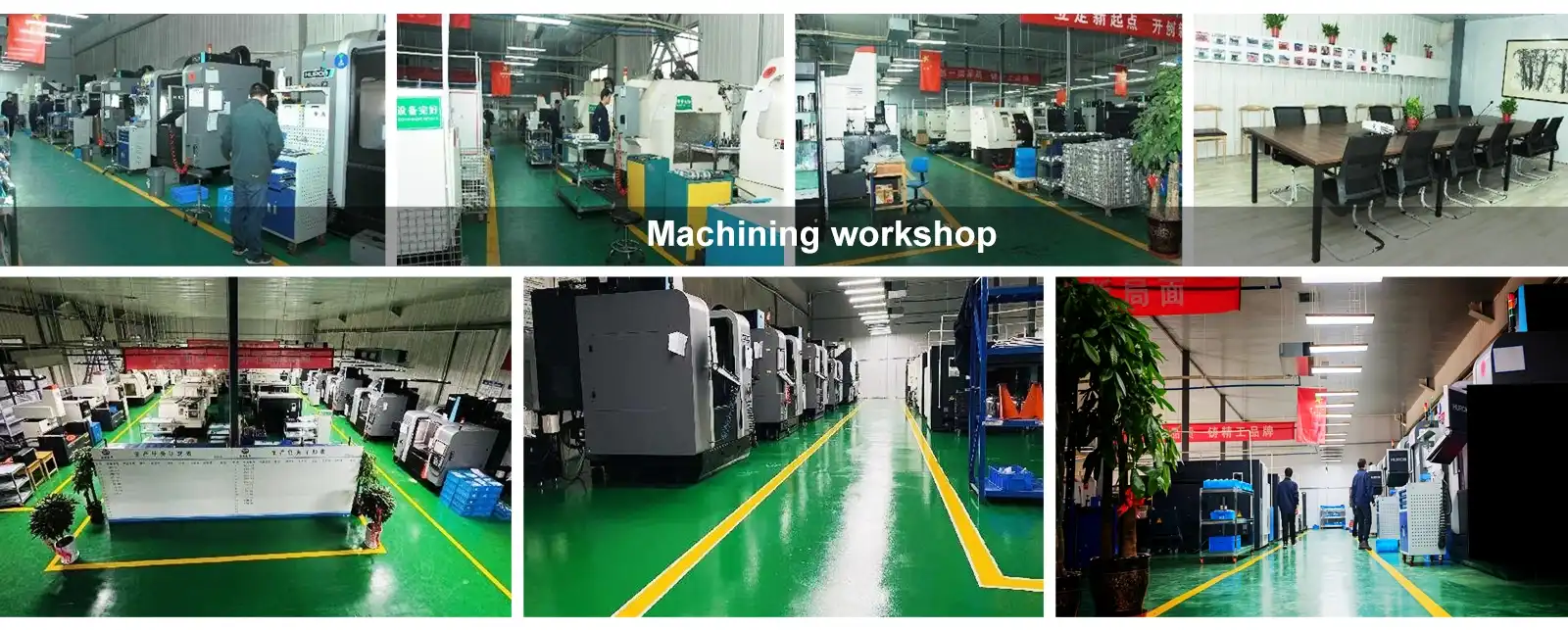
It has been twenty years since Rongbao Enterprise has specialised in precision casting solutions for tough industrial uses. We can make parts using gravity casting, CNC cutting, and surface treatment techniques. We can provide whole parts, from raw materials to finished products, all under one roof. Our Xi'an production facilities are certified with ISO9001:2015, ISO14001, and ISO45001, which means that every casting fixed connector meets international quality and compliance standards.
We know that procurement managers need partners they can rely on to provide consistent quality, meet deadlines, and offer quick technical support. During the planning process, our engineering team works together to make sure that the product is as easy to make as possible. With a production capacity of 5,000 pieces per batch, we can make both prototypes and large quantities. We can make OEM/ODM three-way pipe fittings that fit your needs, whether you need regular ones or ones that are completely unique.
To talk about your casting fixed connector needs, email our procurement specialists at steve.zhou@263.net or zhouyi@rongbaocasting.com. As a well-known casting fixed connector manufacturer that serves customers all over the world, we can offer you competitive prices, clear communication, and the technical expertise to help you with even the most difficult projects. You can see all of our services at rongbaocasting.com and start working with us right away to build a relationship based on quality, trust, and success for both of us.
References
1. Davis, J.R. (2001). Aluminum and Aluminum Alloys. ASM International Handbook Committee.
2. Campbell, J. (2015). Complete Casting Handbook: Metal Casting Processes, Metallurgy, Techniques and Design. Butterworth-Heinemann.
3. American Society for Testing and Materials (2019). ASTM B85 - Standard Specification for Aluminum-Alloy Die Castings.
4. International Organization for Standardization (2015). ISO 9001:2015 Quality Management Systems - Requirements.
5. Kaufman, J.G. & Rooy, E.L. (2004). Aluminum Alloy Castings: Properties, Processes, and Applications. ASM International.
6. Society of Automotive Engineers (2018). SAE J452 - General Characteristics and Heat Treatments of Steels and Aluminum Alloys for Automotive Components.
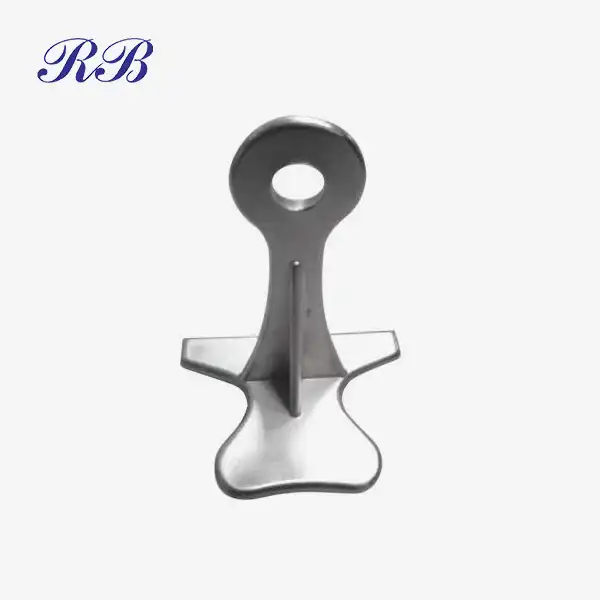
Learn about our latest products and discounts through SMS or email