- English
- French
- German
- Portuguese
- Spanish
- Russian
- Japanese
- Korean
- Arabic
- Greek
- German
- Turkish
- Italian
- Danish
- Romanian
- Indonesian
- Czech
- Afrikaans
- Swedish
- Polish
- Basque
- Catalan
- Esperanto
- Hindi
- Lao
- Albanian
- Amharic
- Armenian
- Azerbaijani
- Belarusian
- Bengali
- Bosnian
- Bulgarian
- Cebuano
- Chichewa
- Corsican
- Croatian
- Dutch
- Estonian
- Filipino
- Finnish
- Frisian
- Galician
- Georgian
- Gujarati
- Haitian
- Hausa
- Hawaiian
- Hebrew
- Hmong
- Hungarian
- Icelandic
- Igbo
- Javanese
- Kannada
- Kazakh
- Khmer
- Kurdish
- Kyrgyz
- Latin
- Latvian
- Lithuanian
- Luxembou..
- Macedonian
- Malagasy
- Malay
- Malayalam
- Maltese
- Maori
- Marathi
- Mongolian
- Burmese
- Nepali
- Norwegian
- Pashto
- Persian
- Punjabi
- Serbian
- Sesotho
- Sinhala
- Slovak
- Slovenian
- Somali
- Samoan
- Scots Gaelic
- Shona
- Sindhi
- Sundanese
- Swahili
- Tajik
- Tamil
- Telugu
- Thai
- Ukrainian
- Urdu
- Uzbek
- Vietnamese
- Welsh
- Xhosa
- Yiddish
- Yoruba
- Zulu
What Is Cast Housing? Uses, Benefits, and Buying Guide
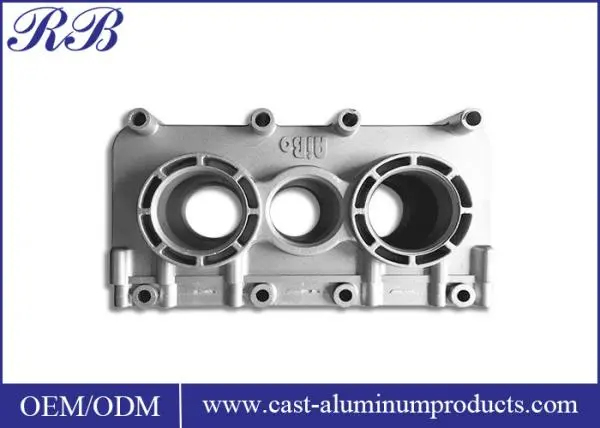
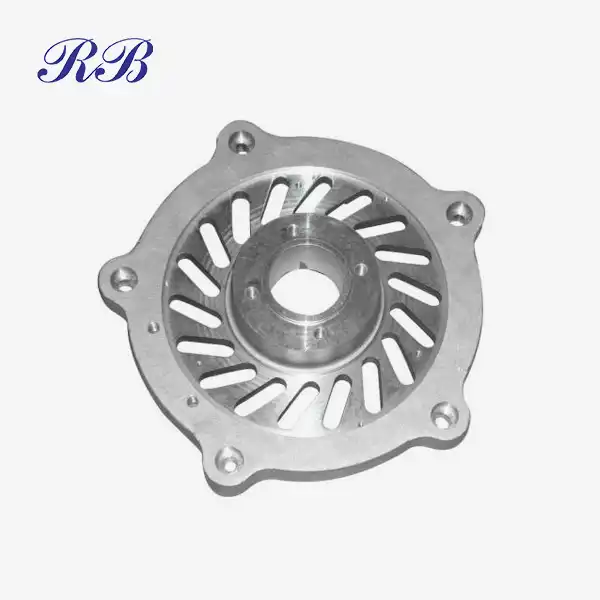
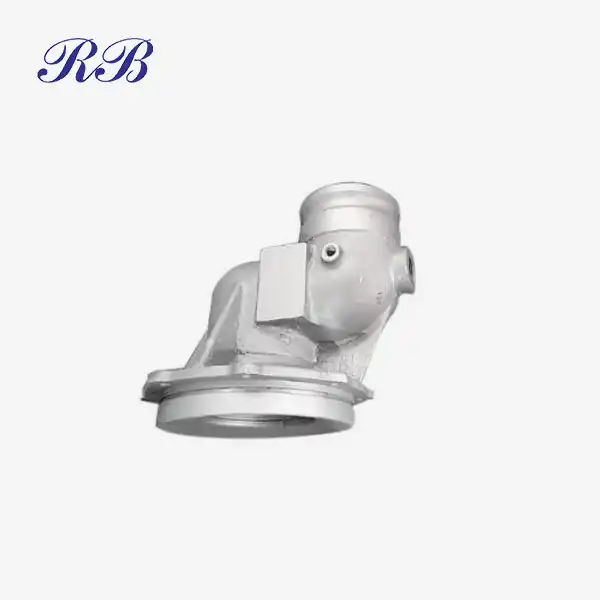
Cast housing is a protective metal enclosure manufactured through precision casting processes, primarily using aluminum alloys or cast iron to shield critical internal components in motors, gearboxes, pumps, and industrial connectors. These housings offer exceptional durability, thermal management, and design flexibility, making them indispensable across automotive, machinery, and automation sectors. As equipment manufacturers increasingly prioritize reliability and production efficiency, understanding the characteristics and selection criteria of cast housing becomes essential for procurement managers seeking cost-effective, high-quality components that support continuous production schedules.
Understanding Cast Housing: Definition and Core Features
What Makes Cast Housing Different from Fabricated Alternatives
Cast housing parts are made by pouring liquid metal into molds, which lets them have complicated shapes that can't be made by welding or fabricating. Casting makes one-piece structures with the same material qualities all the way through, unlike welded assemblies that add stress spots. This way of making things lets complicated cooling fins, mounting bosses, and cable entry points be built in during production instead of being added later through secondary operations. Die casting aluminum is especially good at making thin-walled pieces with the tight size tolerances needed for current equipment.
Material Selection: Aluminum Alloys vs. Cast Iron
The choice of material has a huge effect on how well a house works in all kinds of conditions. The ADC12 aluminum alloy, which is made up of silicon and copper, is very fluid when it comes to casting and has good strength-to-weight ratios for mobile equipment. This metal naturally creates a protective oxide layer that keeps it from rusting in damp places without any extra coats. Cast iron alternatives are better at stopping vibrations in fixed machinery, but their higher density can make installation more difficult. When engineers choose materials for motor assemblies or connector casings, they have to weigh the need for heat conductivity against the need for weight.
Manufacturing Process: Die Casting Explained
High-pressure die casting uses pressures higher than 10,000 psi to press liquid aluminum into steel dies. This makes parts with smooth surfaces and few holes. The process cycle is over in seconds, which lets thousands of units be made every month while keeping the same dimensions from batch to batch. Automated cutting gets rid of flash, and CNC machining adds precise features like bearing pockets or threaded fixing holes. After being shot-blasted, the surfaces are ready to be painted or powder-coated. This makes housings that look good and work well.
Applications and Benefits of Cast Housing for B2B Clients
Industrial Connector Housings: Protecting Critical Connections
Cast aluminum housings keep water and other things from getting into electrical and mechanical connectors that work in harsh industrial environments. These cases protect the contact assemblies from water, dust, and physical damage. They also protect sensitive electronics from electromagnetic interference (EMI). A typical 1.5 kg connector housing made by die casting has strain relief features, cable glands, and mounting flanges all built into one part. This means that there are no extra steps needed to put it together, unlike stamped metal alternatives. With a monthly production capacity of 5,000 pieces, moderate-volume equipment lines can work without supply problems.
Motor and Gearbox Applications: Thermal and Structural Performance
Motor cast housings have to do two things: get rid of heat and stay stiff. Casting aluminum naturally moves heat away from windings, which increases the power density and extends the life of the insulation. The housing also provides a strong support frame for the bearings, which keeps the shaft in the right place when it's loaded. Custom rib designs help heat move better while keeping weight low, which is very important for robots and material handling equipment. Surface treatments like shot blasting make it easier for paint to stick, which protects housings for decades of use in harsh industrial environments.
Cost Efficiency Through Integrated Design
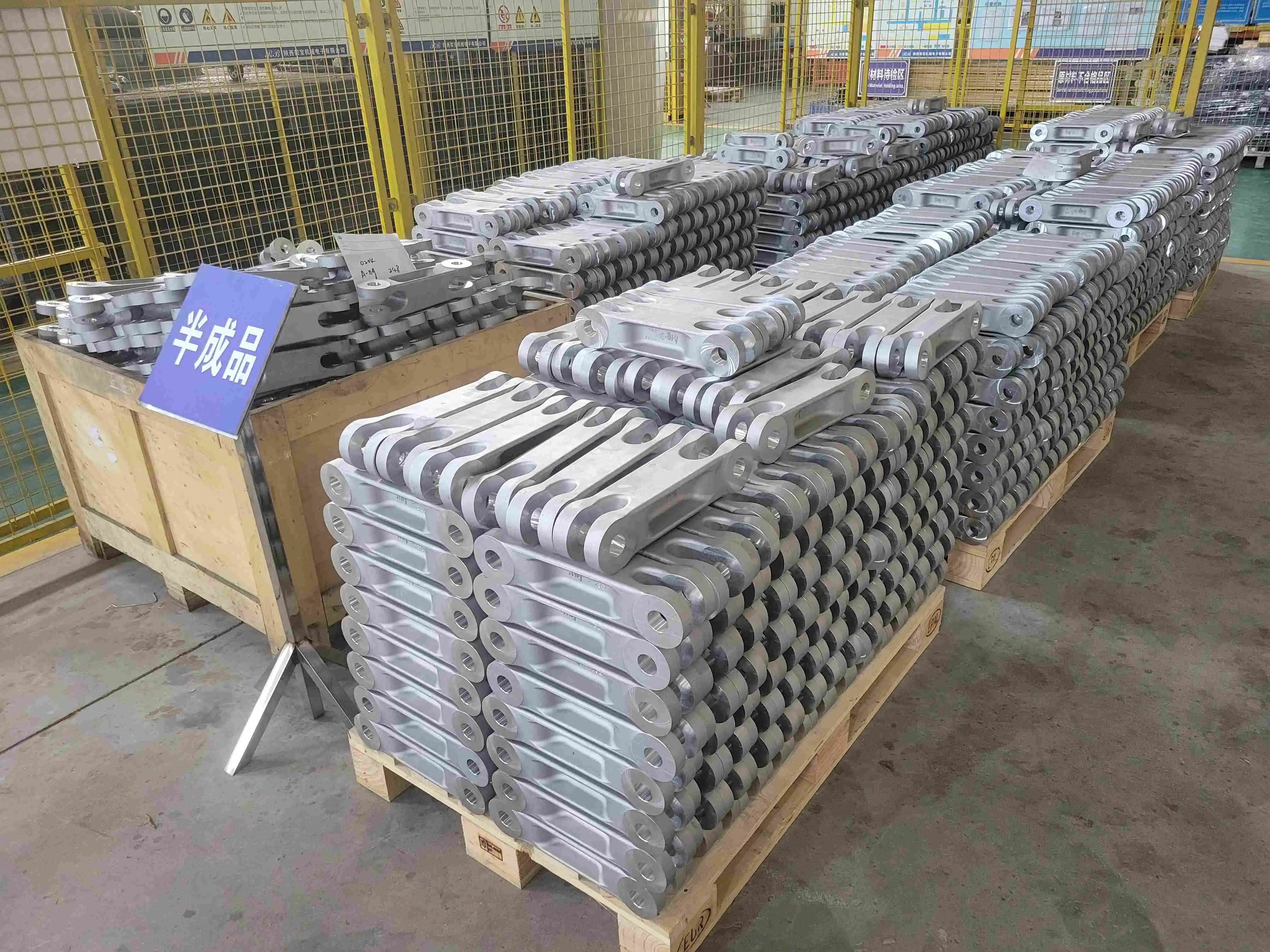
Cast housings integrate numerous produced elements into one unit, reducing fasteners and assembly effort. Making a gearbox cover from twelve stamped parts into one piece reduces weld inspection costs and leak routes. Tools amortized over many thousand units have lower piece costs than soldered counterparts and the same quality. Equipment manufacturers may better manage their bill-of-materials and keep inventory costs lower when they acquire housings from integrated design-to-delivery providers.
Comparing Cast Housing with Other Manufacturing Solutions
Cast vs. Fabricated Housings: Performance Trade-offs
Fabricated housings made from sheet metal can be put together in different ways for sample numbers, but they come with some trade-offs. Welded gaps cause stress clusters that can lead to fatigue cracks in situations where there is a lot of vibration. Preparing the surface before painting requires a lot of grinding to get rid of weld beads, which costs money in labor. Cast housings get rid of these worries because they are structurally sound and have as-cast finishes that don't need much prep work. When the designs of production equipment become stable, casting becomes more cost-effective than other methods for quantities above 500 units per year.
When Machined Housings Make Sense
Solid billet cutting from aluminum bar stock works best for custom equipment that only makes a few pieces at a time and can't afford to buy tools. This method gives designers the most freedom during the development stages, when the geometry is still changing. But more than 70% of the material is often wasted, and grinding cycle times in hours mean that only dozens or hundreds of units can be made economically. Procurement teams should save machined housings for prototyping and switch to cast production once designs are set in stone and volume projections show that the costs of the tools are worth it.
Evaluating Supplier Capabilities Beyond Price
Housing suppliers are chosen for more than price per unit. It considers professional advice, process flexibility, and quality systems. As product lines expand, vendors that provide gravity casting for bigger housings and die casting for precision parts give businesses additional alternatives. ISO9001 certifies systematic quality management. Global OEMs increasingly value ISO14001 and ISO45001 certification for environmental and safety requirements. Checking the supplier's capacity ensures seamless delivery during peak demand. Checking the CNC machine's capabilities ensures bearing fit and mounting interface specifications are maintained.
Buying Guide: How to Choose and Purchase Cast Housing
Defining Technical Requirements from Application Needs
To buy cast housing that works well, you must first be clear on the working factors, such as the running temperature ranges, ingress protection ratings, mounting configurations, and finish standards. A motor case for outdoor farm tools needs a different alloy and coating than an electronics casing for inside. Weight goals affect the choice of wall thickness, which balances the needs of the structure with the cost of the materials. Early on, procurement managers should work with engineering teams to write down these specifications. This way, when the first samples arrive, they won't have to pay for expensive redesigns.
Navigating the RFQ Process for Custom Castings
Packets with requests for quotes should have 3D CAD models, dimensional plans with limits, quality standards, and predictions for the annual number. Reliable suppliers check designs to see if they can be cast and suggest changes that will increase yield without affecting function. You can expect to wait three to four weeks for the first samples, which will include making the tools and then checking the dimensions and metal quality. Small-batch test runs of 500 pieces make sure that production is consistent before setting monthly delivery dates. This step-by-step method, which usually takes six to eight weeks altogether, lowers the risk of starting new supply ties.
Understanding Pricing Models and Total Cost
Tooling expenses are different from piece pricing in casting bids. Depending on complexity and cavitation, die prices might reach hundreds to tens of thousands of dollars. Spread tool costs across their estimated lifespan volumes to determine unit cost. CNC machining and surface treatments cost extra, but integrated vendors provide package pricing to simplify budgeting. Ocean freight wooden crates protect housings during international transportation. Value engineering may reduce costs and improve performance by partnering with specialized OEM/ODM providers.
Quality Assurance and Inspection Protocols
Reliable housing suppliers examine incoming supplies, take measurements throughout work, and finalize before shipping. Request evidence of inspection plans that contain critical measurements, X-ray or ultrasonic porosity limitations, and surface polish requirements. For critical applications, third-party checking services provide independent validation. Set explicit purchase order acceptance requirements, such as tracking samples and having defined problem-solving methods. These quality controls keep manufacturing going when faulty parts reach assembly lines.

Conclusion
Cast housing pieces have long protected vital equipment's interiors while satisfying thermal, structural, and environmental criteria. Die casting aluminum is a cost-effective approach to create many parts for small and big OEMs. It may also be adapted for many applications. Successful procurement requires vendors with tooling, finishing, and quality processes that assure batch consistency. Learning about material qualities, manufacturing, and supplier evaluation may help equipment producers enhance product stability and lower lifetime costs. Well-engineered cast housings lead to fewer warranty claims, longer service intervals, and satisfied customers in harsh industrial situations.
FAQ
1. How does housing material choice affect equipment performance?
Aluminum alloy housings make equipment lighter while also being very good at transferring heat, which is helpful for motors and drives that need to cool down. Alternatives made of cast iron are better at reducing vibrations in fixed machines like pumps and compressors. Material choice should be based on the area in which it will be used. For example, marine uses should use metal that doesn't rust, while foundry equipment can handle the thermal stability of cast iron.
2. What customization options exist for cast housings?
OEM customization includes changing the size, the pattern of mounting holes, adding features like lifting eyes or cable routing channels, and changing the surface finish from powder coating to anodizing. Suppliers who make their own tools can respond more quickly to changes in the design. Expect minimum order quantities that reflect the cost of the tools, which are usually in the hundreds to thousands, depending on how complicated the job is.
3. Can existing housings be reverse-engineered for production?
Casting suppliers with a lot of experience often reverse-engineer housings from physical samples or 2D drawings, making 3D models that can be used for modern manufacturing. This method works well for updating tools or developing from a second source. Dimensional inspection of reference examples sets the requirements, and casting a prototype to make sure the copy is accurate is done before agreeing to make the production tools.
Partner with Rongbao Enterprise for Reliable Cast Housing Solutions
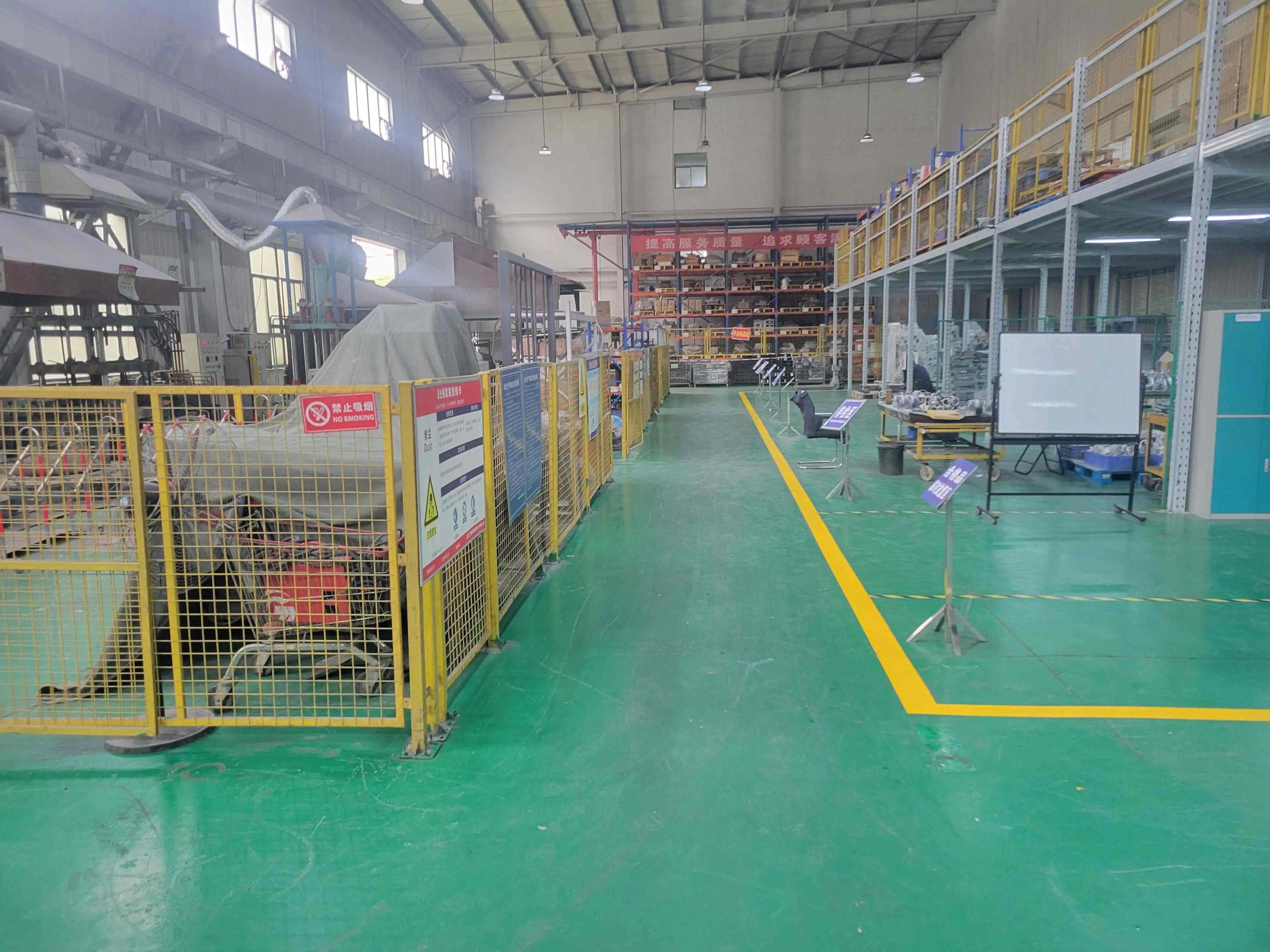
Equipment makers looking for reliable aluminum chassis providers can benefit from Rongbao Enterprise's wide range of services, which include helping with design and delivering finished parts. Our Xi'an facility has high-pressure die casting machines that make parts from ADC12 and similar metals. It also has CNC milling centers that keep the tolerances for important features very tight. With shot blasting to prepare the surface and a variety of finishing options, you can get housings that are exactly what you need.
We meet the quality and compliance standards needed by international markets, where 70% of our products are shipped, thanks to our ISO9001:2015, ISO14001, and ISO45001 certifications. During the quotation process, our engineering team works together to make sure that plans are optimized for ease of production. Each product line can produce 5,000 pieces per month, so growing equipment projects can continue to run smoothly. We offer consistent quality in wooden crate packing that is ideal for global operations, whether you need motor housings, connector enclosures, or gearbox covers.
Get in touch with our technical sales team to talk about your housing needs. You can email us at steve.zhou@263.net or zhouyi@rongbaocasting.com to find out how our experience making cast housings can help you reach your production goals.
References
1. American Foundry Society, "Aluminum Casting Design Manual," 2018 Edition, Schaumburg, Illinois.
2. ASM International, "Casting Design and Performance," Materials Park, Ohio, 2020.
3. Davis, Joseph R., "Aluminum and Aluminum Alloys," ASM Specialty Handbook, ASM International, 2019.
4. Kaufman, J. Gilbert, "Introduction to Aluminum Alloys and Tempers," ASM International, 2017.
5. Campbell, John, "Complete Casting Handbook: Metal Casting Processes, Techniques and Design," Butterworth-Heinemann, 2nd Edition, 2021.
6. International Organization for Standardization, "ISO 9001:2015 Quality Management Systems - Requirements," Geneva, Switzerland.
Learn about our latest products and discounts through SMS or email