- English
- French
- German
- Portuguese
- Spanish
- Russian
- Japanese
- Korean
- Arabic
- Greek
- German
- Turkish
- Italian
- Danish
- Romanian
- Indonesian
- Czech
- Afrikaans
- Swedish
- Polish
- Basque
- Catalan
- Esperanto
- Hindi
- Lao
- Albanian
- Amharic
- Armenian
- Azerbaijani
- Belarusian
- Bengali
- Bosnian
- Bulgarian
- Cebuano
- Chichewa
- Corsican
- Croatian
- Dutch
- Estonian
- Filipino
- Finnish
- Frisian
- Galician
- Georgian
- Gujarati
- Haitian
- Hausa
- Hawaiian
- Hebrew
- Hmong
- Hungarian
- Icelandic
- Igbo
- Javanese
- Kannada
- Kazakh
- Khmer
- Kurdish
- Kyrgyz
- Latin
- Latvian
- Lithuanian
- Luxembou..
- Macedonian
- Malagasy
- Malay
- Malayalam
- Maltese
- Maori
- Marathi
- Mongolian
- Burmese
- Nepali
- Norwegian
- Pashto
- Persian
- Punjabi
- Serbian
- Sesotho
- Sinhala
- Slovak
- Slovenian
- Somali
- Samoan
- Scots Gaelic
- Shona
- Sindhi
- Sundanese
- Swahili
- Tajik
- Tamil
- Telugu
- Thai
- Ukrainian
- Urdu
- Uzbek
- Vietnamese
- Welsh
- Xhosa
- Yiddish
- Yoruba
- Zulu
Top Casting Accessories: A B2B Guide to Better Results
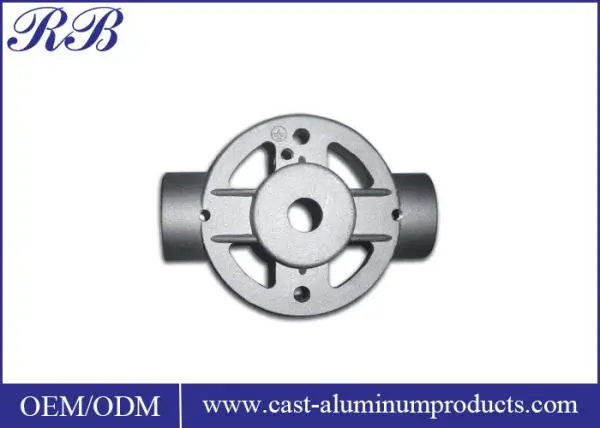
When procurement managers in the gas safety and security equipment sector search for reliable component solutions, understanding the full spectrum of manufacturing accessories becomes critical. Casting accessories refer to the comprehensive range of components, tooling, molds, and finishing materials used in aluminum and metal casting processes—particularly essential for producing explosion-proof enclosures, alarm device housings, and gas meter protective covers. These elements directly influence product quality, certification compliance, and time-to-market in industries where safety standards cannot be compromised. This guide walks B2B buyers through strategic sourcing decisions that balance regulatory requirements with operational efficiency.
Understanding Casting Accessories: Definitions and Applications
What Casting Accessories Actually Mean in Industrial Manufacturing
Casting tools include tooling systems, mold parts, finishing materials, and precision machining elements used to make metal housings for security and gas safety equipment. Unlike craft supplies used for decorative casting, industrial casting accessories help make a lot of parts that have to meet strict requirements like Ex d IIB T6 explosion-proof ratings and IP65 ingress protection standards. As part of these tools include custom molds made for A380 aluminum alloy, CNC machining fittings, shot blasting media, and special release agents that make sure that all production runs are the same size.
Core Components in the Casting Ecosystem
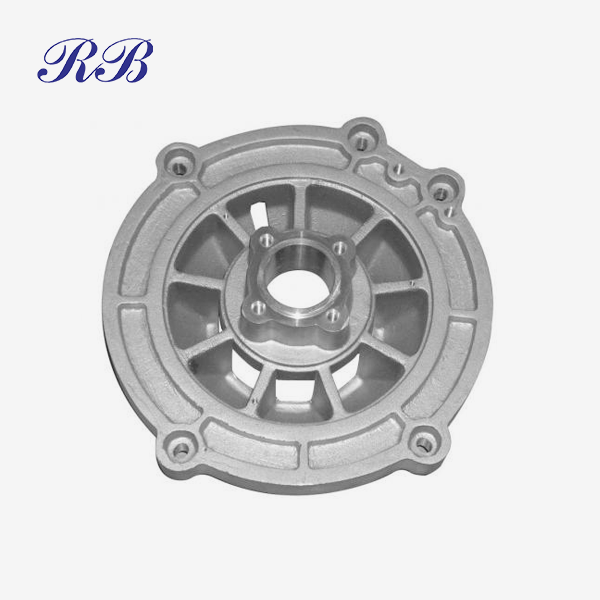
Several types of accessories must work together in order for security device housings to be made. The base is made of high-pressure die-casting shapes that are designed to survive multiple thermal cycles while keeping the accuracy of the cavities within ±0.05mm. Accessories that go with ejector pin kits, cooling channel systems, and vacuum valves that get rid of porosity—a common reason why explosion certification fails—are all good additions. Accessories for surface treatment, like shot blasting equipment and protective coating applicators, make sure that finished parts meet the requirements for corrosion resistance in outdoor settings. Knowing how these systems work together helps buying teams figure out what services a seller can offer beyond basic casting.
Applications Across Security and Gas Safety Markets
Manufacturers of North American gas safety products require regulatory-compliant casting equipment. ASME- and UL-approved materials and techniques are needed for natural gas control valve housings. Choosing the correct accessories affects whether completed goods pass third-party flame path integrity and pressure containment testing. When weight reduction is critical, low-pressure casting attachments make thin-walled enclosures. Heavy junction boxes are best made using gravity casting equipment. Competent vendors match accessory requirements to end-user demands, unlike generic metalworking suppliers.
Essential Casting Accessories for Gas Safety Equipment Production
High-Precision Mold Systems
The most essential ancillary investment for security equipment companies is modern mold technology. Multi-cavity molds with detachable inserts let producers swap between product kinds without changing equipment. This eliminates the need to make several SKUs in tiny amounts. Modern mold accessories adjust temperature to maintain metal flow. Reduces shrinking that may harm gasket sealing surfaces. Customers benefit from providers that offer mold creation along with casting accessories because unified design eliminates dimensional drift issues. A well-designed mold system that can create 50,000 pieces spreads expenses across several orders.
CNC Machining Fixtures and Tooling
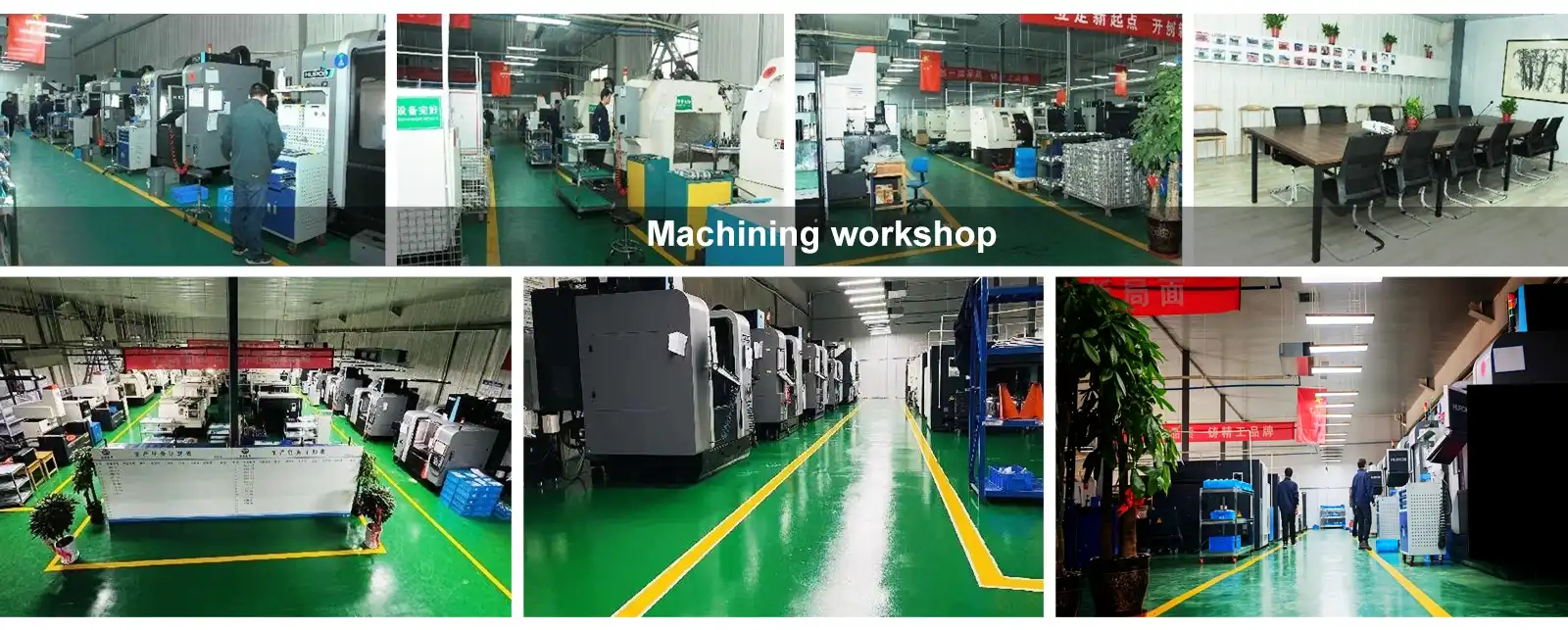
Post-casting machining machines verify raw cast tolerances for final assembly. Custom fixtures for A380 aluminum prevent warping during multi-axis CNC operations, maintaining workpieces the proper size for mounting interfaces and threaded connections. Rapid-change tool systems reduce the time needed to set up various housing types, meeting security equipment market demands for rapid turnarounds. Carbide cutting tools that work well with aluminum's thermal characteristics prevent burrs, making removal easier. When comparing suppliers, seek cutting machines with built-in measuring systems to detect size variations before ruining runs.
Surface Finishing Materials and Equipment
Shot blasting accessories provide uniform surface roughness for powder coating and corrosion resistance on aluminum alloys. Media choice influences appearance and functionality. The improper blasting material may shut threaded holes or damage sealing surfaces. Masking devices protect machined parts during coating, and curing oven racks prevent warping during heat cycles. Surface treatment add-ons for explosion-proof cabinets must avoid contaminants that might affect the flame path. Getting ISO14001 environmental management certifications from vendors with regulated finishing procedures demonstrates they value process accuracy.
Quality Control and Testing Accessories
Last, crucial group: dimensional proof tools. CMM fixtures, thread gages, and pressure testing instruments ensure that every manufacturing lot fulfills standards before shipping. Hermetic seals in gas detection housings need helium leak detection devices and other non-destructive test equipment. Traceability marking systems and calibrated measuring instruments meet ISO9001:2015 audit requirements. Procurement managers should ensure suppliers have accurate, standard-based measuring tools. This is because uncertified tools lower certification credibility. These accessories demonstrate a casting provider's ability to supply certified parts quickly. All four kinds of accessories must work together to facilitate explosion-proof equipment manufacturing.
Selecting the Right Casting Partner for Security Equipment Components
Evaluating Technical Capabilities Beyond Basic Casting
Successful procurement begins with checking if suppliers have the infrastructure to support your goods. Make sure casting tools can standardize wall thickness for natural gas control valve housings made of A380 aluminum with a completed weight of 0.8 kg. Verify if the mold can analyze flow. Simulation accessories let suppliers identify filling concerns before investing in costly machinery. The availability of high-pressure, low-pressure, and gravity casting process accessories allows manufacturers to pick the optimal cost-to-quality ratio for each product. For providers who only conduct one procedure, the strategy may need to be adjusted.
Certification and Compliance Infrastructure
Gas safety applications need regulatory compliance accessories. ISO9001:2015 and ISO45001 occupational health certifications standardize quality control techniques and processes and ensure equipment is well-maintained to reduce operational flaws. Environmental certification ISO14001 implies regulated surface-cleaning instruments that prevent pollution. You should examine the calibration of any measuring instruments you employ against national standards in addition to certifications. This is crucial to distinguishing rigorous operations from compliance. Suppliers serving international markets should know UL, CSA, and ATEX requirements since their accessories must enable testing.
Customization and OEM/ODM Service Depth
The casting tools a corporation preserves demonstrate its customization. Custom mold libraries, parametric CAD, and testing technologies accelerate product development. This is crucial when implementing new security equipment. Accessories like coordinate measurement devices that reverse-engineer sample parts show OEM/ODM service depth. This speeds up drawing interpretation. Custom foam inserts and ESD-protective cases safeguard completed products during overseas delivery. Compared to transactional vendors, suppliers with "customized specifications" and engineering tools that enable the whole development-to-delivery chain are more likely to become partners.
Production Capacity and Scalability Indicators
Without infrastructure, output capability is meaningless. A monthly capacity of 50,000 pieces requires adequate mold sets for parallel production, machining fixtures for continuous operations, and quality control equipment for quick processing and inspection. Storage accessories like climate-controlled inventory systems and automated retrieval devices demonstrate just-in-time delivery. Modular accessory systems with additional mold holes, expandable machining cells, and adjustable finishing lines demonstrate scalability. Depreciated accessory investments assist 20-year-old suppliers in maintaining their costs competitively. However, newer enterprises have greater overhead.
Maintaining Quality Through Proper Accessory Management
Preventive Maintenance for Casting Tooling
Successful procurement starts with verifying suppliers' infrastructure to support your items. For 0.8-kg A380 aluminum natural gas control valve housings, ensure casting accessory tools can standardize wall thickness. Check whether the mold analyzes flow. Simulation accessories let companies uncover filling issues before buying expensive equipment. The availability of high-pressure, low-pressure, and gravity casting process accessories lets producers choose the best cost-to-quality ratio for each product. Providers who perform one surgery may need to change their method.

Certification and Compliance Infrastructure
Gas safety requires regulatory accessories. ISO9001:2015 and ISO45001 occupational health certifications regulate quality control and equipment maintenance to eliminate operational errors. ISO14001 certification requires pollution-preventing surface cleaning tools. You should check the calibration of your measuring devices against national standards and certifications. This is key to separating rigorous operations from compliance. UL, CSA, and ATEX regulations apply to overseas suppliers whose accessories must be tested.
Customization and OEM/ODM Service Depth
The casting accessories tools a company keeps show its customisation. Custom mold libraries, parametric CAD, and testing speed up product development. This is vital when installing new security gear. OEM/ODM service depth is shown using coordinate measuring devices that reverse-engineer sample parts. This expedites drawing interpretation. ESD enclosures and custom foam inserts protect finished items during foreign transport. Suppliers with "customized specifications" and engineering tools that allow the development-to-delivery chain are more likely to cooperate than transactional providers.
Production Capacity and Scalability Indicators
Output capacity is useless without infrastructure. Mold sets for parallel manufacturing, machining fixtures for continuous operations, and quality control equipment for fast processing and inspection are needed for 50,000 pieces per month. Climate-controlled inventory systems and automated retrieval devices enable just-in-time delivery. Scalability is shown via modular accessory systems with more mold holes, expanded machining cells, and customizable finishing lines. Depreciated ancillary investments help 20-year-old vendors compete. However, newer businesses have higher overhead.
Sourcing Strategies for Casting Accessory-Equipped Manufacturers
Identifying Qualified Suppliers in Global Markets
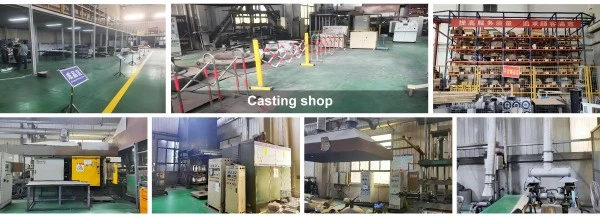
Beyond basic B2B platforms, you may locate producers of all casting accessories. High-tech accessory vendors attend industry trade fairs like the North American Die Casting Association's. Technical papers and case studies explain how manufacturers solve explosion-proof housing problems, proving high-tech tooling accessories. In China's industrial centers like Xi'an, prioritize suppliers that transport 70% of their products. Selling accessories abroad standardizes them to meet global standards. Instead of relying on capability claims, request facility videos demonstrating casting accessories in action.
Building Partnerships Through Trial Programs
Smart procurement builds supplier connections via structured review rounds. Sample orders determine whether casting accessories satisfy design requirements before ordering production tooling. Small-batch tests (500–1,000 pieces) indicate whether cutting tools last. Watch how providers clarify specs. Engineering accessories that enable design cooperation help suppliers avoid expensive errors. Trial programs reveal accessory limitations like insufficient finishing power that delays delivery or measurement equipment that causes quality issues. Successful trials reveal that claimed skills need additional infrastructure.

Leveraging OEM/ODM Accessory Advantages
When manufacturers provide entire casting tool bundles, buying is easy. One supplier handles casting, machining, and finishing, thus no vendor coordination is needed. Integrated extension systems eliminate shipping delays between enterprises, reducing lead times. Quality accountability is evident when one organization handles all production elements instead of several supplier chains. Integrated suppliers don't have to charge for internal accessories; therefore, cost structures benefit them. Rongbao Enterprise is a good example of this one-stop technique since they provide additional services from mold production to final assembly, solving fragmented sourcing issues.
Emerging Accessory Technologies and Trends
Future-thinking suppliers invest in next-generation casting accessories to gain a competitive advantage. Additive manufacturing technologies enable rapid mold part testing, speeding up product development. Machine vision-based automated inspection devices increase production and flaw detection accuracy. Industry 4.0 accessories provide real-time production updates and maintenance warnings. Environmentally friendly water-based coating accessories and closed-loop finishing systems are purchased. These new item ideas reflect suppliers' commitment to long-term competitiveness, which is vital for building sensible collaborations. Sourcing successfully requires matching project objectives with supplier plans. Manufacturers improve their casting accessory infrastructure to prepare their partners for future market demands.
Conclusion
You must understand how tools, machining pieces, finishing systems, and quality control equipment work together to manufacture gas safety and security parts and navigate casting accessories. Successful procurement requires finding auxiliary investment suppliers that fulfill technical requirements like explosion-proof housing or small-batch flexibility. Building competitive product lines around manufacturers with a wide variety of alternatives, ISO certifications, and international market expertise is best. Strategic sourcing views casting tools as infrastructure that influences quality, compliance, and time-to-market in safety equipment with tight criteria.
FAQ
1. What distinguishes industrial casting accessories from craft casting supplies?
Accessories for industrial casting help make a lot of precise parts that meet government standards, like explosion-proof certifications. They include engineered mold systems, CNC machining fixtures, and certified measuring tools that are made to work the same way over thousands of units. Craft casting products are mostly used for artsy purposes that don't need exact measurements or special properties from the material. They don't come with the process control tools that are needed for making safety-critical parts.
2. How do casting accessories impact explosion-proof certification success?
Accessories have a direct effect on parameters that are important for certification. Precision mold tools control the consistency of wall thickness, which affects the stability of the flame path. Surface finishing tools make sure that coats don't have any holes in them, which keeps water out. Measurement tools check that gasket sealing surfaces are within the allowed range of sizes. Accessories for testing pressure confirm the performance of hermetic systems. Dimensional differences and surface flaws that lead to certification failures are caused by inadequate accessory infrastructure. This slows down development and raises costs.
3. What accessory capabilities indicate a supplier can handle small-batch custom orders?
Look for modular finishing systems, flexible machining fixtures that can handle a variety of part configurations, and mold accessories that can be changed quickly. Small-batch response is shown by suppliers who offer quick development tools like 3D printing for mold inserts. Accessories for engineering, like customizable CAD systems and reverse-engineering measurement tools, show that people can work together technically. Documentation tools that help with traceability at low levels show that operations are mature enough to go beyond high-volume production of commodities.
Partner with a Certified Casting Accessory Manufacturer
Rongbao Enterprise has all the casting accessories support infrastructure that you need to make gas safety and security equipment. Our Xi'an facility has the ability to cast aluminum for the A380 and also has precision CNC machining accessories, ISO-certified quality control systems, and full surface treatment accessories—all in one place. We get rid of the problems that come with coordinating orders from multiple vendors because we can handle production runs of up to 50,000 pieces and offer customization options that allow OEM/ODM flexibility. Our 20-year history of serving foreign markets shows that we know how to make smart investments that protect your quality standards and certification deadlines. Get in touch with our technical team at steve.zhou@263.net or zhouyi@rongbaocasting.com to talk about how our casting accessory services can make your next project for a natural gas control valve or a security device housing easier.
References
1. Anderson, M. (2023). Precision Die Casting for Safety Equipment: Material and Process Considerations. Industrial Manufacturing Press.
2. Chen, L., & Rodriguez, P. (2022). Quality Control Systems in Aluminum Casting Operations. Journal of Manufacturing Technology, 45(3), 234-251.
3. European Committee for Standardization. (2021). Explosion Protection Standards: Design Requirements for Enclosures. CEN Technical Report 156.
4. Hoffman, R. (2024). Advanced Tooling Systems for Small-Batch Casting Production. Modern Metalcasting Journal, 18(2), 67-82.
5. International Organization for Standardization. (2022). ISO 9001:2015 Implementation in Metal Casting Facilities. ISO Management Systems Handbook.
6. Williams, T., & Zhang, H. (2023). Supply Chain Strategies for Safety-Critical Component Procurement. B2B Manufacturing Quarterly, 31(4), 112-128.
Learn about our latest products and discounts through SMS or email