- English
- French
- German
- Portuguese
- Spanish
- Russian
- Japanese
- Korean
- Arabic
- Greek
- German
- Turkish
- Italian
- Danish
- Romanian
- Indonesian
- Czech
- Afrikaans
- Swedish
- Polish
- Basque
- Catalan
- Esperanto
- Hindi
- Lao
- Albanian
- Amharic
- Armenian
- Azerbaijani
- Belarusian
- Bengali
- Bosnian
- Bulgarian
- Cebuano
- Chichewa
- Corsican
- Croatian
- Dutch
- Estonian
- Filipino
- Finnish
- Frisian
- Galician
- Georgian
- Gujarati
- Haitian
- Hausa
- Hawaiian
- Hebrew
- Hmong
- Hungarian
- Icelandic
- Igbo
- Javanese
- Kannada
- Kazakh
- Khmer
- Kurdish
- Kyrgyz
- Latin
- Latvian
- Lithuanian
- Luxembou..
- Macedonian
- Malagasy
- Malay
- Malayalam
- Maltese
- Maori
- Marathi
- Mongolian
- Burmese
- Nepali
- Norwegian
- Pashto
- Persian
- Punjabi
- Serbian
- Sesotho
- Sinhala
- Slovak
- Slovenian
- Somali
- Samoan
- Scots Gaelic
- Shona
- Sindhi
- Sundanese
- Swahili
- Tajik
- Tamil
- Telugu
- Thai
- Ukrainian
- Urdu
- Uzbek
- Vietnamese
- Welsh
- Xhosa
- Yiddish
- Yoruba
- Zulu
What is bracket connection?
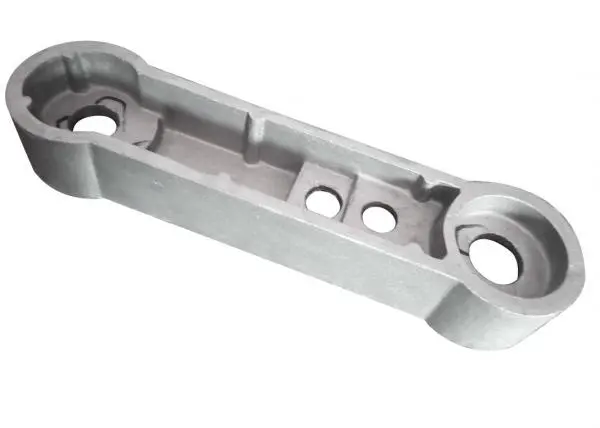
In the world of industrial robotics, precision and reliability are paramount. One crucial component that ensures these qualities is the casting connection bracket. This article delves into the intricacies of bracket connections, their importance in robotic systems, and how they contribute to the overall efficiency of industrial automation.
Bracket Connections in Robotics
In industrial robots, bracket connections are crucial mechanical parts. They act as the vital connection between the base, end effectors, joints, and other components of a robotic arm. The purpose of these links is to provide robotic operations precision, reliability, and stability.
A bracket connection's main purpose is to provide a precise and safe attachment point. This makes it possible for various robotic parts to be seamlessly integrated and ensure that they complement one another. The whole robotic system may experience instability, inaccuracy, and even failure if the bracket connections are not made correctly.
Key Features of Casting Connection Brackets
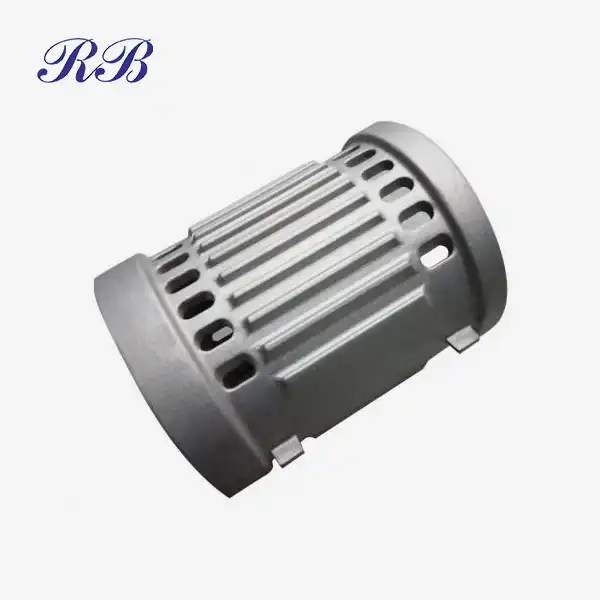
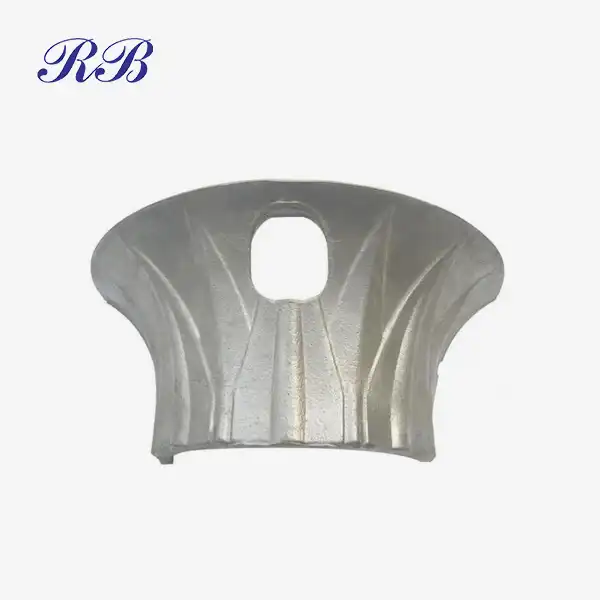
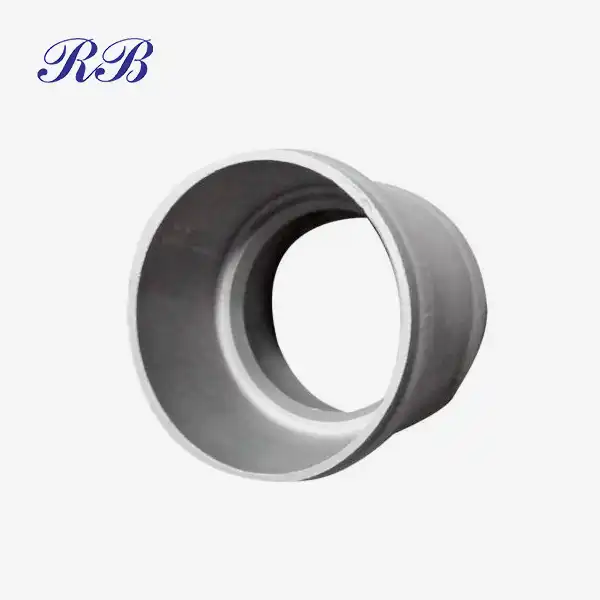
Casting connection brackets, specifically, offer unique advantages in robotic applications. These brackets are typically manufactured using gravity casting processes, which allow for complex shapes and excellent structural integrity. Here are some key features of casting connection brackets:
- Material: Usually composed of aluminum alloy A356, which is renowned for its strength-to-weight ratio.
- Weight: 8.9 kg, striking a balance between strength and agility
- Method: Gravity casting guarantees consistent density and low porosity.
- Mechanical processing: CNC machining for smooth surfaces and exact measurements
- Surface treatment: shot blasting to enhance corrosion resistance and surface polish
These features contribute to the overall performance and longevity of the robotic system, making casting connection brackets a preferred choice in many industrial applications.
The Role of Bracket Connections in Robot Arm Functionality
The operation of robot arms depends heavily on bracket connections. They provide the arm the stability and support it needs to execute intricate motions precisely. The following are some ways that bracket connections support the operation of robot arms:
- Torque Transmission: Smooth and regulated motions are made possible by the effective transmission of torque between the various robot arm segments provided by bracket connections.
- Rigid Support: They provide every joint a firm base, reducing vibrations and guaranteeing precise placement.
- Adaptability: Bracket connections are designed to work with a variety of mounting hole configurations and connection surfaces, making maintenance and installation simple.
- Integration of Utilities: To simplify the robot arm's overall design, many bracket connections include channels for pneumatic and electrical cabling.
By carrying out these functions, bracket connections guarantee that, even in challenging industrial settings, robot arms can execute their jobs with the necessary accuracy and dependability.
Benefits of Using Casting Connection Brackets
Casting connection brackets offer several advantages over other manufacturing methods. Here are some key benefits:
- Complex Geometry: Using gravity casting makes it feasible to create complex forms that would be impossible or very difficult to do using conventional techniques.
- Cost-effective: Casting is often less expensive than machining from solid material for medium- to high-volume manufacturing.
- Consistency: By ensuring consistent qualities across the bracket, the casting process lowers the possibility of weak spots.
- Customization: Without requiring major tooling modifications, manufacturers may readily alter the design to satisfy certain needs.
- Weight reduction: For robotic applications where every gram matters, aluminum
These benefits make casting connection brackets an attractive option for manufacturers looking to optimize their robotic systems' performance and reliability.
Applications of Bracket Connections in Industrial Robotics
Bracket connections find applications across various industries that utilize robotic systems. Some common areas include:
- Automotive Manufacturing: Accurately arranging automotive components on production lines
- Electronics Industry: For careful component positioning and handling
- Food and Drink Production: During palletizing and packing processes
- Aerospace: For putting together and examining aircraft parts
- Pharmaceutical Industry: In the production and packaging of pharmaceuticals
The accuracy and dependability provided by premium bracket connections in each of these applications
Factors to Consider When Choosing Bracket Connections
When choosing a bracket connection for a particular robotic application, it's important to carefully evaluate a number of factors:
- Load Capacity: The weight of the robot arm and any extra payload must be supported by the bracket.
- Precision Requirements: The choice of bracket connection will be influenced by the degree of precision required in the robot's movements.
- Environmental Conditions: The bracket's lifetime and function may be impacted by elements including temperature, humidity, and chemical exposure.
- Maintenance Requirements: Take into account how simple it is to maintain or replace the bracket if needed.
- Compatibility: Verify that the bracket connection works with the particular robot model and other system parts.
Maintenance and Care of Bracket Connections
Proper maintenance of bracket connections is essential for ensuring the longevity and reliability of robotic systems. Here are some key maintenance practices:
- Frequent Inspection: Look for indications of damage, looseness, or wear.
- Proper Lubrication: Use the lubricants that the manufacturer recommends for moving components.
- Cleaning: Get rid of any impurities or debris that can impair performance.
- Torque Checks: Make that all bolts and fasteners are tightened according to the right specifications on a regular basis.
- Replacement: When wear starts to show or at suggested intervals, replace the bracket connections.
Businesses may extend the life of their bracket connections and reduce downtime in their robotic operations by putting in place a strong maintenance program.
Casting Connection Bracket Supplier: Rongbao Enterprise
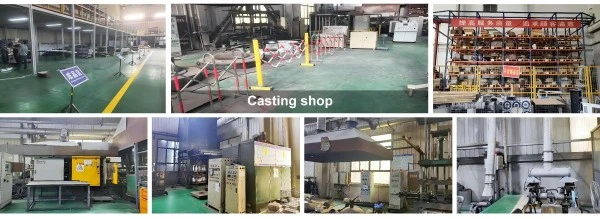
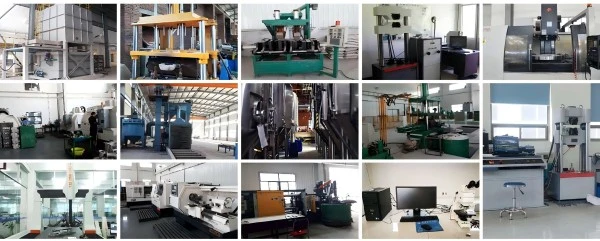
Rongbao Enterprise stands out as a top producer for those looking for casting connection brackets of superior quality. Rongbao was established in 2003 and focuses on precision processing and casting of aluminum alloys. They provide a wide variety of options, such as gravity casting, low-pressure die casting, and high-pressure die casting.
Advanced gravity casting processes are used in the production of Rongbao's casting connection brackets, guaranteeing outstanding quality and accuracy. They can satisfy the needs of extensive industrial applications because to their 5000 piece manufacturing capacity. Their ISO9001:2015, ISO14001, and ISO45001 certified brackets provide superior quality and environmental responsibility.
Rongbao is unique because of their dedication to personalization. By providing OEM/ODM services, they enable customers to customize bracket parameters to meet their particular needs. Rongbao has built a solid reputation for dependability and innovation in the worldwide market, with 70% of its goods exported.
Please contact Rongbao Enterprise for further details or to talk about your unique bracket connection requirements. They may be reached via email at zhouyi@rongbaocasting.com or steve.zhou@263.net. For any robotic application, their team of professionals is prepared to provide you the best casting connection bracket solution.

FAQ
1. What materials are commonly used for casting connection brackets?
The most common material for casting connection brackets is A356 aluminum alloy. This material offers an excellent balance of strength, weight, and corrosion resistance. Other materials such as stainless steel or specialized alloys may be used depending on the specific application requirements.
2. How do casting connection brackets differ from machined brackets?
Casting connection brackets are produced by pouring molten metal into a mold, allowing for complex shapes and internal features. Machined brackets, on the other hand, are cut from solid blocks of material. Casting is often more cost-effective for higher volumes and can produce lighter parts, while machining may offer tighter tolerances for certain applications.
3. What is the typical lifespan of a casting connection bracket?
The lifespan of a casting connection bracket can vary widely depending on factors such as usage intensity, environmental conditions, and maintenance practices. With proper care and under normal operating conditions, high-quality casting connection brackets can last for several years or even decades. Regular inspections and maintenance are key to maximizing their lifespan.
References
1. Robotics Online. (2021). "Robot End-of-Arm Tooling (EOAT)." Robotic Industries Association.
2. Groover, M.P. (2019). "Automation, Production Systems, and Computer-Integrated Manufacturing." Pearson.
3. International Federation of Robotics. (2020). "World Robotics 2020 Industrial Robots" Report.
4. ASM International. (2017). "Aluminum-Silicon Casting Alloys: Atlas of Microfractographs."
5. ISO. (2015). "ISO 9001:2015 Quality management systems — Requirements." International Organization for Standardization.
Learn about our latest products and discounts through SMS or email