- English
- French
- German
- Portuguese
- Spanish
- Russian
- Japanese
- Korean
- Arabic
- Greek
- German
- Turkish
- Italian
- Danish
- Romanian
- Indonesian
- Czech
- Afrikaans
- Swedish
- Polish
- Basque
- Catalan
- Esperanto
- Hindi
- Lao
- Albanian
- Amharic
- Armenian
- Azerbaijani
- Belarusian
- Bengali
- Bosnian
- Bulgarian
- Cebuano
- Chichewa
- Corsican
- Croatian
- Dutch
- Estonian
- Filipino
- Finnish
- Frisian
- Galician
- Georgian
- Gujarati
- Haitian
- Hausa
- Hawaiian
- Hebrew
- Hmong
- Hungarian
- Icelandic
- Igbo
- Javanese
- Kannada
- Kazakh
- Khmer
- Kurdish
- Kyrgyz
- Latin
- Latvian
- Lithuanian
- Luxembou..
- Macedonian
- Malagasy
- Malay
- Malayalam
- Maltese
- Maori
- Marathi
- Mongolian
- Burmese
- Nepali
- Norwegian
- Pashto
- Persian
- Punjabi
- Serbian
- Sesotho
- Sinhala
- Slovak
- Slovenian
- Somali
- Samoan
- Scots Gaelic
- Shona
- Sindhi
- Sundanese
- Swahili
- Tajik
- Tamil
- Telugu
- Thai
- Ukrainian
- Urdu
- Uzbek
- Vietnamese
- Welsh
- Xhosa
- Yiddish
- Yoruba
- Zulu
What Is a Cast Sink Filter?
When industrial facilities experience inconsistent water quality impacting production processes, cast sink filters emerge as practical solutions. These filtration systems combine durable metal housings with advanced purification media to deliver reliable contaminant removal in demanding commercial environments. Cast sink filters are engineered filtration devices featuring robust housings manufactured through precision casting processes, designed to remove particulates, chemicals, and sediments from water supplies while withstanding high-volume usage typical in industrial applications. Their construction prioritizes longevity and consistent performance under operational stress.
Understanding the Functions of Cast Sink Filters
The size and performance standards for industrial water filtering are higher than those for home use. Places that process a lot of water every day need systems that keep the purity levels high without a lot of help.
Core Filtration Capabilities
Cast sink filters deal with several types of contamination at the same time. They get rid of chlorine compounds that speed up the rusting of equipment, lead particles that break safety rules, and sediment buildups that stop machinery further downstream from working. The multi-stage filter design usually has mechanical straining layers to get rid of bigger particles, activated carbon beds to soak up chemicals, and sometimes ion exchange resins to control minerals. This multi-layered method makes sure that water fits strict industrial standards.
Performance Advantages in Industrial Settings
When food is prepared in commercial kitchens, the taste profiles are better, and sensitive equipment in factories is kept safe from scale growth. These methods are important for healthcare centers to make sure they follow the rules for patient care areas. When you compare the costs of preventative filtering to the costs of replacing equipment that has been damaged by dirty water, the cost-effectiveness becomes clear. After putting in place the right filtration infrastructure, facilities say that their machines last longer and need less maintenance.
Maintenance Indicators and Replacement Protocols
When flow rates drop, it means that the cartridge is full and needs to be replaced. If you can see sediment in filtered water, it means that the filter isn't working right. Most industrial units have pressure gauges that show differential measurements across the filter media. High readings show that the filter media is clogged. Instead of making replacement plans based on random dates, procurement teams should use water quality tests to do so. This will improve both performance and cost-effectiveness.
Design and Types of Cast Sink Filters
The choice of material has a direct effect on how long the filtration system lasts and how well it keeps out contaminants. Knowing the different factors that affect building helps procurement specialists match the right tools to the needs of the business.
Material Composition and Structural Integrity
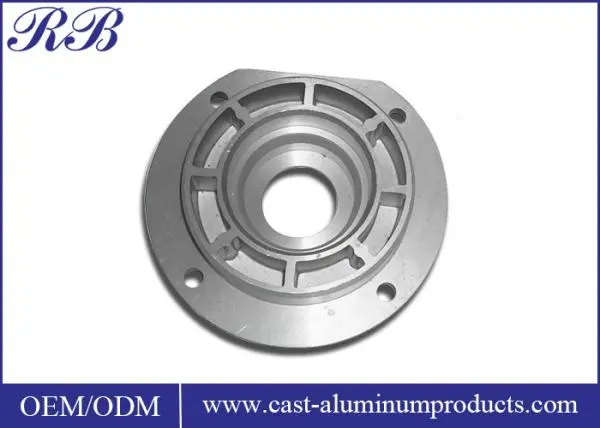
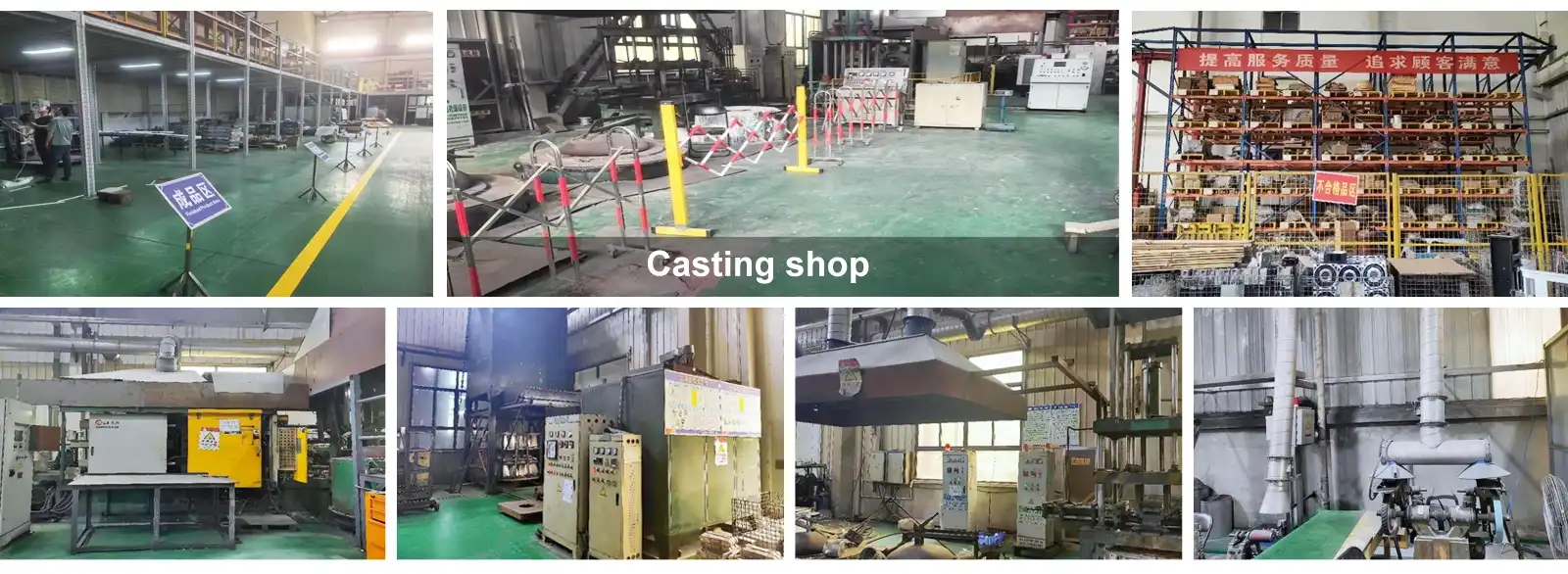
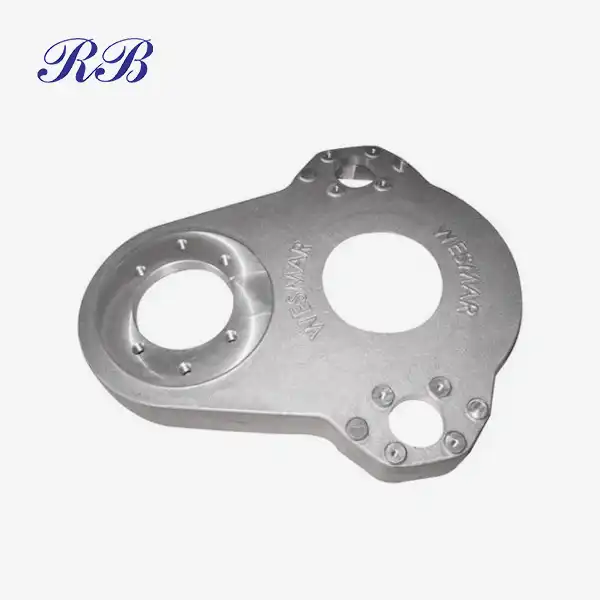
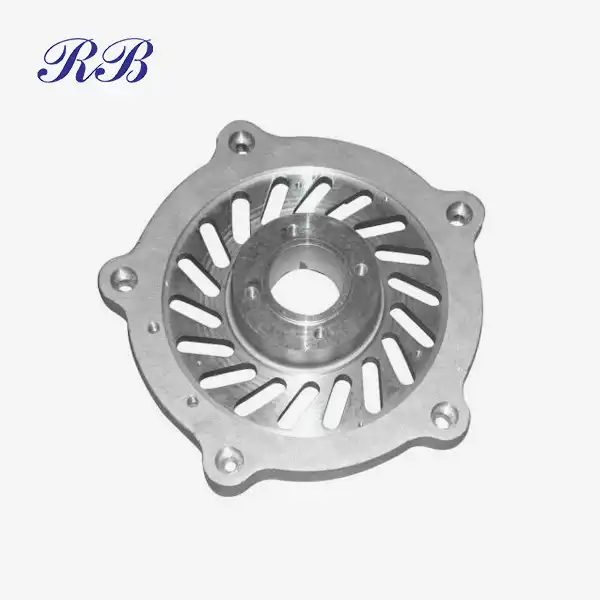
Cast iron sink filters are very strong and work well for high-pressure water lines in cities, but they need to be coated to keep them from rusting. Stainless steel versions are better at resisting chemicals, which makes them perfect for places that use harsh cleaners or have pH levels that change often. Dimensional standards and surface finish quality are affected by the type of casting used, such as gravity casting, die casting, or investment casting. At Rongbao Enterprise, we use gravity casting with an A356 aluminum alloy to make bearing end covers for filter equipment. CNC machining and shot blasting are used to make the parts 1.2 kg precise. This way of making things, which is approved by ISO9001:2015, ISO14001, and ISO45001, makes sure that the dimensions are correct and that the materials won't rust, which are both important for long-term filter performance.
Filter Configuration Options
Under-sink models save room and provide point-of-use sanitation, making them ideal for lab workbenches or prep stations in business kitchens. Countertop models are portable and can be used for short-term installs or sample tests. Integrated systems treat whole building zones by connecting straight to the water mains of the facility. Each configuration makes trade-offs between how hard it is to install, how easy it is to do maintenance, and how much water can be treated. Inline systems with parallel filter banks are usually better for high-volume operations because they let maintenance be done without stopping service.
Filtration Media Variations
Activated carbon cartridges are great at getting rid of organic compounds and improving taste, but they need to be replaced often when they are used a lot. Ceramic filters can handle higher temperatures and backwashing, which means they don't need to be replaced as often. When assembly room is limited, pleated membrane designs are very important because they make the most of the surface area inside small housings. To find the true operational economics, people who make purchasing choices should compare the original cost of cartridges to how often they need to be replaced and the cost of labour.
Selecting the Right Cast Sink Filter for Your Business
When choosing equipment, you have to weigh short-term budget limits against long-term operational costs and performance needs for each cast sink filter.
Decision Criteria for Industrial Environments
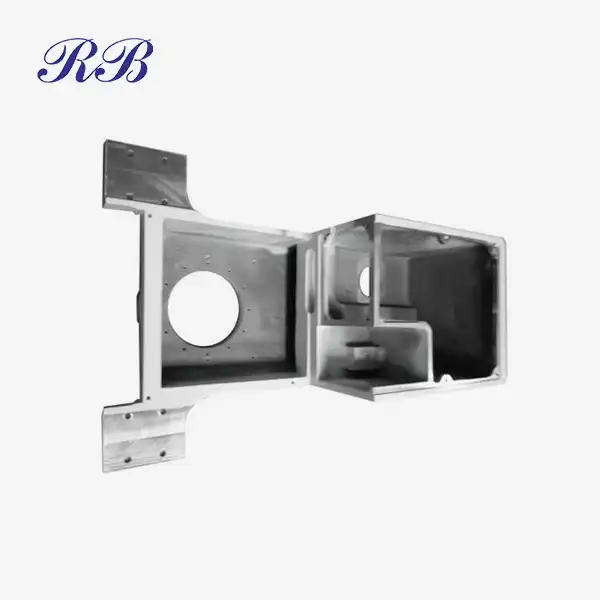
The micron removal limits used to rate filtration effectiveness must match the contamination profiles found through water quality tests. When a building has hard water with high levels of calcium and magnesium, it needs filters that treat the water in both mechanical and chemical ways. When filtering process chemicals or high-temperature streams, material compatibility is very important. To keep production equipment from breaking down when pressure drops, flow rate capacity must be higher than peak demand times. Our engineering team offers design-for-manufacturability advice to make sure that custom filtration housings work well with existing systems and keep their structural integrity when they are under a lot of stress.
Brand Comparison and Innovation Trends
Leading manufacturers set themselves apart with their own special media formulations, long-lasting cartridges, and extensive service networks. Some brands stress ecology by using biodegradable filter media and house materials that can be recycled. How quickly customer service responds when equipment breaks down has a direct effect on production uptime. Suppliers who offer 24-hour technical help and fast shipping of parts give value that goes beyond the initial purchase price. IoT sensors are being used in new smart filter technologies to send data about how well they're working to centralised maintenance management systems. This lets predictive analytics and automatic reordering happen.
Investment Analysis and ROI Projections
The initial costs of the equipment only make up 30 to 40 percent of the total costs over its lifetime. The majority of the costs come from replacing cartridges and labour. Even though they cost more at first, premium systems that need to be serviced less often usually have lower annual operating costs. When figuring out return on investment, you should include the value of protecting the equipment. For example, a $5,000 filter system that stops $50,000 in damage to machines from scale buildup within months pays for itself. Keeping heat exchangers clean saves energy, and lowering pumping resistance makes things even better financially.
Applications and Industry Use Cases of Cast Sink Filters
Water filtration is used in different areas for different practical and regulatory reasons, and each has its own performance standards for cast sink filters.
Sector-Specific Implementation Examples
Filtration is used in food service to get rid of the chlorine taste that lowers the quality of drinks and to keep sediment from getting into ice machines. For patient safety, healthcare facilities must have bacterial reduction powers that meet NSF/ANSI 53 standards. Filtration is used in factories that work with precision parts to keep particles from getting in the way of coating applications and assembly tolerances. In the energy sector, cooling water for turbine systems and process water for hydraulic equipment are two examples of uses.
Documented Performance Improvements
A company in the Midwest that makes car parts said that they saved $120,000 a year by using 40% less machining fluid and having complete inlet water filtering. Operators of commercial kitchens keep records of filtration system upkeep to show that they are following the terms of the equipment guarantee. This keeps claims from being denied. When point-of-use screens stabilise the variable quality of public water, lab managers say that experiments can be repeated with the same results.
Technology Advancement and Sustainability Focus
Nanofiltration screens can now remove particles smaller than a micron without needing too much pressure, which saves energy. Alternatives to manmade materials that are good for the earth include biodegradable filter media made from carbon from coconut shells. When a facility grows or production goes up, modular filter designs let the capacity be increased without replacing the whole system. These innovations meet the goals of both improving performance and taking better care of the environment, which are becoming more and more important in procurement decisions.
Conclusion
Industrial water filtration is an important infrastructure expense that keeps machinery safe, makes sure rules are followed, and keeps product quality high. Cast sink filters work well in tough business settings because their housings are well-designed and they use cutting-edge media technologies. Instead of just looking at the initial purchase price, procurement decisions should take into account total lifecycle costs, supplier reliability, and technical support capabilities. As filtration technology keeps getting better at smarter monitoring and using eco-friendly materials, working with makers with a lot of experience becomes more and more useful.
FAQs
How effective are cast sink filters at removing chlorine and other chemical contaminants?
Activated carbon media in good cast sink filters usually get rid of 95–99% of free chlorine, which makes the water taste much better and keeps equipment from rusting. What kind of media and how long the chemicals are in contact with it determine how well they are removed. Higher flow rates may make it less effective. Third-party testing certifications, like NSF/ANSI 42, back up performance claims, giving buyers confidence in what manufacturers say.
What cartridge replacement intervals should industrial facilities expect?
Replacement regularity changes a lot depending on the quality of the water and how much it is used. For facilities that process between 5,000 and 10,000 gallons of fluid every month, cartridges need to be changed every three months. For lower-volume applications, replacements may be needed every six months. Pressure differential tracking gives more objective replacement signs than calendar-based schedules, so changes aren't made too early or dangerously extended past the service life's usefulness.
Are specialized installation requirements necessary for commercial kitchen applications?
Local plumbing codes and health department rules often require backflow prevention devices and easy-to-reach shut-off valves for commercial installations. Professional work makes sure that the pipes are the right size, that the joints don't leak, and that there is proof for health checks. For fixed fixture setups, many places require a licensed plumber to be involved. This makes hiring a professional both smart and legal.
Partnering with Rongbao Enterprise for Superior Cast Sink Filter Solutions
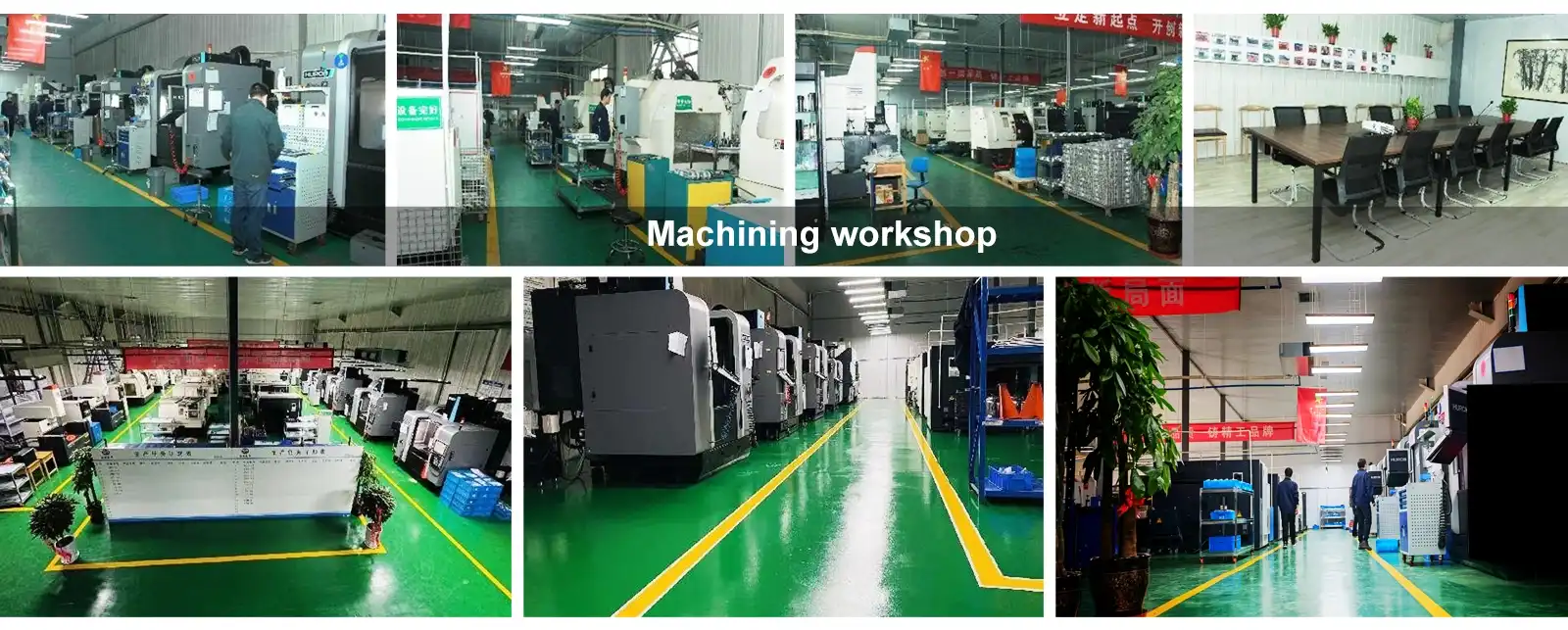
Rongbao Enterprise offers precisely designed cast sink filters and has been making high-quality products for 20 years, serving customers all over the world. We are a qualified maker with ISO9001:2015, ISO14001, and ISO45001 credentials. We offer full solutions, from making the mould to CNC machining and finishing the surface. At our Xi'an facility, we can make 5,000 pieces every month, which meets the needs of both prototype development and high-volume purchases while maintaining the highest quality standards. Technical teams work together to make special specs that solve particular water quality problems. The fact that 70% of our products are exported to Europe, North America, and Japan shows that our quality is recognised around the world. Steve Zhou can be reached at steve.zhou@263.net or zhouyi@rongbaocasting.com to talk about your filtration housing needs, get technical specs, or look into OEM/ODM partnership opportunities. We offer integrated component solutions with controlled wait times and clear contact throughout the whole process of buying from us.

References
- American Water Works Association. (2021). Water Quality and Treatment: A Handbook on Drinking Water. McGraw-Hill Education.
- National Sanitation Foundation International. (2022). NSF/ANSI Standard 53: Drinking Water Treatment Units - Health Effects. NSF International.
- International Organization for Standardization. (2020). ISO 9001:2015 Quality Management Systems - Requirements for Manufacturing Excellence.
- Smith, J.R. and Williams, M.K. (2023). Industrial Water Filtration Systems: Design, Selection, and Maintenance. CRC Press.
- Environmental Protection Agency. (2022). Point-of-Use and Point-of-Entry Treatment Devices: Health and Regulatory Considerations. EPA Office of Water.
- Chen, L. and Rodriguez, P. (2024). Advanced Materials in Commercial Filtration Applications: Cast Metal Housing Performance Analysis. Journal of Industrial Water Treatment, 18(3), 245-267.
Learn about our latest products and discounts through SMS or email