- English
- French
- German
- Portuguese
- Spanish
- Russian
- Japanese
- Korean
- Arabic
- Greek
- German
- Turkish
- Italian
- Danish
- Romanian
- Indonesian
- Czech
- Afrikaans
- Swedish
- Polish
- Basque
- Catalan
- Esperanto
- Hindi
- Lao
- Albanian
- Amharic
- Armenian
- Azerbaijani
- Belarusian
- Bengali
- Bosnian
- Bulgarian
- Cebuano
- Chichewa
- Corsican
- Croatian
- Dutch
- Estonian
- Filipino
- Finnish
- Frisian
- Galician
- Georgian
- Gujarati
- Haitian
- Hausa
- Hawaiian
- Hebrew
- Hmong
- Hungarian
- Icelandic
- Igbo
- Javanese
- Kannada
- Kazakh
- Khmer
- Kurdish
- Kyrgyz
- Latin
- Latvian
- Lithuanian
- Luxembou..
- Macedonian
- Malagasy
- Malay
- Malayalam
- Maltese
- Maori
- Marathi
- Mongolian
- Burmese
- Nepali
- Norwegian
- Pashto
- Persian
- Punjabi
- Serbian
- Sesotho
- Sinhala
- Slovak
- Slovenian
- Somali
- Samoan
- Scots Gaelic
- Shona
- Sindhi
- Sundanese
- Swahili
- Tajik
- Tamil
- Telugu
- Thai
- Ukrainian
- Urdu
- Uzbek
- Vietnamese
- Welsh
- Xhosa
- Yiddish
- Yoruba
- Zulu
Benefits of Agitator Base Castings
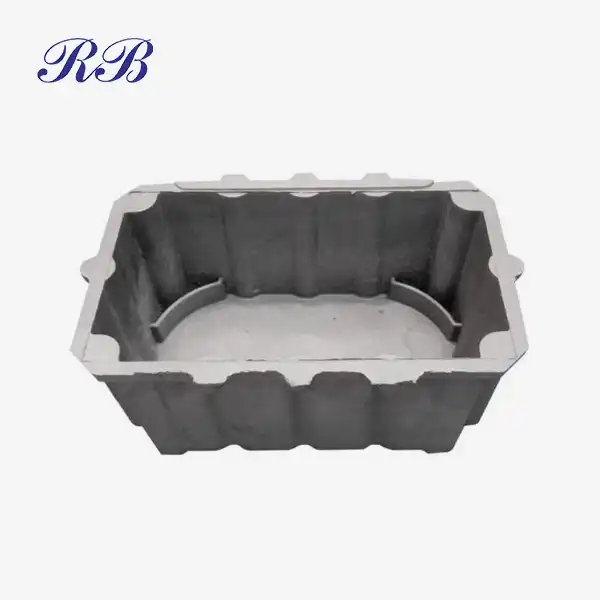
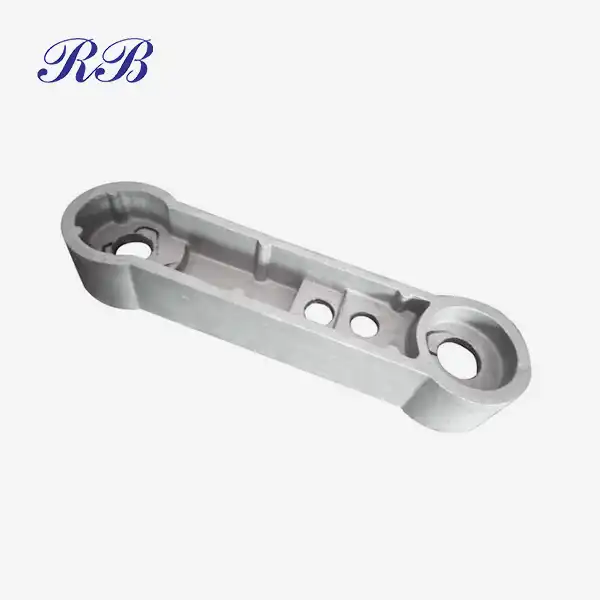
When we talk about industrial mixing systems, the foundation matters more than most people realize. Casting agitator base parts form the backbone of reliable mixing equipment across chemical processing plants, water treatment facilities, and manufacturing environments. These cast components anchor rotating assemblies, absorb vibration, and maintain alignment under continuous operation. Unlike fabricated alternatives, cast bases deliver uniform material properties and dimensional stability that directly impact equipment longevity and operational uptime. Over the past two decades, we've seen aluminum alloy die casting transform how manufacturers approach mixer base design, particularly with materials like ADC12 offering an exceptional balance between weight, strength, and corrosion resistance. This guide walks you through why casting remains the preferred choice for procurement managers seeking dependable, cost-effective solutions.
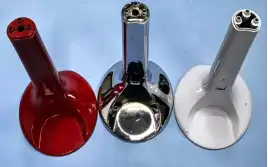
Key Advantages of Using Casting Agitator Base Components
Superior Structural Integrity
The metallurgical properties of properly cast agitator bases give equipment benefits that last for a long time. When the metal hardens, controlled cooling in die-casting moulds makes microstructures with fine grains and a uniform density. This homogeneity means that the mechanical behaviour of the mixer can be predicted when it is loaded and unloaded many times. Cast bases are better at absorbing shaking than bonded frames because the continuous structure of the material spreads out energy more evenly without putting extra stress on the joints. This vibration damping keeps bearings and seals from wearing out as quickly when heavy-duty mixers are used in chemical processing or garbage treatment. This directly lowers the number of repair visits and the costs that come with them.
Cost-Effectiveness Over Equipment Lifespan
When buying something for the first time, people often look at the unit price. However, the total cost of ownership tells a more complete story. Compared to basic fabricated options, casting agitator base parts generally have lower lifetime costs, despite sometimes having a higher upfront cost. Because die-cast aluminium bases are so durable, they don't need to be serviced as often. If you treat the surface of an ADC12 mixer base the right way, it can work in moderately corrosive environments for 15 to 20 years without breaking down. Welded steel frames, on the other hand, may need to be replaced or heavily repaired after 8 to 10 years. Operating costs are cut directly when maintenance is cut down. When you add up the costs of labour for repairs, replacement parts, and lost production during equipment downtime, it's clear that cast components are the better choice.
Design Flexibility and Customization
Modern die-casting techniques let designers make solutions that are perfect for each purpose. Complex internal ribbed structures that would be too expensive to make can be built right into cast stirrer bases, which improves the ratio of strength to weight. Customisation goes beyond geometry and includes features like built-in mounting bosses, fluid passages, and attachment points that get rid of the need for extra assembly steps. This freedom in design is especially helpful when making OEM mixing systems where integrating parts is what gives you a competitive edge. Our monthly production capacity of 5,000 pieces allows for both prototype development and mass production, so we can work with projects from the initial idea stage all the way through full-market launch. Because die-casting tools are flexible, they can be used to change sizes without having to fully reengineer the manufacturing process. This cuts down on development times and the cost of entering a new market.
Comparing Casting Agitator Base Parts With Alternative Solutions
Cast vs. Welded Construction
The differences in structure between welded and casting agitator base parts show up in ways that affect how reliable they are in the long term. Welded structures use fusion bonding to join several plates and structural parts together. This creates heat-affected zones where the properties of the materials change in unpredictable ways. When the load is cycled, these transition areas become stress lifters. This starts fatigue cracks that spread over time. Cast bases don't have this weakness at all because the part forms as a single solid block. Quality control is also very different. To check the quality of a weld, you need to do either harmful testing or expensive non-destructive testing like ultrasound or x-rays. Standardised methods, such as measuring and checking the material's properties, are used to inspect cast parts during production. This ensures consistent quality without having to worry about samples.
Material Comparison: Aluminum Alloys vs. Traditional Options
When you compare ADC12 aluminium alloy to cast iron or steel, you can see that it has benefits that are useful in certain situations that you should think about when you are buying. Aluminium alloys are resistant to corrosion, so they don't need protective coatings in many settings. This means they require less regular maintenance. The material is about one-third as dense as steel, which makes it easier to install and cheaper to move. This is especially helpful when moving parts from factories in Xi'an, China, to facilities in North America. Aluminum's thermal conductivity helps get rid of the heat that is made by bearing friction and mechanical losses. This keeps the operating temperature more stable, which makes the lubricant last longer and the parts last longer.
Supplier Qualification Criteria
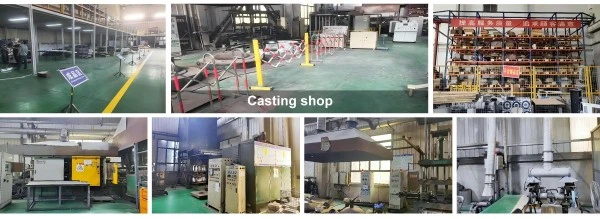
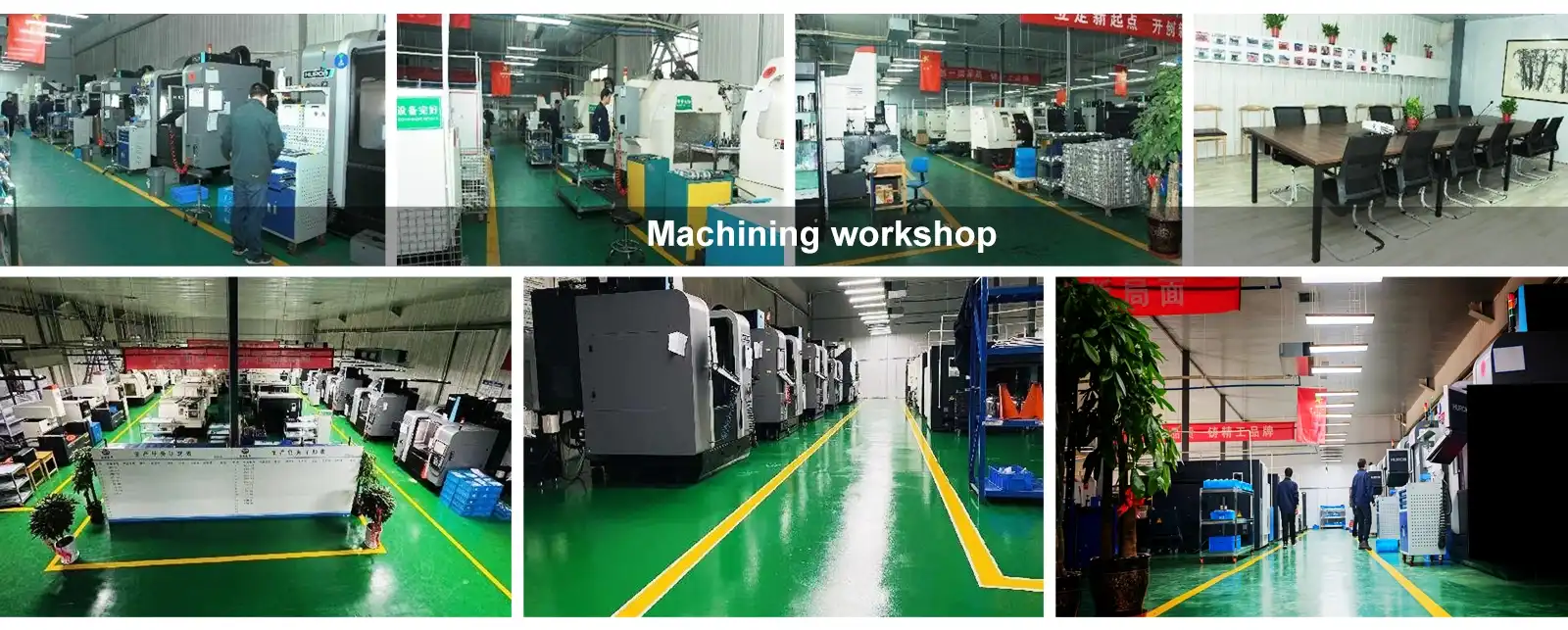
To choose skilled casting providers, you need to look at more than just prices. Certifications like ISO9001:2015, ISO14001, and ISO45001 show that a company is committed to practical success, structured quality management, and being responsible to the environment and workers' safety. These standards make sure that suppliers keep records of their processes, systems for tracking them, and rules for continuous improvement. An evaluation of a company's manufacturing skills should look at how advanced its equipment is, especially the mass of its die-casting machines, the accuracy of its CNC machining centers, and the strength of its testing laboratories. When suppliers use centralised melting systems to clean aluminium feedstock before casting, the parts they make have fewer inclusions and more uniform mechanical qualities than parts made by companies that use basic melting methods.
Procurement Insights for Casting Agitator Base Components
Sourcing Strategies and Lead Time Management
When it comes to customisation and technical help, direct manufacturer ties are usually better than distributor outlets. Working directly with casting manufacturers lets you work together on the design and make the process more efficient when you need to get specialised casting agitator base parts like mixer bases that are made for a specific application. Custom die-cast parts usually have lead times of 8 to 12 weeks for developing new tools and another 4 to 6 weeks for production runs. However, once dies are established, future orders can be made in 3 to 4 weeks. By planning procurement timelines around these facts, project delays can be avoided, and validation testing can be done properly before the full-scale rollout.
Pricing Structures and Volume Considerations
Due to the cost of buying tools, die-casting economics favour modest to high production rates. The initial cost of a mould for a mixer base die is usually between $8,000 and $15,000. The cost goes down quickly as more of them are made. Unit costs drop a lot as the number of items ordered goes up. For example, when you go from ordering 500 pieces to 2,000 pieces, unit costs often drop by 30 to 40 percent. Strategies for buying things should weigh the costs of keeping inventory against the benefits of buying in bulk. Putting parts in wooden boxes protects them during foreign shipping and meets ISPM-15 standards for export compliance. However, the extra cost of packing is around $3 to $5 per unit, but large orders can help cover this.
Quality Verification and Technical Support
Setting clear standards for quality from the start keeps disagreements and production delays from becoming expensive. Specifications should list important measurements along with any necessary tolerances, as well as surface finish standards, material approvals, and ways to test the product for acceptance. By asking for first-article inspection reports before full production, you can be sure that the manufacturing processes match what was planned. Ongoing technical support is what sets great suppliers apart from average ones. Manufacturers that offer design-for-manufacturing consultation help improve the cost and performance of component designs, and quick communication channels help solve production problems as they come up.
Conclusion
When choosing the right agitator base components, you have to weigh the short-term costs of acquisition against the long-term performance of the system. Die-cast aluminium mixer bases made from materials like ADC12 have strong benefits in terms of structural stability, resistance to corrosion, and ease of upkeep that make them the best choice in the industry. When you combine advanced casting methods with precise CNC machining and protective surface treatments, you get parts that can last for decades in harsh industrial settings. When purchasing managers look at suppliers using a wide range of factors, such as quality certifications, manufacturing capabilities, and how quickly they respond to technical support requests, they set their companies up for successful equipment performance and lower total ownership costs.
FAQ
How do cast agitator bases compare to welded alternatives in vibration resistance?
Because they are made of a single piece and don't have any welded joints that can cause stress to build up, cast bases are better at damping vibrations. When compared to welded parts, which transfer vibrations through hard joint connections, the continuous material structure better absorbs and releases vibrational energy, which means bearings last longer and wear less.
What customization options exist for mixer base specifications?
Customisation includes changing the size, the design of the mounting holes, adding features like fluid passages or cable routing channels, and choosing the surface treatment based on the location in which it will be used. Die-casting tooling lets you change the shape without having to completely remake the part. This meets the needs of the application while keeping costs low for production runs of more than 500 pieces.
How can buyers verify quality from new casting suppliers?
Ask for material certifications that say what kind of metal it is, first-article inspection records that say the dimensions are correct, and proof of quality management system certifications like ISO9001:2015. Physical samples let you check things on your own by measuring and testing the materials. When it's possible, supplier facility checks give a straight look at how well the factory can make things and how well the controls work.
Partner With Rongbao Enterprise for Premium Casting Agitator Base Parts
Rongbao Enterprise has been die-casting aluminium for 20 years and can help manufacturers who need reliable mixer bases. Our streamlined production process combines cutting-edge die-casting technology with precise CNC machining and safe surface treatments to make casting agitator base parts that meet the most stringent needs of any application. We keep strict quality standards throughout production as a certified manufacturer of casting agitator base with ISO9001:2015, ISO14001, and ISO45001 certifications. Our factory in Xi'an makes 5,000 pieces every month, and the specs can be changed to fit the forms of your equipment. Our expert team offers design-for-manufacturing advice that improves the performance and cost-effectiveness of parts, whether you need help with developing a pilot or mass production for OEM uses. To talk about your mixer base needs, email our purchasing experts at steve.zhou@263.net or zhouyi@rongbaocasting.com. We're happy to take custom orders, make plans for bulk purchases, and offer expert advice that will help you make smart sourcing choices that are in line with your business goals.
References
- Campbell, J. (2015). Complete Casting Handbook: Metal Casting Processes, Metallurgy, Techniques and Design. Butterworth-Heinemann.
- Kaufman, J.G. & Rooy, E.L. (2004). Aluminum Alloy Castings: Properties, Processes, and Applications. ASM International.
- Beeley, P.R. (2001). Foundry Technology, 2nd Edition. Butterworth-Heinemann.
- Verran, G.O., Mendes, R.P.K., & Valentina, L.V.O.D. (2008). "DOE Applied to Optimization of Aluminum Alloy Die Castings." Journal of Materials Processing Technology, 200(1-3), 120-125.
- Bonollo, F., Urban, J., Bonatto, B., & Botter, M. (2005). "Gravity and Low Pressure Die Casting of Aluminum Alloys: A Technical and Economical Benchmark." La Metallurgia Italiana, 97(6), 23-32.
- American Foundry Society. (2013). Aluminum Casting Technology, 2nd Edition. American Foundry Society Publications.
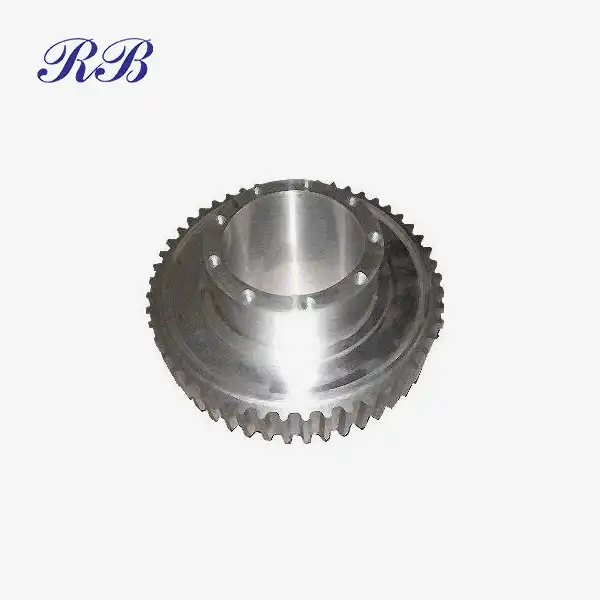
Learn about our latest products and discounts through SMS or email