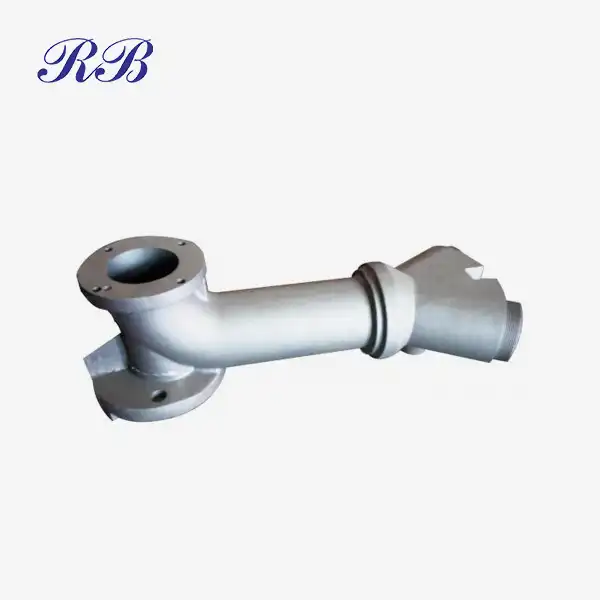
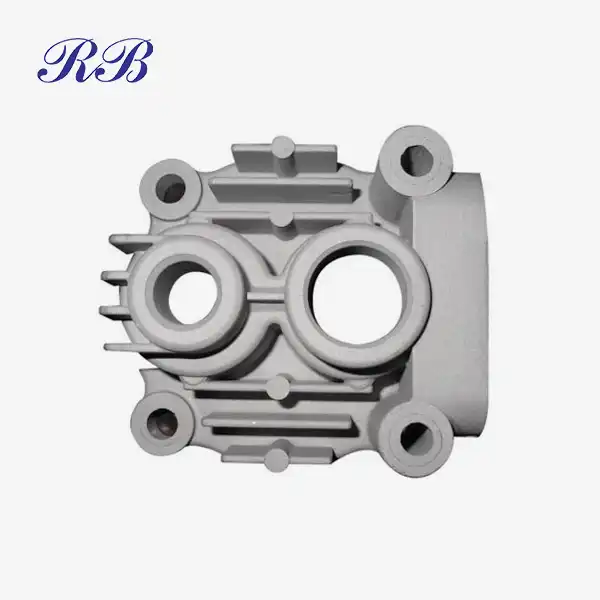
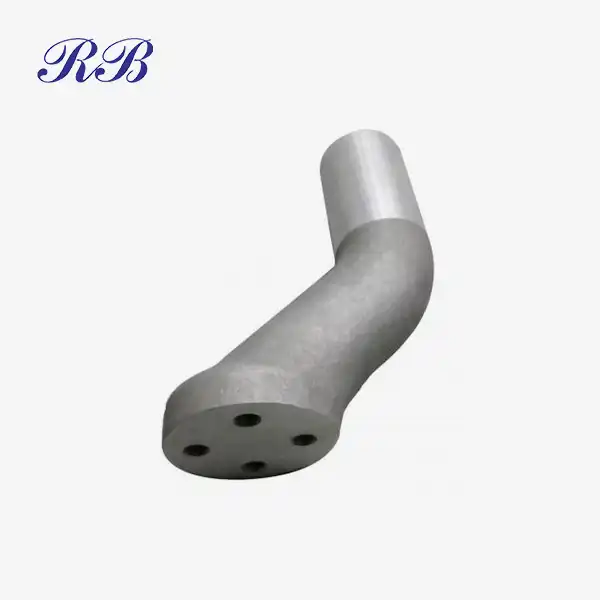
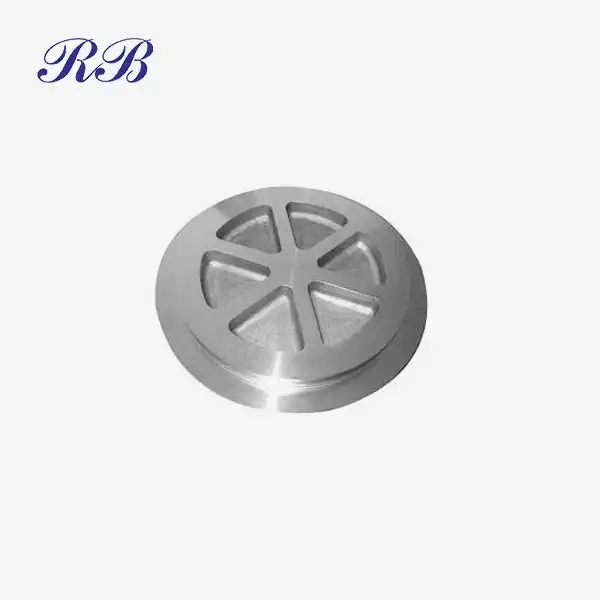
Many different sectors employ gravity casting, a flexible and affordable production technique, to create thin-walled products.However, achieving high-quality gravity casting parts with uniform thickness and minimal defects can be challenging.This paper analyzes imperative gating plan changes that can incredibly improve the filling of thin-walled gravity cast components. It centers on decreasing turbulent stream, optimizing gating proportions, and level gating with side in-gates.
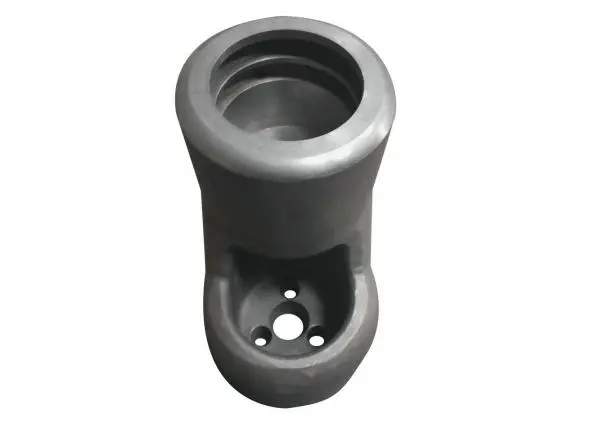
Horizontal Gating with Side In-gates
Enhancing Metal Flow Distribution
One of the most effective gating design changes for thin-walled gravity castings is the implementation of horizontal gating systems with strategically placed side in-gates.Compared to conventional top-gating techniques, this arrangement has a number of benefits, especially for components with intricate geometries or different wall thicknesses.
Horizontal gating allows for more controlled and even distribution of molten metal throughout the mold cavity. By positioning in-gates along the sides of the gravity casting parts, foundry engineers can ensure that metal reaches all areas of the part simultaneously, reducing the risk of cold shuts or incomplete filling in thinner sections.
Reducing Turbulence and Oxide Formation
Another benefit of horizontal gating with side in-gates is the reduction of turbulence during the pouring process. As the metal enters the mold cavity horizontally, it experiences less free-fall and splashing compared to top-gating systems.Improved surface smoothness and less porosity in the finished casting are further benefits of the lessened turbulence. These developments may be necessary to meet stringent quality standards for industries that require premium parts, such as the production of aircraft or medical equipment.
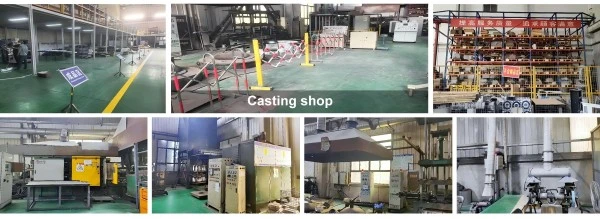
Optimized Gating Ratio
Balancing Metal Flow and Solidification
Controlling metal flow and solidification patterns is largely dependent on the gating ratio, which is the connection between the cross-sectional areas of various gating system components.For thin-walled gravity castings, optimizing this ratio is essential to ensure complete filling while minimizing defects.
A well-designed gating ratio takes into account factors such as metal velocity, pressure, and temperature loss throughout the system. By carefully adjusting the sizes of the sprue, runners, and gates, foundry engineers can achieve a balance between rapid filling of thin sections and controlled solidification to prevent shrinkage porosity.
Tailoring Ratios for Specific Alloys and Part Geometries
It's important to note that the optimal gating ratio can vary significantly depending on the specific alloy being cast and the geometry of the part. For example, aluminum alloys used in automotive components may require different ratios compared to stainless steel castings or gravity casting parts for industrial machinery.
Advanced simulation software and iterative testing allow manufacturers to fine-tune gating ratios for each unique casting project.This customized method guarantees that larger portions solidify correctly and thin-walled sections receive enough metal flow, producing parts of consistently good quality for a range of applications.
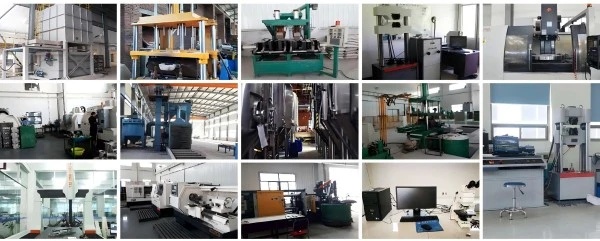
Minimal Turbulence Flow
Implementing Flow Control Features
Minimizing turbulence during the filling process is crucial for producing high-quality thin-walled gravity castings. Excessive turbulence can lead to oxide inclusions, gas porosity, and other defects that are particularly detrimental in parts with slim profiles or intricate details.
To achieve minimal turbulence flow, gating designs often incorporate features such as tapered sprues, well-proportioned runners, and carefully sized gates.Together, these components keep the molten metal flowing smoothly and laminarly as it enters the mold cavity, lowering the possibility of flaws and enhancing the overall quality of the casting.
Utilizing Chokes and Filters
In addition to optimizing the main gating components, the use of chokes and filters can further enhance flow control and reduce turbulence. Chokes, typically placed at the base of the sprue or within the runners, help regulate metal velocity and prevent excessive turbulence at critical points in the gating system.
Ceramic filters, strategically positioned within the gating system, serve a dual purpose. They not only remove impurities from the molten metal but also help break up any turbulent flow patterns, promoting a more uniform and controlled filling of the mold cavity.For thin-walled gravity casting parts, where even little flow disturbances can result in serious flaws, this is very advantageous.
Considering Venting and Overflow Design
Proper venting and overflow design are often overlooked aspects of minimizing turbulence in gravity casting. Adequate venting ensures that air and gases can escape from the mold cavity as it fills with molten metal, preventing back pressure and turbulent flow patterns.
Overflow reservoirs, when designed correctly, can also help manage turbulence by providing a controlled outlet for excess metal and any entrained gases. This is especially important for thin-walled castings, where the margin for error in filling is much smaller compared to thicker components.

In Conclusion
Implementing these gating design changes - horizontal gating with side in-gates, optimized gating ratios, and minimal turbulence flow - can significantly improve the quality and consistency of gravity casting parts.Manufacturers may produce castings with improved fill rates, fewer flaws, and superior overall quality for a variety of applications and industries by carefully taking these parameters into account.
Rongbao Enterprise is a prominent manufacturer in the field for those looking for professional advice and outstanding gravity casting solutions.Thanks to years of expertise and a dedication to innovation, Rongbao provides specialized gravity casting services that include these cutting-edge gate design ideas.
Gravity Casting Parts Supplier: Rongbao Enterprise
Rongbao Enterprise, founded in 2003, has established itself as a specialized manufacturer in aluminum alloy casting and precision processing.Automotive, aerospace, medical equipment, and electrical and electronic manufacturing are just a few of the sectors that Rongbao serves with an emphasis on providing integrated component supply solutions.
The company's mastery amplifies to different generationstrategies such as high-pressure kick the bucket casting, low-pressure kick the bucket casting, and gravity casting, complemented by exactness machining administrations.This versatility allows Rongbao to meet the unique needs of each client, from custom aluminum die-casting robot arm parts to precision-cast flanges for various applications.
Rongbao's commitment to quality is evident in their adherence to international standards, including ISO 9001:2016 for quality management, ISO 14001 for environmental management, and ISO 45001 for occupational health and safety.This devotion to brilliance has empowered Rongbao to trade 70% of its items to worldwide markets, countingthe Joined together States, Europe, and Japan.
For manufacturers seeking high-quality, thin-walled gravity cast parts that benefit from advanced gating design techniques, Rongbao Enterprise offers unparalleled expertise and capabilities. Their team of skilled engineers and technicians can work with you to develop optimal gating solutions for your specific casting requirements, ensuring superior results in terms of fill quality, dimensional accuracy, and surface finish.
To learn more about how Rongbao can support your gravity casting needs or to request a free sample, don't hesitate to reach out. Contact Steve Zhou at steve.zhou@263.net or Zhou Yi at zhouyi@rongbaocasting.com to discuss your project requirements and experience the Rongbao difference in gravity casting excellence.
References
1. Campbell, J. (2015). Complete Casting Handbook: Metal Casting Processes, Metallurgy, Techniques and Design. Butterworth-Heinemann.
2. Jolly, M. (2005). Prof. John Campbell's Ten Rules for Making Reliable Castings. JOM, 57(5), 19-28.
3. Ravi, B. (2005). Metal Casting: Computer-Aided Design and Analysis. PHI Learning Pvt. Ltd.
4. Sabatino, M. D., & Arnberg, L. (2009). Castability of aluminium alloys. Transactions of the Indian Institute of Metals, 62(4-5), 321-325.
4. ASM International. (2008). ASM Handbook, Volume 15: Casting. ASM International.