- English
- French
- German
- Portuguese
- Spanish
- Russian
- Japanese
- Korean
- Arabic
- Greek
- German
- Turkish
- Italian
- Danish
- Romanian
- Indonesian
- Czech
- Afrikaans
- Swedish
- Polish
- Basque
- Catalan
- Esperanto
- Hindi
- Lao
- Albanian
- Amharic
- Armenian
- Azerbaijani
- Belarusian
- Bengali
- Bosnian
- Bulgarian
- Cebuano
- Chichewa
- Corsican
- Croatian
- Dutch
- Estonian
- Filipino
- Finnish
- Frisian
- Galician
- Georgian
- Gujarati
- Haitian
- Hausa
- Hawaiian
- Hebrew
- Hmong
- Hungarian
- Icelandic
- Igbo
- Javanese
- Kannada
- Kazakh
- Khmer
- Kurdish
- Kyrgyz
- Latin
- Latvian
- Lithuanian
- Luxembou..
- Macedonian
- Malagasy
- Malay
- Malayalam
- Maltese
- Maori
- Marathi
- Mongolian
- Burmese
- Nepali
- Norwegian
- Pashto
- Persian
- Punjabi
- Serbian
- Sesotho
- Sinhala
- Slovak
- Slovenian
- Somali
- Samoan
- Scots Gaelic
- Shona
- Sindhi
- Sundanese
- Swahili
- Tajik
- Tamil
- Telugu
- Thai
- Ukrainian
- Urdu
- Uzbek
- Vietnamese
- Welsh
- Xhosa
- Yiddish
- Yoruba
- Zulu
What Factors Ensure Long-Lasting Performance in Pull Rod Joints?
Power grids span continents, moving electricity through thousands of miles of wires and other structures. A lot of parts work together silently in these complicated networks. But when one fails, the effects spread. Pull rod joints are one of those important parts that don't get much attention until something goes wrong. These mechanical links connect high-voltage equipment to supporting structures and may hold loads that would break weaker parts.
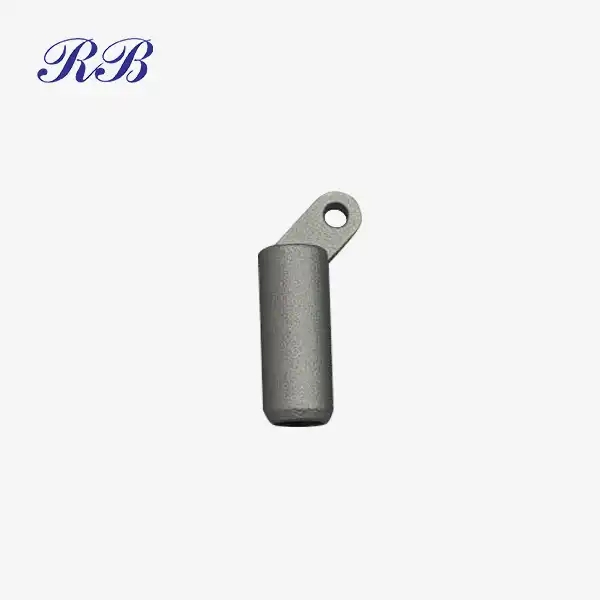
Material Selection and Metallurgical Properties
The materials used to make a part are what make it strong. In the last few decades, material science has changed a lot. Engineers in the past could only dream of the characteristics that modern alloys have. But picking the correct material is more than just picking the strongest one from a list.
Aluminum Alloys in High-Voltage Applications
Aluminum has been the material of choice for many parts of electrical distribution systems. Its density is still around one-third that of steel, which makes support structures less heavy. This weight advantage is especially important when several parts gather on poles or towers. The lower structural requirements mean that installation costs are lower and design options are wider.
In most weather situations, aluminum is more resistant to corrosion than iron. Aluminum quickly generates a protective oxide coating when it comes into contact with air. This thin, sticky layer stops more oxidation from getting deeper into the substance. Aluminum oxide is solid and protects the part for its entire service life, unlike rust on steel, which peels off and exposes new metal to more attacks.
Material Purity and Trace Elements
Chemical composition goes beyond just the main alloying elements that are stated in the requirements. Even modest amounts of trace contaminants can have a big effect on performance characteristics. Some elements make materials less ductile, which makes them more likely to break. In some situations, others speed up corrosion. Quality pull rod joints manufacturers keep an eye on these trace elements by carefully choosing the materials they use and testing them.
The chemistry of the material and its ability to conduct electricity are important in situations where joints convey current. Higher purity usually makes conductivity better, which cuts down on resistive heating. But pure metals frequently don't have the mechanical strength needed for building things. When designing alloys, it's important to find the right balance between adding enough alloying elements to make them strong enough and keeping their electrical qualities good.
Material certifications provide documented evidence that supplied materials meet specified chemical requirements. These certificates trace back to the mill or foundry where the base material originated. Without this documentation, purchasers cannot verify that components contain the materials specified in engineering drawings. Reputable suppliers provide material certifications as standard practice, understanding that critical applications demand this level of traceability.
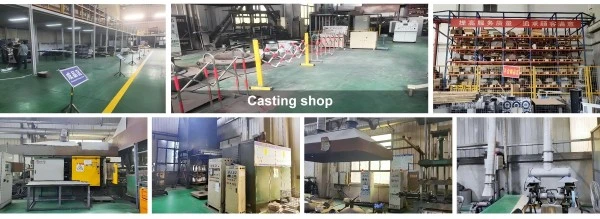
Manufacturing Excellence and Process Control
Raw materials represent only the starting point. How those materials transform into finished components determines whether theoretical properties translate into actual performance. Manufacturing processes either enhance material capabilities or introduce defects that compromise longevity. The difference lies in process selection, equipment capability, and quality control rigor.
Forging and Mechanical Working
Forging shapes metal through controlled compression, forcing material to flow into desired forms. This mechanical working refines grain structure while eliminating internal voids and inclusions. The resulting components exhibit superior mechanical properties compared to cast or machined alternatives. Grain flow follows component contours, placing maximum strength where loads concentrate.
Temperature control during forging influences final material properties significantly. Excessive heat can cause grain growth that reduces strength. Insufficient temperature prevents proper material flow, leaving internal stresses. Skilled operators monitor temperature continuously, adjusting process parameters to maintain optimal conditions. This expertise, accumulated over years of practice, distinguishes quality producers from operations that treat forging as merely a shaping operation.
Die design determines how metal flows during forging operations. Well-designed dies create predictable flow patterns that eliminate weak spots and ensure complete filling. Poor die design can trap contaminants, create lap defects, or leave areas of inadequate grain refinement. Investment in proper tooling pays dividends throughout production runs, delivering consistent quality that meets exacting standards.
Precision Machining and Dimensional Control
CNC machining is more accurate than doing things by hand. Computer-controlled tools remove material along specified toolpaths, attaining dimensional tolerances of one thousandth of an inch. This level of accuracy makes sure that mating surfaces line up perfectly and threaded connections work appropriately. Even small changes in size can cause stress concentrations that lead to cracks when the load is cycled.
The choice of tools and the cutting parameters both affect the accuracy of the dimensions and the quality of the surface. Tools that are dull leave rough surfaces and make the material too hard to deal with. Too high of a feed rate can induce clatter, which can make the surface uneven. The best machining settings find the right balance between production speed and quality, such that surfaces match functional goals without adding extra processing time.
Before moving on to the next step, inspection methods make sure that machined parts meet the specifications. Coordinate measuring machines check important measurements with a level of accuracy that manual gaging cannot match. Statistical process control finds patterns before dimensions go outside of allowable ranges. This proactive strategy stops faults from happening instead of just finding them after they do.
Surface Treatment Technologies
Shot blasting sends tiny media particles flying at high speeds against the surfaces of pull rod joints. The hits get rid of scale, clear off dirt, and make the surface texture even. In addition to cleaning, the technique creates helpful compressive tensions in the surface layers. These compressive stresses push against the tensile stresses that cause fatigue cracks, making the material far more resistant to cyclic loading.
The type of media you use affects the surface properties that shot blasting creates. Different sizes, kinds, and hardnesses of media make different surface textures and stress profiles. Angular media cuts more deeply, whereas rounded media makes the finish smoother. Process engineers choose media based on the precise surface properties needed for each application. This makes sure that treatment improves component performance instead of hurting it.

Environmental Protection and Corrosion Management
Outdoor electrical installations face environmental assault from multiple directions. Rain, temperature extremes, and airborne contaminants attack components continuously. Without adequate protection, even excellent materials degrade prematurely. Understanding corrosion mechanisms allows implementation of protective strategies that extend service life dramatically.
Atmospheric Corrosion Mechanisms
Moisture acts as the electrolyte that enables electrochemical corrosion processes. Relative humidity, rainfall, and condensation all contribute moisture that sustains corrosion reactions. Coastal environments add salt that increases electrolyte conductivity, accelerating attack rates. Industrial atmospheres contribute sulfur dioxide and other pollutants that acidify moisture films. Each environment presents unique challenges that protective strategies must address.
Temperature cycling creates condensation as components cool below the dew point. This condensation concentrates contaminants left behind when earlier moisture evaporated. The concentrated solutions attack protective layers and underlying materials more aggressively than pure water. Design approaches that promote drainage and ventilation minimize moisture retention, reducing the time that corrosive conditions persist.
Galvanic corrosion occurs when dissimilar metals contact in the presence of an electrolyte. The more active metal corrodes preferentially while the noble metal remains protected. Electrical connections often require joining different metals, creating situations where galvanic corrosion becomes inevitable without protective measures. Isolation techniques, compatible material selection, and protective coatings all contribute to managing this corrosion mechanism.
Protective Surface Systems
The natural oxide layer on aluminum pull rod joints provides substantial protection in many environments. However, particularly aggressive conditions may require additional protection beyond the native oxide. Anodizing thickens and hardens the oxide layer, improving both corrosion and wear resistance. Chemical conversion coatings create surfaces that accept paint and other topcoats more readily. The selection among these options depends on environmental severity and performance requirements.
Coating systems introduce additional complexity compared to uncoated components. Coatings must adhere tenaciously to the substrate while resisting environmental degradation. Damage to coatings can create sites where corrosion initiates and spreads. Application quality determines whether coatings provide intended protection or become maintenance liabilities. Critical applications warrant coating inspection and testing that verifies adequate thickness, adhesion, and coverage.
Maintenance intervals should include inspection of protective systems. Small coating defects caught early can be repaired before significant corrosion develops. Waiting until damage becomes visible often means that underlying corrosion has already compromised component integrity. Proactive inspection programs identify degradation trends, allowing intervention before failures occur.

Pull Rod Joints Supplier: Rongbao Enterprise
Choosing a supplier for critical electrical infrastructure components requires evaluating more than just product specifications and price. Manufacturing capability, quality systems, engineering support, and track record all influence whether supplied components deliver the long-term performance that applications demand. Rongbao Enterprise brings together the expertise, technology, and commitment necessary to serve demanding high-voltage distribution applications where reliability cannot be compromised.
Located in Xi'an, China, the company operates advanced manufacturing facilities that combine traditional metalworking expertise with modern production technology. The forging processes employed refine aluminum alloy grain structure while eliminating internal defects that could compromise strength or fatigue resistance. This primary forming operation creates components with mechanical properties that exceed those achievable through casting or fabrication from stock materials. The favorable grain flow produced during forging places maximum strength in directions where service loads concentrate.
Customization capabilities address the reality that standardized components cannot serve every application optimally. Engineering teams collaborate with customers to understand specific dimensional requirements, loading conditions, and environmental factors. This collaborative approach transforms application requirements into manufacturable designs that integrate seamlessly with existing equipment or optimize new installations. Whether adapting to legacy equipment or creating purpose-designed solutions, the flexibility to customize ensures that components match applications rather than forcing applications to conform to standard products.
For inquiries about pull rod joints engineered for long-lasting performance in your high-voltage distribution applications, Rongbao Enterprise welcomes the opportunity to discuss your specific requirements. The engineering team can provide detailed technical information, customization options, and application guidance tailored to your project needs. Contact Steve Zhou at steve.zhou@263.net or Zhou Yi at zhouyi@rongbaocasting.com to begin a conversation about how Rongbao Enterprise can support your electrical infrastructure projects with reliable, high-quality components manufactured to demanding international standards.
FAQs
Q1: How long should pull rod joints last in high-voltage distribution applications?
A: Depends on material quality, environment, and maintenance—several decades in moderate conditions, shorter in harsh environments. Regular inspections and manufacturer guidance (based on field experience) help determine replacement timing.
Q2: What role does aluminum purity play in component longevity?
A: Higher purity boosts corrosion resistance/conductivity but lacks strength; alloys add strength but may reduce corrosion resistance. Manufacturers balance composition, with material certifications/testing ensuring compliance.
Q3: Can pull rod joints be refurbished or must they be replaced when wear occurs?
A: Feasibility depends on wear—surface corrosion can be cleaned/recoated, but thread wear/deformation requires replacement. Critical applications favor replacement; consult the original manufacturer.
Q4: How do temperature extremes affect the performance of aluminum pull rod joints?
A: Aluminum retains mechanical properties across a wide temperature range—accommodates thermal expansion, retorque after cycles, note reduced ductility in cold (better than steel) and creep in high heat. Extreme environments need manufacturer consultation.
Q5: What documentation should accompany pull rod joints to verify quality?
A: Material certifications, dimensional inspection reports, mechanical test reports, and quality management system certifications (standard from reputable manufacturers, supports compliance and maintenance).
References
- American Society for Testing and Materials. (2019). ASTM B209 - Standard Specification for Aluminum and Aluminum-Alloy Sheet and Plate. West Conshohocken, PA: ASTM International.
- International Electrotechnical Commission. (2018). IEC 61284 - Overhead Lines - Requirements and Tests for Fittings. Geneva, Switzerland: IEC.
- Davis, J.R. (Ed.). (2001). Alloying: Understanding the Basics. Materials Park, OH: ASM International.
- International Organization for Standardization. (2015). ISO 9001:2015 Quality Management Systems - Requirements. Geneva, Switzerland: ISO.
- Fontana, M.G., & Greene, N.D. (1978). Corrosion Engineering. New York: McGraw-Hill.
- Electric Power Research Institute. (2016). Transmission Line Hardware Inspection and Maintenance Guidelines. Palo Alto, CA: EPRI.
Learn about our latest products and discounts through SMS or email