- English
- French
- German
- Portuguese
- Spanish
- Russian
- Japanese
- Korean
- Arabic
- Greek
- German
- Turkish
- Italian
- Danish
- Romanian
- Indonesian
- Czech
- Afrikaans
- Swedish
- Polish
- Basque
- Catalan
- Esperanto
- Hindi
- Lao
- Albanian
- Amharic
- Armenian
- Azerbaijani
- Belarusian
- Bengali
- Bosnian
- Bulgarian
- Cebuano
- Chichewa
- Corsican
- Croatian
- Dutch
- Estonian
- Filipino
- Finnish
- Frisian
- Galician
- Georgian
- Gujarati
- Haitian
- Hausa
- Hawaiian
- Hebrew
- Hmong
- Hungarian
- Icelandic
- Igbo
- Javanese
- Kannada
- Kazakh
- Khmer
- Kurdish
- Kyrgyz
- Latin
- Latvian
- Lithuanian
- Luxembou..
- Macedonian
- Malagasy
- Malay
- Malayalam
- Maltese
- Maori
- Marathi
- Mongolian
- Burmese
- Nepali
- Norwegian
- Pashto
- Persian
- Punjabi
- Serbian
- Sesotho
- Sinhala
- Slovak
- Slovenian
- Somali
- Samoan
- Scots Gaelic
- Shona
- Sindhi
- Sundanese
- Swahili
- Tajik
- Tamil
- Telugu
- Thai
- Ukrainian
- Urdu
- Uzbek
- Vietnamese
- Welsh
- Xhosa
- Yiddish
- Yoruba
- Zulu
What Angle and Material Work Best for High Oblique Supports in Alarm Device?
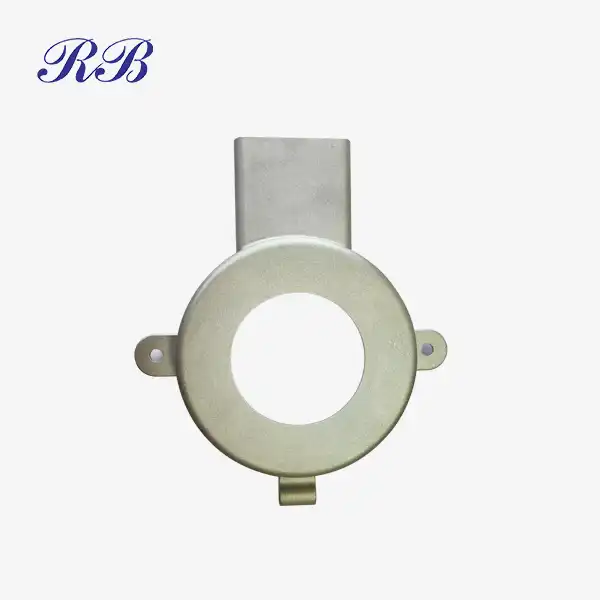
When an alarm sounds, we rarely think about the metal holding it in place. We only notice the bracket when it fails. Rust eats through the steel, or the wind vibrates the siren until it falls. A high oblique support is not just a bent piece of metal. It is a precision engineering component. It directs sound waves and fights gravity. Choosing the wrong angle or material turns a safety device into scrap metal. This guide cuts through the noise to find the perfect combination for your alarm device.
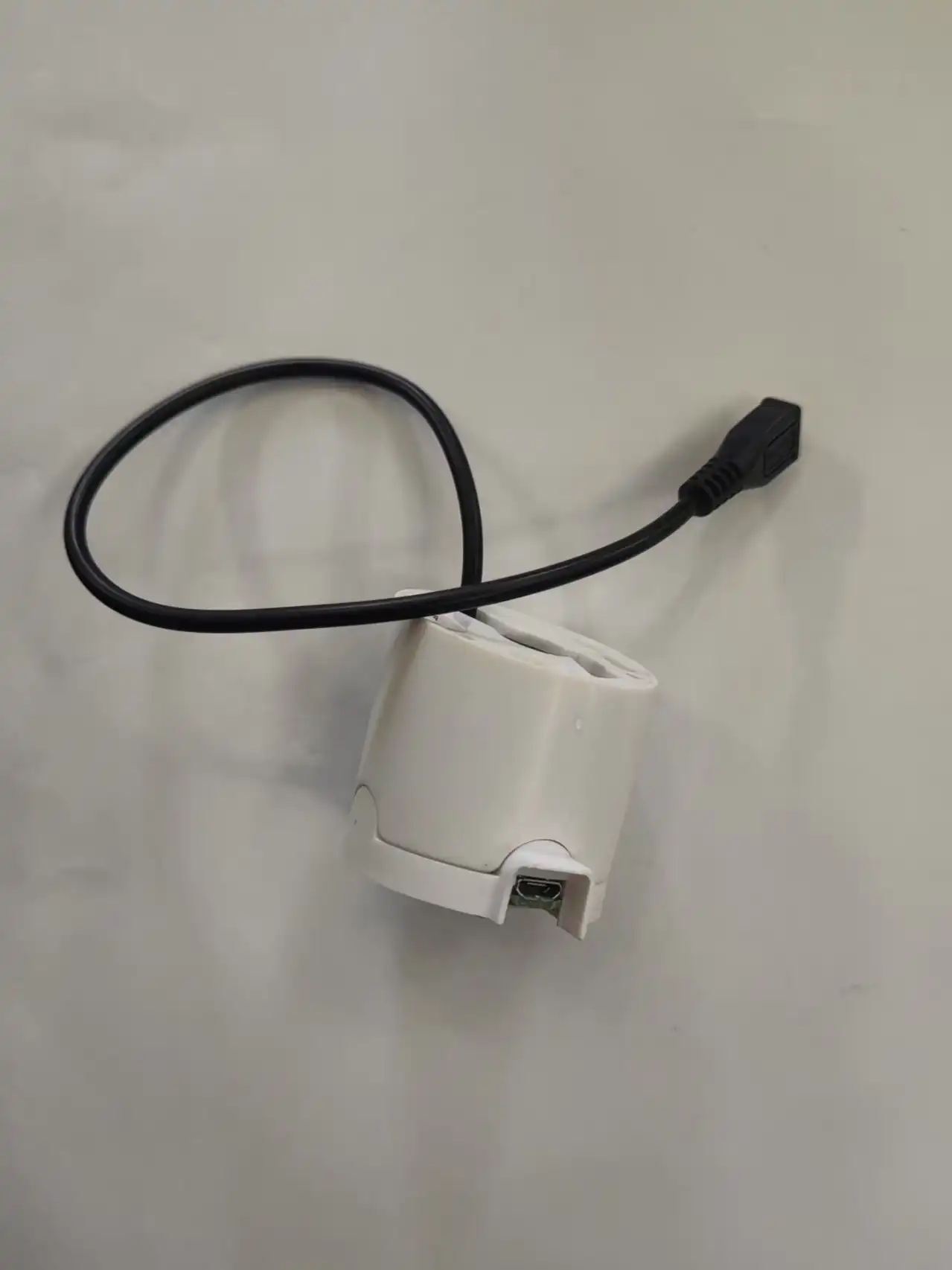
Critical Geometry: Why Angle Matters More Than You Think
You might think a straight bracket works fine. Physics says otherwise. Sound travels in waves. If your alarm sits flat, the ground absorbs much of that energy. A high oblique support tilts the emitter. This simple tilt projects the noise over fences, bushes, and parked cars. It creates a line of sight for the sound.
Optimizing Acoustic Projection
Engineers spend hours calculating decibels. They often ignore the mount. A support angled between fifteen and thirty degrees usually works best. This angle clears the mounting surface. It prevents the "ground effect" where sound gets muffled. If the angle is too steep, the wind catches it like a sail. If it is too flat, the sound hits the dirt. The sweet spot balances aerodynamics with acoustics.
Shedding Water and Debris
Alarms live outside. Rain, snow, and bird droppings destroy electronics. A vertical mount collects water. A horizontal mount collects dust. An oblique angle uses gravity. Water runs off immediately. Debris slides away. This keeps the alarm head clean. It extends the life of the device significantly. You are not just buying a bracket. You are buying weather protection.
Resisting Vibration Fatigue
Sirens vibrate. It is a violent shaking motion. A rigid, ninety-degree joint concentrates stress. It creates a fracture point. An oblique support distributes that energy. It acts like a suspension bridge. The angle creates a longer load path. This flexibility absorbs the vibration. It stops the metal from snapping after a few months of use.
Material Science: Selecting the Right Alloy for Longevity
Once the angle is set, you must pick the flesh. The material determines if the high oblique support lasts five years or twenty. Most buyers look at price first. They should look at the environment second. A coastal city needs different metals than a dry desert.
Aluminum Alloys: The Lightweight Champion
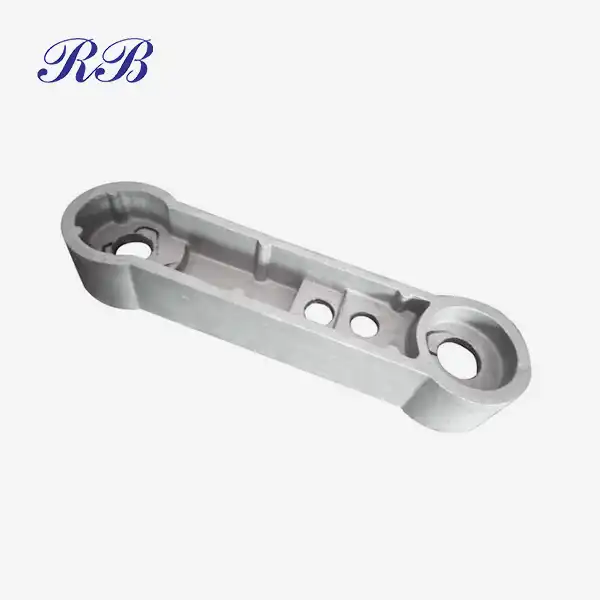
Aluminum is the top choice for many alarm systems. It is light. It does not rust like steel. It conducts heat well, which helps dissipate warmth from the siren motor. We usually see ADC12 or A380 alloys in this sector. They cast easily into complex shapes. You get that smooth oblique curve without weak weld seams. The downside? It is softer than steel. A determined vandal can bend it.
Stainless Steel: The Heavy Duty Option
For high-security zones, stainless steel wins. It is heavy. It is incredibly strong. It resists impact. If someone tries to rip the alarm down, steel fights back. The grade matters here. 304 stainless is standard. 316 is marine grade. If the alarm sits near the ocean, 316 is mandatory. Salt spray will eat 304 eventually. The cost is higher, but the replacement cycle is much longer.
Die-Casting vs. Stamping: The Manufacturing Method
How you make the part changes the material properties. Stamping cuts steel. It leaves sharp edges. Die-casting forces molten metal into a mold. This creates a dense, uniform grain structure. A die-cast high oblique support has no weld points. Weld points are where corrosion starts. A single piece of cast aluminum is virtually waterproof. It is the superior method for complex angles.
Surface Treatment: The Final Shield
The raw metal is not enough. You need armor. Powder coating is the industry standard. It is tougher than paint. It chips less. Anodizing works for aluminum. It creates a hard ceramic shell. For steel, galvanization is key. You dip it in molten zinc. It protects the steel even if you scratch the surface. Never accept a raw metal support. It will fail.

Manufacturing Precision: Tolerances and Quality Control
You have the angle. You have the alloy. Now you need the factory. A bad factory ruins good design. Tolerances must be tight. If the mounting holes are off by a millimeter, the installer curses. If the wall thickness varies, the part breaks.
The Importance of Wall Thickness Uniformity
In die-casting, thin walls cool fast. Thick walls cool slow. This creates voids. Voids are air bubbles inside the metal. They make the high oblique support weak. A good manufacturer uses simulation software. They design the mold to fill evenly. Every part of the bracket should have the same strength. No weak spots. No surprises.
Rigorous Testing Protocols
How do you know it works? You test it. Salt spray tests simulate ten years of rain. Tensile tests pull the bracket until it snaps. Impact tests hit it with a hammer. ISO 9001 certified factories do this. Cheap workshops do not. They ship it and hope for the best. You cannot hope with safety equipment. You must certify.
Customization Capabilities
Not every pole is the same size. Not every siren is the same weight. Off-the-shelf parts rarely fit perfectly. You need OEM services. Can the supplier change the angle by five degrees? Can they add an extra hole? Can they use your logo? A flexible partner saves you money on tooling. They adapt the high oblique support to your specific alarm device.
High Oblique Support Supplier: Rongbao Enterprise
You need parts that work the first time. You need a partner who understands metal. Rongbao Enterprise delivers precision engineering from Xi'an, China. We specialize in alarm device parts. Our production capacity hits 50,000 pieces. We handle OEM and ODM requests with ease. We hold ISO 9001:2015, ISO 14001, and ISO 45001 certifications. Your specs are custom. Your packaging is secure. We use cartons and wooden boxes for safe transport.
Do not gamble with inferior castings. Get a quote today. Email us at steve.zhou@263.net or zhouyi@rongbaocasting.com. Let us build the perfect high oblique support for your project.
FAQs
Q1: Can I use plastic for a high oblique support?
A: Generally, no. Standard plastics degrade under UV light. They become brittle and snap in the cold. High-performance polymers like PEEK work, but they cost more than metal. Metal is safer for structural loads.
Q2: What is the best angle for a high-frequency siren?
A: High frequencies are directional. They beam straight. A lower angle, around ten to fifteen degrees, works best to bounce that beam over obstacles. Low frequencies wrap around objects, so the angle matters less.
Q3: How long does a die-cast aluminum support last?
A: With proper powder coating, it can last fifteen to twenty years. Without coating, it will oxidize and turn white in two years. The finish is just as important as the metal.
Q4: Do you provide samples before mass production?
A: Yes. Reputable suppliers always provide samples. You should test the fit and the finish before committing to fifty thousand pieces.
References
- ASM International. (2022). "Handbook of Aluminum: Vol 2: Alloy Production and Materials Manufacturing."
- National Institute of Standards and Technology (NIST). "Structural Load Testing for Non-Building Components."
- Journal of the Acoustical Society of America. "The Effect of Source Directivity on Outdoor Sound Propagation."
- ISO 9001:2015. "Quality management systems — Requirements."
- Die Casting Association. "Design Guidelines for Die Castings: Wall Thickness and Draft."
Learn about our latest products and discounts through SMS or email