- English
- French
- German
- Portuguese
- Spanish
- Russian
- Japanese
- Korean
- Arabic
- Greek
- German
- Turkish
- Italian
- Danish
- Romanian
- Indonesian
- Czech
- Afrikaans
- Swedish
- Polish
- Basque
- Catalan
- Esperanto
- Hindi
- Lao
- Albanian
- Amharic
- Armenian
- Azerbaijani
- Belarusian
- Bengali
- Bosnian
- Bulgarian
- Cebuano
- Chichewa
- Corsican
- Croatian
- Dutch
- Estonian
- Filipino
- Finnish
- Frisian
- Galician
- Georgian
- Gujarati
- Haitian
- Hausa
- Hawaiian
- Hebrew
- Hmong
- Hungarian
- Icelandic
- Igbo
- Javanese
- Kannada
- Kazakh
- Khmer
- Kurdish
- Kyrgyz
- Latin
- Latvian
- Lithuanian
- Luxembou..
- Macedonian
- Malagasy
- Malay
- Malayalam
- Maltese
- Maori
- Marathi
- Mongolian
- Burmese
- Nepali
- Norwegian
- Pashto
- Persian
- Punjabi
- Serbian
- Sesotho
- Sinhala
- Slovak
- Slovenian
- Somali
- Samoan
- Scots Gaelic
- Shona
- Sindhi
- Sundanese
- Swahili
- Tajik
- Tamil
- Telugu
- Thai
- Ukrainian
- Urdu
- Uzbek
- Vietnamese
- Welsh
- Xhosa
- Yiddish
- Yoruba
- Zulu
How to Select Titanium Alloy Machined Parts for Aerospace Structural Use?
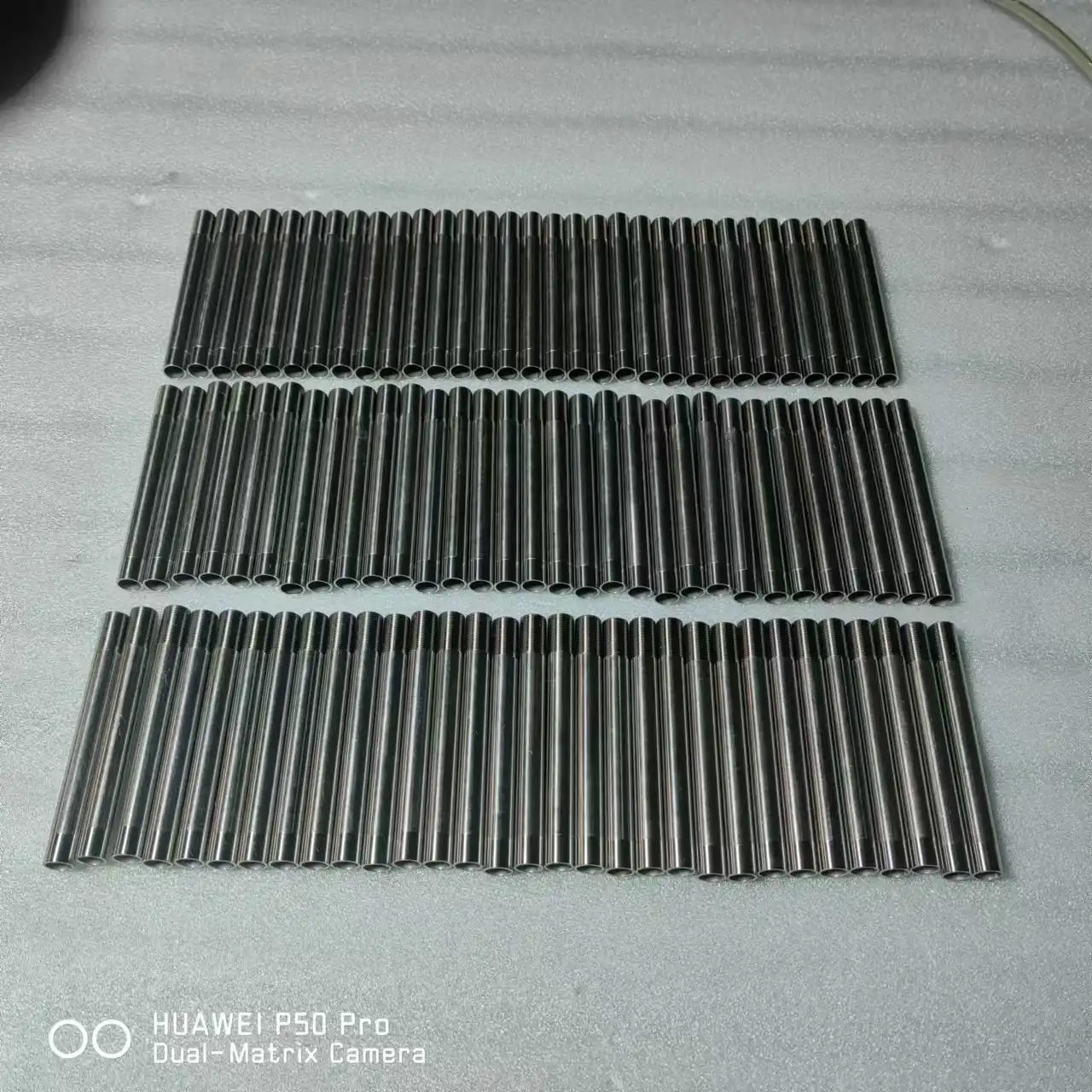
Aerospace engineering needs materials that can handle very harsh conditions. Designers have to find a balance between making things lighter and keeping them strong. Modern planes travel quicker and carry more weight than ever before. This process needs metals that are strong and light. Titanium is now the most important material for high-performance aircraft hardware. It has a one-of-a-kind set of mechanical qualities for important areas. Engineers still need to choose the proper titanium alloy machined parts. Making the wrong option might cause things to break too soon or cost too much. This article will help you choose the right aeronautical applications.
Essential Performance Criteria for Aerospace Titanium Components
During takeoff and landing, aerospace structures are put under a lot of stress. The ratio of strength to weight is the most important factor in choosing materials. Titanium alloys are much stronger than steel yet much lighter. This benefit is that you can carry more gasoline or more weight. Engineers give priority to materials that don't change shape when they are put under a lot of aerodynamic stress. Parts made of high-quality titanium alloy keep their shape even when they are put under a lot of stress. This structural stability keeps the wings and fuselage from getting out of alignment. For safety, you must choose a grade with better tensile qualities.
Fatigue resistance is another cornerstone of aerospace material performance. Vibration and cyclic loading can cause microscopic cracks over time. These cracks might grow into catastrophic failures if left unchecked. Titanium exhibits a high fatigue limit compared to other industrial metals. It resists the initiation of cracks during thousands of pressure changes. Manufacturers focus on grain structure to enhance this specific property. Fine-grained alloys often perform better in high-vibration environments like jet engines. Selecting titanium alloy machined parts requires a deep look at fatigue data. Durable components reduce the frequency of expensive maintenance inspections.
Environmental issues are also very important when choosing materials. Aircraft encounter moisture, salt, and various chemicals during their service life. Corrosion can make structural parts weaker and create safety risks. A protective oxide layer occurs on the surface of titanium naturally. This layer stops deep oxidation and pitting from happening in wet or marine environments. It stays stable even when the acidity or alkalinity levels are very high or very low. Many machined parts made of titanium alloys can work near the coast without breaking down. Because of this natural resistance, titanium is more dependable than aluminum or steel that has been coated. You don't have to spend as much on protective coatings and surface treatments.
Navigating Material Grades and Fabrication Techniques for Flight Hardware
When choosing a titanium grade, you need to find a balance between how well it works and how easy it is to make. Alpha-beta alloys are mostly used in the aerospace sector for structural purposes. The most typical choice for these jobs is Grade 5, or Ti-6Al-4V. It has the perfect mix of strength and toughness. This grade is used for a lot of titanium alloy machined parts, like wing spars and landing gear. Other grades have specific advantages, such as being easier to weld or being able to withstand more heat. You need to make sure that the alloy's chemical profile is right for the load you need. Knowing the variations between grades might help you avoid making something too complicated or using the wrong materials.
The way a component is made has a big effect on its final quality. CNC machining lets you make very detailed shapes with a lot of accuracy. This step is very important for pieces with complicated curves that need to be aerodynamic. But because titanium doesn't conduct heat well, it's hard to cut. Heat lingers at the edge of the instrument, which can quickly wear it out. Skilled machinists know how to keep high temperatures under control using specific cooling methods. They make sure that machined items made of titanium alloy always meet strict tolerances. Precision machining keeps gaps from forming that could weaken the airframe. When production is consistent, it is easier to put things together and there are fewer parts that don't fit.
Maintaining the integrity of the surface is an important part of the fabrication process. Rough surfaces might start fatigue cracks. Processes like shot blasting make the surface smoother and add compressive pressures. These pressures keep the part from breaking while it is under stress. A smooth, even surface also makes it easier for air to flow around outside parts. The main goal of companies who make titanium alloy machined parts is to reduce surface imperfections. They check the quality of the finish with high-tech inspection instruments. Proper surface treatment makes the part last a lot longer. It is an important phase in the process of making things for the aerospace industry.
Quality Assurance and Supply Chain Reliability in Titanium Manufacturing
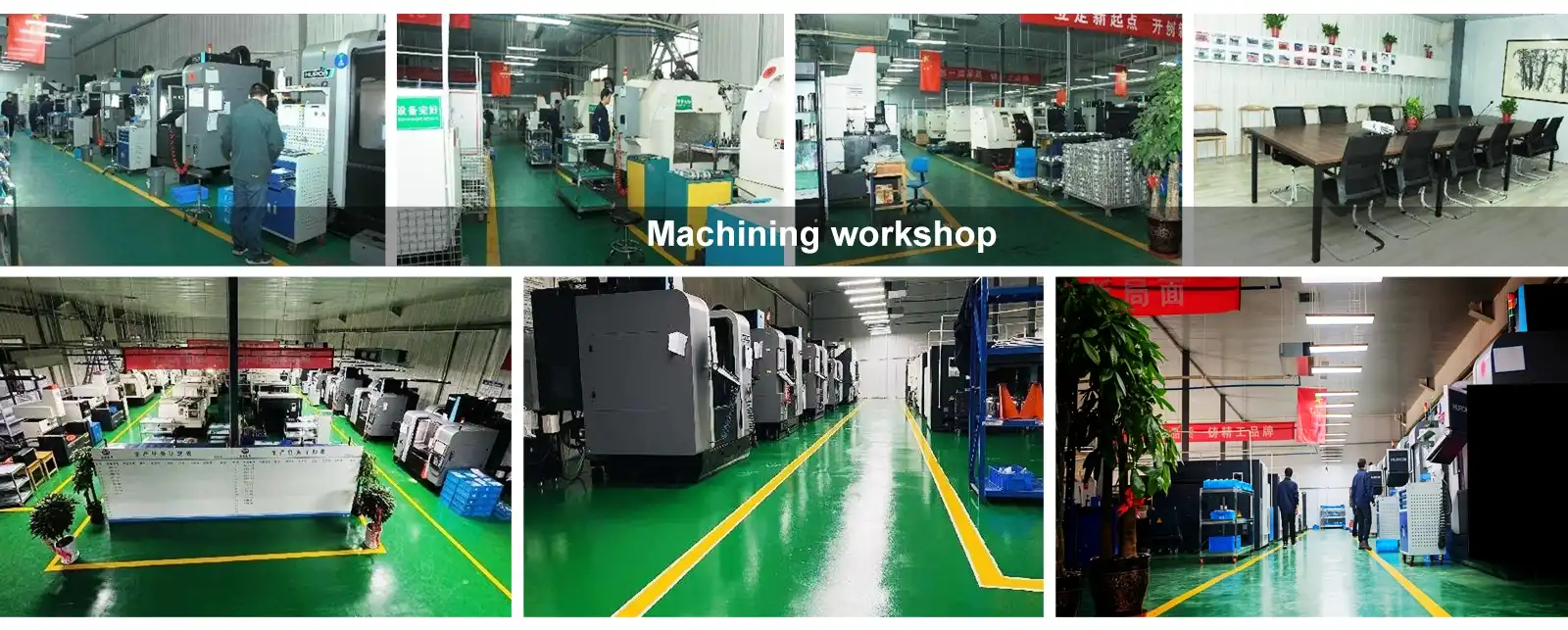
For meeting aircraft production deadlines, the supply chain needs to be reliable. If parts don't arrive on time, the assembly of a whole fleet can be put on hold. We have a lot of production capacity thus we can fulfill big aerospace orders. Our Xi'an, China, location is in the middle of the titanium processing industry. We can get to high-quality raw material suppliers directly from this place. We can reliably and efficiently make machined parts out of titanium alloy for customers all around the world. A consistent supply chain makes it less likely that a project would go over budget or take longer than planned. We work closely with our logistics partners to make sure that international shipment is done on schedule.
Quality assurance is more than just taking measurements and looking at the surface. We use non-destructive testing to look for problems inside the metal. Ultrasonic examination can find holes or other things inside the titanium. These concealed flaws could cause the system to fail when the pressure is tremendous. We also use dye penetrant testing to look for microscopic cracks on the surface. We carefully check each and every one of our machined titanium alloy parts. This commitment to quality makes sure that our parts can handle the stress of flight. We are ISO9001:2015 certified, which shows that we are serious about being good at management. Our clients trust our testing methods to make sure their designs are secure.
Trust is the final step in the buyer's journey toward sending an inquiry. Professionalism in communication and documentation fosters this trust. We provide clear answers to technical questions about alloy performance. Our engineering team assists in optimizing designs for better machinability. This collaborative approach leads to better titanium alloy machined parts and lower costs. We understand the hesitation that comes with choosing a new supplier. That is why we focus on transparency and evidence-based manufacturing. Our history of success in the industry speaks for our capability. We invite you to explore our services and see the difference quality makes.
Titanium Alloy Machined Parts Supplier: Rongbao Enterprise
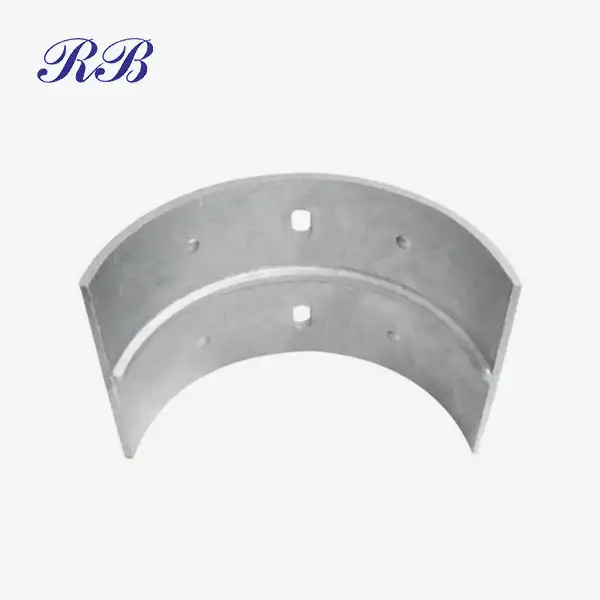
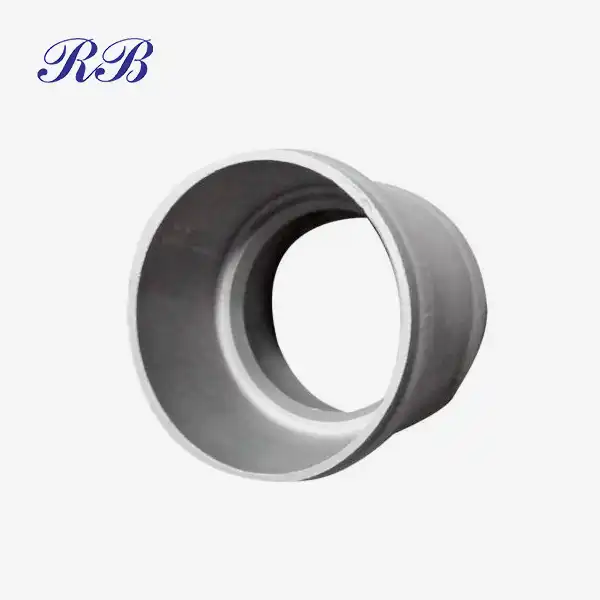
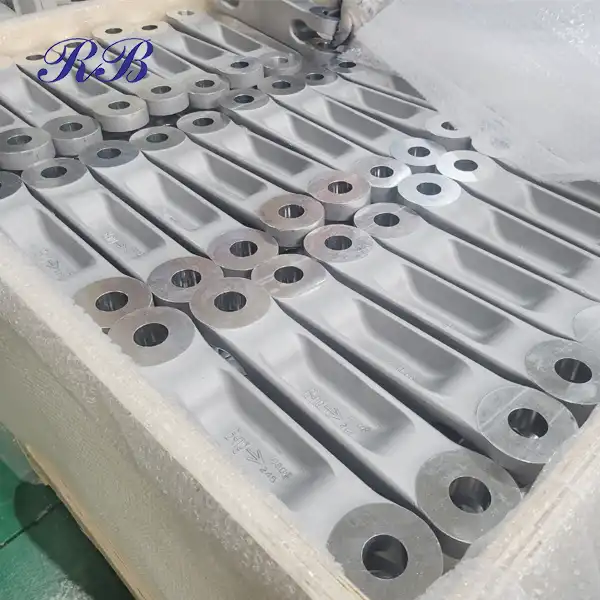
Selecting a reliable supplier is the most critical decision in your procurement process. Rongbao Enterprise stands out as a leader in the production of titanium alloy machined parts. We are based in Xi'an, China, where we leverage a vast network of metallurgical expertise. Our facility specializes in CNC machining and mechanical processing for the aerospace and industrial sectors. We produce a wide range of components, including stainless steel pipe fittings and complex titanium frames. Our production capacity reaches five thousand pieces, allowing us to support major industrial projects. We hold ISO9001:2015, ISO14001, and ISO45001 certifications to ensure global quality standards. Every part we manufacture undergoes careful surface treatment, such as shot blasting, to enhance durability. We offer full OEM and ODM customization to meet your specific engineering requirements.
To start your inquiry, please reach out to our professional team via email. You can contact Steve Zhou at steve.zhou@263.net or zhouyi@rongbaocasting.com for a detailed consultation. We provide comprehensive quotes and technical data to help you make an informed choice. Our titanium alloy machined parts are designed to elevate the performance of your aerospace applications. We look forward to receiving your inquiry and becoming your trusted manufacturing partner in China. Let us provide the precision and quality your flight hardware deserves.
FAQs
Q1: Why is Ti-6Al-4V the preferred grade for aerospace structural use?
A: This grade offers an excellent balance of high strength, low weight, and corrosion resistance. It is well-understood by engineers and has a long history of successful flight use. It accounts for a large majority of titanium alloy machined parts in the industry.
Q2: How does shot blasting improve titanium parts?
A: Shot blasting cleans the surface and creates a uniform finish for the component. More importantly, it adds compressive stress to the surface layer. This significantly improves the fatigue life of titanium alloy machined parts under cyclic loads.
Q3: Can titanium parts be used in the high-heat zones of an engine?
A: Yes, certain titanium alloys are designed specifically for high-temperature stability. They maintain their structural integrity better than aluminum at these levels. They are commonly used for compressor blades and housing components.
Q4: What are the main challenges in machining titanium?
A: Titanium is chemically reactive and has low thermal conductivity. This leads to high temperatures at the cutting tool, which can cause damage. Achieving high-precision titanium alloy machined parts requires expert knowledge and specialized equipment.
Q5: How does Rongbao Enterprise ensure the quality of its titanium parts?
A: We use a combination of ISO-certified management and rigorous physical testing. This includes chemical analysis, mechanical property testing, and non-destructive inspections. Every batch of titanium alloy machined parts is verified before shipping to the customer.
References
1. Boyer, R. R. (1996). An overview on the use of titanium in the aerospace industry. Materials Science and Engineering: A, 213(1-2), 103-114.
2. Peters, M., Kumpfert, J., Ward, C. H., & Leyens, C. (2003). Titanium alloys for aerospace applications. Advanced Engineering Materials, 5(6), 419-427.
3. Lutjering, G., & Williams, J. C. (2007). Titanium (Engineering Materials and Processes). Springer Science & Business Media.
4. Donachie, M. J. (2000). Titanium: A Technical Guide. ASM International.
5. Inagaki, I., Takechi, T., Shirai, Y., & Ariyasu, N. (2014). Application and Features of Titanium for the Aerospace Industry. Nippon Steel & Sumitomo Metal Technical Report.
_1750923522843.webp)
Learn about our latest products and discounts through SMS or email