Choose a High-Detail Master Mold
The foundation of any successful kinetic sand casting lies in selecting the right master mold. For achieving fine surface detail, consider these factors:
1. Material Selection: Opt for master molds made from materials known for their ability to retain intricate details. High-quality resins, silicone rubbers, or even 3D-printed models with smooth layer lines can serve as excellent options.
2. Surface Finish: Ensure your master mold has a smooth, polished surface. Any imperfections will be transferred to the kinetic sand and subsequently to your final cast.
3. Release Agents: Apply a thin layer of release agent to your master mold.This will make it easier to demold without sacrificing surface features and stop the kinetic sand from clinging.
4. Complexity Considerations: While kinetic sand is versatile, extremely intricate or undercut designs may require special attention.For best results, think about decomposing complicated shapes into simpler parts.
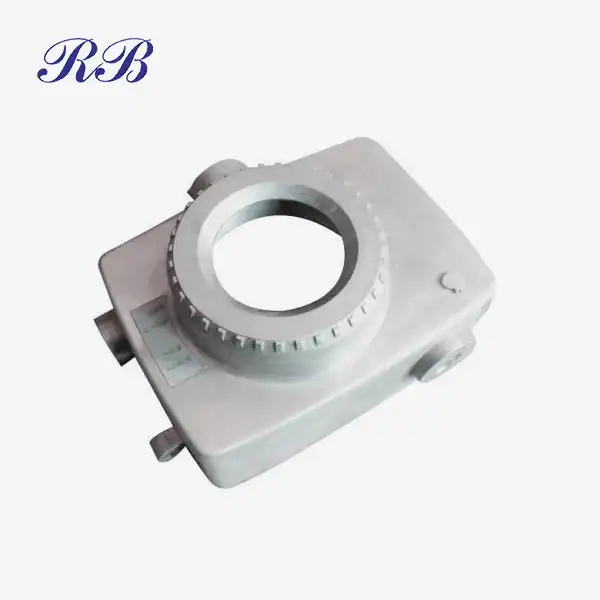
By selecting a high-quality master mold, you're setting the stage for exceptional surface detail in your final cast instrument box or other precision components.
Condition the Kinetic Sand
Kinetic sand must be well conditioned in order to capture minute surface features.Follow these steps to ensure your sand is in optimal condition:
1. Moisture Control: Kinetic sand performs best at specific moisture levels. Too dry, and it won't hold shape; too wet, and it may stick to your mold. Use a moisture meter to achieve the ideal consistency, typically around 3-5% moisture content.
2. Temperature Regulation: Maintain your kinetic sand at room temperature (around 20-25°C or 68-77°F).Its moldability and detail preservation may be impacted by very high or low temperatures.
3. Sieving and Mixing: Before use, sieve your kinetic sand to remove any lumps or foreign particles. This guarantees a consistent texture, which is essential for reproducing minute details. Mix the sand thoroughly to distribute moisture evenly.
4. Additive Incorporation: For enhanced detail retention, consider mixing in fine silica flour or bentonite clay.The sand's capacity to absorb complex surface patterns may be enhanced by these compounds.
5. Resting Period: After mixing, allow your kinetic sand to rest for 15-30 minutes. The combination performs better overall during this resting time since the liquid can disperse evenly throughout it.
By carefully conditioning your kinetic sand, you're ensuring it has the optimal properties to capture even the finest surface details of your cast instrument box mold.
Compact and Demold Gently
To maintain such delicate surface features, the latter stages of kinetic sand mold preparation are essential. Here's how to compact and demold with precision:
1. Gradual Compaction: Begin by gently sprinkling a thin layer of kinetic sand over your master mold. Use a soft brush or your fingers to work the sand into the finest details. Gradually add more sand, compacting each layer lightly.
2. Vibration Techniques: Employ gentle vibration to help the sand settle into intricate areas. A small vibrating table or even tapping the mold lightly can help eliminate air pockets and ensure complete surface contact.
3. Uniform Pressure: Once you've filled the mold, apply uniform pressure across the surface. Use a flat board or press to ensure even compaction without distorting the mold shape.
4. Curing Time: Allow your compacted kinetic sand mold to set for a short period. This can range from 10-30 minutes, depending on the complexity of your cast instrument box design.
5. Gentle Demolding: When it's time to remove the master mold, do so with extreme care. Start from one corner and slowly work your way around, allowing the kinetic sand to release naturally. Avoid sudden movements that could damage fine details.
6. Post-Demolding Inspection: Once you've removed the master mold, carefully inspect your kinetic sand mold for any imperfections. Use fine tools to touch up any areas that may need attention, ensuring your cast will have the sharpest possible surface detail.
By following these meticulous steps, you'll create a kinetic sand mold that captures even the most delicate surface textures, resulting in a cast instrument box with exceptional detail and precision.
FAQ
1. How does kinetic sand compare to traditional sand casting methods for fine detail work?
Kinetic sand offers several advantages over traditional sand casting methods when it comes to fine detail work. Its unique composition allows for better flowability and detail retention, making it ideal for intricate designs like those found in cast instrument boxes. Kinetic sand also has the added benefit of being reusable, reducing waste and cost in the long run. However, it may require more careful handling and conditioning to achieve optimal results compared to some traditional methods.
2. Can I use 3D printed masters for creating kinetic sand molds with fine surface details?
Yes, 3D printed masters can be excellent for creating kinetic sand molds with fine surface details. To get the best results, use a high-resolution 3D printer and choose a resin or filament that produces smooth surfaces. Post-processing your 3D printed master, such as sanding and applying a sealant, can further enhance its ability to transfer fine details to the kinetic sand mold. Remember to apply a suitable release agent to your 3D printed master to prevent the kinetic sand from sticking.
Cast Instrument Box Supplier: Rongbao Enterprise
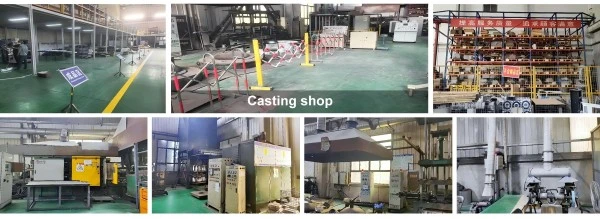
When it comes to precision-cast instrument boxes and other high-quality aluminum components, Rongbao Enterprise stands out as a leader in the industry. Rongbao centers on quality and advancement and givescustom-made arrangements for a assortment of employments, counting fire pump embellishments.
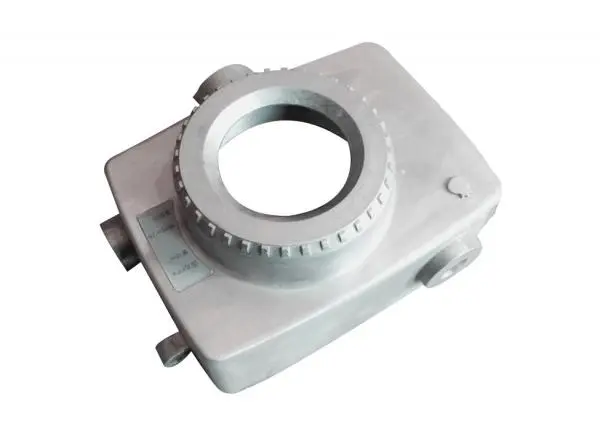
The A356 aluminum alloy used to make Rongbao's cast instrument boxes demonstrates the company's proficiency with precision machining and gravity casting. Each piece, weighing 1.1kg, undergoes rigorous quality control and surface treatment processes, including shot blasting, to ensure optimal performance and durability.
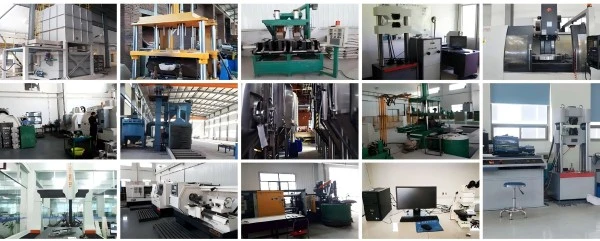
With a production capacity of 5000 pieces and certifications including ISO9001:2015, ISO14001, and ISO45001, Rongbao Enterprise is equipped to meet your specific needs for high-quality, fine-detailed cast components. Their commitment to customization and OEM/ODM services ensures that your unique specifications are met with precision and care.
For inquiries about cast instrument boxes or to discuss your custom aluminum casting needs, reach out to Rongbao Enterprise today. Contact Steve Zhou at steve.zhou@263.net or zhouyi@rongbaocasting.com to explore how Rongbao's expertise can elevate your projects with precision-engineered components.